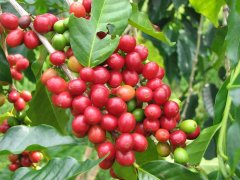
How to Brew Ethiopia Geisha Village Geisha Coffee for the Best Taste?

When Gesha coffee comes up, many people's first thought is Panama Gesha — rich white florals, enticing juice-like acidity, and honey sweetness. Anyone familiar with the variety's history knows that the Gesha we drink today was discovered in Ethiopia's Gesha forest in the 1930s. After several transfers, it reached the Central American Agricultural Institute (CATIE) in Costa Rica in the 1950s and 60s as sample T2722, was distributed to Panama for cultivation in the 1970s, and shot to fame in 2004 after winning the Best of Panama (BOP) competition and smashing green coffee auction records.
Although modern genetic analysis has concluded that Panama's Gesha and Ethiopia's Gesha share little kinship, that's no reason to give up on tasting and comparing them. Experiencing diversity is what coffee is all about.

As a top-tier estate that has brought Ethiopia back to the front rank of world coffee, Gesha Village has always been a premium specialty that FrontStreet Coffee refuses to miss. Its absolute reputation, and the owner's evident passion and dedication, guarantee consistent quality. The estate cultivates Gesha varieties — the origin of Panama's finest Gesha lines. Excellent growing conditions and meticulous post-harvest processing make Gesha Village coffee expensive, yet eagerly bought.

Whether natural or washed, the coffees show elegant floral and fruit aromatics with a smooth, rounded mouthfeel. FrontStreet Coffee looks for beans with unique character and a real backstory, and this coffee from Gesha Village Estate ticks every box. Today we're sharing the value-for-money Red Label from Gesha Village.
Gesha Village
In 2007, documentary director Adam Overton and his photographer wife Rachel Samuel, while filming a documentary about Ethiopian coffee for the Ethiopian government, encountered the Gera coffee forest in the Bench-Maji region. Along the way they rediscovered the greatness of Ethiopia's land — and conceived the idea of founding their own estate and brand.

In 2009, they had the good fortune to meet Willem Boot, the renowned owner of La Mula estate and a BOP judge. Boot's ideas gave the couple their opening: return to Ethiopia and find Gesha's birthplace. They eventually arrived in Bench-Maji, in southwestern Ethiopia near the South Sudan border, where many villages carry the name "Gesha" — making it the most likely home of original Gesha. When they arrived in 2011, there was nothing on the land.
Adam followed Willem Boot on an "expedition" through the forests surrounding the estate. In the dense, almost magical jungle they found multiple wild tree species — and wild Gesha was their most thrilling discovery. They later learned this was the Gori Gesha forest, where Gesha was first found. They collected seeds from the original Gesha trees, screened them, and planted them at the new farm, naming it Geisha Village Coffee Estate — a 475-hectare coffee farm about 12 miles from the Gori Gesha forest.
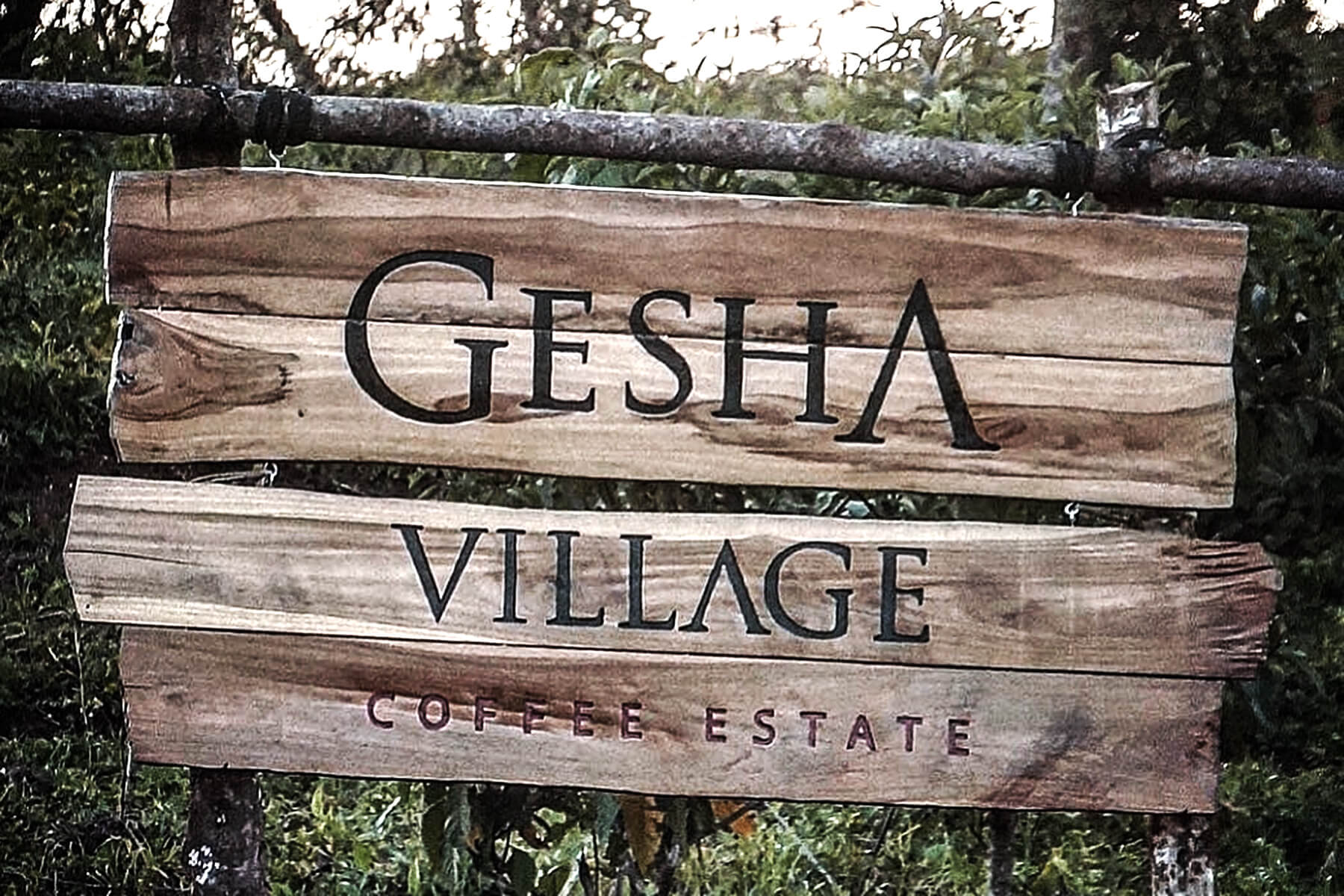
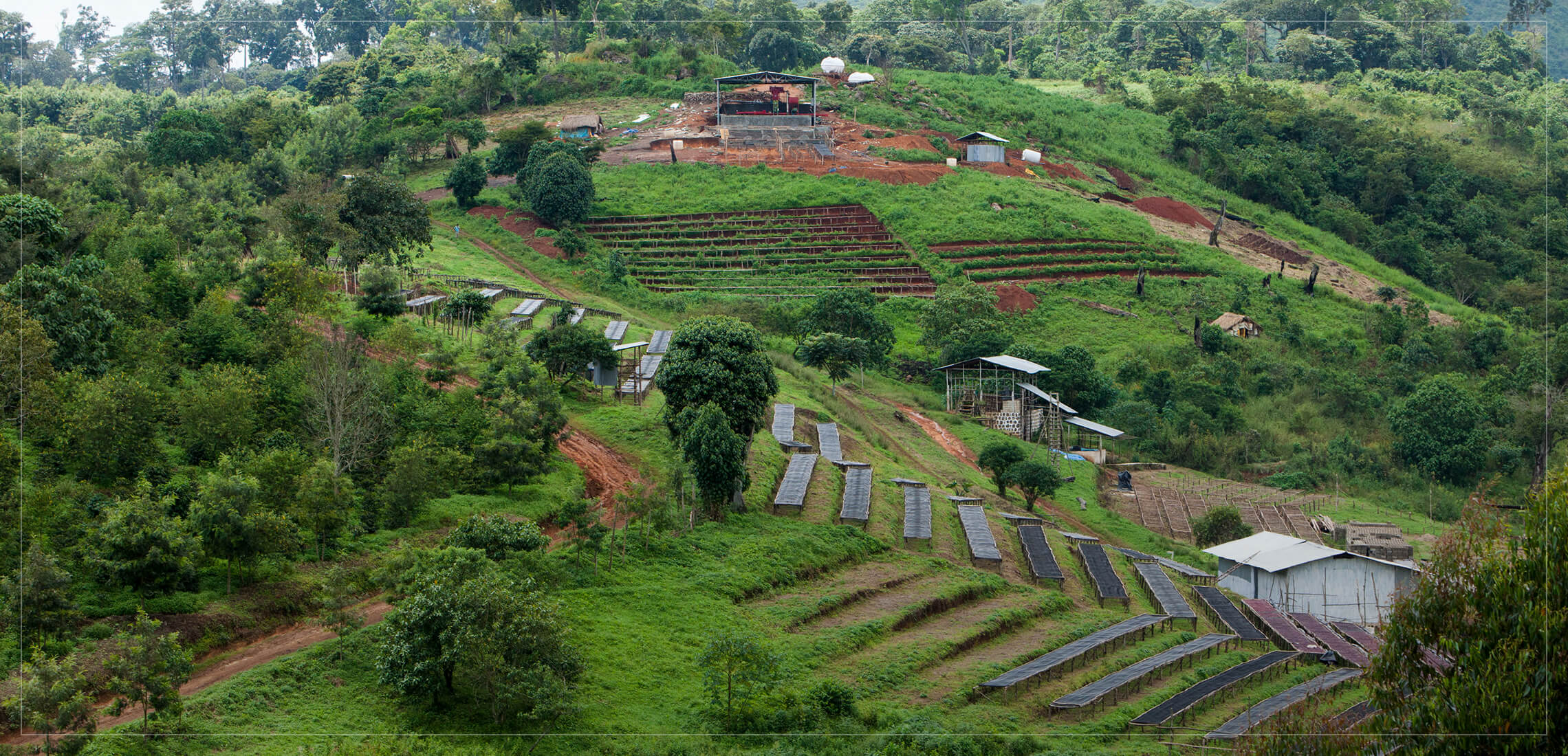
Geisha Village Coffee Estate is unlike most Ethiopian farms — not a smallholder plot but a large 500-hectare estate with its own washing station and laboratory. Located in the southwest near the Sudan border, its most distinctive feature is that the entire farm grows only Gesha varieties, not the untraceable Ethiopian heirloom varieties typical of the country. The estate is divided into 8 zones with 3 main Gesha varieties, all from seeds collected in the nearby forests.

Construction began in October 2011, with the first harvest in 2015. Riding a wave of enthusiasm — and with the help of Panama estate owner Willem Boot — they offered 21 micro-lots at their first international auction on May 31, 2017: 19 lots of 120kg each plus several smaller batches. Bidders from Europe, North America, Asia, and Australia responded with unexpected fervor, and the winning bid reached $85 USD per pound, breaking every previous African coffee auction record!
Gesha Village Coffee Varieties
Gesha Village grows three varieties, named after the expeditions that found them: Gesha1931, Gori Gesha, and Illubabor (supplied by the Ethiopian Coffee Research Center).

Gesha1931 was confirmed through plant morphology, bean shape and size, and cupping — it is the closest to the mother plant of Panama Gesha. The Gori Gesha variety was collected by the estate's owners in 2011 on their own expedition into the Gori Gesha wild coffee forest, 20 kilometers from the current farm, and no duplicate samples have been found anywhere else.
Gesha Village Red Label Gesha

Gesha Village's grades are: Auction, Gold Label, Red Label, Green Label, and CHAKA. The Red Label tier consists of fully traceable batches scoring above 88 in the SCA system and displaying the typical Gesha Village flavor signature. In cupping, FrontStreet Coffee found the Red Label shows the classic Gesha profile — complex fruit, honey, and florals — plus the bright acidity typical of African coffees, though its overall intensity and complexity sit slightly below the Gold Label lots. At FrontStreet Coffee's stores, you can taste this grade of Gesha for just 30 RMB — outstanding value for a single-origin of this pedigree.
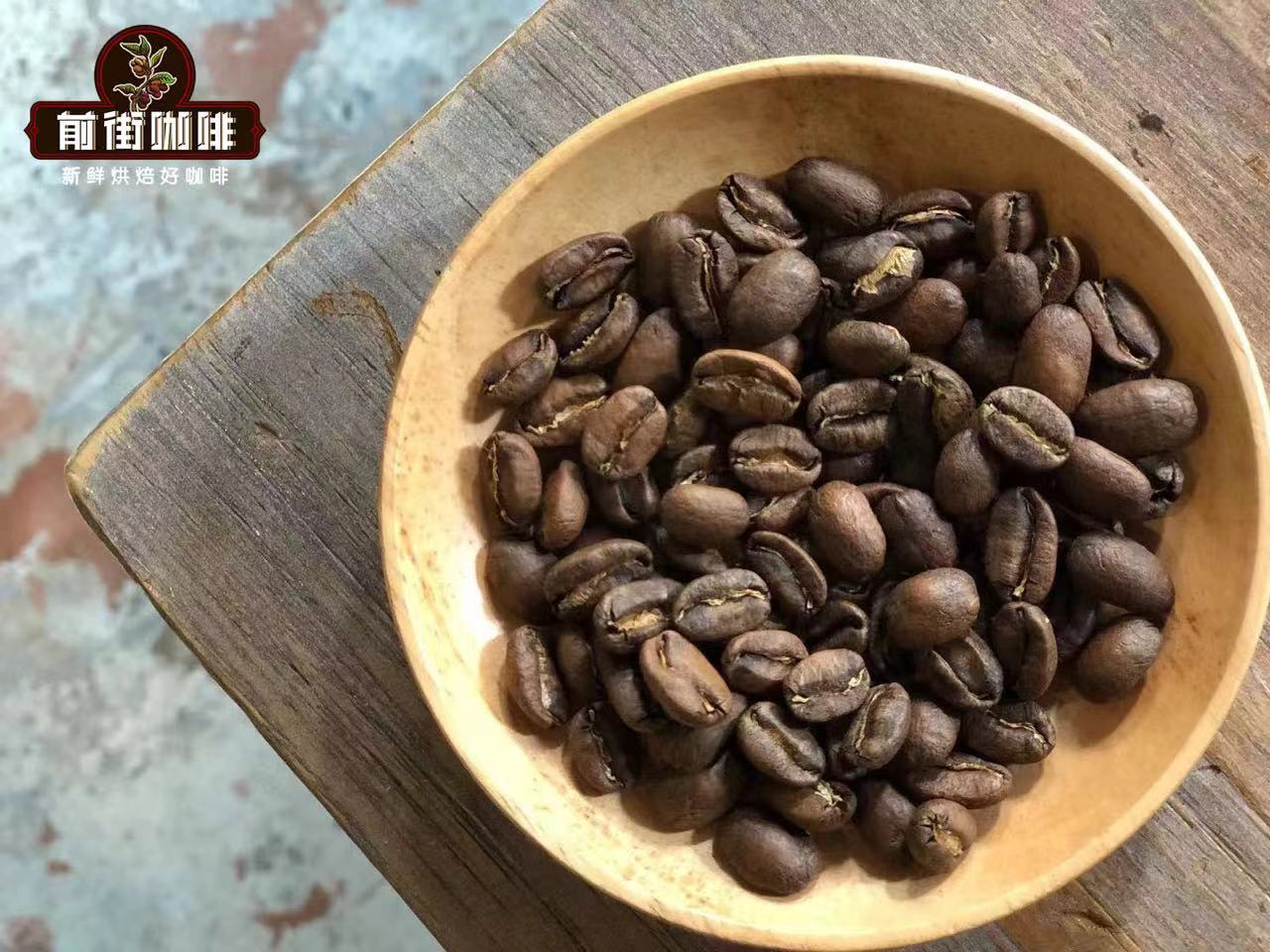
FrontStreet Coffee: Gesha Village Estate Red Label Coffee Beans
Region: Bench-Maji, Ethiopia
Estate: Gesha Village Estate
Altitude: 1909m - 2069m
Variety: Gori Gesha
Processing: Estate Fine Natural Processing
FrontStreet Coffee's Gesha Village lot uses natural processing. Floaters and impurities are removed first, then the cherries are dried in thin layers on African raised beds covered with plastic sheeting. During drying, additional screening removes insect-damaged and green-colored beans. Total drying time is 18-30 days. In our view, natural processing brings noticeable sweetness, soft acidity, and a complex fruit profile.
FrontStreet Coffee Roasting Analysis
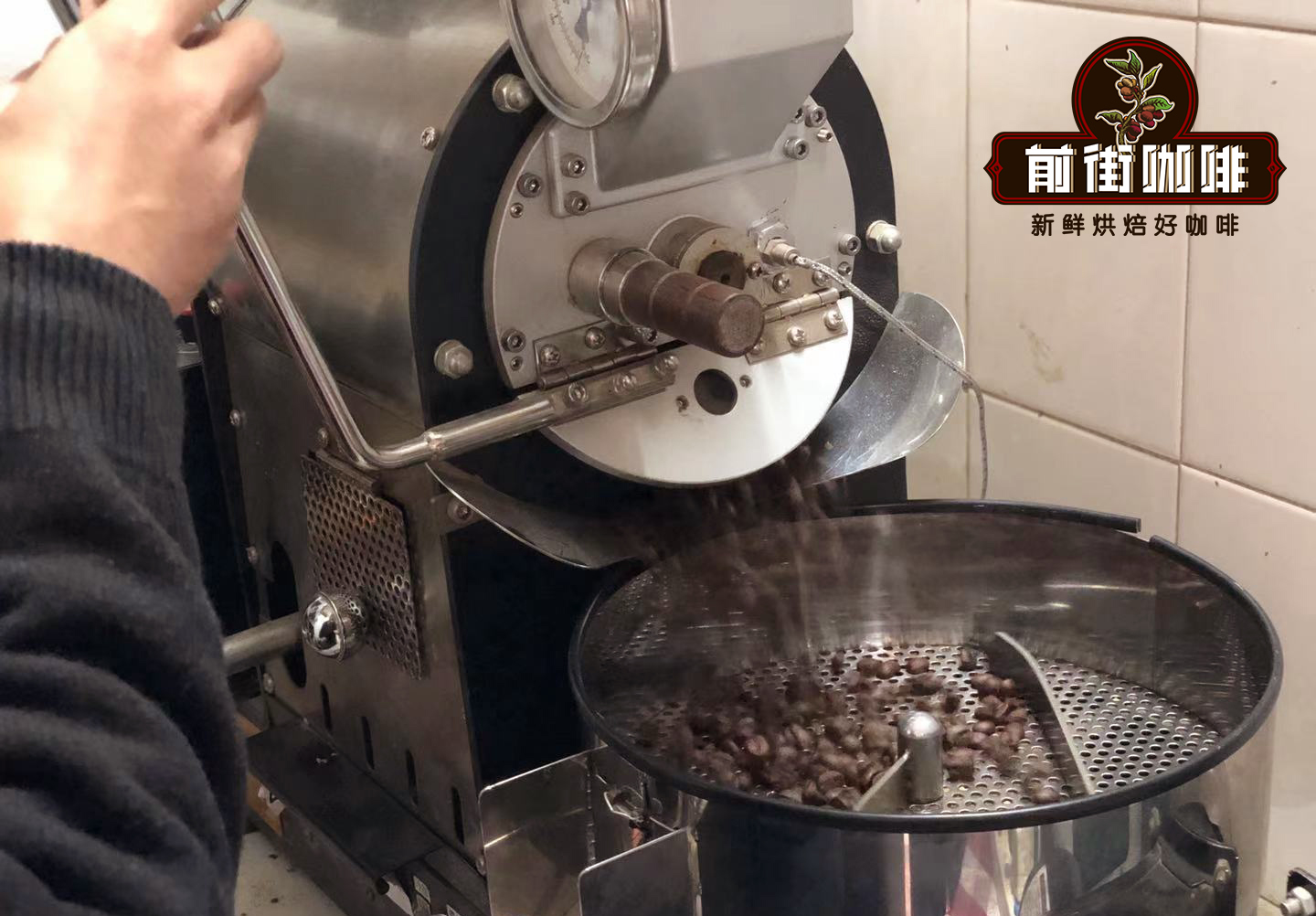
This batch comes from the 2020 harvest with high moisture content, so the drying stage is extended during roasting. The final roast level is medium-light, to highlight fruit sweetness.
Yangjia 800N, 500g batch: 175°C drum temperature, 130 flame power, damper setting 3; turning point at 1'36" with drum temperature at 92.8°C; at 3 minutes, open damper to 4 and raise flame to 140; when drum temperature reaches 152.6°C (6'26"), the bean surface yellows, the grassy aroma vanishes completely, and the drying stage ends — reduce flame to 100; at 8'20", the bean surface shows wrinkles and black spots as the toast aroma clearly turns to coffee aroma — the prelude to first crack, so listen carefully; at 9'55", first crack begins — open damper to 5, develop 1'30" after first crack, and discharge at 193.5°C.
FrontStreet Coffee Cupping Report
Brewing Parameters
Dose: 15 grams
Ratio: 1:15
Grind: Fine pour-over grind (78% pass-through rate on a #20 standard sieve)
Temperature: 90°C
FrontStreet Coffee Brewing Method
First rinse the filter paper and preheat the dripper and server. Pour 30g of water for a 30-second bloom, then pour in small circles to 125g in staged pours. When the water level drops and is about to expose the coffee bed, continue pouring in circles to 225g and stop. When the bed is about to show again, remove the dripper (timing starts from the bloom). Total extraction time is exactly 2 minutes.
FrontStreet Coffee Gesha Village Red Label Gesha Pour-Over Flavor Notes:
Citrus, cream, fermented notes, tea-like sensation, juice-like mouthfeel, plum, and outstanding cleanliness.
FrontStreet Coffee Recommendation
If this taste of Ethiopian Gesha leaves you wanting more, FrontStreet Coffee's Gesha Village Gold Label is the next rung up. Made from the Gesha1931 variety — just 10% of the estate's total production and the top coffee it offers outside auction — and finished with refined natural processing, it delivers complex, richly layered flavors whose dry fragrance, sip, and lingering finish all leave a lasting impression.
For an easier entry into the "Gesha flavor," try the entry-level Panama Boquete Gesha: genuine Panamanian Gesha character at a friendly price, with orange-honey aromatics, oolong-tea texture, and delicate fruit acidity in clearly separated layers. Or brew the Granana Estate Gesha from the border of Kochere and Genlana Abaya — hand-picked ripe cherries sun-dried on raised beds for 14-20 days, roasted medium-light to reveal bright citrus acidity, elegant ginger-flower aromas, and the full sweetness of mature fruit with Gesha's signature refined finish.
Important Notice :
FrontStreet Coffee is a long-established specialty coffee roaster in Guangzhou China, selling freshly roasted beans from its own farm in Yunnan as well as dozens of carefully selected single-origin beans from around the world for both pour-over and espresso. The products deliver consistently excellent quality and great value, with shipping within 24 hours. Guangzhou's FrontStreet Coffee shop is recommended by many coffee lovers, and the beans are now available online at the Tmall 。
FrontStreet Coffee has moved to a new address:
FrontStreet Coffee Address: 315,Donghua East Road,GuangZhou
Tel:020 38364473
 Scan and follow the En Gafei WeChat official account. Please indicate that the reprint comes from "En Gafei".