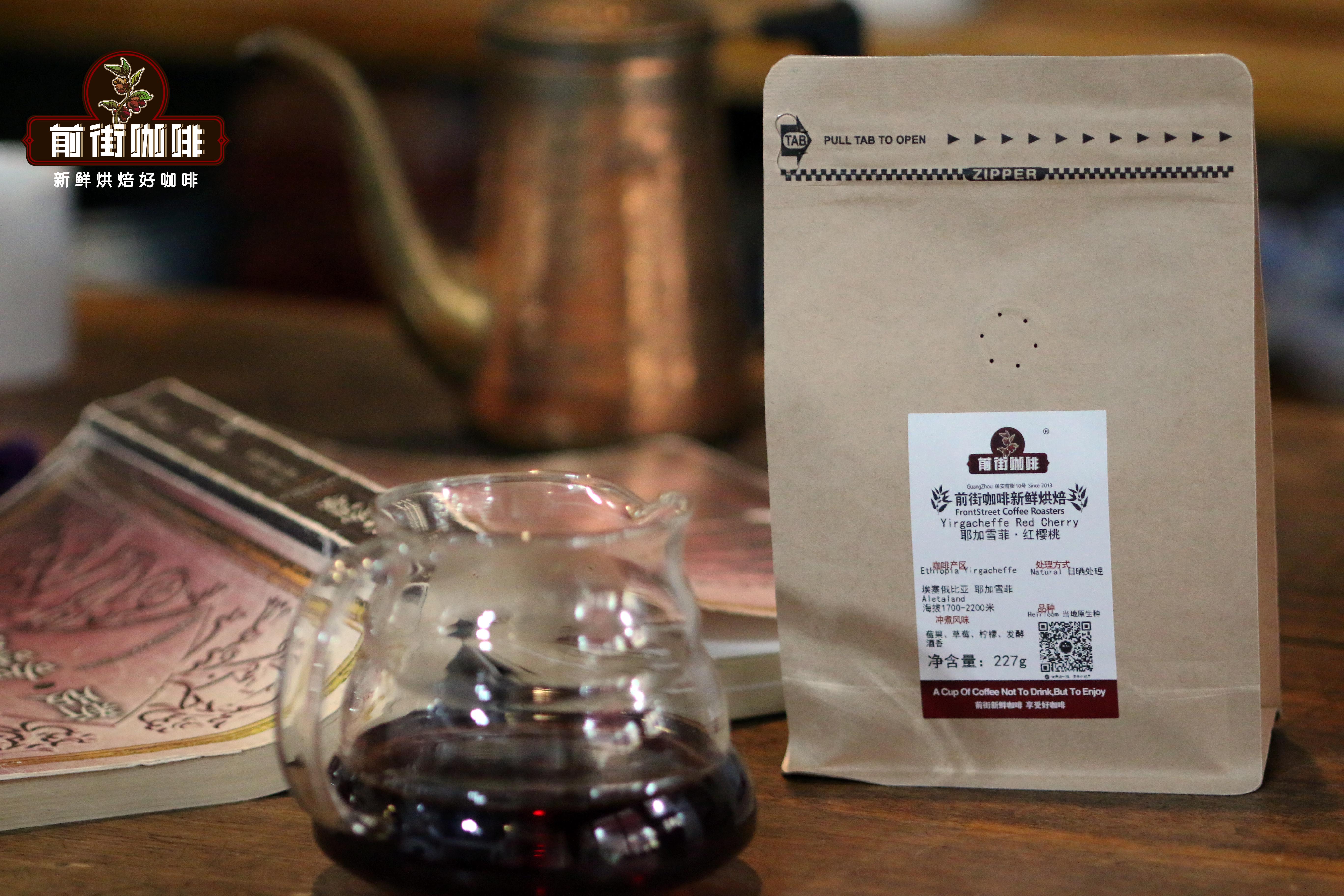
Flavor Profile and Pour-Over Brewing Guide for Washed Yirgacheffe Banko Gotiti Village G1 Coffee Beans
FrontStreet Coffee believes Yirgacheffe is a place blessed by heaven, with unparalleled climatic conditions that give coffee an exceptionally favorable growing environment. That is what allowed Yirgacheffe to be separated from the Sidamo region as an independent area, and its flavor profile is remarkably aromatic and delicate. Rather than calling it Yirgacheffe coffee, it would be more fitting to describe it as a floral and fruity tea.
When Yirgacheffe is mentioned, Ethiopia naturally comes to mind. Whether by destiny or coincidence, both humans and Arabica coffee trees originated in Ethiopia. Since Arabica is a self-pollinating plant, wild coffee trees have gone through generations of self-pollination in natural environments, becoming "pure line" trees in which all allelic genes are homogeneous. At the same time, thanks to occasional gene mutations and millions of years of biodiversity, the wild fields and jungles of Ethiopia nurture the genetic origin of coffee worldwide.
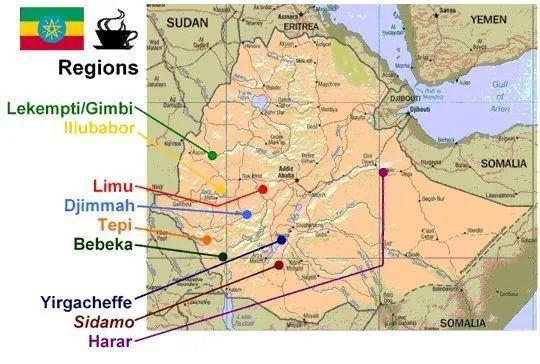
Ethiopian coffee beans are all named after their localities (because there are so many varieties - as far as we know, only the Gesha from Gesha Village is a single variety). Under ECX's regional classification system, Yirgacheffe is mainly divided into four producing areas: Wenago, Yirgacheffe, Kochere and Gelana Abaya.
Administratively, the Kochere producing area covers two woredas - Kochere in the west and Gedeb in the east. In recent years Gedeb has often been established independently as a micro-producing region, and the Gotiti Cooperative sits precisely in the Woka area within Gedeb, at the southern end of Yirgacheffe.
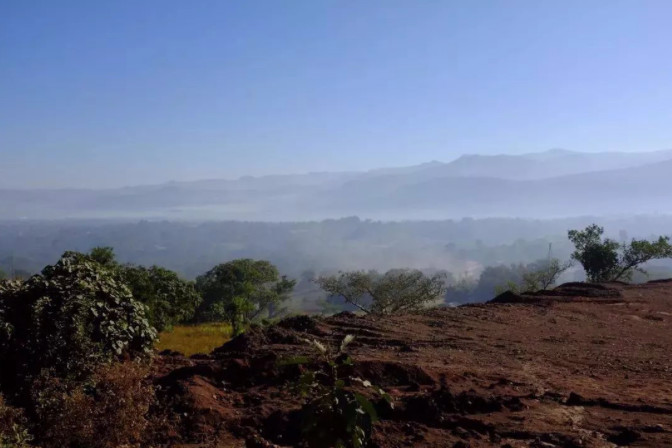
Gotiti Cooperative
The Gotiti Cooperative, in the Woka producing area at the southeastern end of Yirgacheffe, was originally part of the Woka Cooperative under the Yirgacheffe Coffee Farmers Cooperative Union (YCFCU). Later, as people pursued traceability of raw coffee, "single origins" were gradually discovered one by one by coffee hunters around the world.
In 2012, Gotiti, with about 300 member farmers, independently established the "Gotiti Cooperative." Gotiti village was one of the earliest village areas to be separated independently, and many smallholder members originally belonged to the Woka Cooperative, so their coffee production skills are unquestionable.
The Gotiti Cooperative is known as the last pure land of Yirgacheffe, and it uses very traditional methods for raw bean processing (washed and natural).
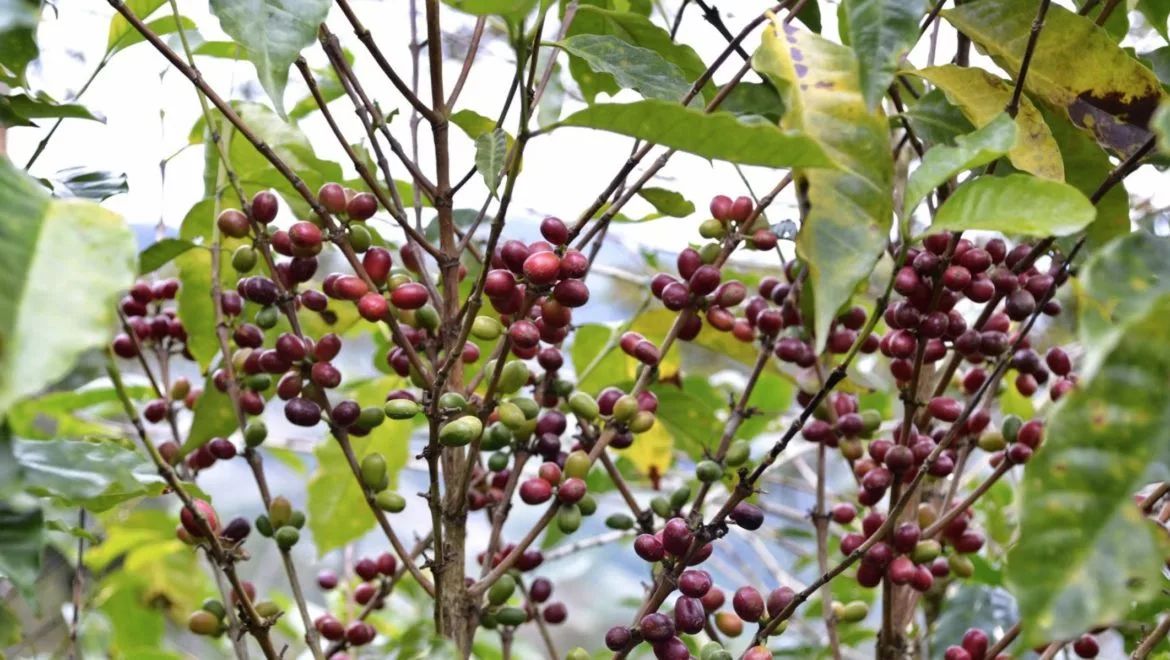
Ethiopian Heirloom Varieties
Getu Bekele, East African Supply Chain Manager at Counter Culture Coffee in the United States, is dedicated to establishing an index of Ethiopian coffee varieties. He states that in Ethiopia the term "heirloom" emerged after the specialty coffee movement began.
At that time, specialty coffee buyers who could not distinguish Typica from Bourbon collectively called all these unknown varieties "heirloom."
Getu notes, however, that Ethiopian coffee producers use different names to distinguish different coffee trees. They usually do not use globally recognized scientific names but local terms, sometimes borrowing certain characteristics of native coffee trees to name specific varieties.
Medina Hussein, Export Department Manager at the coffee exporter DW Coffee and also an Ethiopian coffee supplier, states that specialty coffee buyers differentiate Ethiopian coffees by region, altitude and cupping score, rather than by variety.
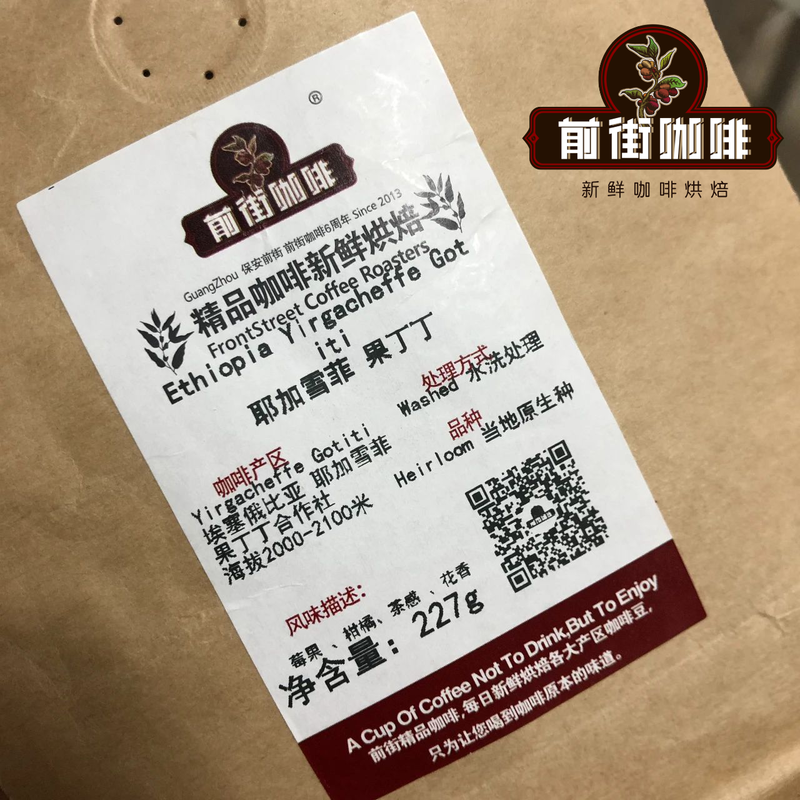
FrontStreet Coffee Yirgacheffe Gotiti Coffee Beans
Ethiopia Yirgacheffe Banko Gotiti
Yirgacheffe Gotiti
Country: Ethiopia
Region: Yirgacheffe, Gedeo Zone
Altitude: 1900-2300m
Variety: Heirloom
Processing: Washed
Grade: G1
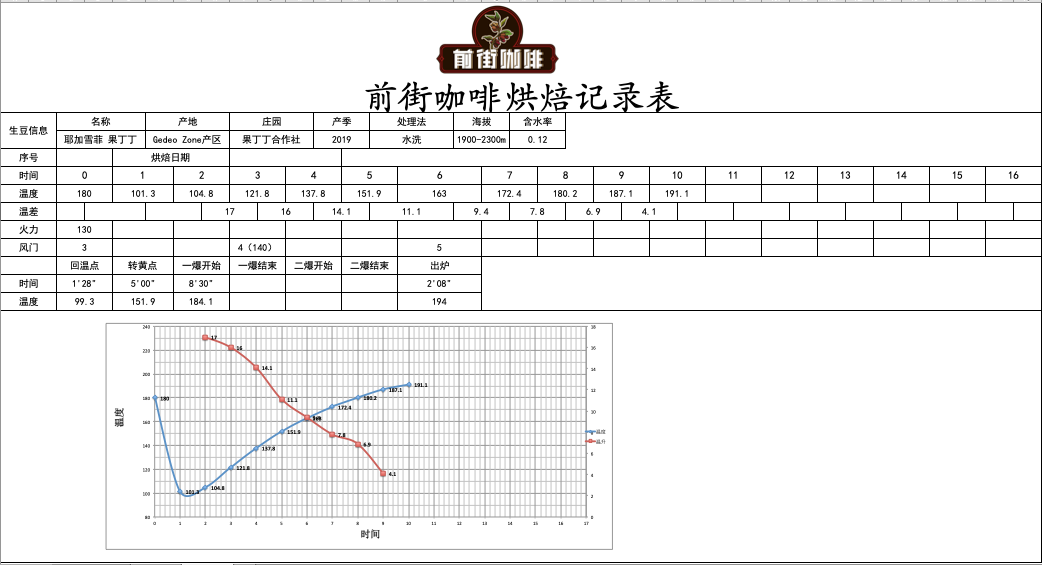
Roasting Suggestions
These Gotiti beans are well suited to light to medium roasting, which highlights Gotiti's clean taste, bright fruit acidity and noticeable sweet aftertaste.
Machine: Yangjia 800N roaster
Charge temperature: 180°C | Yellowing point: 5'00", 149.9°C | First crack: 8'42", 183.8°C | Development after first crack: 1'48", discharge at 193.5°C.
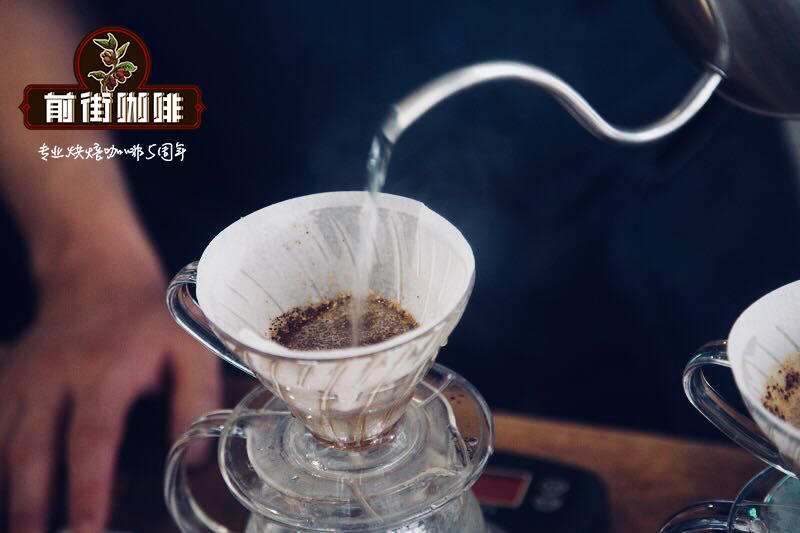
[FrontStreet Coffee Brewing] Demonstration
Dripper: Hario V60
Water temperature: 90°C
Coffee-to-water ratio: 1:15
Grind size: BG#6S
Brewing Suggestions
30g bloom for 30 seconds, 30g - 125g - 225g
Use 30g of water for a 40-second bloom (because these beans were relatively fresh with more gas, the bloom was slightly extended). Pour in circles with a small stream to 124g, then segment. When the water level drops and is about to expose the coffee bed, continue pouring to 228g and stop. When the water level again drops to nearly exposing the bed, remove the dripper. (Timing starts from the beginning of the bloom.) Extraction time is 2'00".

Flavor Description
The first sip reveals citrus and black tea notes. As the temperature changes, cream, caramel and almond emerge in the aftertaste, with a noticeable sweet finish and a clean, sweet mouthfeel.
FrontStreet Coffee Recommendation
Because this article centers on the Gotiti Cooperative, FrontStreet Coffee's own washed Yirgacheffe Gotiti cooperative beans are the natural cup to recommend. Located in the Woka area at Yirgacheffe's southeastern edge, the cooperative grew out of the Woka Cooperative under the YCFCU and became independent in 2012 with about 300 member farmers, and it is processed with the traditional washed method that earned it the name "the last pure land of Yirgacheffe." The result is exactly what this article describes: clean, bright citrus and lemon acidity with jasmine fragrance and no bitterness. Brew it at the 90°C, 1:15, BG#6S parameters above to taste the citrus, black tea and cream-caramel layers for yourself.
Important Notice :
FrontStreet Coffee is a long-established specialty coffee roaster in Guangzhou China, selling freshly roasted beans from its own farm in Yunnan as well as dozens of carefully selected single-origin beans from around the world for both pour-over and espresso. The products deliver consistently excellent quality and great value, with shipping within 24 hours. Guangzhou's FrontStreet Coffee shop is recommended by many coffee lovers, and the beans are now available online at the Tmall 。
FrontStreet Coffee has moved to a new address:
FrontStreet Coffee Address: 315,Donghua East Road,GuangZhou
Tel:020 38364473
 Scan and follow the En Gafei WeChat official account. Please indicate that the reprint comes from "En Gafei".