Are Ethiopian Coffee Beans Light Roasted? Flavor Characteristics, Story, and Origin of Yirgacheffe Banko Gutiti Coffee Beans
Ethiopian coffee is best known for its fruity acidity, but Ethiopia is a large country, and its sub-regions differ from one another. Among FrontStreet Coffee's everyday beans is a washed Yirgacheffe that captures the essential flavor of Ethiopia's signature region at a great value: clear, bright citrus and lemon acidity with delicate, elegant floral and fruit aromas.
Subdivide Yirgacheffe further, though, and each small zone and cooperative reveals its own character. Today FrontStreet Coffee introduces a lot from the Yirgacheffe Gedeb Cooperative: beyond the classic Yirgacheffe profile, it carries a distinct tea-like quality — it drinks almost exactly like lemon tea.
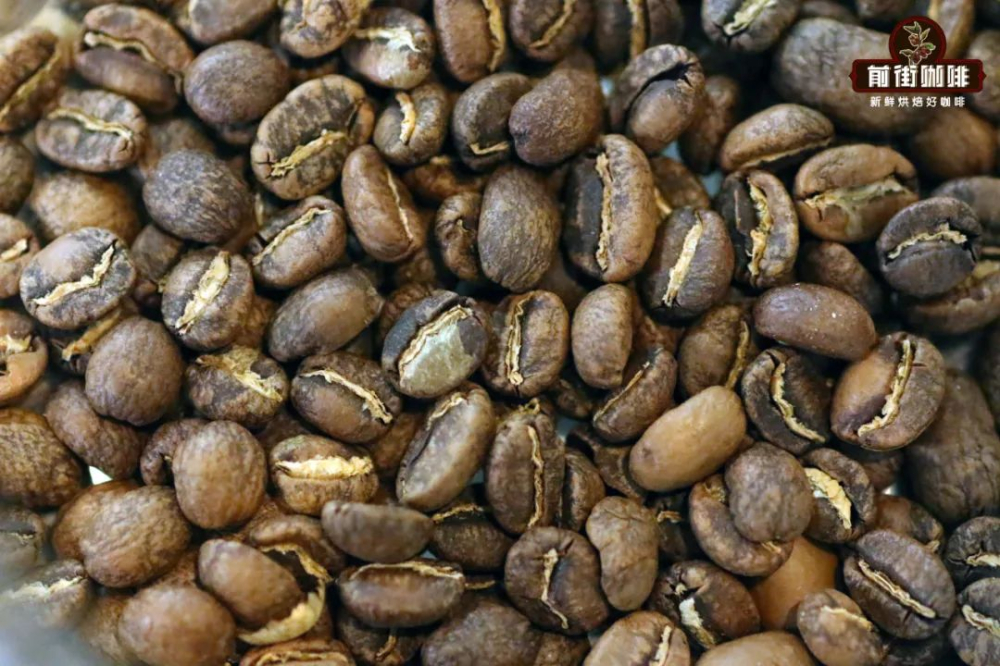
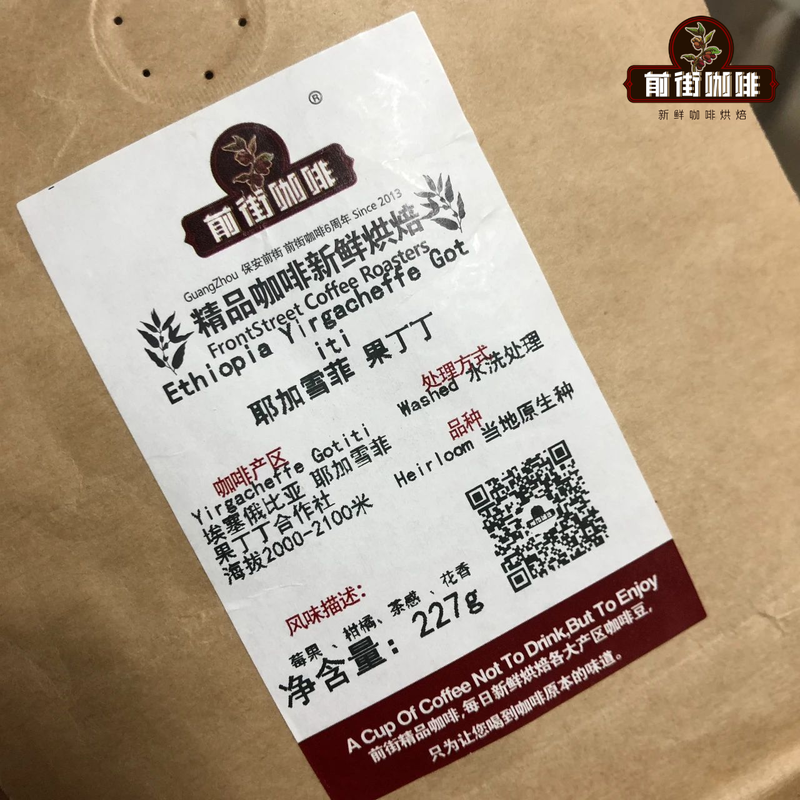
FrontStreet Coffee · Ethiopia Yirgacheffe Gedeb Cooperative Coffee Bean
Region: Yirgacheffe, Gedeo Zone
Altitude: 1900–2300m
Variety: Heirloom
Processing: Washed
Grade: G1
Flavor: Citrus, Green Tea, Floral, Honey
Yirgacheffe Coffee Region
Yirgacheffe has always ranked among Ethiopia's most important coffee regions. It was once part of the Sidamo region but became independent thanks to the unique flavor of its beans — so much so that "Yirgacheffe" now describes not just a place but a whole flavor category. It is a high-altitude region, sitting at around 2,000 meters, with more than 40 cooperatives organizing coffee cultivation largely through family farms.
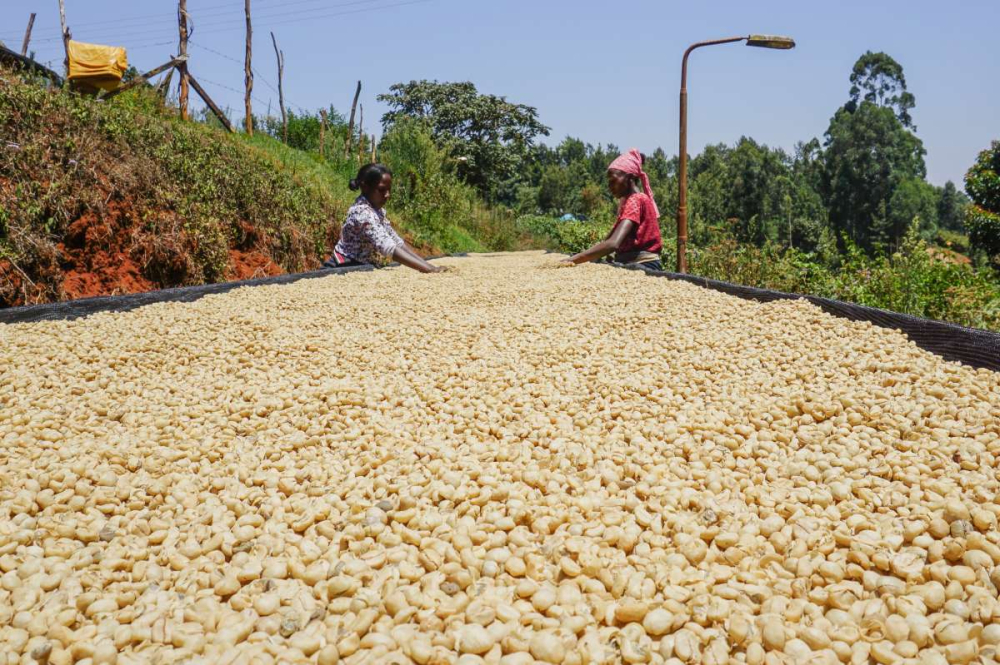
Within Yirgacheffe lie many celebrated micro-regions — Kochere, Fog Valley, Worka, and others — each home to excellent cooperatives whose beans carry their own distinctive flavor signatures.
Gedeb Cooperative
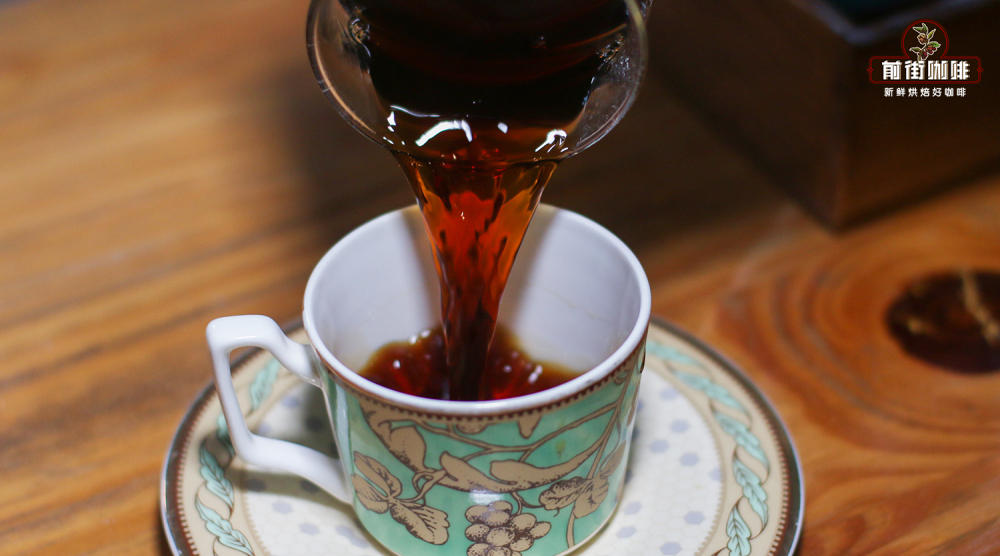
Gedeb was originally a member of the Worka Cooperative but later caught the attention of green-bean traders and broke away as the independent Gedeb Cooperative. The quality of its coffee is exceptional: in FrontStreet's Gedeb you can clearly perceive rich jasmine florals, elegant citrus acidity, and honey-sweet tea notes.
Coffee Grade
The FrontStreet Yirgacheffe variety is a local heirloom, small-grained type — quite round in appearance and very small, mostly between 14–15 mesh. The ECX (Ethiopian Commodity Exchange, established in 2012) grades Ethiopian beans on two main criteria.
The first is defect rate. Whether washed or natural, exported green beans with fewer than 3 defective beans per 300 g earn grade G1; with 4–12 defects per 300 g, grade G2. The Gedeb lot FrontStreet Coffee acquired is G1.
Coffee Varieties
Ethiopia is the birthplace of Arabica coffee, which is why thousands of varieties grow here. Because the trees are all native, they carry strikingly distinct regional flavors — so many, in fact, that Ethiopia simply groups them under the umbrella term "Heirloom."
Roasting Suggestions
Since this Gedeb's character is built on fruity acidity, FrontStreet Coffee finds it well suited to light roasting, which highlights the clean cup, bright fruit acidity, and clear sweet finish.
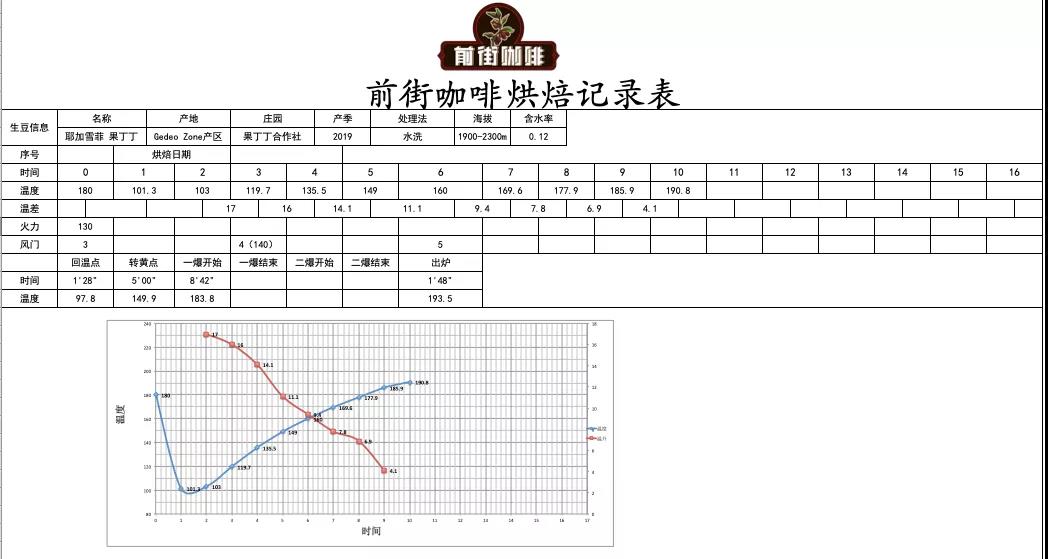
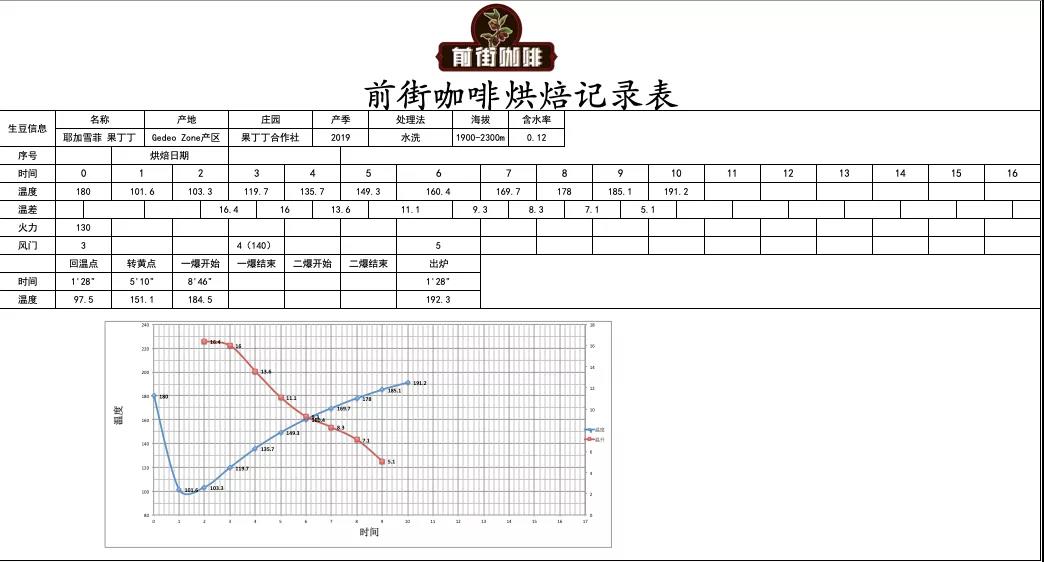
With the roasting direction set, FrontStreet developed three different roasting curves and selected the one with the best, most stable flavor for mass production.
Roasting machine: Yangjia 800N, 550g green beans
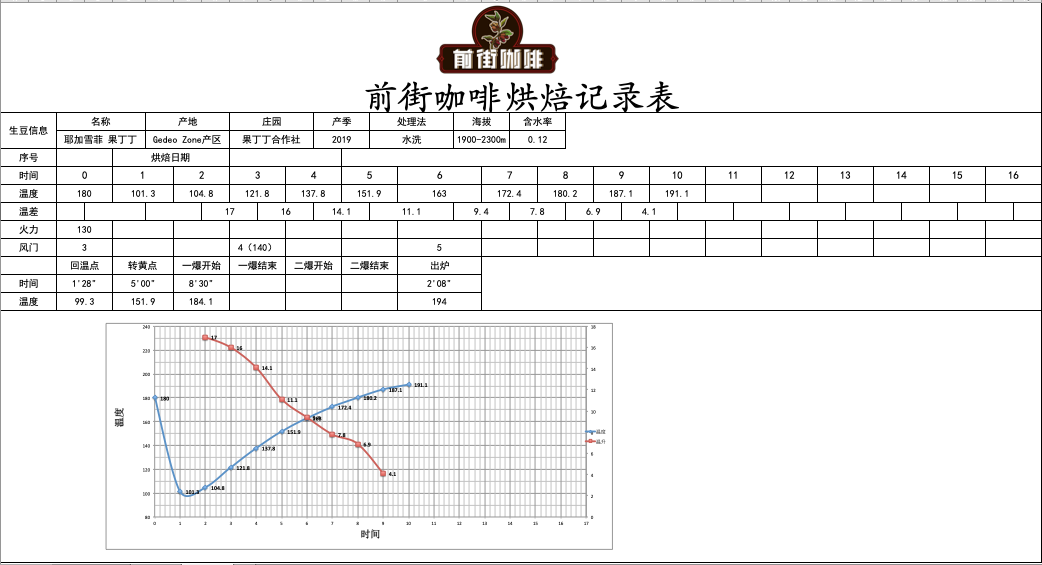
Curve 1
Bean entry temperature: 180°C; yellowing point: 5'00", 151.9°C; first crack: 8'30", 184.1°C; development after first crack: 2'08"; discharged at 194°C.
Curve 2
Bean entry temperature: 180°C; yellowing point: 5'00", 149.9°C; first crack: 8'42", 183.8°C; development after first crack: 1'48"; discharged at 193.5°C.
Curve 3
Bean entry temperature: 180°C; yellowing point: 5'10", 151.1°C; first crack: 8'46", 184.5°C; development after first crack: 1'28"; discharged at 192.3°C.
Cupping Flavors
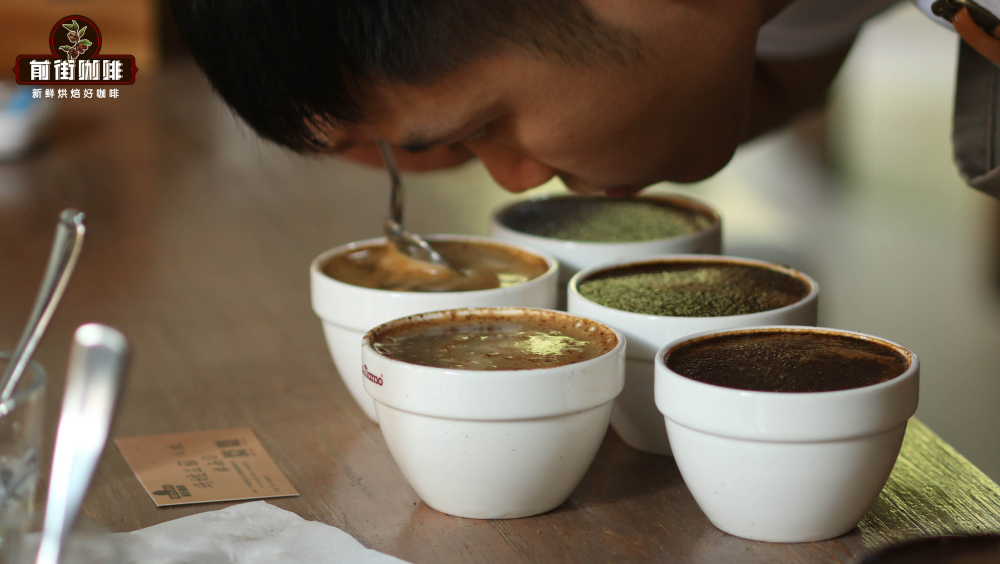
Curve 1
Dry aroma: Citrus, honey
Wet aroma: Floral, caramel
Entry: Smoky, citrus; floral, caramel, and honey notes emerge as the cup cools during slurping, with a creamy aftertaste
Curve 2
Dry aroma: Citrus, lemon
Wet aroma: Floral, berry, caramel
Entry: Citrus, cream; berry, black tea, and caramel sweetness unfold as the temperature changes, with a citrus finish
Curve 3
Dry aroma: Citrus, caramel
Wet aroma: Caramel, light floral
Entry: Woody, citrus; caramel and cream notes appear as the cup cools, with astringency in the finish
Brewing Suggestions
After cupping, FrontStreet Coffee was essentially decided on Curve 2 — but testing wasn't over. Because the cupping took place just 8 hours after roasting, the beans were still very fresh and needed another three or four days of rest to release most of their internal gas before brewing.
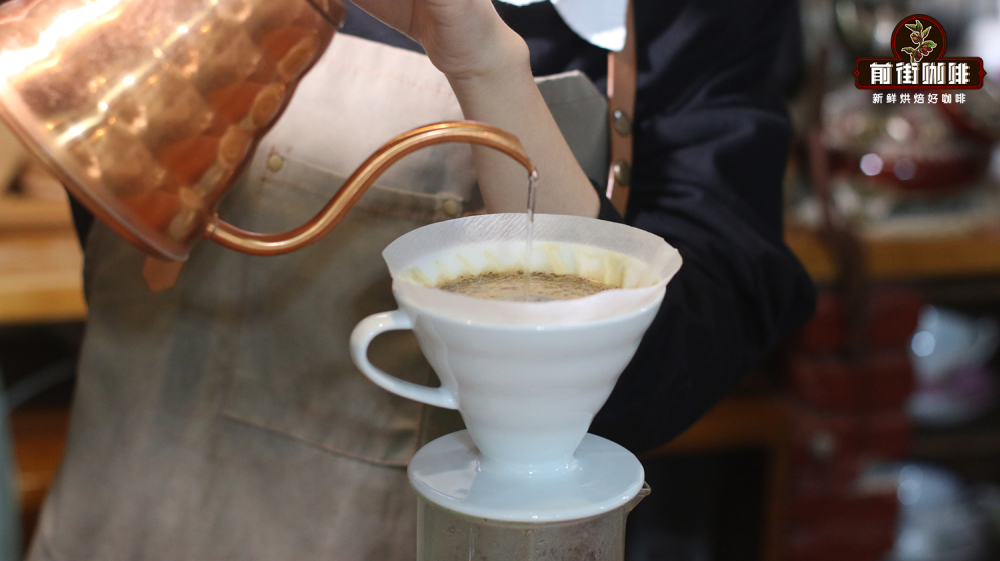
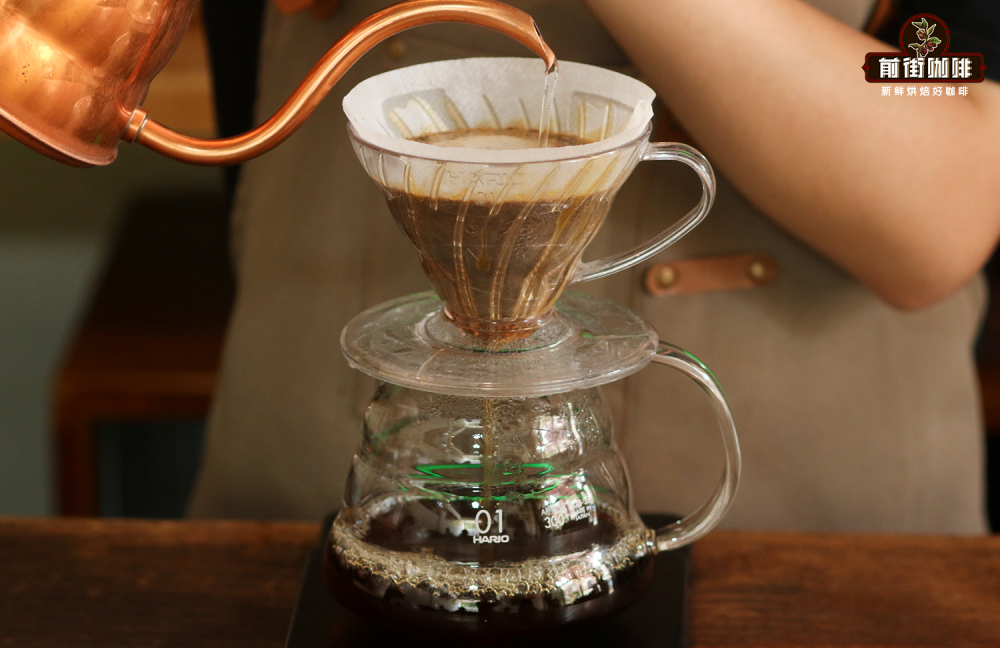
To fully extract Gedeb's fruity acidity, FrontStreet uses a higher water temperature and finer grind — but to avoid over-extraction at high heat, it pairs them with a fast-flow dripper like the V60.
The V60's 60-degree cone concentrates the grounds, so the pour naturally converges toward the center, ensuring sufficient contact between water and coffee for proper extraction. The spiral ribs inside run clockwise from bottom to top, creating space between filter paper and dripper wall for good flow; combined with the large bottom hole, the V60 drains faster than most other drippers.

FrontStreet's specific parameters: V60 dripper, water at 91°C, 1:15 ratio, 15 g dose, grind at fine granulated sugar (80% pass-through on the China #20 standard sieve).
Brewing is segmented: bloom with 30 g of water (twice the dose) for 30 seconds, then pour in small circles to 125 g and pause; when the level drops and the bed is about to be exposed, pour to 225 g and stop. Total extraction time: 2 minutes.
Flavor Description
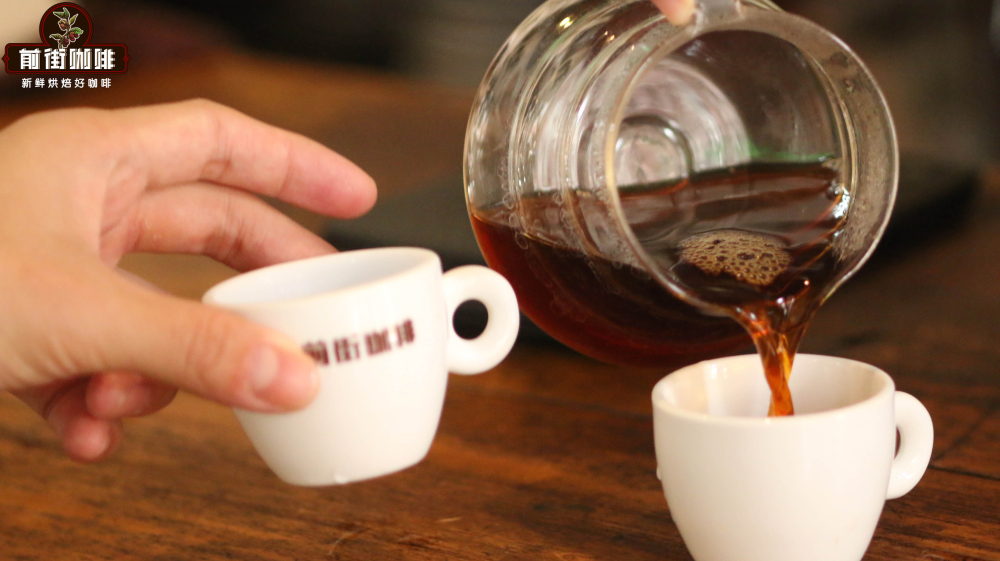
The entry shows citrus and black tea, with cream and caramel emerging as the cup cools, an almond aftertaste, and a clean, clearly sweet finish.
Flavor Changes of FrontStreet Coffee Yirgacheffe Gedeb at Different Temperatures
We mentioned brewing Gedeb with higher water temperature to pull out as much fruity acidity as possible. Customers sometimes ask: what temperature is right? Per SCA (Specialty Coffee Association) brewing recommendations, water should sit between 85–94°C — light roasts brew best at 90–94°C, dark roasts at 85–89°C.
To make temperature's impact tangible, FrontStreet brewed the same Gedeb with four different water temperatures to compare the results.
Brewing parameters (kept as consistent as possible): V60 dripper, 15 g of coffee, 1:15 ratio, grind at EK43s setting 10 (80% pass-through on the China #20 standard sieve)
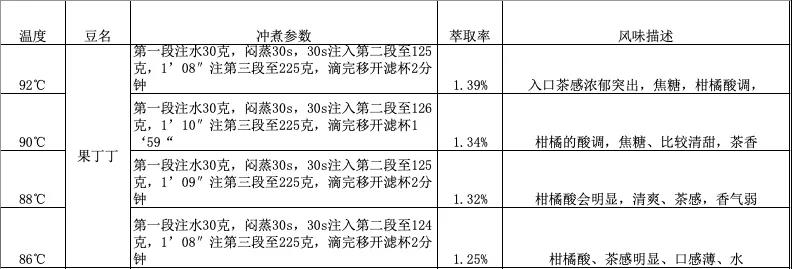
The data show this light-roasted Gedeb is best brewed at 90–92°C, which presents its fruit acidity and sweetness in full. At 86–88°C the acidity turns prominent but aroma fades, and the mouthfeel thins out and waters down.
Light roasts preserve more of a coffee's original character: florals and fruit acidity are rich and prominent, the flavors more layered. A slightly higher water temperature brings out the best of this Yirgacheffe Gedeb.
FrontStreet Coffee Recommendation
Yirgacheffe is a small town in Ethiopia's southern Sidamo region at roughly 1,700–2,100 meters, with coffee planted above 1,800 meters — among the highest growing zones in the world. Its unmistakable white florals and lemon-citrus acidity made the name so famous that the Ethiopian Commodities Exchange split it from Sidamo in 2010. Local farmers' small harvests flow into cooperatives with their own washing stations, and FrontStreet's Worka-area cooperative lot — a G1, classic washed — shows jasmine florals, bright citrus, orange, and green tea.
For a natural-processed alternative, FrontStreet's Red Cherry lot uses only fully ripe, defect-free cherries, screened at the mill and sun-dried on raised beds, turned every 2–3 hours for the first few days, then dried for three to five weeks before hulling — yielding citrus acidity, berry-juice juiciness, honeyed sweetness, and cream-smooth body.
However you brew it, the V60 remains the ideal companion for these florals and acids: bloom with 30 g of water for 30 seconds, pour to about 125 g on the scale within a minute, then finish with 100 g (to about 225 g) by 1:35, draining complete around 2:00–2:10 — a bright, transparent, tea-like cup every time.
Important Notice :
FrontStreet Coffee is a long-established specialty coffee roaster in Guangzhou China, selling freshly roasted beans from its own farm in Yunnan as well as dozens of carefully selected single-origin beans from around the world for both pour-over and espresso. The products deliver consistently excellent quality and great value, with shipping within 24 hours. Guangzhou's FrontStreet Coffee shop is recommended by many coffee lovers, and the beans are now available online at the Tmall 。
FrontStreet Coffee has moved to a new address:
FrontStreet Coffee Address: 315,Donghua East Road,GuangZhou
Tel:020 38364473
 Scan and follow the En Gafei WeChat official account. Please indicate that the reprint comes from "En Gafei".