What are the characteristics of the Caturra coffee variety and what advantages does growing Caturra offer?
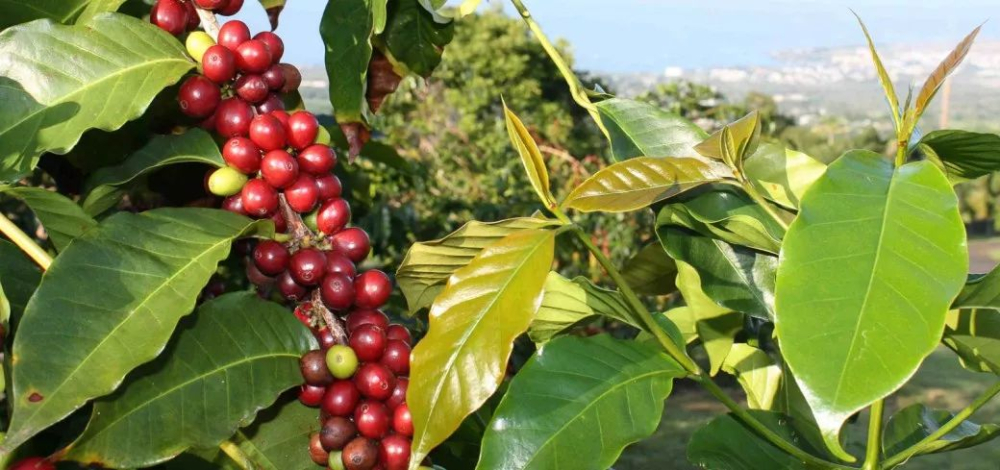
Caturra is one of the varieties within the Arabica branch, descended from the ancient Bourbon variety. Because of its high yield and excellent flavor, it is now widely cultivated across Central and South America. Among FrontStreet Coffee's extensive bean selection, varieties such as Guatemala's Flor de Café, Honduras's Lychee Orchid, Colombia's Rose Valley and Panama's Butterfly all contain Caturra.
Discovery and Origins
Caturra was first discovered between 1915 and 1918 on a plantation in Minas Gerais, Brazil, where a group of Bourbon trees underwent a genetic mutation that made the plant structure smaller, much like dwarfism. This new coffee, expressed in a new biological form, was called "Caturra" by the locals in Guarani, meaning "small." It is sometimes also referred to as "Nanico."
Cultivation Characteristics
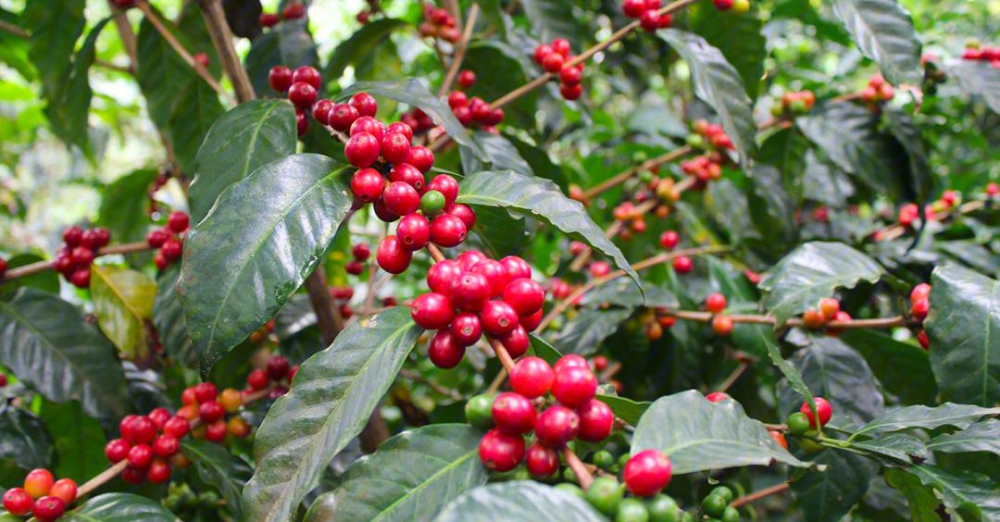
Because Caturra can be planted intensively in compact formations, growers find it very convenient to manage and harvest. Unlike other fragile Arabica varieties that need shade trees, Caturra tolerates direct sunlight and is not afraid of prolonged sun exposure, earning it the nickname "Sun Coffee." It has strong adaptability and can be grown at altitudes from 700 to 1700 meters. The higher the altitude, the better the flavor but the lower the yield. Caturra performs best in regions at 1200-2000 meters with annual precipitation of 2500-3500ml, which ensures both quality and yield. In terms of flavor, Caturra has bright acidity and a mouthful of fruit flavors, and after a medium-dark roast it shows chocolate and nutty sweetness, making it a frequent champion in many coffee competitions.
Disadvantages
Caturra has its drawbacks too. Under high-density planting, high-yield plants are easily overwhelmed, and to keep producing cherries, growers must invest more in fertilizer and management. Caturra's disease resistance is also relatively weak, with low resistance to nematodes and coffee leaf rust, which leaves it susceptible to disease and dieback.
Variety Classifications
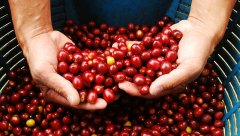
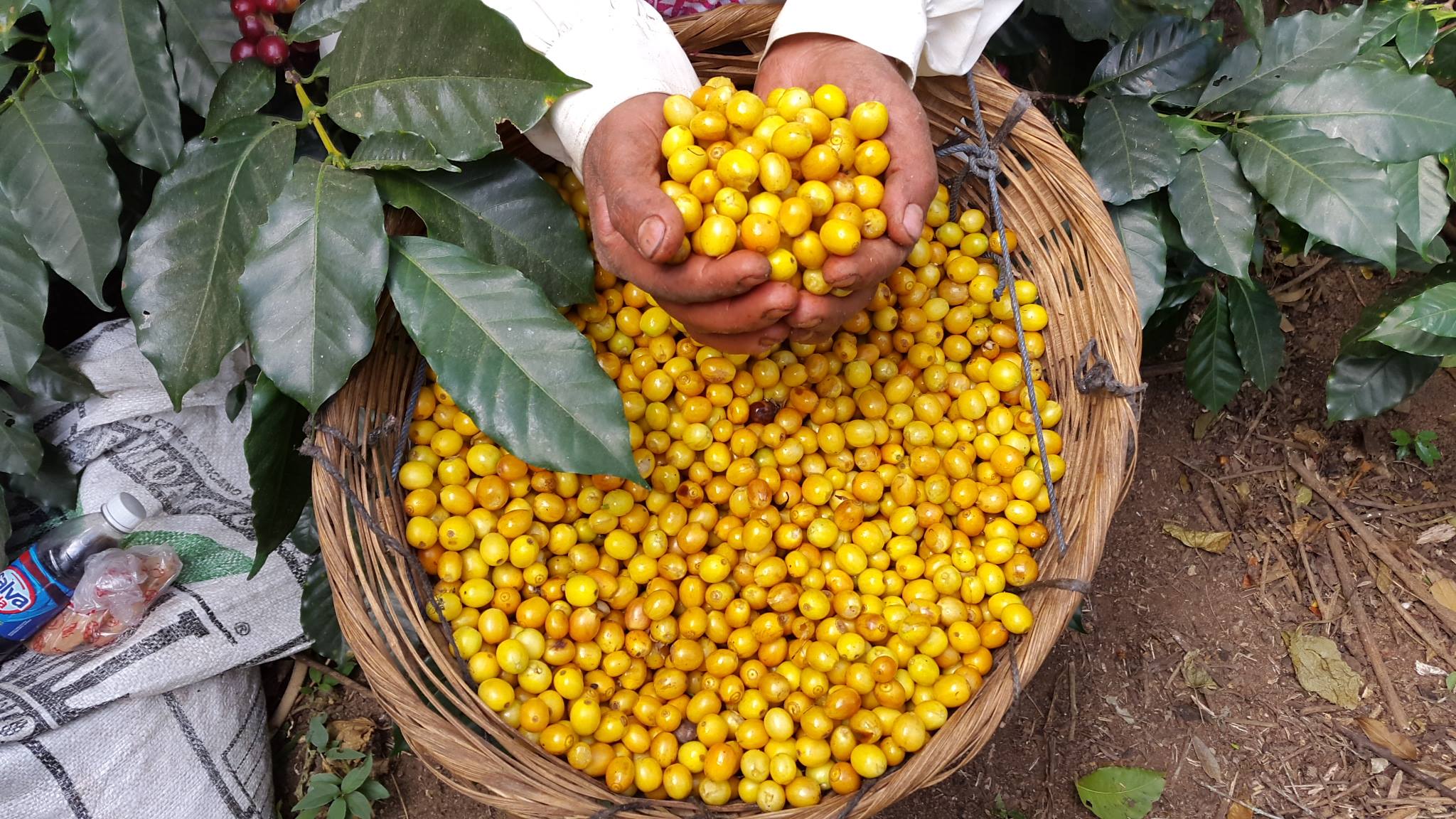
By fruit color, Caturra can be divided into red, yellow and purple types. Red Caturra (Caturra Velmelho) is the most common, with flavors that vary greatly with origin, processing and roasting. Yellow Caturra (Caturra Amarello) and Purple Caturra are relatively rare, arising from recessive gene mutations.
If you want to understand this variety's flavor, FrontStreet Coffee recommends its Colombian Huilan staple bean, which uses the naturally washed red Caturra variety. The washed Huilan bean has both a soft acidity and an appropriate body with a sweet aftertaste. FrontStreet Coffee aims to present the classic Colombian nutty notes while preserving some acidity, and therefore chooses a medium-dark roast. Before releasing any coffee bean, FrontStreet Coffee conducts at least one cupping evaluation, since cupping lets the team reflect on a coffee's strengths and weaknesses more objectively.
Brewing Recommendations
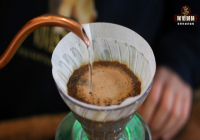
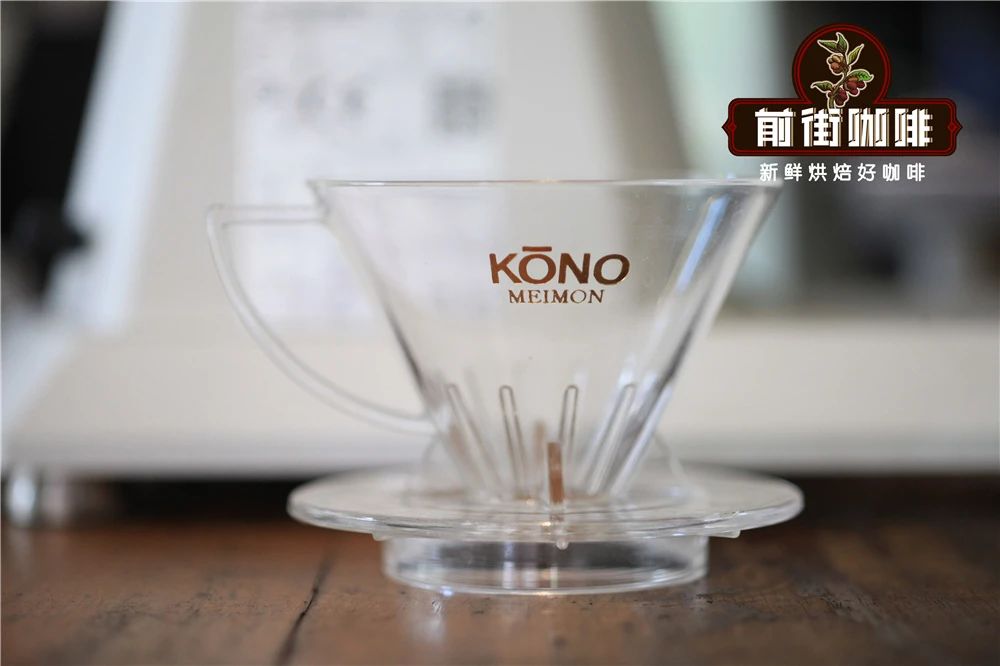
Because the Huilan staple bean uses a medium-dark roast with flavors leaning toward rich, thick notes of nuts and chocolate, and because the darker roast makes the bean texture more porous and the grounds more absorbent, a medium grind is chosen. To avoid extracting too many undesirable flavors, FrontStreet Coffee slightly lowers the water temperature, using a medium 90°C with a KONO dripper for extraction.
Unlike the V60 dripper, the KONO dripper's only ventilation points are its quarter ribs. When the water level passes the rib area, the water in the dripper keeps rising and pressure increases through the weight of the water. Because the outlet is relatively small, the contact time between coffee particles and water is extended, and as water flows in it more effectively brings out soluble substances, thereby enhancing the coffee's rich, thick mouthfeel.
Brewing Parameters
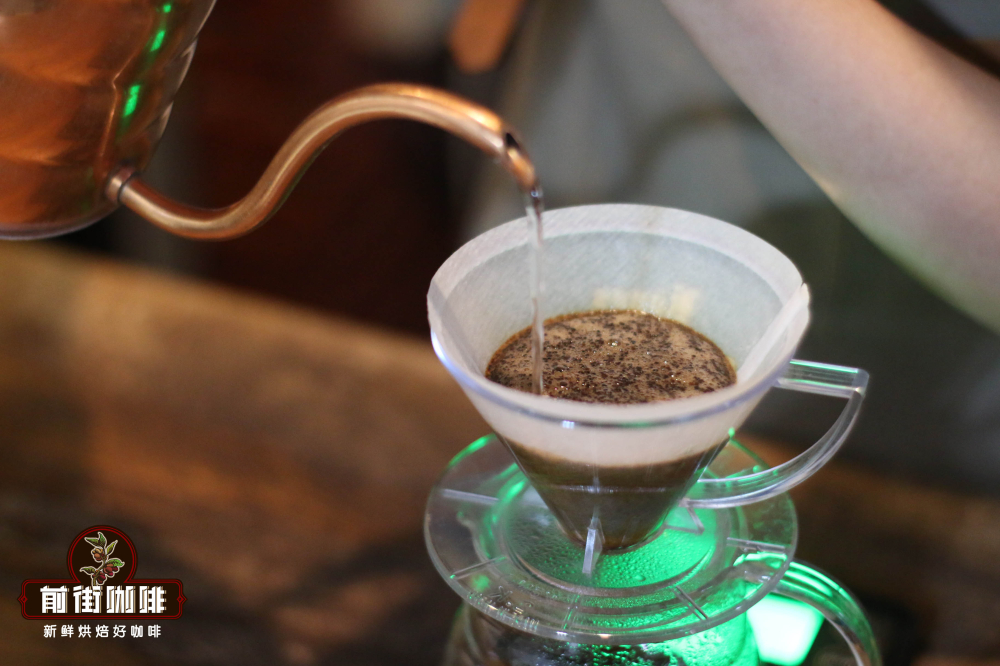
KONO dripper, 90°C water temperature, a grind of 75% passing the No. 20 standard sieve, a 1:15 coffee-to-water ratio, 15g of coffee grounds, three-stage extraction.
Pour the coffee grounds into the KONO dripper, use twice the weight of the grounds in water to moisten the coffee bed, forming a dome, and let it bloom for 30 seconds. Then use a small stream to pour in a circular motion from inside to outside until it reaches 125g for the first stage. Wait for the coffee bed to drop to half the dripper's height, then continue with the same fine stream for the third stage to 225g. Remove the dripper after all the coffee liquid has filtered through, taking about 2 minutes in total.
Tasting Notes
This Colombian Huilan staple bean enters the mouth with distinct roasted aromas of chocolate, nuts and caramel. It is smooth and sweet with a moderate body and a clean mouthfeel. As the temperature drops, you can experience a pleasant soft acidity.
FrontStreet Coffee Recommendation
As the largest coffee-producing country, Brazil grows a great many varieties, and its beans carry a moderate acidity with such a good balance of sweetness, bitterness and body that they are especially well suited to a medium roast, which draws out an inviting nut aroma with a rich, mellow taste and a faint acidity. Eaten as a single origin or used in a blend, they are always dependable.
For a first taste of the Brazilian profile, FrontStreet Coffee's Cerrado semi-washed Red Bourbon is a classic single-origin bean. Cerrado is a well-known local region noted for high-quality coffee, and this lot uses the red bourbon variety common across South America. Roasted medium, it shows the rich aromas of creamy peanut, toast, caramel and hazelnut with a round body, no sourness and a light bitter finish, and it works not only for pour-over but also for moka pot, espresso SOE, siphon and French press. For a rarer character, FrontStreet Coffee's Brazil Queen Estate grows the uncommon yellow bourbon, a natural mutation of red bourbon with a cleaner fruit profile, in Mogiana's fertile red volcanic soil; brewed as pour-over, moka pot or home espresso, it delivers sugarcane sweetness along with fruit and chocolate notes.
The low-acid, balanced taste and approachable price have made Brazilian coffee the first choice for many Italian-style recipes. FrontStreet Coffee's Classic Blend with its rich crema, the nutty Premium Blend, the well-balanced Black Cocoa and FrontStreet Coffee's Commercial Blend for cafes all contain Brazilian beans, which supply chocolate and cream aromas along with a soft sweet-sour-bitter balance that helps keep extraction stable.
Important Notice :
FrontStreet Coffee is a long-established specialty coffee roaster in Guangzhou China, selling freshly roasted beans from its own farm in Yunnan as well as dozens of carefully selected single-origin beans from around the world for both pour-over and espresso. The products deliver consistently excellent quality and great value, with shipping within 24 hours. Guangzhou's FrontStreet Coffee shop is recommended by many coffee lovers, and the beans are now available online at the Tmall 。
FrontStreet Coffee has moved to a new address:
FrontStreet Coffee Address: 315,Donghua East Road,GuangZhou
Tel:020 38364473
 Scan and follow the En Gafei WeChat official account. Please indicate that the reprint comes from "En Gafei".