Pour-Over Brewing Parameters for Brazilian Coffee Beans: A Tutorial on How to Properly Brew Brazilian Coffee

As the world's largest coffee exporter, Brazil ships beans beloved by enthusiasts everywhere—and many of them brew FrontStreet Coffee's Brazilian coffee at home with a pour-over, including plenty of newcomers unsure where to start. In this guide, FrontStreet Coffee shares how to properly pour-over brew its Brazilian beans, with the parameters to match.
Understanding FrontStreet Coffee's Brazilian Queen Estate Coffee
FrontStreet Coffee uses its Brazilian Queen Estate lot—the clearest expression of Brazil's growing regions—as the example. Coffee is an agricultural product, so flavor varies with geography and climate; variety and processing shape it further. Understanding how Queen Estate's flavor is formed makes choosing the right brewing parameters much easier.

FrontStreet Coffee: Brazilian Queen Estate Coffee Beans
Country: Brazil
Region: São Paulo State (Queen Estate)
Altitude: 1400-1950m
Variety: Yellow Bourbon
Processing Method: Pulped Natural/Natural
Flavor: nuts, cream, peanuts, fermented fruits, sugarcane
The Queen Estate Region: São Paulo State
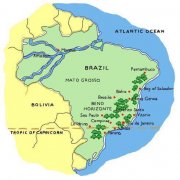
Queen Estate comes from São Paulo State, one of Brazil's oldest coffee-growing states, whose principal sub-regions are Santos and Mogiana.
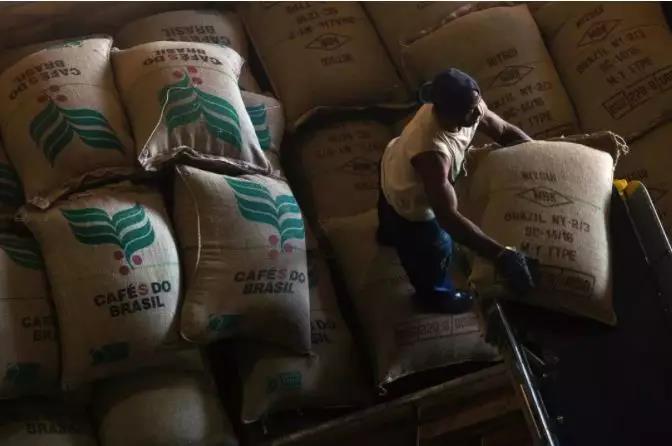
The estate itself lies in the northern part of Mogiana. It is highly renowned in Brazil and owned by the Carvalho Dias family, whose four major estates have won awards in every Brazil Cup of Excellence since the competition's first edition in 1999—more than 12 wins in 7 years, including the championship, 9th, and 11th place in 2004 alone.
The Variety: Yellow Bourbon
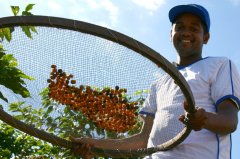
Queen Estate's beans are Yellow Bourbon, a Bourbon variant unique to Brazil whose recessive genes turn the ripe fruit yellow. Yellow Bourbon is naturally sweet, clean, and well balanced with tropical fruit aromatics. Of the estate's 280 acres, 200 are planted with Yellow Bourbon.

The Processing: Pulped Natural
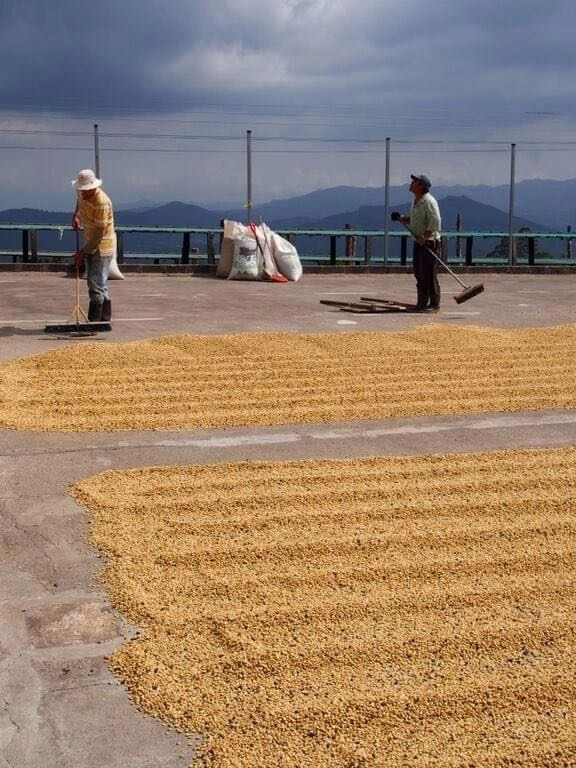
Queen Estate uses Brazil's signature pulped natural (semi-dried) process, developed because Brazil's climate is relatively dry. After the skin and pulp are removed, the producer can control how the mucilage-covered beans dry and ferment—but the "tank fermentation, fresh-water rinsing" step of full washed processing is skipped entirely, and that missing fermentation is precisely what sets the flavor apart.
Those are the three factors behind this bean's flavor. Now, how to brew it?
How to Pour-Over Brew FrontStreet Coffee's Brazilian Coffee Beans
FrontStreet Coffee boils good pour-over down to four variables: water temperature, grind size, coffee-to-water ratio, and technique.
1. Water Temperature
Different roast levels take different water temperatures. Roasting drives off compounds as it deepens, so darker beans get cooler water to avoid pulling out undesirable flavors. For light-to-medium roasts FrontStreet Coffee uses 90-91°C; for the medium-dark FrontStreet PWN Golden Mandheling, 87-89°C.

Queen Estate, whose character centers on nuts and cream, is roasted medium-dark at FrontStreet Coffee to highlight exactly those notes—so the brewing water is held at 87-89°C.
2. Grind Size
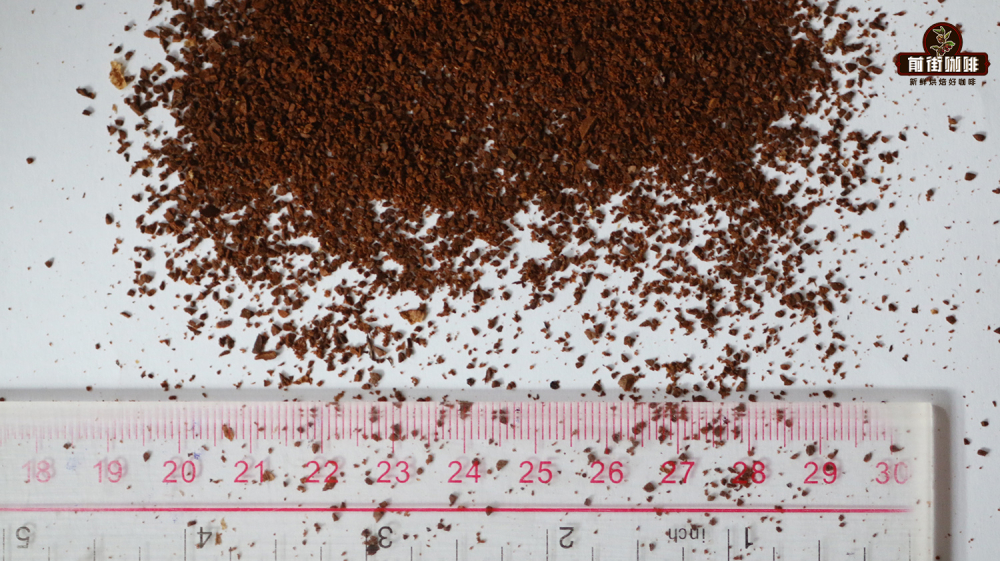
Grind size governs how long water and coffee stay in contact. Finer grounds release more in the same time but invite over-extraction; coarser grounds extract less and can under-develop the cup.
Because every grinder differs, calibrate with a #20 cupping sieve (0.85mm aperture): grind 10g of beans, sieve until nothing more passes, and weigh what remains on top.
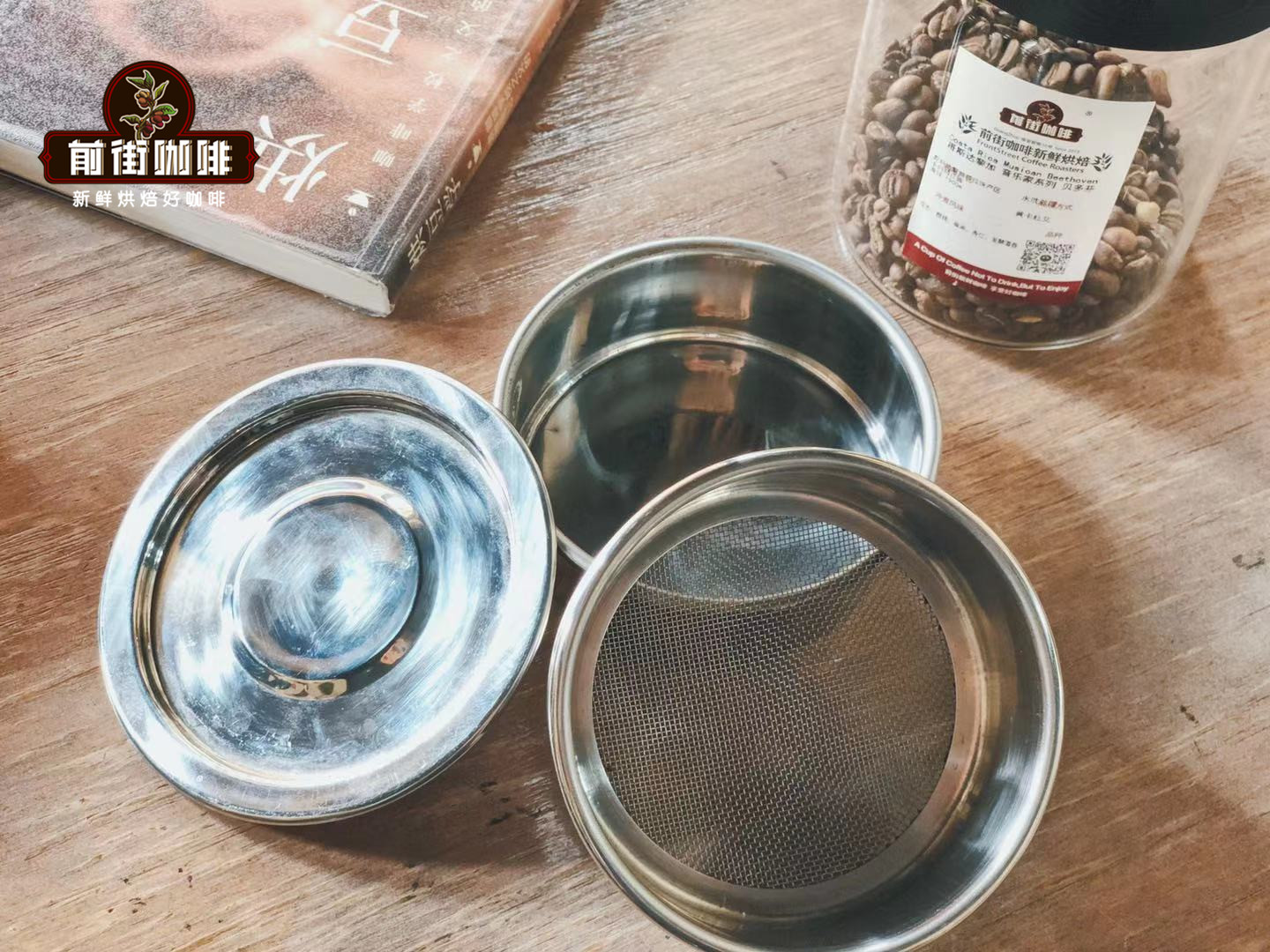
An 80% pass rate (8g through per 10g) suits light-to-medium roasts; 70-75% (7-7.5g through) suits medium-dark. Above the target range, grind coarser; below it, grind finer.
3. Coffee-to-Water Ratio
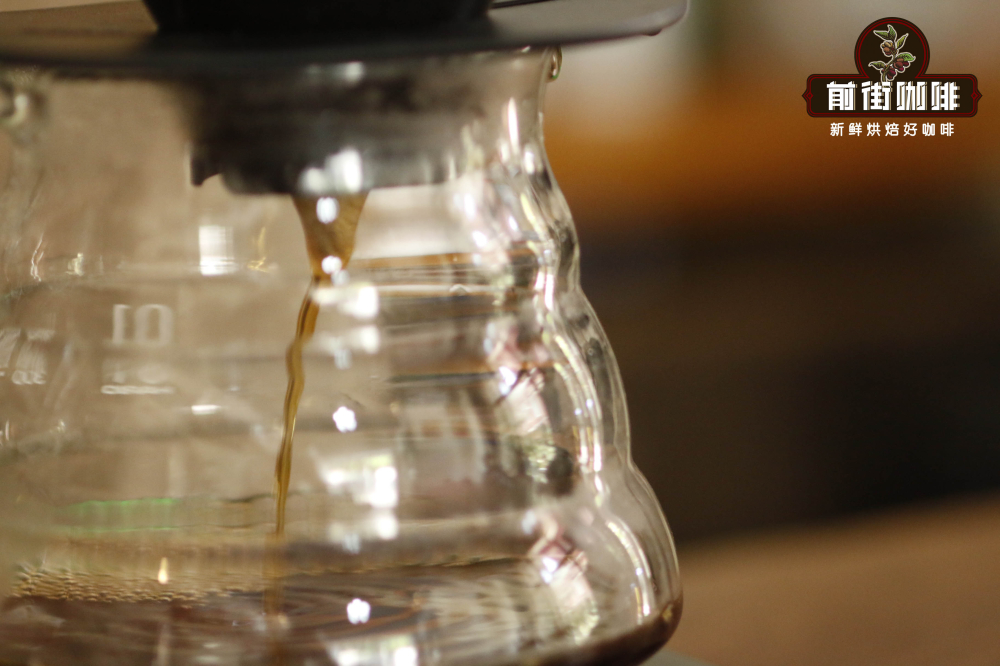
FrontStreet Coffee's ratio guide, based on SCAA Golden Cup extraction theory and taste differences:
Bold flavor: 1:10-1:11 (equivalent to Golden Cup 1:12.5-1:13.5)
Medium flavor: 1:12-1:13 (equivalent to Golden Cup 1:14.5-1:15.5)
Light flavor: 1:14-1:16 (equivalent to Golden Cup 1:16.5-1:18.5)
A ratio of 1:14.5-1:15.5 most easily lands inside the golden window of 18%-22% extraction yield and 1.15%-1.35% strength—so FrontStreet Coffee suggests the foolproof 1:15 for Queen Estate.
4. Brewing Technique
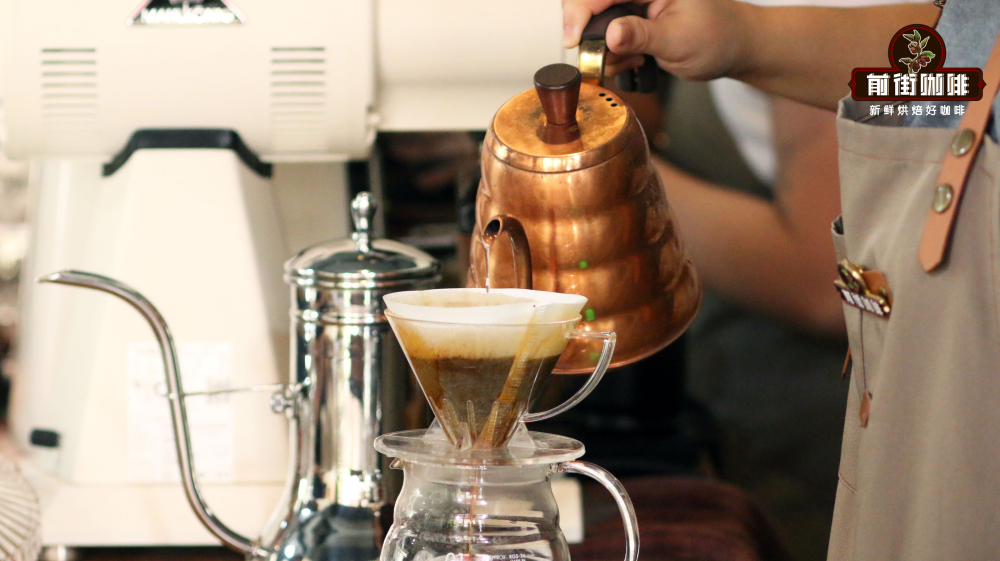
Finally, technique. Common options include three-stage pouring, single-stream pouring, and drip-by-drip pouring. FrontStreet Coffee recommends beginners start with three-stage pouring: it suits light, light-medium, and medium roasts, and the segmentation keeps the coffee's front, middle, and back-end flavors distinct and well presented.
With those four elements settled, here are the actual numbers.
FrontStreet Coffee's Brazilian Queen Estate Pour-Over Parameters
Dripper: KONO
Coffee Dose: 15g
Water Temperature: 90°C
Grind Size: medium, 75% pass rate on a #20 standard sieve
Coffee-to-Water Ratio: 1:15
Brewing Method: segmented extraction
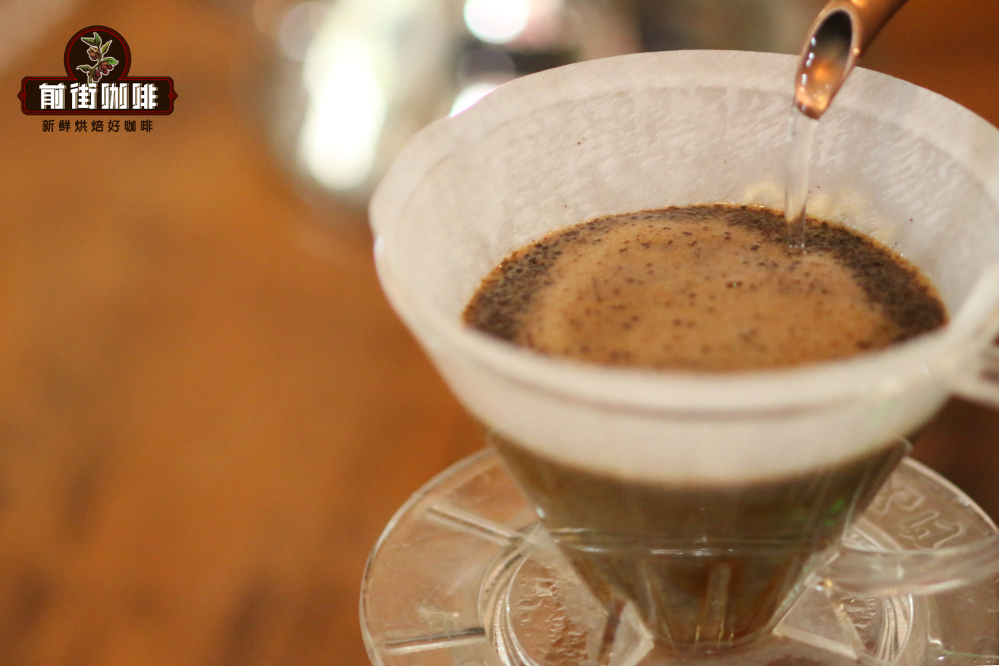
Bloom with 30g of water for 30 seconds, then pour in small circles up to 125g. When the level drops and the bed is about to show, continue to 225g and stop. Just before the bed is exposed again, remove the dripper (timing from the bloom). Extraction time is 2'00" on a V60 and slightly longer, 2'10", on a Kono.

Queen Estate in the cup: balanced body, almond and cocoa leading into sugarcane sweetness—a coffee with genuine body and full sweetness.
FrontStreet Coffee Recommendation
Brazil's coffee is famously approachable—moderate acidity, well-balanced sweetness and bitterness, and a mellow body—roasted medium, it fills the room with nut aroma and drinks smoothly with just a whisper of acidity, working equally well as single origin or blend base. If Queen Estate wins you over, FrontStreet Coffee's other Brazilian daily bean is the natural next step: the FrontStreet Brazil Cerrado Red Bourbon from the celebrated Cerrado region, a classic pulped-natural lot that shows cream, peanut, toast, caramel, and hazelnut over a rounded, non-acidic cup, and handles pour-over, moka pot, espresso SOE, siphon, and French press with equal ease.
Important Notice :
FrontStreet Coffee is a long-established specialty coffee roaster in Guangzhou China, selling freshly roasted beans from its own farm in Yunnan as well as dozens of carefully selected single-origin beans from around the world for both pour-over and espresso. The products deliver consistently excellent quality and great value, with shipping within 24 hours. Guangzhou's FrontStreet Coffee shop is recommended by many coffee lovers, and the beans are now available online at the Tmall 。
FrontStreet Coffee has moved to a new address:
FrontStreet Coffee Address: 315,Donghua East Road,GuangZhou
Tel:020 38364473
 Scan and follow the En Gafei WeChat official account. Please indicate that the reprint comes from "En Gafei".