Essential Pour-Over Coffee Gear: Hario V60 Dripper History, Extraction Ratios, and Single vs. Three-Stage Brewing Methods

Ask the baristas at FrontStreet Coffee which dripper they recommend, and the answer is almost always the same: V60. Its long ribs help extract flavor compounds quickly, and the large hole avoids any risk of clogging. The cup that comes out is layered and complex. Beginner or connoisseur, light and delicate or rich and heavy, one-pour or three-stage, the V60 adapts to more brewing styles than most other drippers.
Whether you are experimenting with pour-over at home or opening a specialty coffee shop, a V60 will almost certainly be on the shelf. FrontStreet Coffee puts its popularity down to three things.

Conical shape with a 60-degree angle: it guides water toward the center and extends the contact time between water and coffee.
Single large hole: it lets you change the flow speed during brewing to shape the taste.
Spiral ribs: these run from the bottom to the top, letting air escape smoothly and maximizing the contact area between coffee grounds, air, and water.
With these three features, anyone can dial in fresh coffee beans through grind size, water temperature, and technique to reach the flavor they want. When FrontStreet Coffee brews light to medium roast beans to highlight acidity, for example, we use a medium-fine grind (80% pass-through on a #20 sieve) and 90-91°C water with three-stage brewing, pulling out the coffee's sweet, sour, and bitter notes in segments.

V60 drippers come in several materials. How should you choose? FrontStreet Coffee bought the three most common versions on the market, resin, ceramic, and glass, to run a heat-retention comparison.
The most immediate difference is heat retention. Temperature is one of the factors that drives extraction, which is why water temperature matters so much. A dripper that holds heat well loses less of it, keeps the temperature stable, and delivers more consistent extraction.
Heat retention across the three types came out as follows:
Heat retention: Resin > Ceramic > Glass

Material also drives the price gap directly. When choosing a dripper, beginners should decide on the basis of their own budget rather than following trends or copying others, which makes cost-effectiveness especially important.
Price: Ceramic > Glass > Resin
FrontStreet Coffee also reminds buyers to check whether the packaging says #01 or #02, then buy the matching #01 or #02 filter papers.
#01: brews 1-2 cups
#02: brews 1-4 cups
With the V60 basics covered, let's look at how to brew a genuinely delicious pour-over with it.
Fresh Coffee Beans First
Bean freshness matters enormously to quality. Leave beans too long after roasting and both flavor and aroma are lost. FrontStreet Coffee's beans have an optimal tasting window of 30 days. Past 30 days, aromatic molecules decline as carbon dioxide is released, so beans beyond their prime can brew up dull and flat.

After buying FrontStreet Coffee beans, check the roasting date and store them unopened in a cool, dry place to mature. Freshly roasted beans hold roughly 2% carbon dioxide by weight. That large amount of gas is released according to the storage environment, equipment, or method, creating pressure inside the packaging that exceeds atmospheric pressure. That pressure helps aromatic compounds and oils fuse, bringing the aromatic substances inside the beans into an easily extractable state. Bean maturation is this release process, also commonly called blooming or aging. Because every roaster's technique and roast depth differ, the structural damage to the beans varies, so it is worth asking the shop. FrontStreet Coffee's guideline is that medium roast beans should mature for 3-4 days before brewing.
Next Is Grind Size
To give each coffee the right grind size, FrontStreet Coffee recommends a #20 cupping calibration sieve with 0.85mm apertures. Take 10g of beans, grind them to roughly the target, and pour the grounds into the sieve. Weigh what passes through, continuing to sift until no more powder goes through. An 80% pass-through rate, meaning 10g of beans yields 8g of sieved powder, is the best grind size for light to medium roast beans. A 70%-75% pass-through rate, where 10g of beans yields 7-7.5g, suits medium-dark roast. Exceed the target rate and you should grind coarser; fall short and you should grind finer.
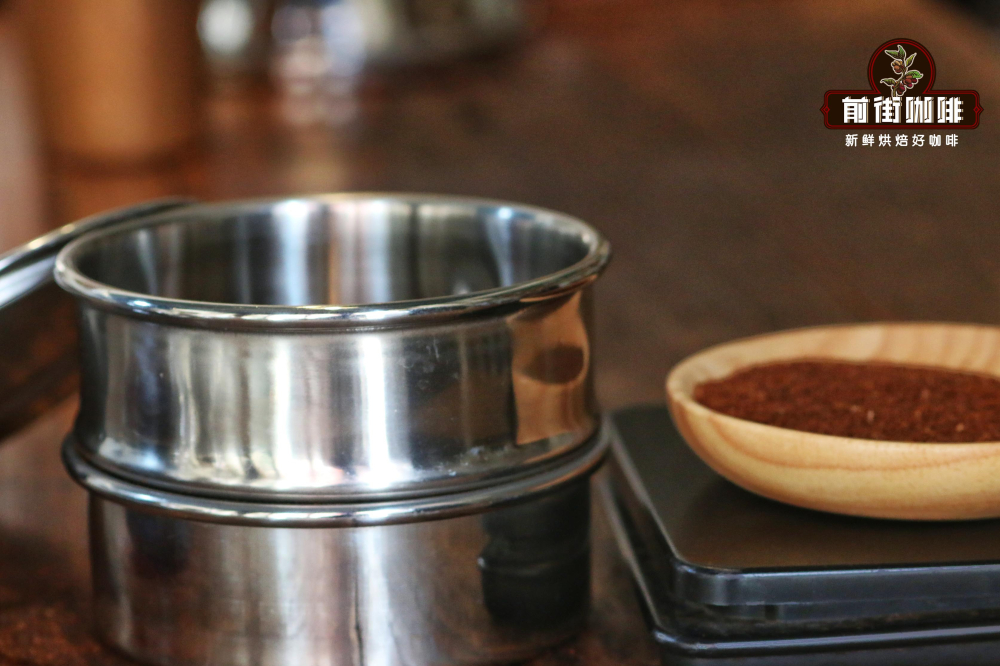
The finer the grind, the more readily the powder packs at the bottom of the filter paper, creating greater resistance, a slower flow rate, and a longer extraction time. The cup can then pick up unpleasant woody or muddled flavors. The coarser the grind, the larger the gaps between particles, so less coffee touches the hot water, resistance is lower, the drip runs faster, the extraction rate drops, and the coffee tastes weaker.
Then Comes Brewing Water Temperature
FrontStreet Coffee recommends 91-93°C water for light to medium roast beans and 87-89°C for medium-dark roast beans.
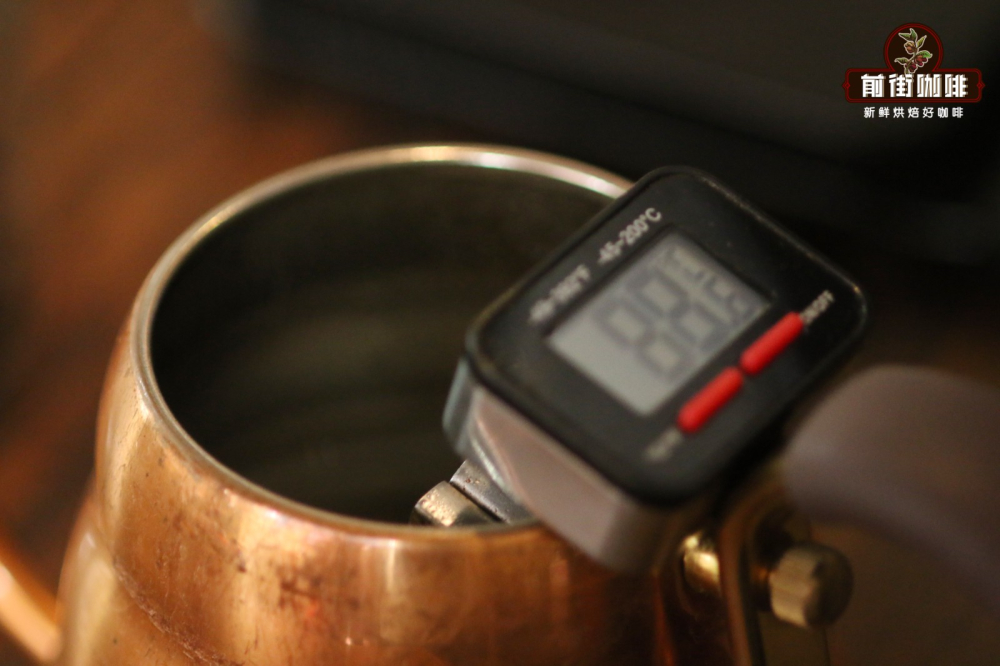
At the same grind size, if the cup tastes bitter, burnt, or astringent, lower the water temperature to correct it. If it tastes thin or bland, with plenty of flavor still locked in the grounds, consider raising the temperature.
The right temperature and good extraction produce positive, comfortable aromas and flavors. Acidity reads as rich, with sweet-tart sensations like plum or drupe fruit. Cleanliness, clarity, and transparency let you identify flavors clearly. Delicate, rich, bright acidity can call to mind particular fruits or even wine, with a persistent aftertaste that lingers pleasantly.
Finally, One-Pour versus Three-Stage Brewing
One-Pour: the coffee bed stays continuously immersed, and the retained liquid fully releases aromatic substances from the grounds. The flow rate rises steadily, so reduce it before the water level overflows the dripper. One-Pour is mainly about managing water volume and flow rate, achieving full-range extraction without losing balance. An inappropriate pour can destroy the coffee's overall balance. This method keeps flavors gentle and balanced. Its downside is that poor pour control lets water slip past the edge of the filter paper above the coffee bed, which can cause under-extraction.
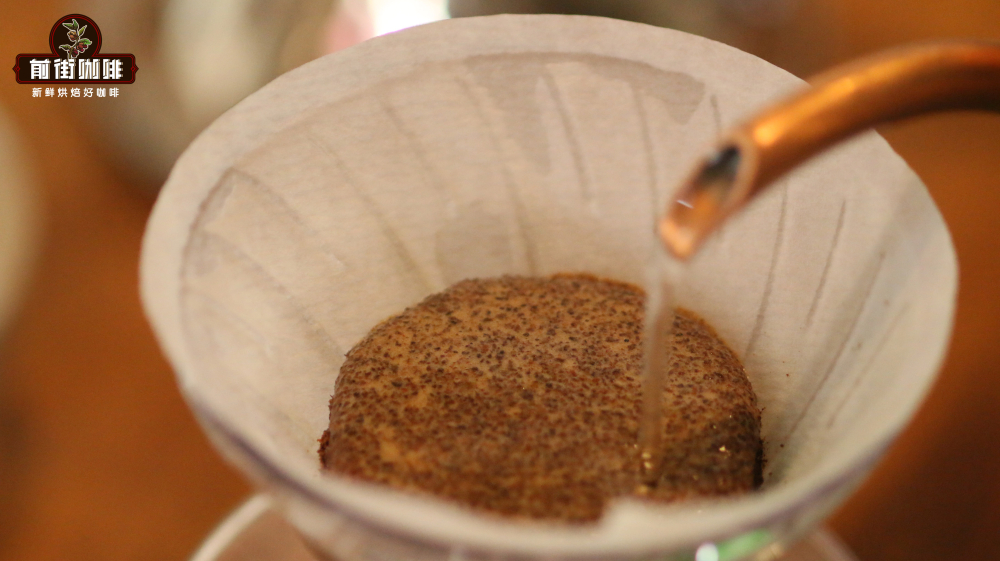
Three-Stage: FrontStreet Coffee recommends the three-stage pour for beginners. It suits light roast, light to medium, and medium roast beans. Splitting the pour into three stages clarifies the front, middle, and back end of the coffee's flavor and better guarantees a defined cup. Segmented extraction delivers richer layering than One-Pour and distinguishes the front, middle, and back end clearly. The method increases the water volume after each bloom, generally pouring once the liquid drops close to the surface of the coffee bed, and uses small, medium, and large flows across the three stages. Segmented extraction does demand more control over flow rate and volume.
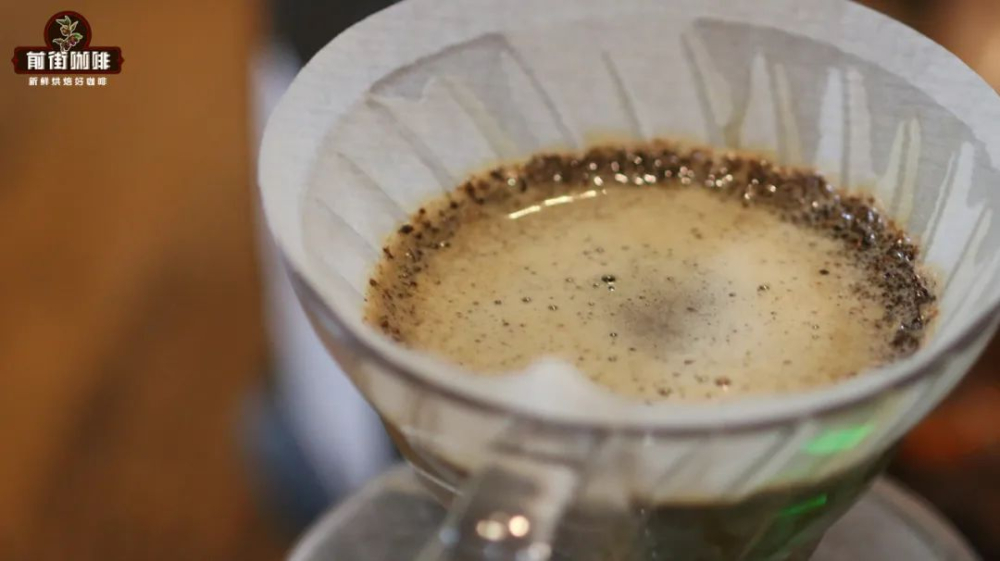
Next, FrontStreet Coffee uses Costa Rica Geisha Blend to compare both techniques side by side.
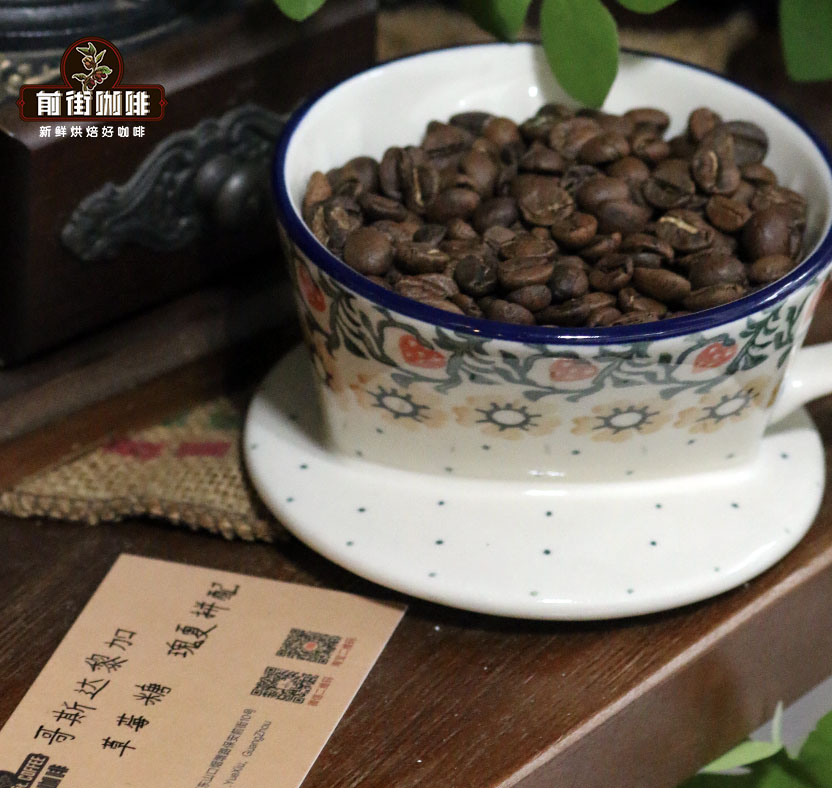
FrontStreet Coffee: Costa Rica Strawberry Candy Coffee Beans
Region: Tarrazú, Costa Rica
Estate: Finca Mirasol
Altitude: 1700m
Processing: Raisin Honey
Varieties: Geisha, ET47, SL28, MACIO
Dripper: V60
Water Temperature: 90-91°C
Grind Size: medium-fine, fine-sugar texture (80% pass-through on a #20 sieve)
Powder-to-Water Ratio: 1:15
One-Pour: bloom with 30g of water for 30 seconds, then pour continuously to 225g, and remove the dripper when the water level drops far enough to expose the coffee bed.

Three-Stage: first stage, pour 30g of water for a 30-second bloom, then pour 95g (the scale reads about 125g), finishing at around 1 minute. When the water level drops to two-thirds of the coffee bed, pour the remaining 100g (the scale reads about 225g), finishing at around 1 minute 40 seconds. The drip completes at 1 minute 55 seconds to 2 minutes; remove the dripper and extraction is done.
One-Pour flavor: a rich raisin aroma on the nose. In the mouth, strawberry jam and raisin sweetness, with relatively concentrated flavors and a finish of almond and nuts.
Three-Stage flavor: fresh rose floral and berry aromas on the nose. In the mouth, brighter acidity with raisin sweetness and berry flavors, and an almond finish, giving an overall clearer and more balanced profile.

In short, One-Pour concentrates the flavor and highlights the sweetness of light roast coffee with a more substantial body. Three-Stage presents richer, clearer layering, emphasizing the acidity and sweetness of light to medium roast coffee and achieving better balance than One-Pour.
FrontStreet Coffee Recommendation
The Costa Rica Strawberry Candy used for the comparison above is itself a strong V60 coffee, and it is worth pairing the dripper with beans that play to its strengths. FrontStreet Strawberry Candy carries a Geisha-like character, and FrontStreet Mozart brings a distinctive raisin note; both are floral-fruity coffees that a V60 handles especially well.
For a classic Yirgacheffe profile, FrontStreet Yirgacheffe Gudingding is an easy entry into specialty coffee, with citrus, berry, and floral notes and a green-tea-like sweetness whose acidity stays soft and bright. FrontStreet Ethiopia Huakui goes much further into tropical fruit, with strawberry, passion fruit, jackfruit, and even lychee, marked sweetness, and almost no bitterness.
If you prefer a washed, structured cup, FrontStreet Kenya Cherry Tomato is a Kenyan washed single origin from the Sika region, grown at 1550-1750 meters with the SL28 and SL34 varieties and given Kenya's 72-hour double washed fermentation, then lightly roasted: sun-dried tomato and floral notes in the dry aroma, clear cherry tomato and dark plum acidity in the cup, and a clean finish of yellow sugar and light green tea. If you want something darker and heavier in the V60 instead, FrontStreet PWN Indonesia Golden Mandheling is deeply roasted and low in acidity, full and long in the mouth, with herbal and dark chocolate notes and a faint earthy edge.
Important Notice :
FrontStreet Coffee is a long-established specialty coffee roaster in Guangzhou China, selling freshly roasted beans from its own farm in Yunnan as well as dozens of carefully selected single-origin beans from around the world for both pour-over and espresso. The products deliver consistently excellent quality and great value, with shipping within 24 hours. Guangzhou's FrontStreet Coffee shop is recommended by many coffee lovers, and the beans are now available online at the Tmall 。
FrontStreet Coffee has moved to a new address:
FrontStreet Coffee Address: 315,Donghua East Road,GuangZhou
Tel:020 38364473
 Scan and follow the En Gafei WeChat official account. Please indicate that the reprint comes from "En Gafei".