How Long Until Coffee Trees Bear Fruit, Where Coffee Trees Grow, and Coffee Tree Varieties in Yunnan
Professional Coffee Knowledge Exchange
Ordering a coffee in a cafe takes just a few minutes, but a mature, full coffee fruit takes several years — or longer — to develop. Here is some background on the coffee tree itself, and on how Yunnan has become one of China's most interesting coffee regions.
The Journey of Coffee: From Seed to Cup
After harvesting, coffee beans still need de-pulping, washing or sun-drying, and drying, followed by roasting, before they can be used to make a beverage. Next, FrontStreet Coffee shares some knowledge about coffee trees.
Coffee Tree Growth Cycle
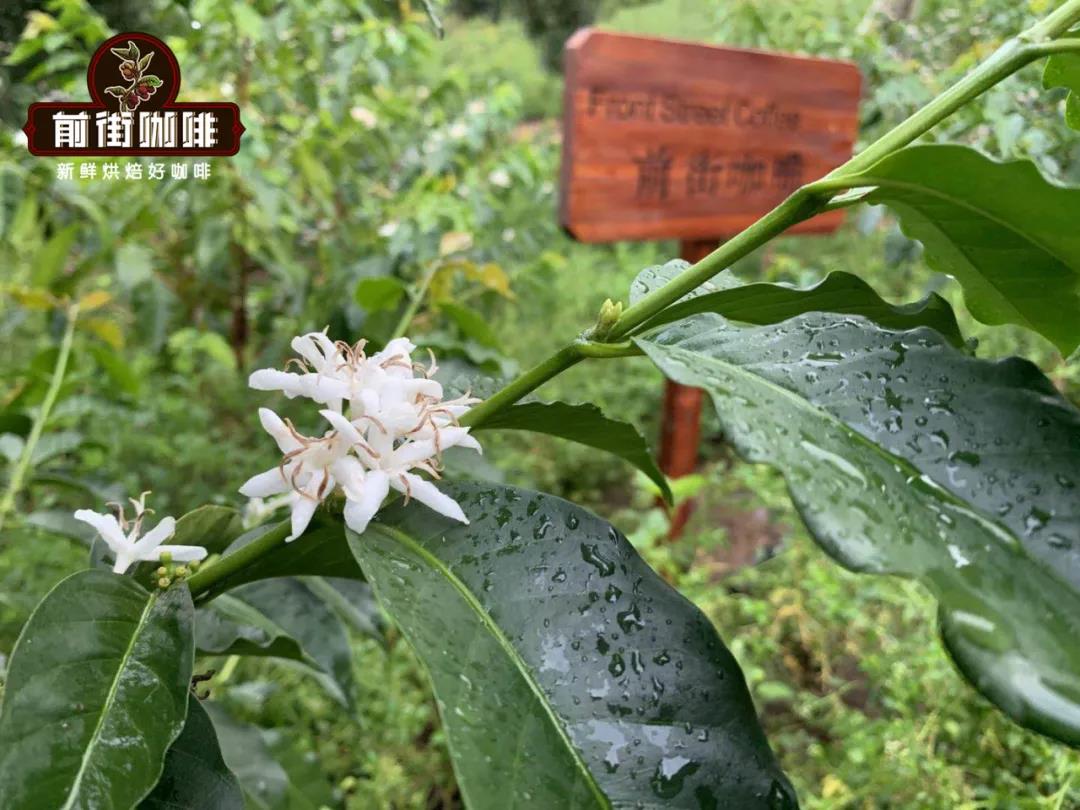
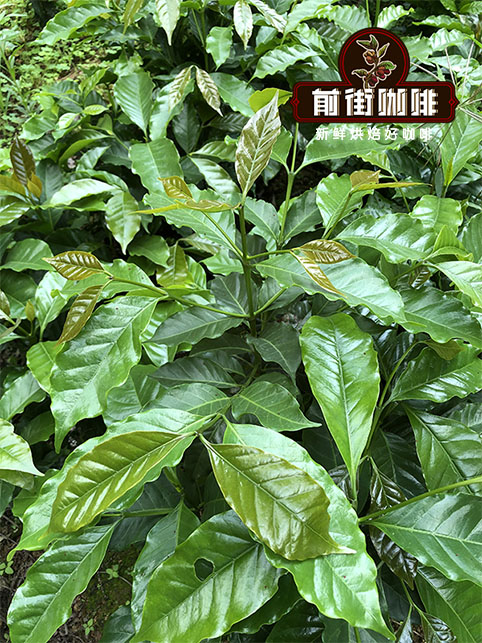
Coffee takes about 5 years from seed to flowering and fruiting. Coffee trees begin to bear fruit 3-5 years after sowing, with a harvesting period of 5-20 years. A single coffee tree can produce approximately 3-5 kg of coffee fruit annually. Coffee trees belong to the Rubiaceae family, genus Coffea, and are evergreen tropical shrubs. Wild coffee trees can reach 4-7 meters in height, while cultivated ones are pruned to maintain about 2 meters. From sowing and transplanting seedlings to mature trees takes about 4-5 years, with an economic lifespan of approximately 30 years.
FrontStreet Coffee's Yunnan Plantation
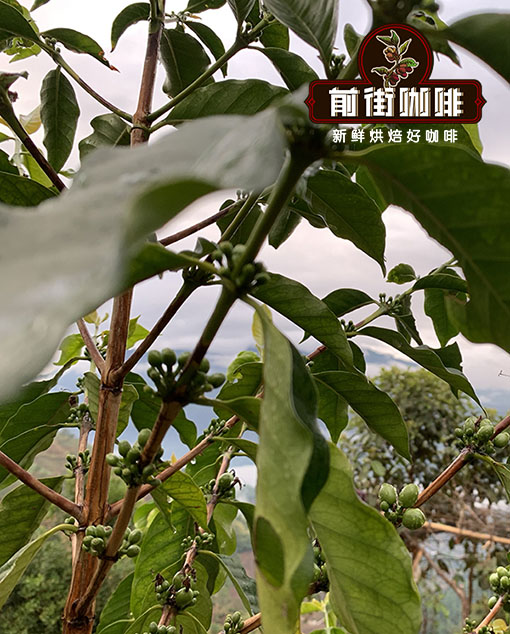
FrontStreet Coffee has its own coffee plantation in Baoshan, Yunnan. It chose Baoshan partly because Yunnan sits right in the golden belt for coffee cultivation. Terrain, climate, and altitude are crucial for coffee, and FrontStreet Coffee's journey in coffee tree cultivation has been quite challenging. As the saying goes, "local environment nurtures local people," and this applies equally to coffee trees — local conditions also shape local coffee.
The Importance of Terroir in Coffee Cultivation
FrontStreet Coffee pays close attention to the terroir of coffee trees because different varieties require different growing environments and soil types, resulting in significantly different flavor profiles. Coffee from African regions, for example, differs from coffee grown in Colombian regions. Taking the single origins on FrontStreet Coffee's bean menu as examples, single origins from Ethiopia tend to feature berry, citrus-lemon acidity, and subtle floral notes, such as Yirgacheffe Gedeb and Guji coffee; while Colombian Huila coffee beans tend to feature nutty and chocolate flavors, with a richer body than African regions.
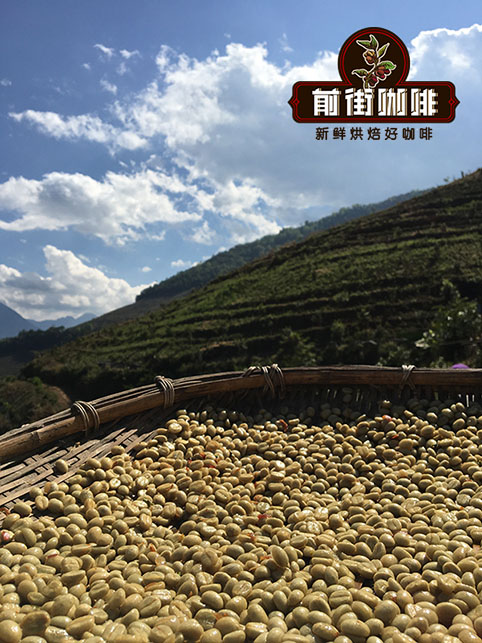
Yunnan's Coffee Heritage
FrontStreet Coffee's plantation is located in Yunnan, the first place in China where coffee trees were cultivated. In Zhukula Village, Yunnan, 24 first-generation coffee trees planted in 1892 still survive today, though they no longer have economic value — these 24 trees have become China's first-generation ancient coffee trees. According to FrontStreet Coffee's research, the earliest coffee trees planted in Yunnan's coffee-producing regions were the Typica variety. Typica is one of the world's oldest coffee tree varieties, and nearly all current Arabica coffee beans are derivatives of Typica. Typica offers elegant flavors but has a weak constitution and low disease resistance, making it susceptible to leaf rust. However, most coffee cultivation in Yunnan's coffee regions now focuses on the higher-yielding, more disease-resistant Catimor variety.
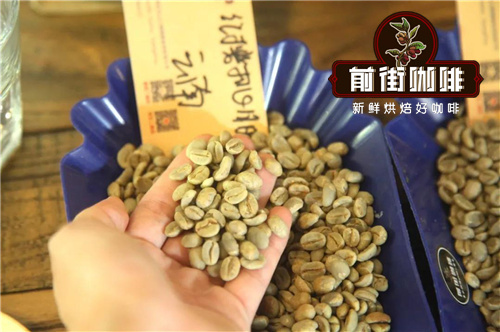
Typica Cultivation and Flavor Profile
FrontStreet Coffee cultivates the Typica coffee variety in Yunnan. It offers over 50 different types of coffee beans from various producing regions, and among those single origins there are several from Yunnan, including the Huaguoshan Coffee, which is of the Typica variety. FrontStreet Coffee has also conducted cupping and brewing experiments with this Yunnan Huaguoshan coffee. Coffee from Yunnan's producing regions tends to be well balanced, with nutty and brown sugar as base flavors. To highlight those flavors, FrontStreet Coffee uses medium roasting for this Yunnan coffee.
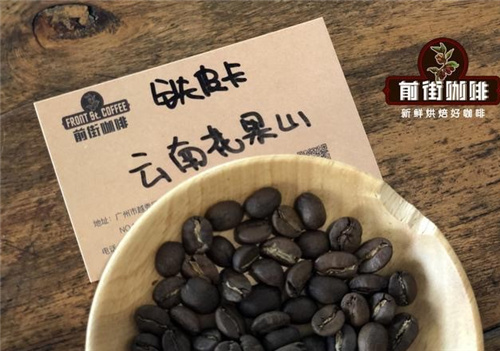
Cupping Protocol and Standards
FrontStreet Coffee conducts cupping within 8-24 hours after roasting Yunnan coffee beans. It typically uses 200ml ceramic cupping bowls marked with 150ml and 200ml graduation lines, with water temperature at 94°C. The grinding size follows SCAA cupping standards, controlled to pass through a #20 standard sieve (0.85mm) at a rate of 70%-75%. The ratio is 11 grams of coffee grounds to 200ml of hot water.
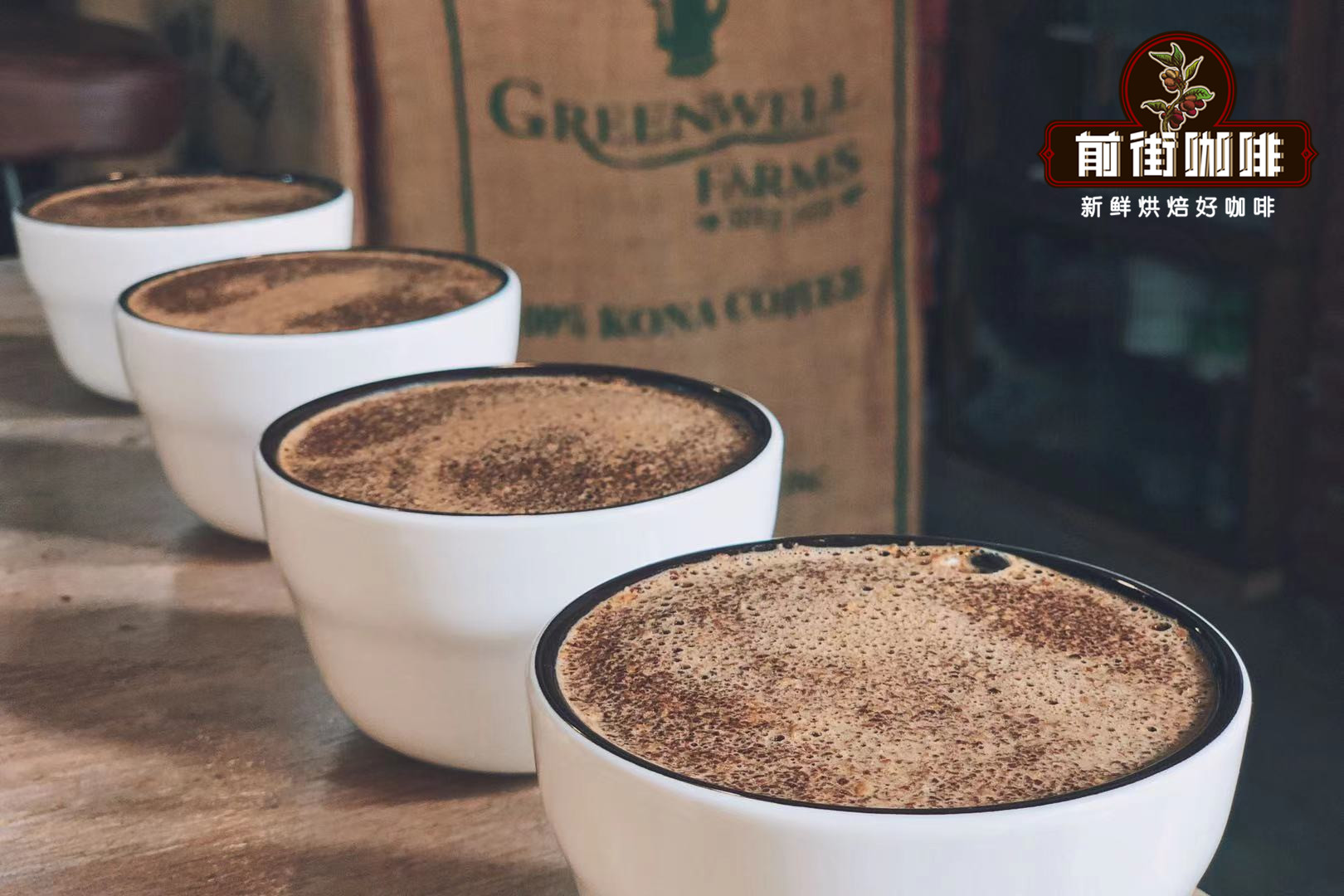
Cupping Results and Flavor Analysis
First, the coffee is ground for dry aroma assessment, then water is added to fill the bowl for wet aroma confirmation. After 4 minutes, the crust is broken and cleared for flavor evaluation. FrontStreet Coffee's cupping results for this Yunnan Huaguoshan coffee bean show rich melon and fruit aromas, herbal notes, a smooth entry, nutty and chocolate flavors in the middle section, lively and bright plum acidity in the finish, with black tea and brown sugar sensations in the aftertaste.
Other Yunnan Coffee Regions
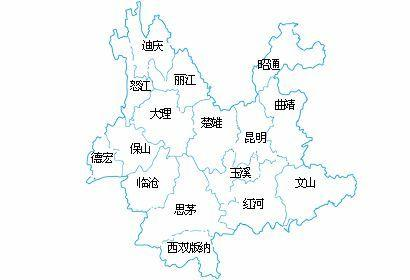
Currently, FrontStreet Coffee only cultivates coffee trees in Baoshan, Yunnan, but Yunnan's suitable coffee-growing regions are not limited to Baoshan. According to FrontStreet Coffee's research, coffee trees are also cultivated in other parts of Yunnan such as Pu'er and Dehong. Next, FrontStreet Coffee introduces other Yunnan coffee regions.
Dehong
Dehong Prefecture's coffee history spans over a century, making it one of China's earliest regions to introduce coffee cultivation. As early as 1914, small-grain coffee was introduced from Myanmar for sporadic planting. After successfully trial-planting 6 mu (about 1 acre) of coffee in 1953, commercial cultivation began. The region successfully registered the "Dehong Coffee" geographical indication and was awarded the honorary title of "China's Coffee Town."
Currently, the total coffee cultivation area in the prefecture has reached 275,800 mu, with 140,000 mu in production, yielding 28,000 tons of dried coffee beans, achieving agricultural output value of 616 million yuan and industrial output value of 800 million yuan. In addition, Dehong is the main production area for Hougu Coffee, the only national-level agricultural industrialization leading enterprise in the coffee industry.
Coffee cultivation altitudes in Dehong Prefecture are all above 1,000 meters, with 30,000 mu planted on mountainous land above 1,600 meters altitude. Combined with the primary use of organic fertilizers and organic pesticides, the coffee produced here is of excellent quality, making Dehong one of the world's rare high-quality coffee producing regions.
Lincang
Unique geographical location and climate conditions have made Lincang a focus of attention for many coffee companies. High-quality coffee seedling bases of 200 mu and 100 mu have been established respectively in Mengding Town, Gengma Autonomous County, and Lincang Xingfu Farm within the city. Coffee cultivation has been carried out in Gengma, Zhenkang, Yun County, Cangyuan, and Yongde areas. As of now, Lincang city has built 96 coffee nursery gardens covering 1,570 mu, having cultivated 67.19 million coffee seedlings capable of planting 203,000 mu, with 260,000 mu of coffee cultivation area confirmed.
Baoshan
Coffee cultivation in Baoshan began in the mid-1950s, with the first coffee seedling introduced by the late patriotic overseas Chinese Mr. Liang Jinshan from Southeast Asia. The locally famous Lujiang ba small-grain coffee is of high quality and was rated as first-grade in London, UK, as early as the late 1950s.
The Growing Recognition of Yunnan Coffee
Now, with the improvement of Yunnan's coffee quality, Yunnan coffee has gained favor among merchants and roasters. Roasters and cafe owners are enthusiastic about purchasing small quantities of high-quality coffee grown in Yunnan, and Yunnan coffee is becoming increasingly popular in the global market, with foreign markets continuing to expand.
FrontStreet Coffee Recommendation
For an entry-level Chinese Arabica, FrontStreet Coffee's Yunnan Small Bean comes from the Baoshan region, washed and medium roasted. It highlights some caramel character while retaining part of its acidity, so it presents the terroir of Yunnan well; fully washed processing ferments and rinses away the mucilage before drying, bringing out the region's characteristic flavor at a friendly price.
If you want a clearer Yunnan profile, the FrontStreet 2013 Yunnan Sun-Dried Typica is the next step. Grown on FrontStreet Coffee's own estate, it uses the oldest and most traditional post-harvest method — natural drying. Typica is one of the oldest and purest Arabica varieties, and the natural process gives this lot a heavier body, a more pronounced sweet-sour balance, citrus and berry notes, a hint of fermented wine aroma, caramel sweetness, and a creamy finish.
To taste a Yunnan-influenced espresso, the FrontStreet Black Cocoa Blend combines Yunnan Small Bean with Brazil Cerrado. Brazil supplies the mixed-nut aroma and a balanced body, while Yunnan adds chocolate and citrus; the result is a sweet-sour-bitter-balanced Americano with nut and brown-sugar sweetness, and a latte with almond and cream smoothness.
Important Notice :
FrontStreet Coffee is a long-established specialty coffee roaster in Guangzhou China, selling freshly roasted beans from its own farm in Yunnan as well as dozens of carefully selected single-origin beans from around the world for both pour-over and espresso. The products deliver consistently excellent quality and great value, with shipping within 24 hours. Guangzhou's FrontStreet Coffee shop is recommended by many coffee lovers, and the beans are now available online at the Tmall 。
FrontStreet Coffee has moved to a new address:
FrontStreet Coffee Address: 315,Donghua East Road,GuangZhou
Tel:020 38364473
 Scan and follow the En Gafei WeChat official account. Please indicate that the reprint comes from "En Gafei".