Flat White Coffee Recipe Steps: Starbucks Flat White Coffee to Milk Ratio Parameters and Flavor Characteristics
For professional coffee knowledge exchange and more coffee bean information, please follow Cafe Style (WeChat public account: cafe_style).
If a latte's coffee and fresh milk are a well-matched couple, then the piccolo latte pair are inseparable lovers, blending into each other with a dense, silky texture and a richer coffee aroma that is truly captivating.

Although latte coffee is delicious, some people always feel the milk flavor dominates. So Australians, long fond of researching milk and espresso combinations, accidentally created the Flat White in the 1980s: a coffee with rich flavor, thinner foam than a latte, and a texture as light as goose down that has taken the world by storm.
What is Flat White?
Flat White, also known as Australian White or Little White, is a milk coffee that highlights coffee flavor. Although its preparation resembles a latte, it differs in the concentration of espresso used, the thickness of the steamed milk foam, and the overall volume.

How to Steam Milk into Foam?
Step 1: Pour milk equal to the cup capacity minus the coffee liquid, divided by approximately 1.2. (The 1.2 assumes that steaming expands the milk's volume to 1.2 times; this number depends on how much foam you need and your latte art habits.)
Step 2: First, turn on the steam once to discharge cold water from the pipes. Generally, the shaded area is where the steam wand should be placed. It's recommended that the steam wand line up with the milk pitcher's spout.
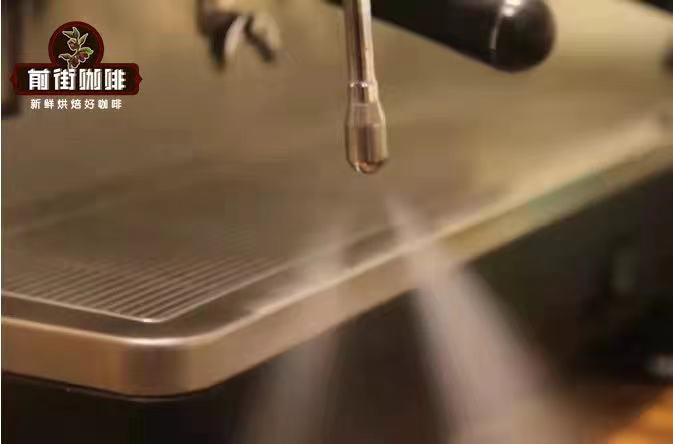
The depth of the steam wand in the liquid depends on the machine's steam pressure. If pressure is low, place it on the surface; if steam is moderate, bury it in the milk; if steam is very strong, place it directly at 1cm or deeper, no problem.
Step 3: Aeration stage. Turn on the steam switch, and you'll hear a "squeak, squeak" sound. This is the frothing stage. The frothing time varies with the desired foam thickness (longer frothing equals thicker foam).
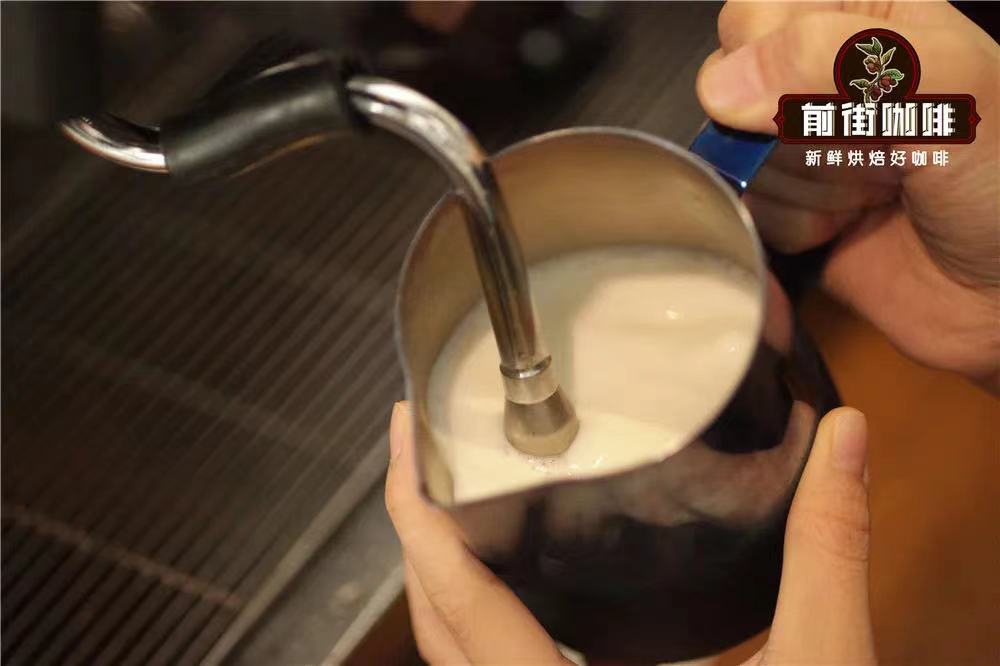
Generally, milk froths from 5 parts to 6 parts by volume. "Latte coffee foam thickness 1cm requires about 3 seconds of frothing time"; "Flat White coffee foam thickness 0.5cm requires about 2 seconds of frothing time." The milk rotates in a unified direction to form a vortex.
Step 4: Texturing stage. After frothing, the milk foam separates into layers: the upper layer is the coarse foam, while the lower layer is relatively unfrothed (commercial machines generally don't distinguish much between frothing and texturing). This step positions the steam wand toward the upper foam layer, incorporating the foam into the lower layer for full integration. This process happens at around 55-65 degrees Celsius.

Step 5: Turn off the steam, wipe the steam wand, and release some steam. Then observe whether there are bubbles on the foam surface. If there are, tap the milk pitcher gently on the table to release them.
At this point, the foam and milk in the pitcher form distinct layers, so before pouring into the coffee, tilt the pitcher slightly at a fixed position on the table, then rotate it clockwise in a fixed circle until the foam surface becomes smooth.
How to Make Latte Coffee?
FrontStreet Coffee's store preparation of latte uses two regular shots of Italian espresso. Using 20g of extra-fine ground coffee, 94-degree Celsius water is quickly passed through the coffee powder layer under 9-10 bar pressure, extracting 40g of espresso at a 1:2 coffee-to-liquid ratio, with an extraction time of 28-32 seconds.

Then heat and froth the milk to 1cm thick foam and blend it uniformly with the espresso at a 1:7.5 coffee-to-milk ratio, with the final product approximately 300ml.
How to Make Flat White Coffee?
FrontStreet Coffee's store preparation of Flat White uses two regular shots of ristretto espresso. Using 20g of extra-fine ground coffee, 94-degree Celsius water is quickly passed through the coffee powder layer under 9-10 bar pressure, extracting 32g of espresso at a 1:1.6 coffee-to-liquid ratio, with an extraction time of 25-30 seconds.
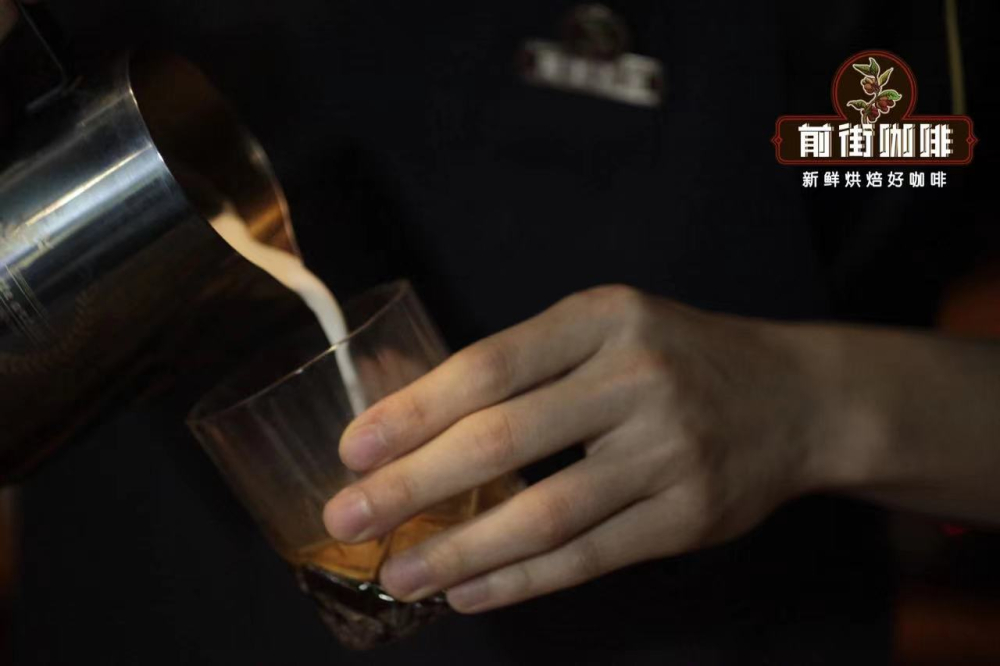
Then heat and froth the milk to 0.5cm thick foam and blend it uniformly with the espresso at approximately a 1:6 coffee-to-milk ratio, with the final product approximately 180ml.
What's the Difference Between Italian Espresso and Ristretto Espresso?
Ristretto is actually a more concentrated Italian espresso (under the same extraction parameters). FrontStreet Coffee's method of making Flat White is similar to Starbucks, both using double ristretto shots. FrontStreet Coffee daily uses a Sunflower Warm Sunshine blend made from 30% sun-dried Yirgacheffe blended with 70% Honduras Sherry for espresso extraction.

When extracted at a 1:2 ratio for Italian espresso, the coffee expresses a fermented wine aroma, berry sweetness and acidity, vanilla cream-like smoothness, and roasted nut caramel sweetness.
When extracted at a 1:1.6 ratio for ristretto espresso, the coffee expresses a fermented wine aroma, intense berry sweetness and acidity, vanilla cream-like smoothness, and a distinct caramel-like aftertaste.
FrontStreet Coffee Recommendation
For anyone learning latte art at home, FrontStreet Coffee's Classic Blend is the go-to. It is a medium-dark espresso recipe built from three origins, inspired by the classic Mamba combination of Mandheling and Brazil, with a small amount of Robusta added for aroma and crema. Pulling a shot releases obvious butter, toasted bread, and caramel cookie aromas, with a strong flavor and solid body plus fine crema, and extraction is very stable, making it essential home coffee for beginners.
Also a medium-dark espresso bean, the Specialty Blend suits those who prefer a rich, nutty profile. It pairs Colombia washed with Brazil pulped natural in a classic combination, delivering nut, dark chocolate, and caramel in espresso. Whether as an Americano or a milk drink like a latte or Flat White, it brings out the smooth aromas of cream, almond, and cocoa, with crema every bit the equal of a cafe's, more than enough for practicing latte art and ideal for anyone aiming to open a shop or learn at home.
Important Notice :
FrontStreet Coffee is a long-established specialty coffee roaster in Guangzhou China, selling freshly roasted beans from its own farm in Yunnan as well as dozens of carefully selected single-origin beans from around the world for both pour-over and espresso. The products deliver consistently excellent quality and great value, with shipping within 24 hours. Guangzhou's FrontStreet Coffee shop is recommended by many coffee lovers, and the beans are now available online at the Tmall 。
FrontStreet Coffee has moved to a new address:
FrontStreet Coffee Address: 315,Donghua East Road,GuangZhou
Tel:020 38364473
 Scan and follow the En Gafei WeChat official account. Please indicate that the reprint comes from "En Gafei".
![[Practical Guide] The Best Way to Brew with a Moka Pot: Should You Leave the Lid Open?](https://en.gafei.com/uploadfile/thumb/ab2fa45edea6da868971f8015400eaed/200x140_auto.jpg)