What is Washed Process: What are the Pros and Cons of Washed Coffee Beans?
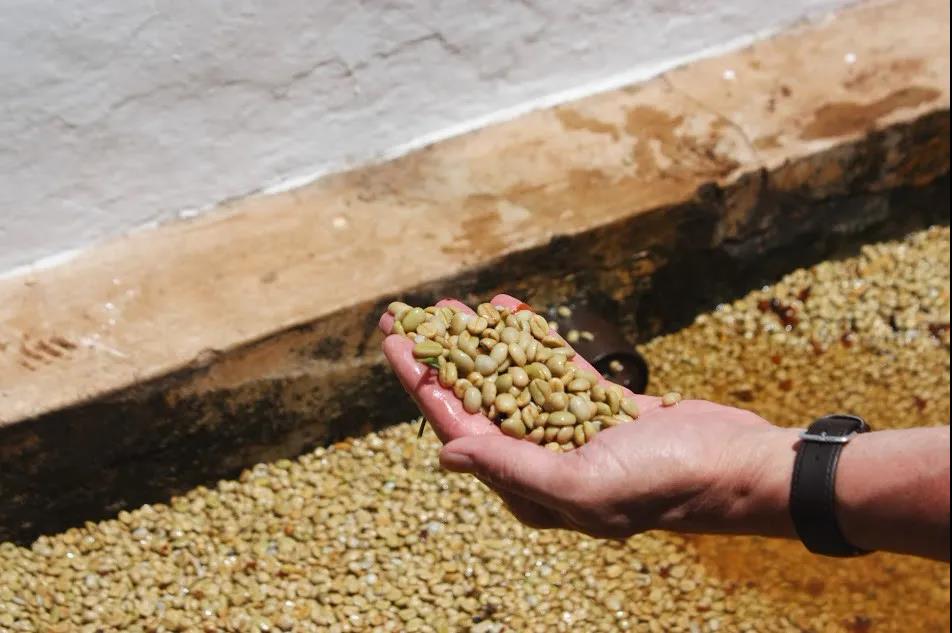
The washed process, translated from Washed Process and also called the washed method, is a traditional way of processing green coffee beans. Its steps generally include floating selection, pulp removal, fermentation to remove mucilage, washing or soaking, and drying before hulling to obtain the beans we need. The washing steps not only dramatically reduce the defect rate and stabilize green-bean quality but also preserve the beans' inherent flavors, offering higher clarity and better expressing the regional terroir. This is why FrontStreet Coffee particularly favors the method, with washed lots available from nearly every producing region on its bean list.
The Washing Steps
All processing methods aim to obtain the green-bean portion from the coffee fruit, removing pulp, skin, and mucilage. Traditionally the most common methods are natural and washed. As market demands grew, or to adapt to local conditions, producers derived many innovative post-processing methods from these two - honey processing and wet-hulling among them. The washed method uses water to treat the cherries. Sites using it must build washing tanks and have access to continuous fresh water, making production costs higher than natural processing.
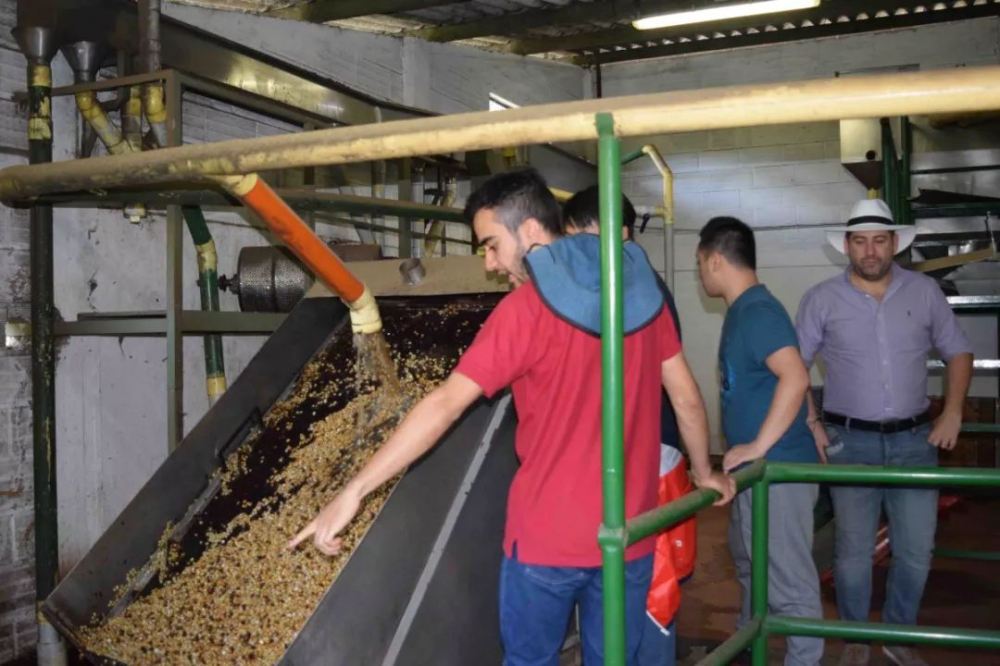
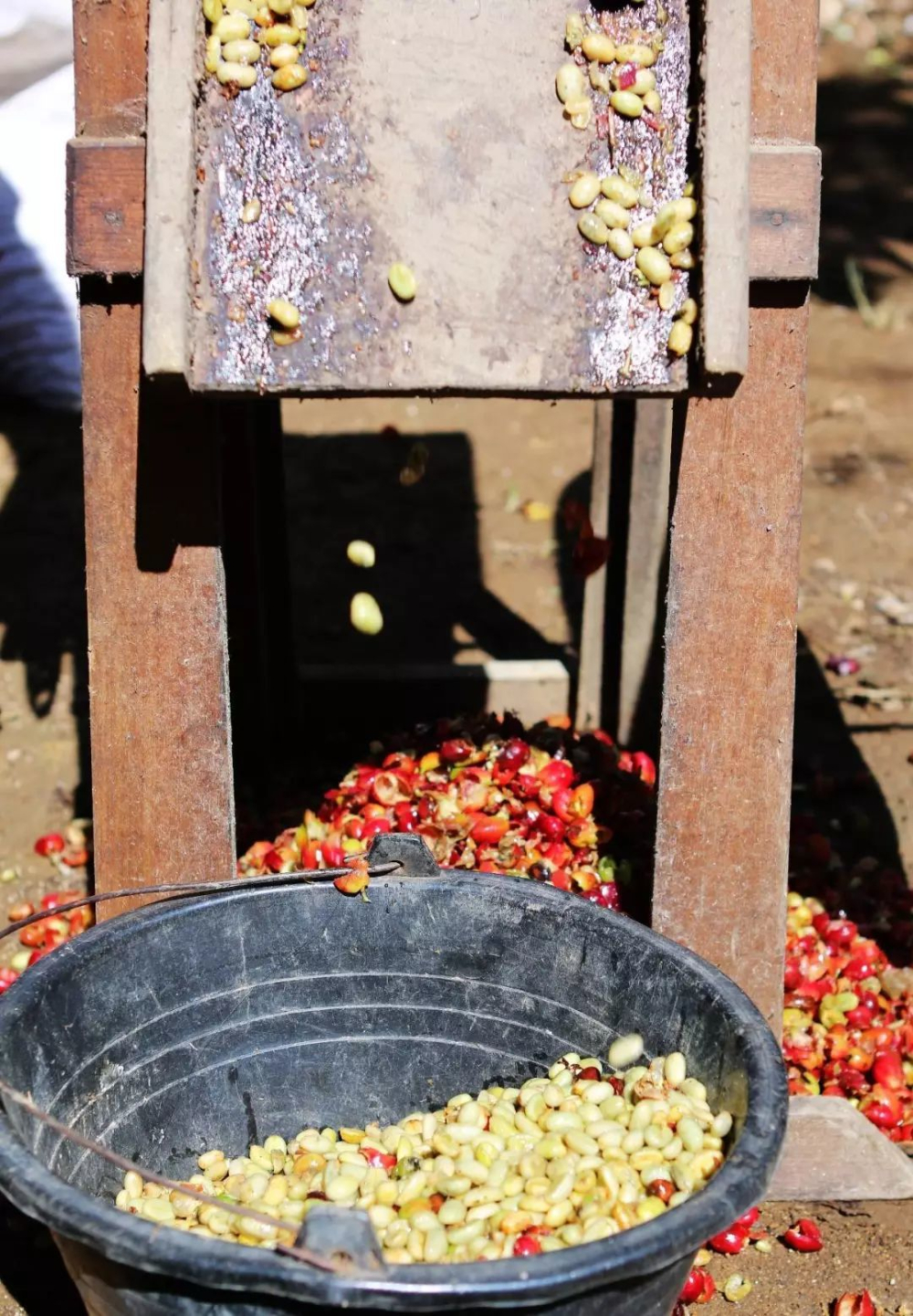
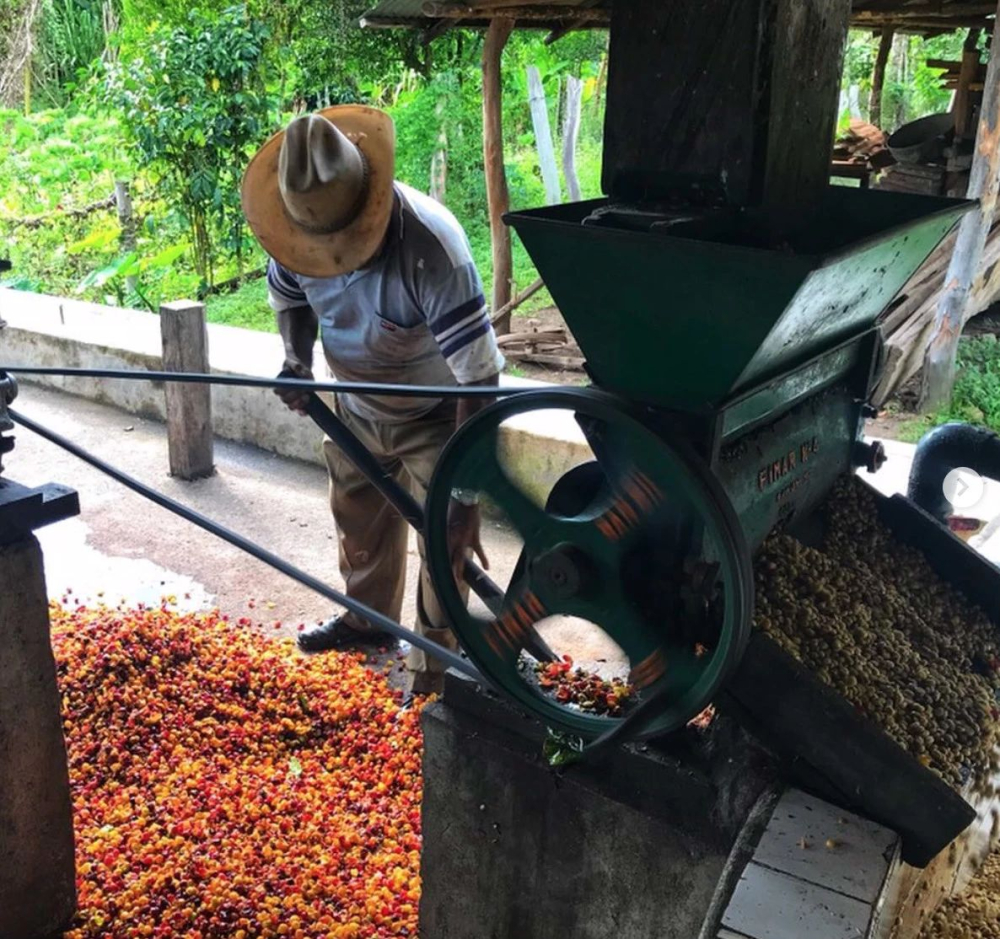
After harvest, cherries are processed immediately, typically within 6 to 12 hours of picking. They are first weighed, then placed in water for soaking, which selects out fruits that float due to insufficient quality. The cherries are then sent to a depulper for skin removal - this step removes the skin and pulp.
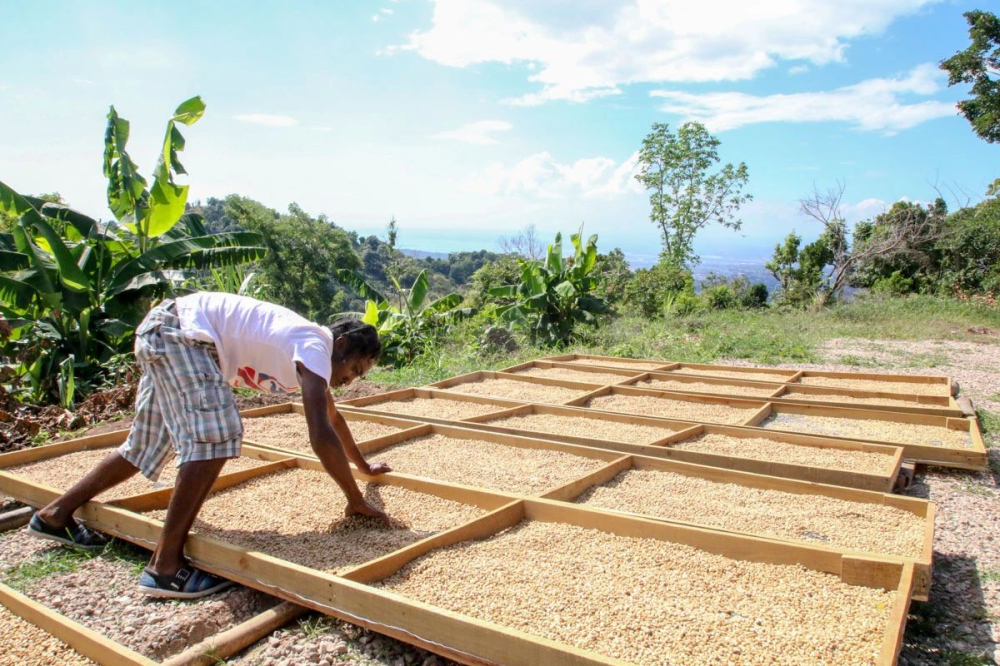
The washed beans are then sorted to remove defective coffee beans. Immediately after, they are sent to drying areas (waterproof tarps, cement patios, raised beds, and so on). Drying time depends on climate and other factors, typically ranging from 5 to 14 days. During this time the beans' moisture content drops from 55% to 11%. The dried beans are called parchment coffee - green beans with the parchment layer. The parchment beans are sent to warehouses for storage and hulled before export.
Advantages of the Washed Method
The most traditional method is natural processing, in which cherries are dried and then opened to reveal the beans. The drawback of natural processing is its strong dependence on weather, requiring up to a month of drying; during that month, any wind or rain can ruin all the work. In the past, some unscrupulous processors even let beans get rained on and moldy in such situations, ruining quality. Most producing regions therefore cannot meet production and quality requirements with the natural method. Indonesia, for example, initially focused on natural processing, but its climate is humid and rainy; even switching to Brazilian-style semi-natural processing could not adapt to local conditions, which led to its distinctive wet-hulling method.
The washed method effectively reduces dependence on weather during production. With shorter drying times, stable quality, and a far lower defect rate than traditional natural processing, almost all coffee-producing countries in the Americas rely primarily on washed processing - Colombia, Panama, Guatemala, Honduras, and others.
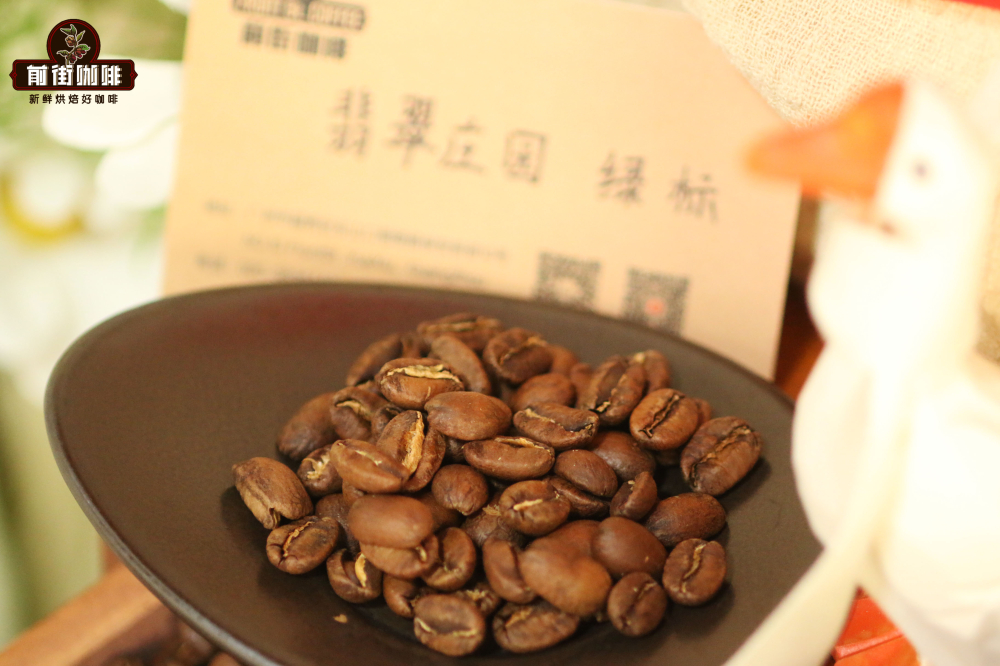
FrontStreet Coffee often describes the taste of washed coffee as very clean with high acidity. Unlike the full body of natural coffee, high-altitude coffee processed with the washed method feels more refined and refreshing. For example, FrontStreet Coffee's washed Green Label Geisha from Hacienda La Esmeralda presents citrus acidity, a nutty mid-palate, delicate white florals throughout, and an oolong-tea aftertaste.
Disadvantages of the Washed Method
The biggest disadvantage of the washed method is its need for large amounts of water. At the same time, during rinsing, the mucilage attached to the parchment is washed into the water, turning it into highly acidic wastewater. Discharging it directly onto surrounding fields can damage the soil. Although it can be filtered and purified through subsequent treatment ponds or facilities, most small farmers lack the awareness and ability to build such facilities. Under traditional washed processing, then, while achieving very clean and bright coffee flavors, the environment also bears significant pressure.
Large estates therefore adopt advanced equipment and water-recycling models to reuse discharged water. For example, Clifton Mount Estate, which produces FrontStreet Coffee's Jamaica Blue Mountain No. 1 beans, has established a dedicated wastewater treatment plant that uses green-bean processing water for agricultural irrigation, while the removed fruit skins are fermented into organic fertilizer for flower cultivation.
With diverse market demands, some estates have begun releasing small batches of natural-processed Blue Mountain, but FrontStreet Coffee believes washed Blue Mountain represents the most classic Blue Mountain flavor. If you are tasting it for the first time, FrontStreet Coffee also recommends starting with washed beans. FrontStreet Coffee's washed Blue Mountain No. 1 drinks with the sweet aroma of dark chocolate, caramel sweetness, and a soft, elegant acidity. Each flavor is balanced, with a smooth, rich mouthfeel, presenting very typical Blue Mountain characteristics.
FrontStreet Coffee Recommendation
The washed method is the backbone of FrontStreet Coffee's most transparent, terroir-driven coffees, and its lineage runs through several signature lots. For a floral, gently fruit-driven cup, FrontStreet's Costa Rica Blackberry uses a black honey process that removes almost no mucilage and dries for at least two weeks under cover, so the sugars convert fully; roasted medium-light, it offers dense floral aroma and grape, berry, and ripe blackberry on the sip.
For a clean, sweet, sweetness-forward cup, FrontStreet's Strawberry Candy pairs a Panama Geisha with a Costa Rican raisin-honey coffee that retains 100% mucilage through a zero-water process - giving Geisha's floral-tea character with grape and dried blueberry, soft fruit acidity, an almond finish, and clear sweetness. And for a distinctly fruit-forward tropical profile, FrontStreet's Costa Rica Mozart, a raisin honey innovation, dries the cherries on raised beds for at least three days before pulping, bringing osmanthus, pineapple, and raisin aromas to pour-over, cold brew, or moka pot. Together these show how FrontStreet Coffee applies the washed method's clean, bright foundation and then layers honey and raisin-honey processing on top.
Important Notice :
FrontStreet Coffee is a long-established specialty coffee roaster in Guangzhou China, selling freshly roasted beans from its own farm in Yunnan as well as dozens of carefully selected single-origin beans from around the world for both pour-over and espresso. The products deliver consistently excellent quality and great value, with shipping within 24 hours. Guangzhou's FrontStreet Coffee shop is recommended by many coffee lovers, and the beans are now available online at the Tmall 。
FrontStreet Coffee has moved to a new address:
FrontStreet Coffee Address: 315,Donghua East Road,GuangZhou
Tel:020 38364473
 Scan and follow the En Gafei WeChat official account. Please indicate that the reprint comes from "En Gafei".