Costa Rica Las Hacias Estate Single-Origin Coffee Varieties, Brand Recommendations and Estate Introduction
Introduction to Las Lajas Estate: Single Origin Varieties, Brand Recommendations, and Estate Overview
The honey processing method is one of the mainstream methods for specialty green coffee. Among today's mainstream processes, honey is the most recent arrival, derived from Brazil's pulped natural method (also known as semi-washed processing).
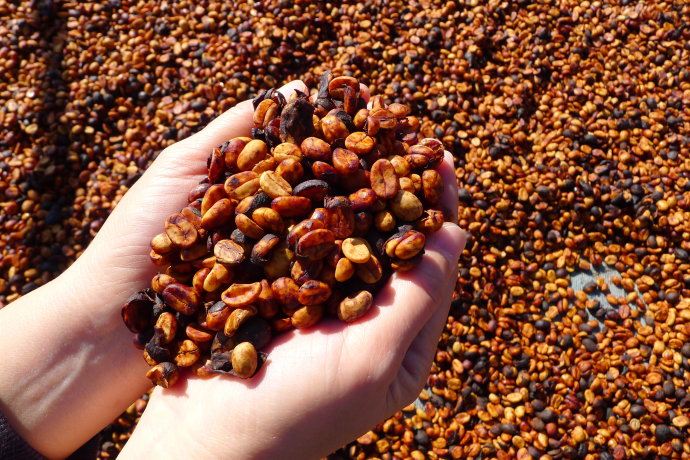
Costa Rica was the first country to apply honey processing to green coffee. Within Costa Rica, there are three major growing regions: Tarrazu, the Central Valley, and the West Valley.
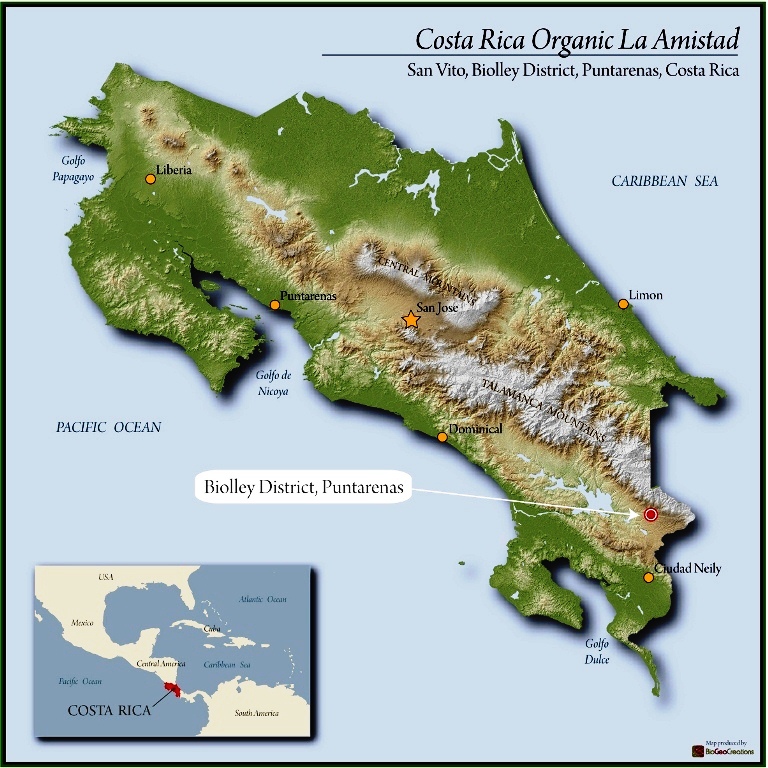
Las Lajas Estate sits in the Central Valley and was one of Costa Rica's first plantations to systematically research and use refined natural and honey processing. The estate lies at elevations between 1,300 and 1,500 meters, with an annual production of approximately 55,200 kilograms of green coffee.
Las Lajas maintains extremely strict standards: during harvest, a sweetness meter (BRIX) screens the cherries that qualify, and the processing equipment is frequently modified to meet the evolving demands of refined natural and honey methods. The estate has taken honey processing to its extreme. The standard definitions run as follows: yellow honey retains less than 50% of the mucilage after pulping, red honey retains at least 80%, and black honey retains nearly all of it before drying and fermentation. Las Lajas, however, does things differently - its yellow, red, and black honeys all remove only the pulp while preserving 100% of the mucilage, then shape flavor through different turning schedules during drying.
Natural Processing
Its natural processing is equally distinctive, controlling flavor formation through either pure sun exposure or alternating spells of sun and shade. Here are two representative Las Lajas coffees I particularly like: one black honey processed, and one Perla Negra (Black Pearl).
Both the black honey lot and Perla Negra can be roasted to a medium-light level. Done properly, the black honey shows distinct nutty aromas and brown-sugar flavors, with excellent sweetness and a smooth, full body.
Perla Negra is a naturally processed coffee. Roasted well, it displays distinct cocoa notes, fruit acidity and sweetness, and a finish reminiscent of an alcoholic drink.
Las Lajas Estate Perla Negra
Country: Costa Rica
Name: Las Lajas Estate - Perla Negra
Region: Central Valley
Grade: SHB
Processing Method: Natural
Altitude: 1,300-1,500 meters
Varieties: Caturra & Catuai
Among Costa Rica's currently popular refined natural and honey processes, Las Lajas was one of the first estates to research and implement them systematically, and for years it has been a favorite of buyers worldwide. The estate is managed today by third-generation owner Francisca Cubillo and her husband Oscar. It sits in the Central Valley, not far from the capital and very close to Poas Volcano, at 1,300-1,500 meters, producing approximately 55,200 kilograms a year.
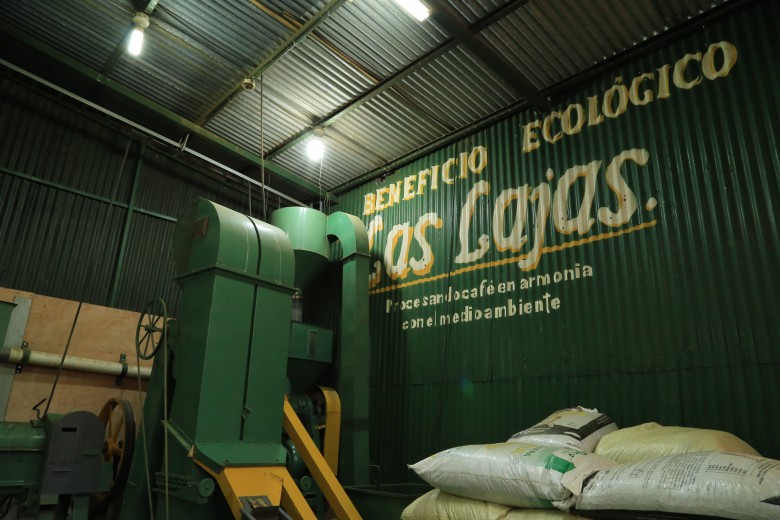
Years ago, Francisca hoped to push the estate's flavor expression further. At the time, the vast majority of Costa Rican farmers used traditional washed processing to supply the US and European markets, so she began researching and reworking the estate's equipment to suit natural and honey processing. At harvest she uses a BRIX meter to select red cherries that meet her standard, built the estate's own washing station, and dries the beans on African raised beds.
Among the coffees processed at Las Lajas, the owner sorts honey and natural lots into different products by flavor profile. For honey processing, most Costa Rican farmers control how much mucilage remains via the pulping machines; Las Lajas chose another path: keeping 100% of the mucilage and controlling the drying and turning schedules on the raised beds to create different flavor expressions. The estate divides its honey coffee into yellow, red, and black honey.
Yellow Honey Processing:
After pulping, the coffee goes onto African raised beds at dawn for sun drying and is turned immediately.
Red Honey Processing:
After pulping, the coffee goes onto African raised beds at dawn for sun drying and is first turned only after noon.
Black Honey Processing:
After pulping, the coffee goes onto African raised beds at dawn for sun drying and is first turned only late in the afternoon.
As for natural processing, plastic tarps used for shading create many more delicate flavor expressions.
Perla Negra:
Harvested red cherries are laid on African raised beds at dawn and turned regularly in the sun until they reach 11.5% moisture content. The whole process takes about two weeks.
Alma Negra:
Harvested red cherries are laid on African raised beds at dawn, turned regularly in the sun for one day, then covered with plastic tarps to rest until reaching 11.5% moisture content. The whole process takes about three weeks.
On the fertilization side, the owner strictly requires every process to follow organic standards for cultivation and feeding. The entire estate uses organic, self-made compost, and the organic standards extend to soil quality, shade trees, and washing-station procedures. After years of effort, Las Lajas has obtained Japan JAS, USDA, and NOP organic certifications.
Las Lajas Estate Black Honey - Finca Las Lajas Black Honey
Country: Costa Rica
Region: Central Valley
Altitude: 1,300-1,500 meters
Processing Method: Black Honey
Grade: SHB
Varieties: Caturra, Catuai
Flavor Description: brown sugar, caramel, syrup, lasting full sweetness, full body
Las Lajas Estate Red Honey - Finca Las Lajas Red Honey
Country: Costa Rica
Region: Central Valley
Altitude: 1,300-1,500 meters
Processing Method: Red Honey
Grade: SHB
Varieties: Caturra, Catuai
Flavor Description: tropical fruits, coffee cherry, lasting mellow winey aroma
Las Lajas Estate Yellow Honey - Finca Las Lajas Yellow Honey
Country: Costa Rica
Region: Central Valley
Altitude: 1,300-1,500 meters
Processing Method: Yellow Honey
Grade: SHB
Varieties: Caturra, Catuai
Flavor Description: honey, tropical fruits, maple syrup, melon
Las Lajas Estate Perla Negra - Finca Las Lajas Perla Negra
Country: Costa Rica
Region: Central Valley
Altitude: 1,300-1,500 meters
Processing Method: Natural
Grade: SHB
Varieties: Caturra, Catuai
Flavor Description: pineapple, tropical fruits, winey aroma, pomegranate
Alma Negra, Las Lajas Estate "Black Soul" - Finca Las Lajas Alma Negra
Country: Costa Rica
Region: Central Valley
Altitude: 1,300-1,500 meters
Processing Method: Natural
Grade: SHB
Varieties: Caturra, Catuai
Flavor Description: dark chocolate, creamy, fruits, full body
Costa Rica
Population: 4,586,000
Costa Rica has long marketed its coffee by the names of its producing regions. However, flavors vary widely within each region, so it is well worth exploring each one to see what kinds of beans it can produce.
CENTRAL VALLEY
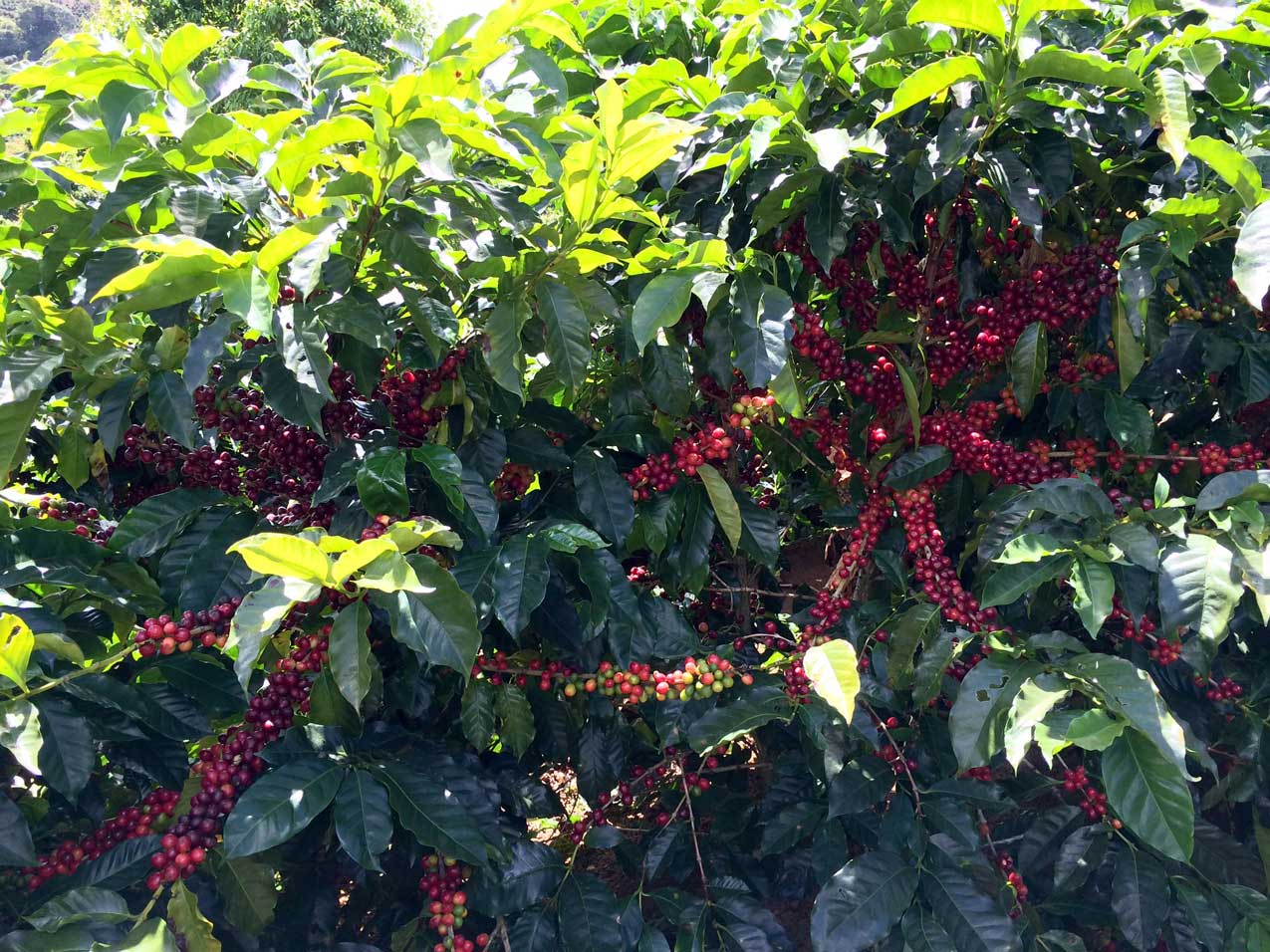
The Central Valley, home to the capital San José, is the most densely populated area and has the longest history of coffee cultivation. It is typically divided into the sub-regions of San José, Heredia, and Alajuela. Three major volcanoes - Irazú, Barva, and Poás - shape the topography and soil.
Altitude: 900-1,600m
Harvest: November - March
WEST VALLEY
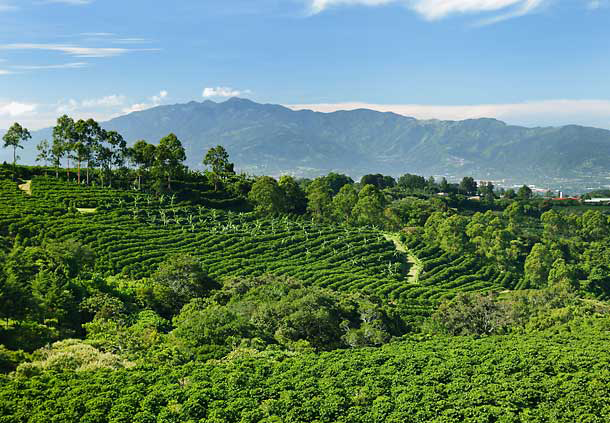
The West Valley was first settled by farmers in the 19th century who brought coffee with them. The area is divided into 6 sub-regions centered on the cities of San Ramón, Palmares, Naranjo, Grecia, Sarchí, and Atenas. The city of Sarchí lent its name to a specific coffee variety, Villa Sarchi. The region's highest-altitude areas lie around Naranjo, where some exceptional coffees can be found.
Altitude: 700-1,600m
Harvest: October - February
TARRAZU
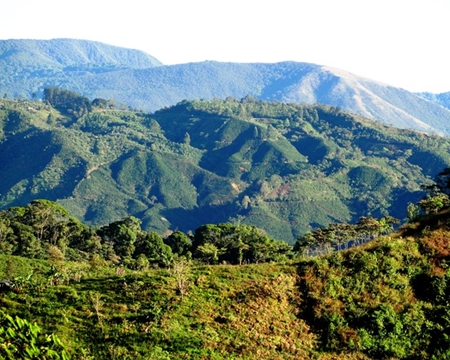
Tarrazú has long established a reputation for guaranteed quality; for years, coffee from here was almost automatically considered high grade. In practice, though, this coffee comes from many different farms and is then blended into large batches. Over time the Tarrazú brand has accumulated so much strength that coffee produced outside the region is sometimes labeled Tarrazú to raise its value. Costa Rica's highest coffee farms are located in this region, and like many other regions, the profitable window coincides with the distinct dry-season harvest.
Altitude: 1,200-1,900m
Harvest: November - March
FrontStreet Coffee Recommendation
Honey processing descends from Brazil's pulped natural (semi-dried) method, and FrontStreet Coffee's Brazil portfolio shows that heritage beautifully. The FrontStreet Cerrado Red Bourbon, a classic semi-dried processed Brazilian, delivers cream, peanut, toasted bread, caramel, and hazelnut aromas with a rounded, non-acidic cup - at home in pour-over, moka pot, espresso SOE, siphon, and French press alike.
The FrontStreet Brazil Queen Estate yellow bourbon, grown in Mogiana's fertile red volcanic soil near southern Minas, is a rare mutation of red bourbon with a cleaner fruit character: sugarcane sweetness, fruit notes, and chocolate that shine through pour-over, moka pot, or home espresso machines.
Brazil's low acidity and balance also anchor FrontStreet Coffee's espresso blends - the crema-rich Classic Blend, the nutty Premium Blend, and the Dark Cocoa Blend favored by baristas - where Brazilian beans contribute chocolate, cream, and gentle sweet-sour-bitter balance that keeps extraction stable.
Important Notice :
FrontStreet Coffee is a long-established specialty coffee roaster in Guangzhou China, selling freshly roasted beans from its own farm in Yunnan as well as dozens of carefully selected single-origin beans from around the world for both pour-over and espresso. The products deliver consistently excellent quality and great value, with shipping within 24 hours. Guangzhou's FrontStreet Coffee shop is recommended by many coffee lovers, and the beans are now available online at the Tmall 。
FrontStreet Coffee has moved to a new address:
FrontStreet Coffee Address: 315,Donghua East Road,GuangZhou
Tel:020 38364473
 Scan and follow the En Gafei WeChat official account. Please indicate that the reprint comes from "En Gafei".