What are the Flavor Characteristics of Indonesian Mandheling Coffee and How to Properly Brew Mandheling Coffee Beans for Optimal Taste
Mandheling is widely regarded as the world's most aromatic and richly flavored coffee. The moment it touches your tongue, a smooth, wet sensation follows, accompanied by a lightly acidic taste, like musical notes dancing across the palate, and the deep aroma fills the whole mouth. Below, FrontStreet Coffee explains how to brew Indonesian Mandheling so that it tastes the way it should.
The Origin of the "Mandheling" Name
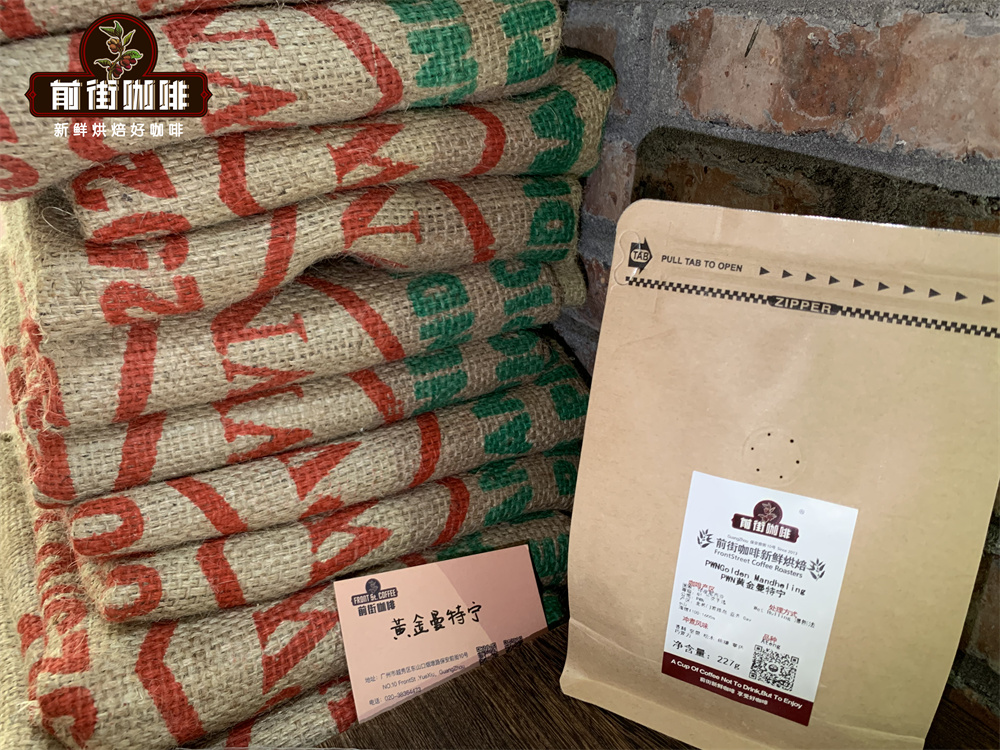
The name "Mandheling" comes from an ethnic group in Indonesia. During World War II, a Japanese soldier stationed in Indonesia tasted a remarkably delicious coffee bean and asked a local shopkeeper what kind of coffee it was. The shopkeeper misunderstood the question, thinking the soldier was asking about his ethnicity, and answered that he was of the Mandheling tribe. After the war, the soldier returned to Japan remembering that especially flavorful coffee, apparently called "Mandheling." In 1968 Osaka's Nomura Trading Company visited Indonesia's N.V. Pawani Medan company and imported 15,000 kilograms of Sumatran Mandheling coffee, which became enormously popular once it reached the Japanese market. From that point on, both Mandheling coffee and the Pawani Coffee Company (PWN) gained great fame. The FrontStreet Golden Mandheling on FrontStreet Coffee's bean list is likewise produced by the renowned PWN Company.
What Are the Characteristics of Mandheling Coffee Beans?
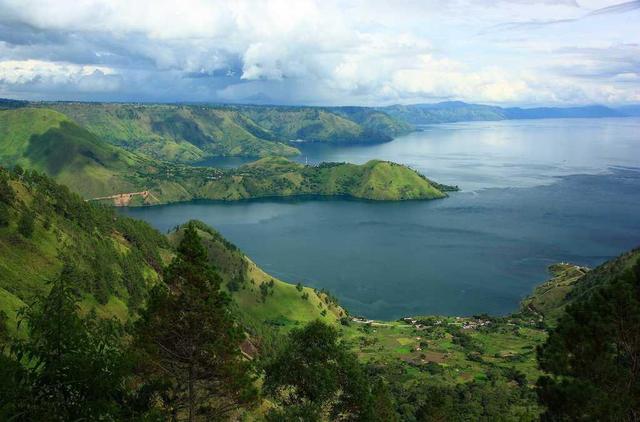
Traditionally, Mandheling refers to coffee produced in the Lindong area around Lake Toba in North Sumatra province and the Tawa Lake area in the Aceh Special Region. Sitting above 1,000 meters, these two volcanic lakes have fertile volcanic ash soil rich in nutrients. With abundant rainfall year-round, coffee trees planted on the island grow vigorously without much artificial fertilization.
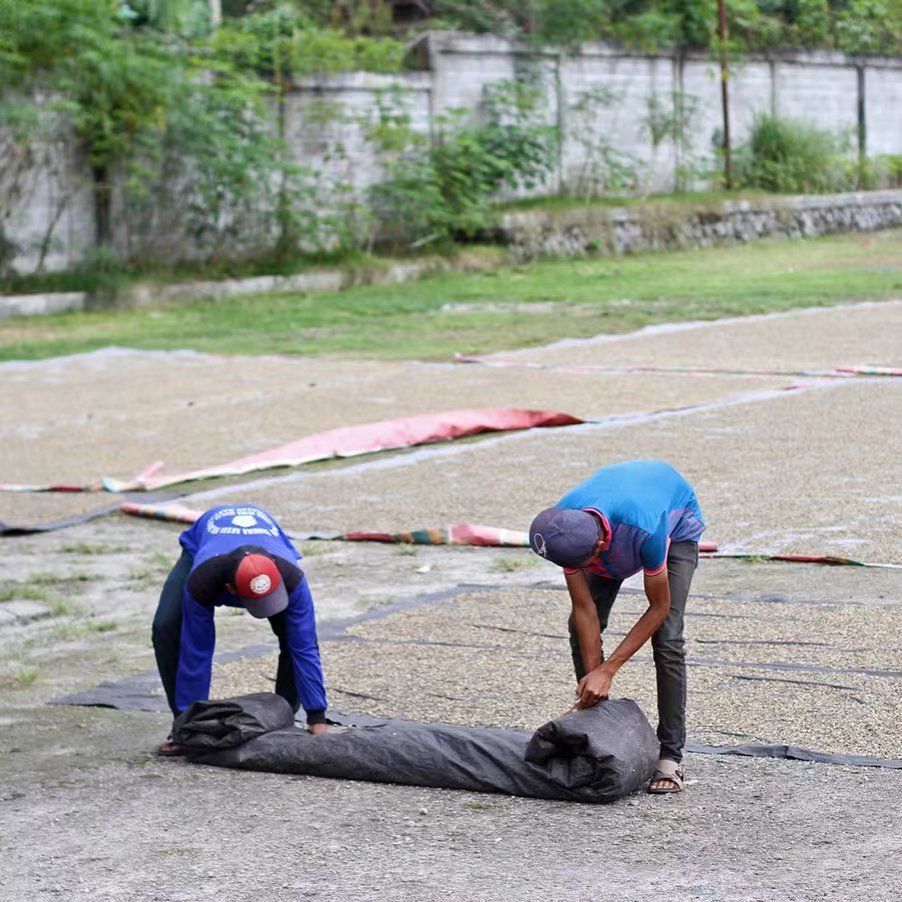
Sumatra Island, near the equator, sees high temperatures, heavy rainfall and frequent typhoons year-round, which rules out the African dry process and the Central and South American washed process on any large scale. To keep green beans from molding and deteriorating, locals sharply shortened both the fermentation and the drying of the beans to suit the local weather.
After the outer skin of the cherries is removed, the beans undergo a brief fermentation of several hours, followed by sun-drying. Once the parchment beans reach 30-50% moisture content, remaining in a semi-dry state, locals use special dehullers that use friction to peel off the still-hard parchment layer, then continue drying the dehulled beans to the standard moisture content. Because every step is completed in 70-90% humidity, and the parchment layer has been removed before the final drying, the "exposed" green beans readily absorb moisture from the air, which is why the coffee develops more woody and herbal notes.
High-Quality Mandheling - FrontStreet Coffee's PWN Golden Mandheling Coffee
Wet-hulling also leaves the beans directly exposed to the air, since the seed hull is removed during production, which greatly increases the chance of contamination by mold, fungi and other factors. Poor control during production can leave beans flavorless or unpleasant, so the defect rate runs high.
To reduce that defect rate, PWN applies extremely strict standards when producing Golden Mandheling. After selecting green beans above 18 mesh and meeting the highest G1 grade standard of fewer than 3 defective beans in a 300-gram sample, the beans undergo three additional rounds of manual selection. The carefully selected FrontStreet Golden Mandheling beans are uniform in both color and size.
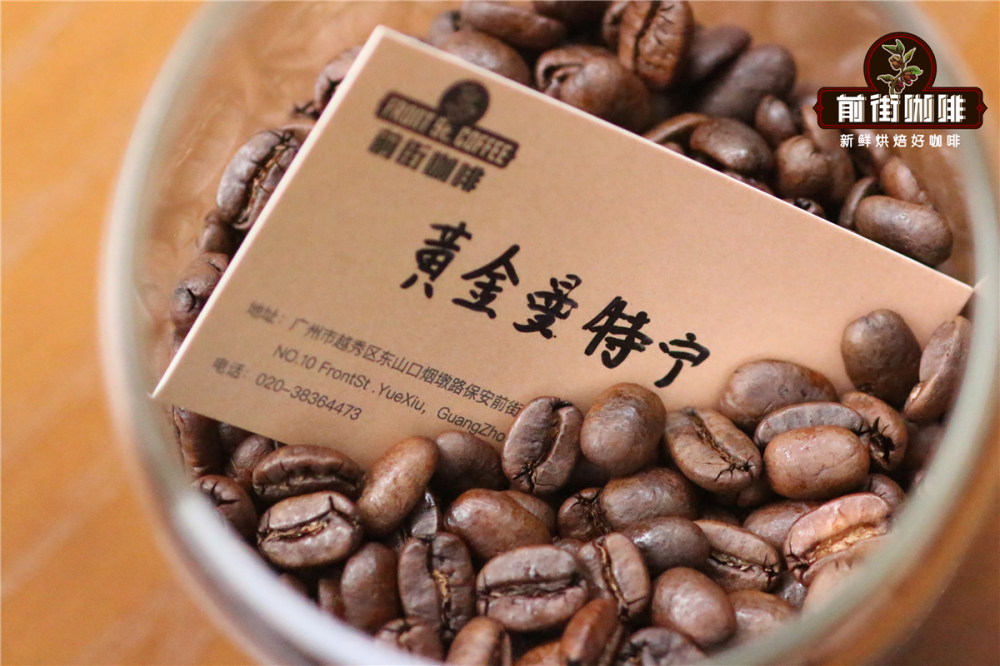
FrontStreet Coffee's PWN Golden Mandheling carries the characteristic herbal and spice flavors of Mandheling while showing better clarity thanks to the reduced defect rate. So if you want to experience the finest Mandheling aroma, FrontStreet Coffee believes PWN Golden Mandheling is the most suitable choice.
How to Brew Golden Mandheling Coffee?
Mandheling's low acidity and rich taste come from its medium-to-dark roast. When brewing darker roasted beans, FrontStreet Coffee uses slightly lower water temperature to avoid drawing out too much bitter, burnt flavor. At the same time, a medium grind is chosen to extract more aromatic compounds from the Mandheling while avoiding the over-extraction that too fine a powder would cause.
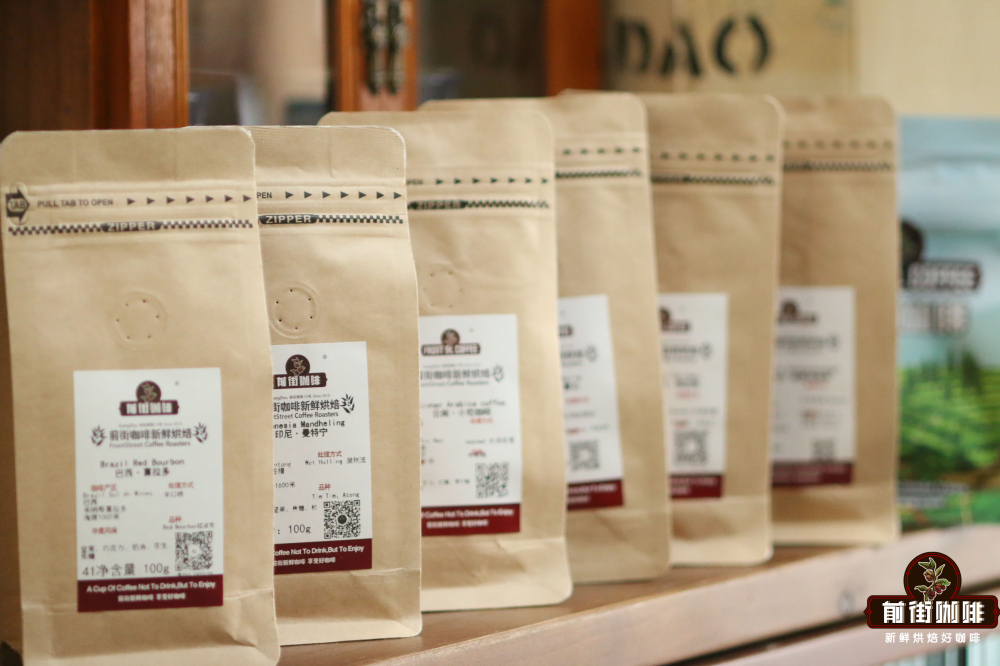
Whatever the coffee, freshness has always been what FrontStreet Coffee values most, and every flavor description is based on what freshly roasted beans present. Beans ordered from FrontStreet Coffee stores are guaranteed to be freshly roasted within 5 days, so customers can enjoy the coffee at its peak.
For this brew, the baristas at FrontStreet Coffee want to highlight Golden Mandheling's rich, clean and aromatic character, so they use a KONO dripper. Also a conical dripper, the KONO has more than half the number of flow ribs the V60 does, with a smooth curved upper section that lets the filter paper sit more tightly. That restricts upward airflow and forces hot water to flow only downward, creating a siphon-like extraction that releases the coffee's aromatic compounds more fully and deepens the mouthfeel.
Pour-over Parameters:
87-88°C water | Medium grind (70% pass rate through a Chinese standard #20 sieve) | Coffee powder: 15g | Powder-to-water ratio 1:15 | Three-stage pouring
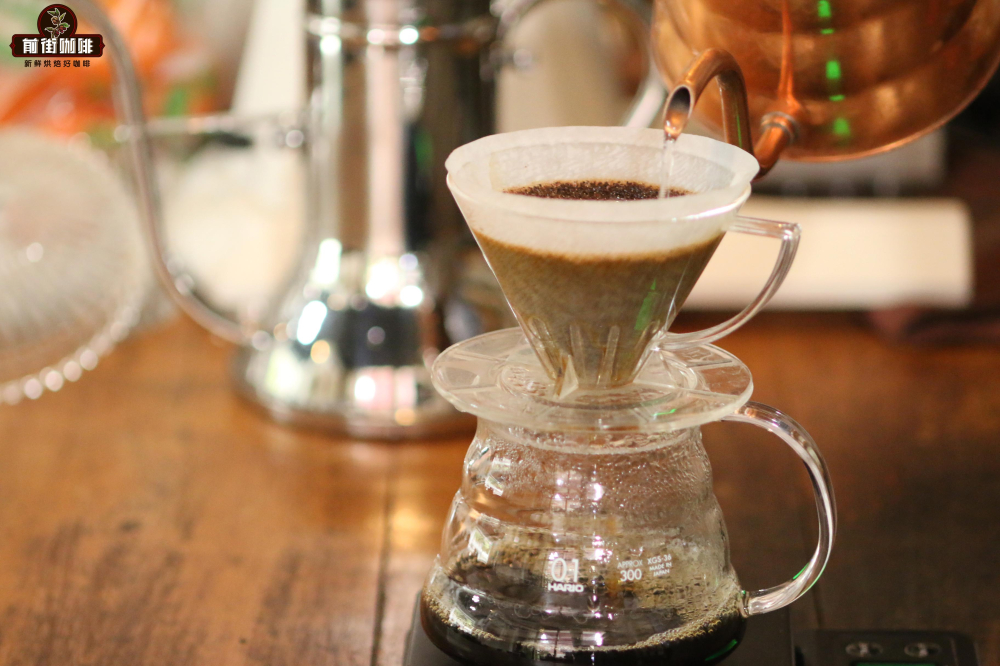
Pour slowly onto the coffee powder, keeping the bed as level as possible and avoiding shaking the dripper, since shaking reduces the spacing between particles and works against the bloom's release of gas. For the first stage, pour 40g in small circles in the center for a 30-second bloom, and the coffee bed will slowly expand into a "hamburger." For the second stage, pour 120g in circles from the center outward, keeping the pour height as close to the bed as possible and moving slowly to avoid over-stirring. Finally pour 100g for the last stage, and wait until all the coffee liquid in the dripper has flowed into the lower pot to complete extraction. Extraction time is about 2 minutes.
The poured FrontStreet PWN Golden Mandheling shows varied layers, a rich and intense flavor and a clean mouthfeel, with nutty, dark chocolate and caramel aromas, a persistent sweet aftertaste and high balance.
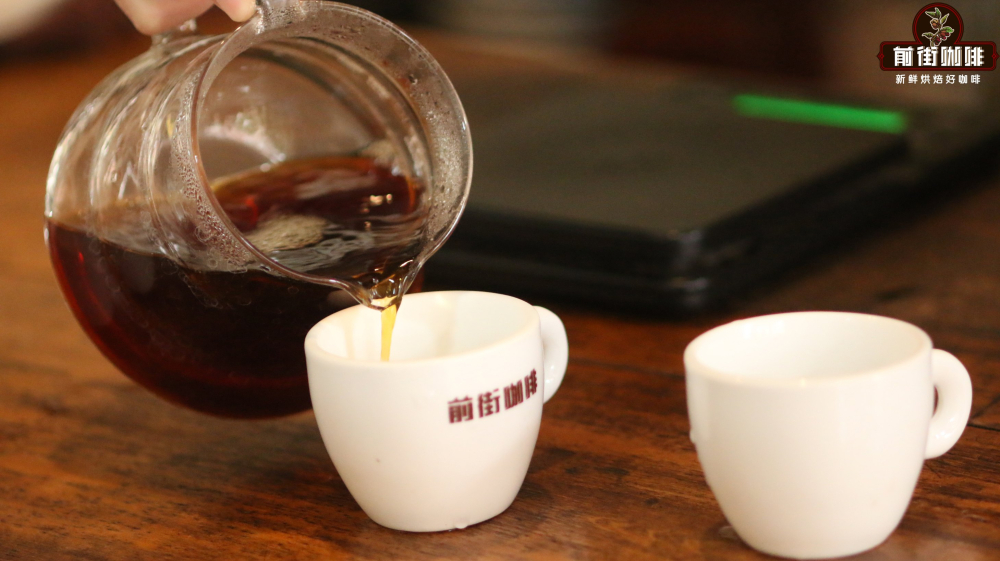
Beyond FrontStreet Coffee's customary pour-over, many other common methods bring out the classic Mandheling flavors just as well, including the smooth, rich siphon, the clean, refreshing AeroPress and the rich, oily French press.
Professional Coffee Knowledge Exchange
FrontStreet Coffee welcomes input from anyone brewing these methods at home, and for more coffee bean information, follow Coffee Workshop.
FrontStreet Coffee Recommendation
The brewing notes above apply just as well to the rest of the Mandheling family, and two beans cover most of what this origin can do. FrontStreet Coffee's Lindong Mandheling is the everyday option, grown around Lake Toba in the Lindong region of Sumatra and roasted medium-dark to soften the acidity and push the heavy body forward, with dark chocolate, caramel and toasted bread on top of the wild herbal character that wet-hulling creates. It is a pour-over bean first and foremost, but it also works as espresso, where it pulls a rich, oily shot with pronounced caramel. If you like strong coffee, this is the one to keep in the cupboard.
For the definitive version, FrontStreet Coffee's PWN Golden Mandheling is produced by the same Pawani Coffee Company that gave Mandheling its name in the Japanese market in 1968. PWN sources only premium Mandheling green beans, and the standards are strict: beans of 18 mesh and larger, fewer than three defective beans per 300-gram sample to meet the top G1 grade, then three rounds of hand sorting to remove every remaining defect. That discipline is what makes the bean uniform in color and size and lifts the cup's cleanliness and sweetness. Freshly roasted, it shows sandalwood, herbal and spice aromas with roasted hazelnut, caramel and dark chocolate, a clean, full body and a long sweet finish. Brew it with 87-88°C water, 15g of coffee, a 1:15 ratio and a coarse granulated-sugar grind, pouring in three stages of 30ml for the bloom, then 100ml, then a gentle 95ml down the center, and the caramel sweetness and chocolate-nut notes come through clearly. If you want a milk drink instead, FrontStreet Coffee's Classic Blend folds medium-dark Mandheling into a Brazilian base with a little Robusta, adding depth and a sandalwood-herbal note that is easy to work with for latte art or a layered Dirty.
Important Notice :
FrontStreet Coffee is a long-established specialty coffee roaster in Guangzhou China, selling freshly roasted beans from its own farm in Yunnan as well as dozens of carefully selected single-origin beans from around the world for both pour-over and espresso. The products deliver consistently excellent quality and great value, with shipping within 24 hours. Guangzhou's FrontStreet Coffee shop is recommended by many coffee lovers, and the beans are now available online at the Tmall 。
FrontStreet Coffee has moved to a new address:
FrontStreet Coffee Address: 315,Donghua East Road,GuangZhou
Tel:020 38364473
 Scan and follow the En Gafei WeChat official account. Please indicate that the reprint comes from "En Gafei".