What is Mocha Coffee, Yemeni Qishwa? Recommended Brewing Methods for Yemeni Mocha Coffee
Yemen has the longest history of commercial coffee production of any country. Its coffee is extremely distinctive, with a rather unusual flavor profile that may not appeal to the general public. Despite enormous market demand for Yemeni coffee, the local trade has never changed with the commercial coffee market. Yemeni coffee is absolutely unique, showing distinctive character in its varieties, its terrace-style cultivation, its processing methods, and its industry.
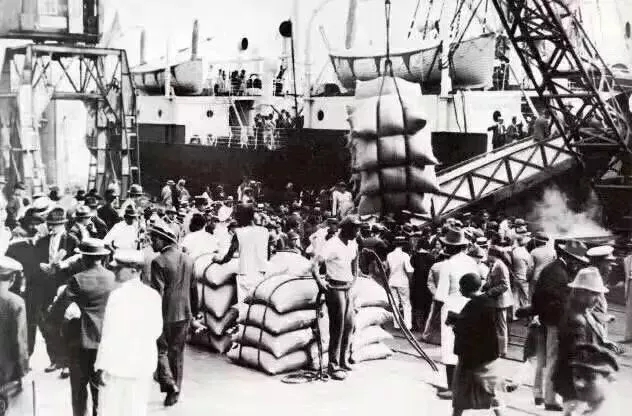
Coffee was introduced to Yemen from Ethiopia, perhaps carried by caravans or by pilgrims traveling from Ethiopia to Mecca, and had reached considerable scale between the 15th and 16th centuries. Because coffee was exported from this place, the port of Mocha also became famous.
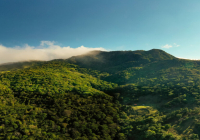
Yemen's agricultural structure is quite unusual: only 3% of its land is suitable for farming, and agricultural development is limited by water sources. Coffee grows on terraces at high altitude and needs additional artificial irrigation to thrive. Many farmers depend on non-renewable resources such as groundwater, raising concerns about depletion. Fertilizer is rarely applied, so soil nutrient loss is another problem. All of this, combined with the remote locations of the coffee areas, explains why so many distinct Arabica-derived varieties exist across the country—most of them unique to specific regions.
Yemeni coffee is harvested by hand, with workers visiting the same tree multiple times in a season. Even so, selective picking is not common, so unripe and overripe fruit are harvested together. The whole fruit is usually sun-dried, often on farmers' roofs where space is limited. The fruit is frequently piled up, which prevents proper drying and leads to defects such as uneven drying, fermentation, or mold.
Each producer often grows only a small amount of coffee. According to the 2000 census report, approximately 99,000 households in the country produce coffee. It is estimated that each household's green bean production that year was only 113 kilograms.
Global demand for Yemeni coffee is extremely high, with half of total exports shipped to Saudi Arabia. High demand, limited production, and very high production costs keep prices high. That demand, however, has not made Yemeni coffee traceable. Sales pass through a series of channels from farmers to exporters, with considerable storage time—usually several years—since many exporters sell the oldest stock first and store the newest harvest in underground caves.
What is "Mocha"?
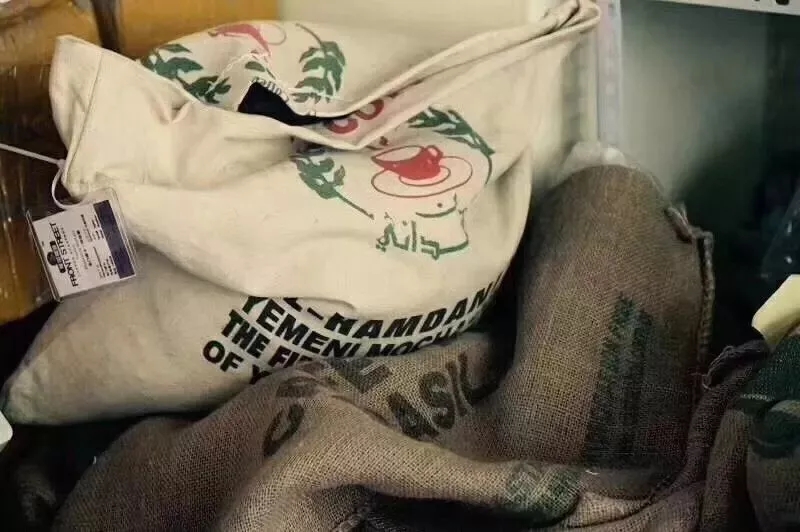
Originally, "Mocha" was the name of Yemen's coffee export port. The spelling quickly shifted to "moka" to describe the strong, rich style of Yemeni coffee. Today, some sun-processed coffees from other countries use the same name, such as Ethiopia's Moka Harar.
Yemeni coffee is often blended with Java island coffee, giving rise to the term "Mocha-Java." Because that name is not protected, however, it has become a term many roasters use to describe their own specially created blend style rather than an origin. On top of that, "Mocha" is now also used to describe a drink mixed with hot chocolate and espresso, which confuses consumers further.
Qeshir
Qeshir is a rather popular coffee by-product: the dried coffee husks removed from the fruit during processing, dried but unroasted. These dried husks are usually brewed like tea and are a popular way of drinking coffee among Yemenis. In recent years, coffee producers in Central America have also begun producing such products, locally called cascara. Typically that is only dried coffee fruit, unlike Yemeni Qeshir, which includes both fruit and dried husks.
Traceability
Tracing the origin of Yemeni coffee is not easy. In most cases the term "Mocha" appears in the coffee name, which is the name of the local export port. Usually coffee can be traced only to specific regions rather than specific origins. It is also quite common to describe coffee using local variety names, such as Mattari.
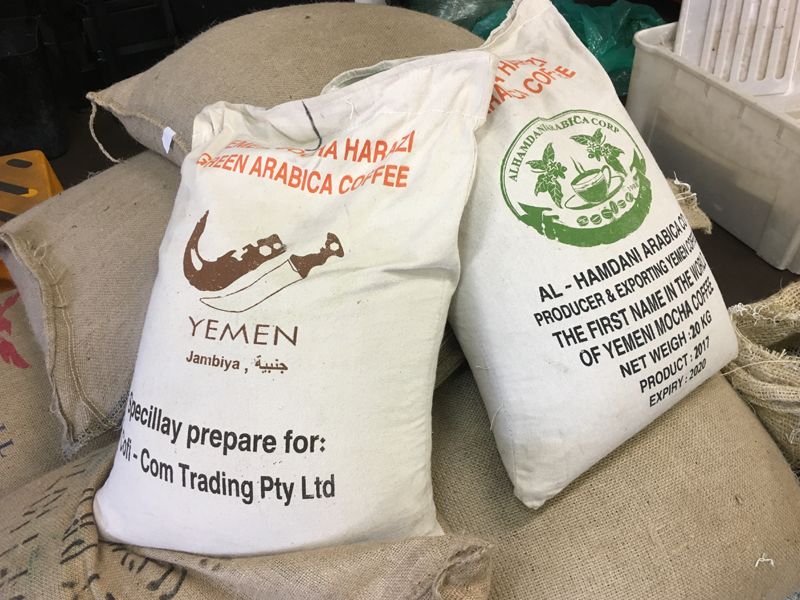
Detailed traceability is no guarantee of quality. Beans from different regions are usually mixed before export, then exported under the most valuable coffee names on the market. Yemeni coffee is sought after for its unusual flavor and wild, rich aroma—and one reason for that style is the defects created during processing. If you want to try coffee from Yemen, buy from a trusted supplier. Roasters must cup quite a few bad samples before finding a quality bean, which is a real disadvantage for consumers buying blindly, since you are likely to get coffee with impure flavor, or even rotten and unpleasant aromas.
Coffee Flavor Profile
Wild, complex, and rich, offering a unique tasting experience unlike many coffees around the world. For some people, this wild, slightly fermented fruit flavor is off-putting, but for others it is a highly appreciated coffee.
Regions
Population: 25,235,000
2013 Production (60kg bags): 200,000 bags
Note that Western spellings of place names may differ greatly from those used locally in Yemen. Each Yemeni region name is an official province name, not a geographically divided area. Yemen has 21 administrative regions, of which only 12 grow coffee, with even fewer important producers.
FrontStreet Coffee's Recommended Yemen Mocha Brewing Method
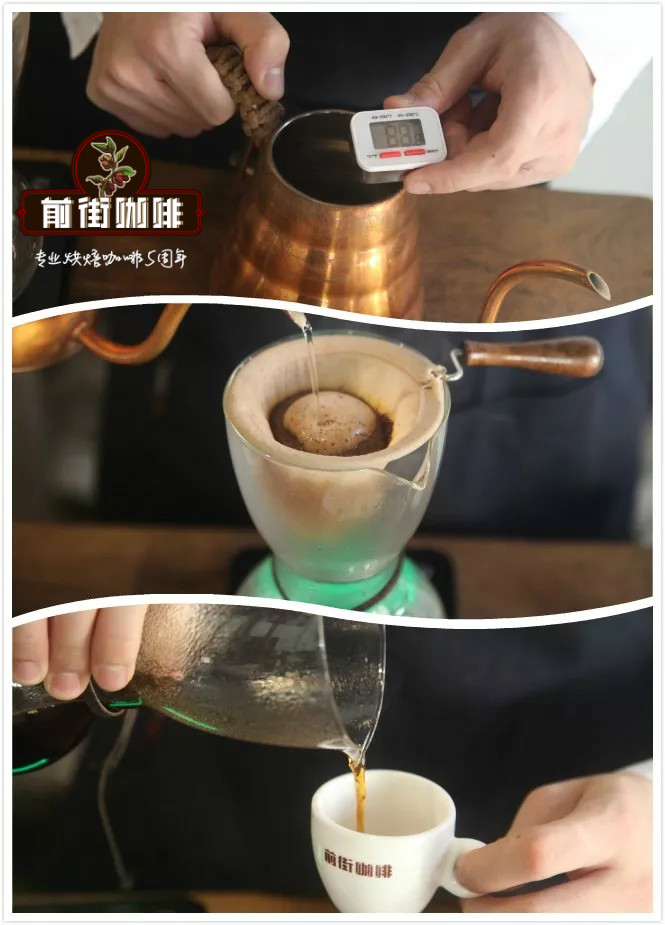
Recommended Brewing Equipment: Flannel Drip

Flannel filter cloth can carefully and slowly extract the delicious components of coffee beans. The coffee filtered through it has a rounded, deep flavor—the greatest charm of flannel. Because flannel has larger capillary pores than filter paper, it can retain some of the coffee's oils, unlike filter paper, which usually filters them all out. Coffee brewed with flannel is therefore richer and smoother than coffee brewed with filter paper.
During brewing, too, because flannel's capillary pores are coarser and every position below the water level can filter, unlike filter paper which can only filter through the gap where it meets the dripper, flannel's water filtration is slightly faster than a typical dripper-and-paper combination (and the flow rate differs on the front and back of the flannel).
Brewing Parameters
Grind size: 5M (60% pass-through rate on a China standard #20 sieve), water temperature: 88°C, coffee-to-water ratio: 1:15, extraction time: 2 minutes 30 seconds.
30g of water for a 30-second bloom, then pour to 100g for the next stage; when the water level drops and is about to expose the coffee bed, continue pouring to 225g to finish brewing.
Flavor Profile
Rich and smooth texture, intense dark chocolate flavor, persistent caramel aftertaste. As the temperature drops slightly, notes of spices and berries emerge.
FrontStreet Coffee Recommendation
Yemen's coffee shares its roots with Ethiopia, where coffee began, and if the wild, complex character of a Mocha appeals to you, FrontStreet Coffee's Ethiopian selection is a natural next step. A confident entry point is the FrontStreet washed Yirgacheffe, which shows the clear jasmine florals and bright citrus acidity that the region is known for, with a light, elegant body and a tea-like finish.
For a fruitier cup, the FrontStreet Gedingding Cooperative keeps to a traditional washed process, revealing citrus and lemon acidity and an elegant white floral note. It comes from the Woka area at the southeastern end of Yirgacheffe and became an independent cooperative in 2012 with roughly 300 farmer members, which is why its lots show such clean, expressive aromatics.
And for those who enjoy a wilder, more layered flavor, the FrontStreet Ethiopia Huakui is worth trying. Grown in the Hambella area of Guji in Sidamo on a 200-hectare farm and dried in the traditional sun method for 21 days, turned constantly and hand-sorted every three to five days, it shows light fermented wine notes, florals, citrus, and mango, with honey sweetness, cocoa, a touch of spice, a full body, and a long finish.
Important Notice :
FrontStreet Coffee is a long-established specialty coffee roaster in Guangzhou China, selling freshly roasted beans from its own farm in Yunnan as well as dozens of carefully selected single-origin beans from around the world for both pour-over and espresso. The products deliver consistently excellent quality and great value, with shipping within 24 hours. Guangzhou's FrontStreet Coffee shop is recommended by many coffee lovers, and the beans are now available online at the Tmall 。
FrontStreet Coffee has moved to a new address:
FrontStreet Coffee Address: 315,Donghua East Road,GuangZhou
Tel:020 38364473
 Scan and follow the En Gafei WeChat official account. Please indicate that the reprint comes from "En Gafei".