Tasting the Flavor Profile of Blue Mountain No.1 Coffee - Characteristics, Grades and Quality Levels of Authentic Blue Mountain Coffee Beans
The Origin of Blue Mountain Coffee
Located in eastern Jamaica, the Blue Mountain Range is renowned for producing some of the world's finest coffee. As the highest mountain range in the Caribbean, it stays misty year-round. When sunlight strikes the azure sea and casts light and shadow across its fog-wrapped peaks, the mountain takes on a bluish silhouette — hence the name Blue Mountain.
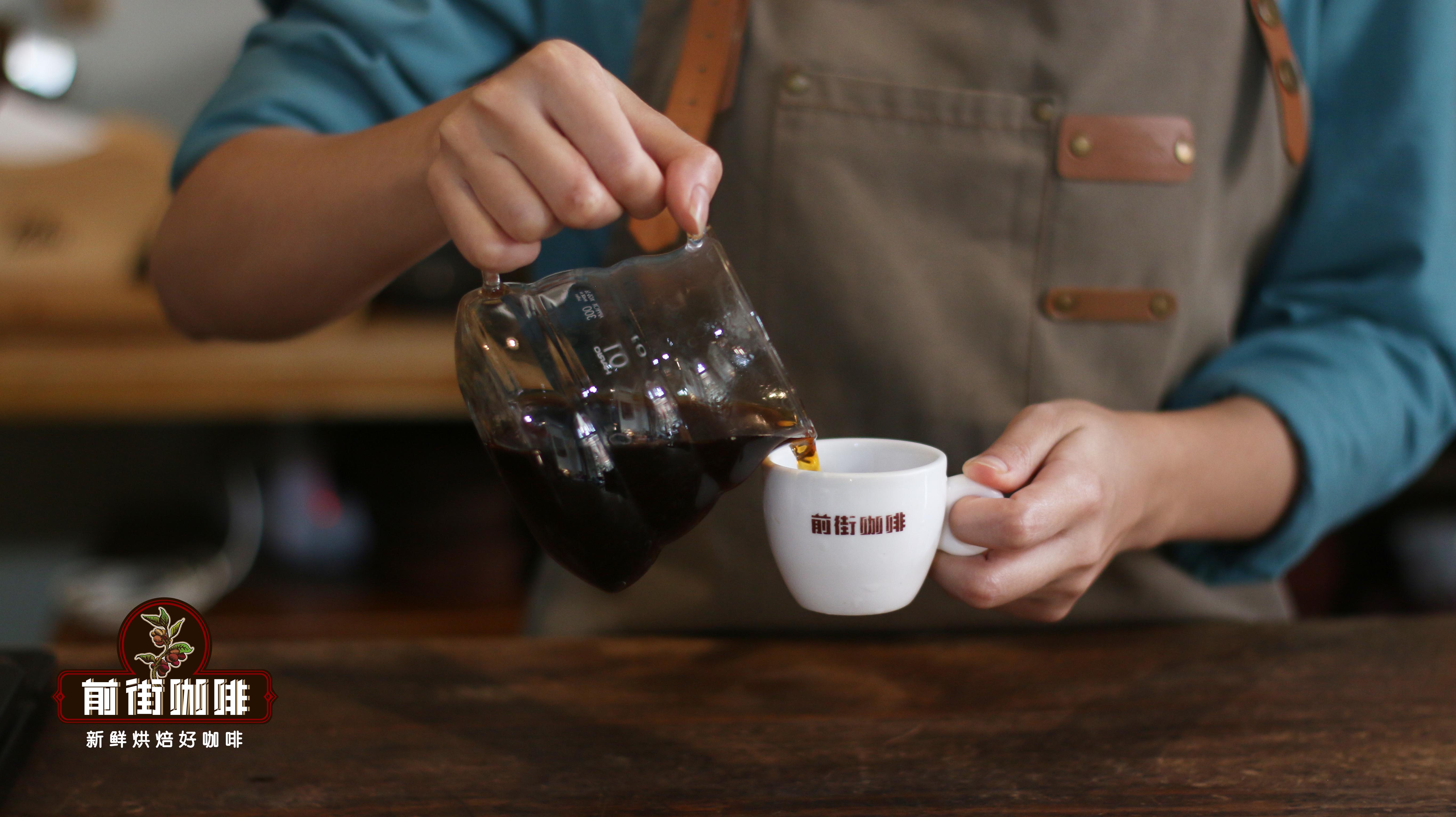
Compared with other regions, authentic Blue Mountain coffee yields only about 900 tons a year, which is then distributed worldwide. It is not inexpensive, but it remains reasonably priced.
So when you run into countless "Blue Mountain" flavors on supermarket and convenience-store shelves, or Blue Mountain-style blends in coffee shops, it pays to be cautious.
What Qualifies as Blue Mountain Coffee?
The definition of "Blue Mountain Coffee" is remarkably strict. Just as wine is distinguished by estate or variety, only Typica coffee grown inside the legally designated planting area — 900-1,700m on the eastern side of Jamaica's Blue Mountain Range — may be called Blue Mountain Coffee.
Coffee grown between 450 and 900 meters is classified as "Jamaica High Mountain," while anything below that is called "Jamaica Supreme" or "Jamaica Low Mountain."
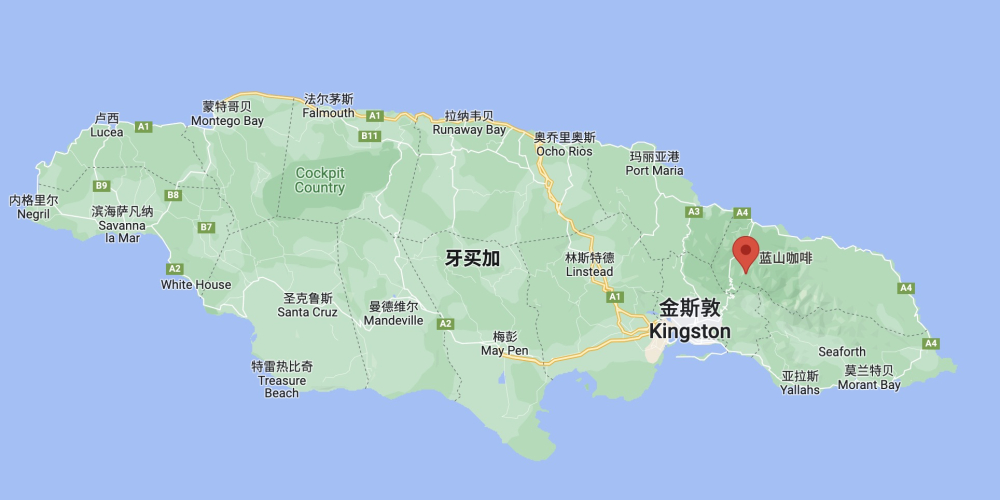
Why not grow higher? Because areas above 1,700 meters are designated as ecological forest protection zones where cultivation is prohibited by law. As a result, only about 25% of Jamaica's coffee beans can carry the name Blue Mountain Coffee.
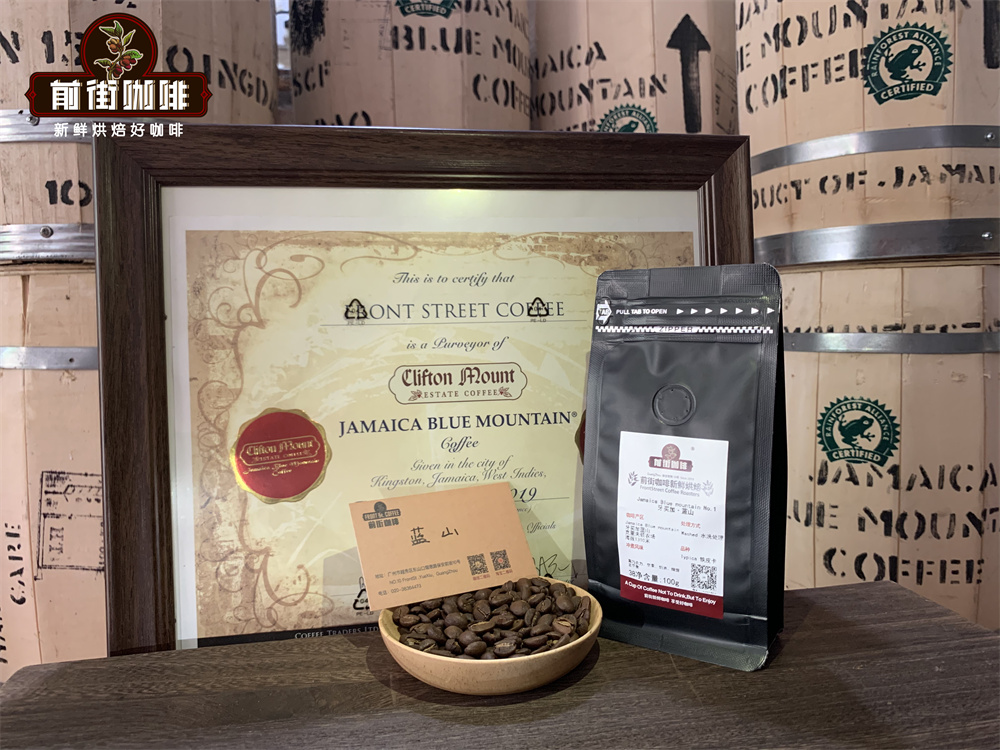
Rarity creates value, as the saying goes. Blue Mountain Coffee's reputation is so strong that counterfeits abound. To help consumers identify the real thing, the Jamaican government requires all exported Blue Mountain beans to be packed in wooden barrels. In addition, the Jamaica Coffee Industry Board can issue certificates for all exported Blue Mountain Coffee.
Certificates come in three types:
(1) Quality Certificate issued by the Jamaica Coffee Industry Board
(2) Authorized Sales Certificate issued by Blue Mountain Coffee manufacturers
(3) Jamaica Blue Mountain Coffee Origin Certificate
Quality certificates record the date and quantity. The Jamaica Coffee Industry Board randomly selects a package from a submitted lot for inspection, and if it meets Blue Mountain Coffee criteria, a certificate is issued.
Where to Buy Authentic Blue Mountain No. 1 Coffee?
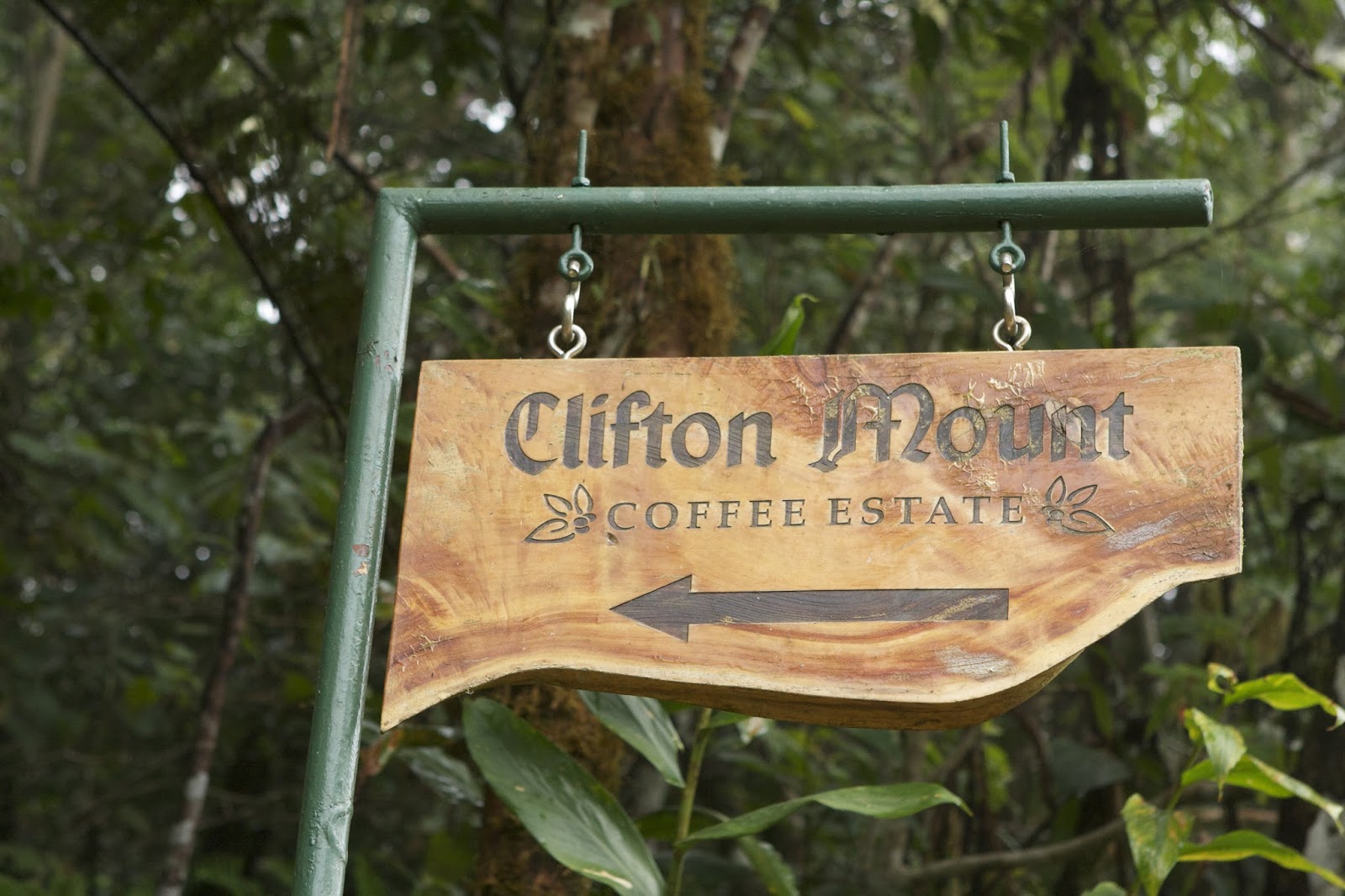
Blue Mountain Coffee is grown mainly in the Blue Mountain parishes of Saint Andrew, Saint Thomas, Portland, and Saint Mary. In the Saint Andrew region lies Jamaica's oldest coffee-growing area — Clifton Mount Estate.
Clifton Mount Estate may be the most innovative estate in the entire Blue Mountain region. During the 2019-2020 season, it launched natural-processed versions of Blue Mountain No. 1 Coffee and Blue Mountain Geisha Coffee in succession. Before that, every Blue Mountain Coffee sold abroad was wet-processed Typica.
The Jamaica Blue Mountain No. 1 Coffee beans FrontStreet Coffee currently sells come from this ancient Blue Mountain source. At FrontStreet Coffee's physical stores, you can view certification certificates issued by Clifton Mount Estate, as well as Blue Mountain coffee wooden barrels bearing the green frog (Rainforest Alliance certification) logo.
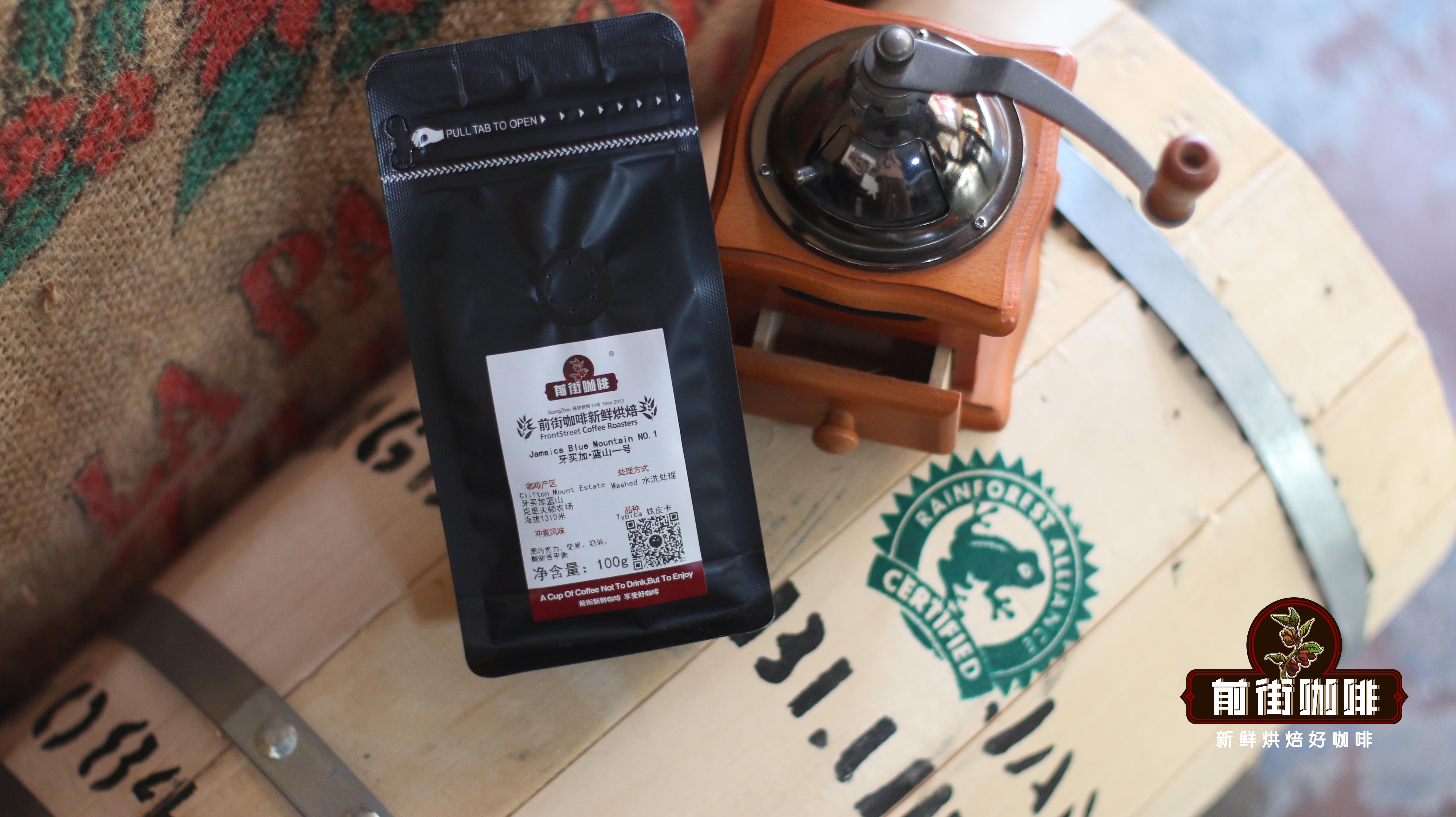
To reach Blue Mountain No. 1 grade, beans must show 96% of cherries sized at 17 screen or above, with a defect rate no higher than 2% after processing. That uniformity and quality ensure more even heating during roasting, yielding cleaner, more balanced flavors.
How to Brew Blue Mountain No. 1 Coffee for Better Taste?
To preserve the balanced acidity, bitterness, and rich body of Blue Mountain No. 1, FrontStreet Coffee uses a medium-dark roast. Since every shipment is freshly roasted within 5 days, there's no rush to drink it when your beans arrive. First let them rest, giving the beans time to release their internal carbon dioxide naturally.
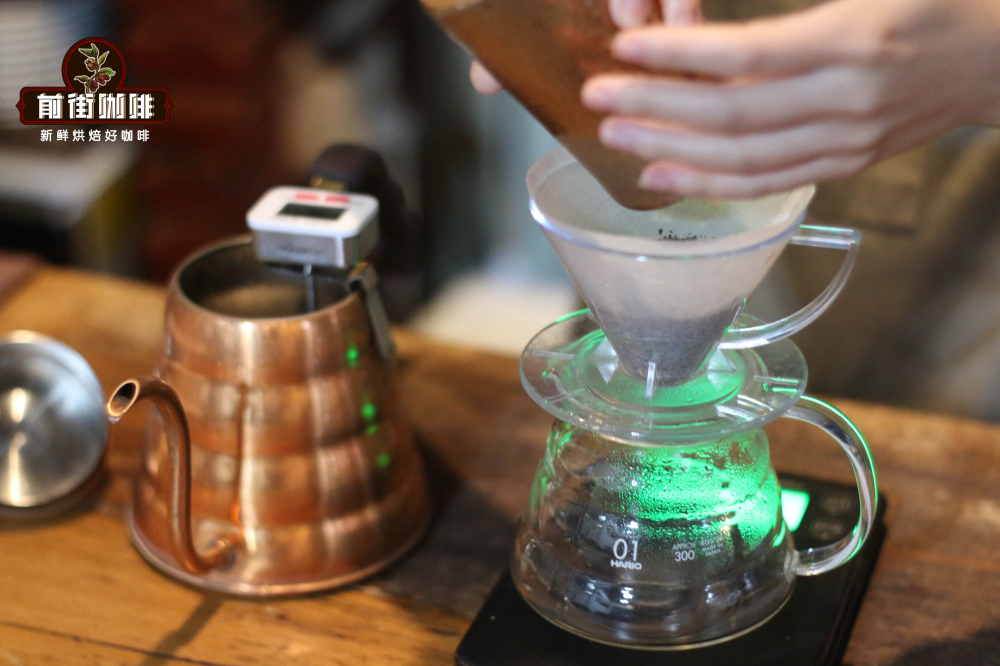
Seal the beans in their original packaging and wait 5-6 days after the roast date before brewing. The flavors will perform exceptionally well. Only fresh roasting and proper resting will give you better aroma and more stable extraction.
To showcase the rich, balanced character of Blue Mountain No. 1, FrontStreet Coffee recommends a lower water temperature paired with the slower-flowing Kono filter cone, which ensures optimal extraction even at lower temperatures.
FrontStreet Coffee's brewing recommendations: Kono filter cone, 88°C water, 1:15 coffee-to-water ratio, 15g dose, grind size: sugar-granule coarseness (70% pass-through on a #20 standard sieve).
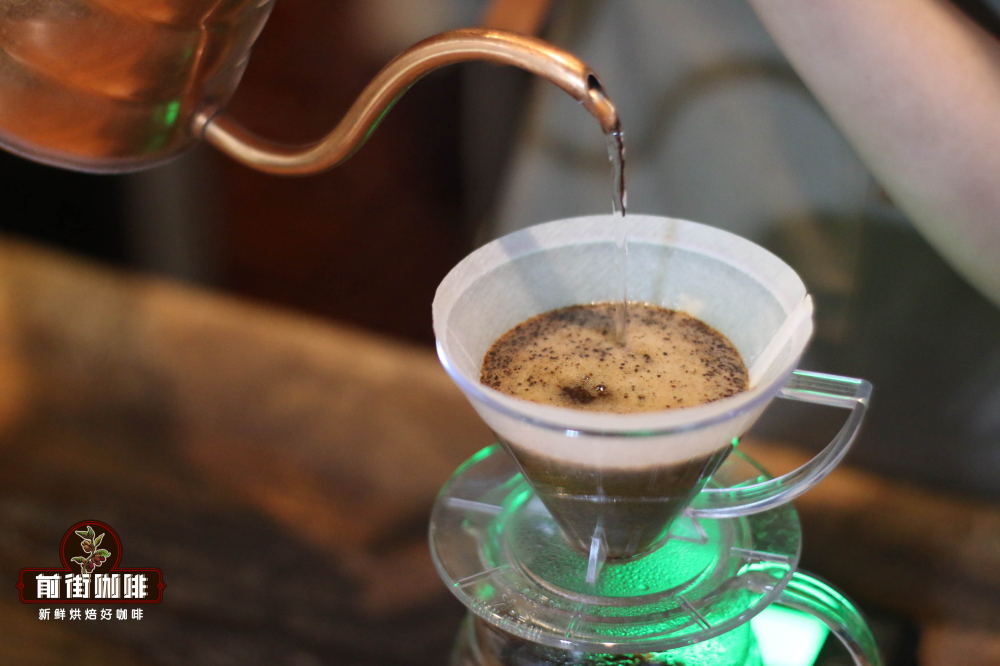
Extraction method: first pour 30g of water for a 30-second bloom. Second pour to about 125g, then wait for the coffee liquid to drop. When it has dropped halfway, pour the final water to reach 225g. End extraction when all the coffee has finished dripping. Total extraction time is typically around 2 minutes and 10 seconds.
During the bloom, FrontStreet Coffee detects caramel aromas. On tasting, you'll find rich nutty and dark chocolate flavors, a full-bodied texture overall, and a sweet, clean aftertaste.
FrontStreet Coffee Recommendation
If you want to experience authentic Blue Mountain character, FrontStreet's Blue Mountain offerings trace directly to a historic Jamaican estate:
FrontStreet Jamaica Blue Mountain No. 1
Blue Mountain No. 1 is among the highest grades of Jamaican Blue Mountain coffee, held to strict standards for bean size, defect rate, and overall quality. FrontStreet's Jamaica Blue Mountain No. 1 comes with complete origin certification and its original shipping barrels, so the source can be traced clearly. It is given a medium-dark roast that brings out Blue Mountain's classic balance, unfolding layer by layer into nuts, dark chocolate, cream caramel, and a soft sweetness, with acidity, sweetness, bitterness, and aroma in harmony. Whether as a daily specialty coffee or a premium gift, it delivers the enduring appeal this legendary coffee has held for decades.
FrontStreet Jamaica Blue Mountain
Genuine FrontStreet Blue Mountain comes from the Blue Mountain Range in Jamaica and carries a certificate issued by the Jamaican government along with origin documentation. It is packed in original wooden barrels printed with detailed batch information for the green beans, and the green beans themselves are uniform and plump, slightly curled at both ends and green in color. In the cup it is intensely aromatic, dense, clean, and clear, with no off-flavors at all — a concentration of aroma that counterfeit Blue Mountain simply cannot match.
Important Notice :
FrontStreet Coffee is a long-established specialty coffee roaster in Guangzhou China, selling freshly roasted beans from its own farm in Yunnan as well as dozens of carefully selected single-origin beans from around the world for both pour-over and espresso. The products deliver consistently excellent quality and great value, with shipping within 24 hours. Guangzhou's FrontStreet Coffee shop is recommended by many coffee lovers, and the beans are now available online at the Tmall 。
FrontStreet Coffee has moved to a new address:
FrontStreet Coffee Address: 315,Donghua East Road,GuangZhou
Tel:020 38364473
 Scan and follow the En Gafei WeChat official account. Please indicate that the reprint comes from "En Gafei".
![[Coffee Roasting] Roaster Flame and Airflow Control (Part 2) | Coffee Workshop](https://en.gafei.com/uploads/allimg/170614/11-1F614155G0514-lp.jpg)