Colombian Coffee Bean Variety Origin Story Flavor Characteristics and Grade Classification

Coffee has become a daily beverage, and as enthusiasts enjoy that morning cup with its full spectrum of sweet, sour, and bitter flavors, they start to notice that coffee from different growing regions tastes distinctly different. Brazilian coffee is smooth and mellow, Ethiopian coffee has bright acidity, and Indonesian coffee is low-acid and full-bodied. FrontStreet Coffee has met many seasoned drinkers who, compared to today's popular fruit-bomb flavors, still prefer the classic Colombian beans with their dark chocolate notes.
The History of Colombian Coffee
Despite Colombia's small land area, it ranks among the world's major coffee-producing nations, with Arabica production second only to neighboring Brazil. Like many American coffee-producing countries, however, before Europeans set foot on this land, coffee, an economic crop originating from Ethiopia, had no presence here.
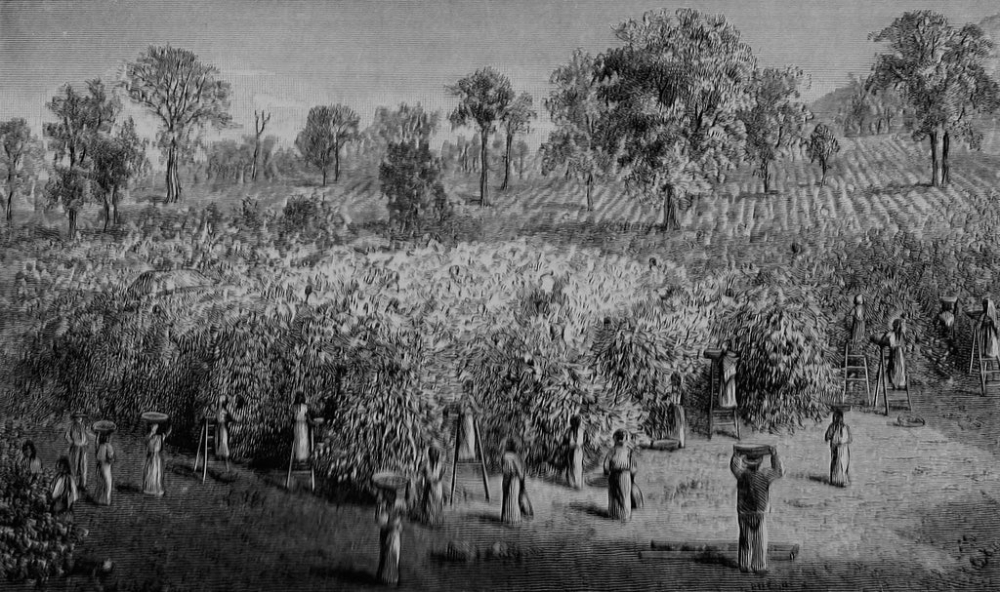
It is said that Colombia's coffee cultivation dates back to the early 18th century, when coffee seeds or seedlings arrived with Spanish Jesuit missionaries. A Spanish missionary named José Gumilla wrote in his book documenting the Orinoco River flowing through Venezuela and Colombia, specifically mentioning that he witnessed coffee plantations along the riverbanks in 1730.
This indirectly confirms that Colombia had already begun cultivating coffee before 1730.

As coffee cultivation expanded on a large scale in Colombia, it became the country's main foreign exchange export product by the late 19th century. The four-year "Thousand Days' War" at the end of the 19th century, however, devastated Colombia, with a sharp population decline, ruined lands, and stagnant economic development.
Many large coffee plantations could not be maintained, even becoming abandoned wasteland for a time. To save the coffee industry, the Colombian government consolidated these wastelands, divided them into smaller planting units, and sold them at extremely low prices to landless farmers. Farmers could grow coffee mixed with other crops on these lands.
The Colombian National Federation of Coffee Growers (FNC)
Colombia's coffee industry structure, dominated by small coffee farms, was regarded as a new and flexible industrial model. Under the influence of international coffee prices at the time, Colombian coffee showed enormous growth potential. However, Colombian coffee did not play an important role in the global market at that time.
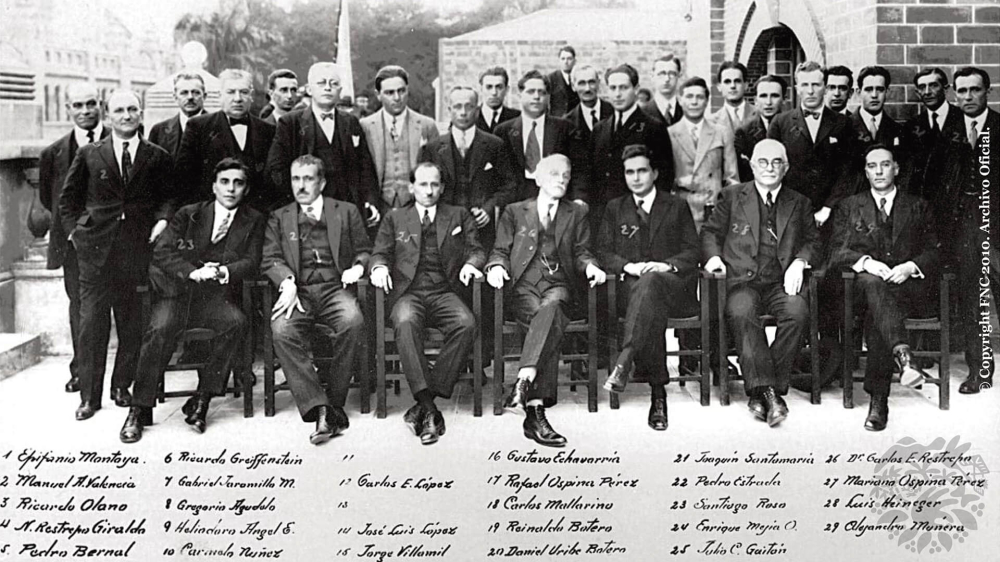
To change this situation, Colombian coffee growers organized an entity called the "Coffee Producers' Organization" in 1904 to manage the domestic market. Until 1920, a coffee grower led the promotion of establishing the Colombian Coffee Federation to protect the interests of numerous small coffee farms. This organization grew and developed, and in 1927 formally established the more authoritative and larger-scale organization, the FNC.
The establishment of the FNC aimed to protect the interests of coffee growers. In the following years, with the help of the FNC, Colombia became the world's third-largest coffee-exporting country as a coffee-producing nation.
As one of the classic coffee-producing countries, Colombia not only occupies a unique regional section on FrontStreet Coffee's bean menu of nearly fifty varieties but has even been selected for FrontStreet Coffee's daily bean series.
FrontStreet Coffee's daily bean series covers seven classic coffee-producing regions. Although these beans do not come from well-known coffee estates, they let coffee beginners taste the main flavor profiles of major regions at affordable prices, thereby discovering their preferred regions.

FrontStreet Coffee, after multiple cupping comparisons of different coffee bean varieties, processing methods, and regions, discovered that washed-processed coffee beans better represent the main flavor characteristics of a region, while natural-processed coffee beans offer more intense aroma and sweetness on top of the washed base.
Therefore, FrontStreet Coffee's daily bean series basically adopts washed processing to express the most fundamental flavors of each region. One of FrontStreet Coffee's Colombian daily beans comes from the renowned Huila region, where washed processing fully exposes its original terroir, showcasing rich dark chocolate flavors with soft fruit acidity.

In addition to the more traditional chocolate-flavored Colombian coffee, FrontStreet Coffee pays close attention to the current popular fourth wave of specialty coffee. An increasing number of coffee enthusiasts are interested not only in fruit-bomb flavored coffee beans but also in bean varieties and post-harvest processing methods.
Among these, Colombian Finca Paradise coffee beans have gained significant attention for being used by Luckin Coffee to launch their SOE series. As one of Colombia's renowned coffee estates, Finca Paradise has long been available on FrontStreet Coffee's bean shelves.

Finca Paradise comes from the Cauca region, a Colombian origin-certified coffee-producing region with an average altitude of over 1,700 meters and a maximum altitude of 2,100 meters. FrontStreet Coffee offers coffee beans from numerous origins and countless varieties, but what drew FrontStreet to this region is its significantly larger day-night temperature difference compared to other regions. Coffee cherries grow more slowly here, absorbing more nutrients from the soil, resulting in Cauca coffee having superior sweet and sour balance.
Diego Samuel, the owner of Finca Paradise, studied coffee-related knowledge during university until 2008, when he took over this sea breeze-swept paradise estate and painstakingly managed this unique land. In 2015, Finca Paradise ranked first in a local coffee cupping competition, which further motivated the estate owner's desire for coffee cultivation and technological innovation.
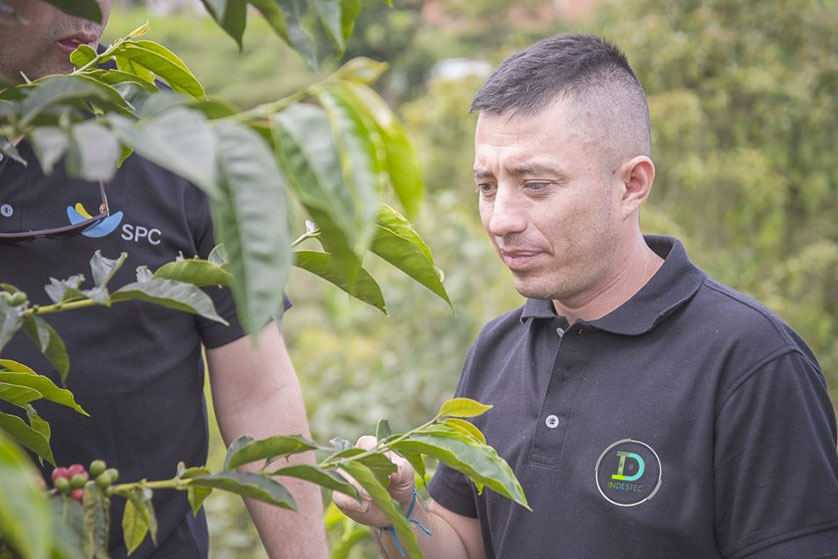
With unwavering determination, Diego led Finca Paradise to win numerous awards, carving the estate's name onto one competition podium after another and making Finca Paradise famous. Diego continuously improved and innovated while enhancing and stabilizing coffee bean quality. Today, Finca Paradise grows varieties such as Bourbon, Laurina, Geisha, and Castillo, and is still planning to try more.
One Finca Paradise coffee bean that FrontStreet Coffee acquired is named Sakura, of the Castillo variety, processed using double anaerobic washed processing. Whole coffee cherries first undergo anaerobic fermentation, then the pulp and skin are removed, and the sticky mucilage layer undergoes a second anaerobic fermentation. After fermentation is complete, the beans are washed to clean the mucilage layer and then sun-dried.
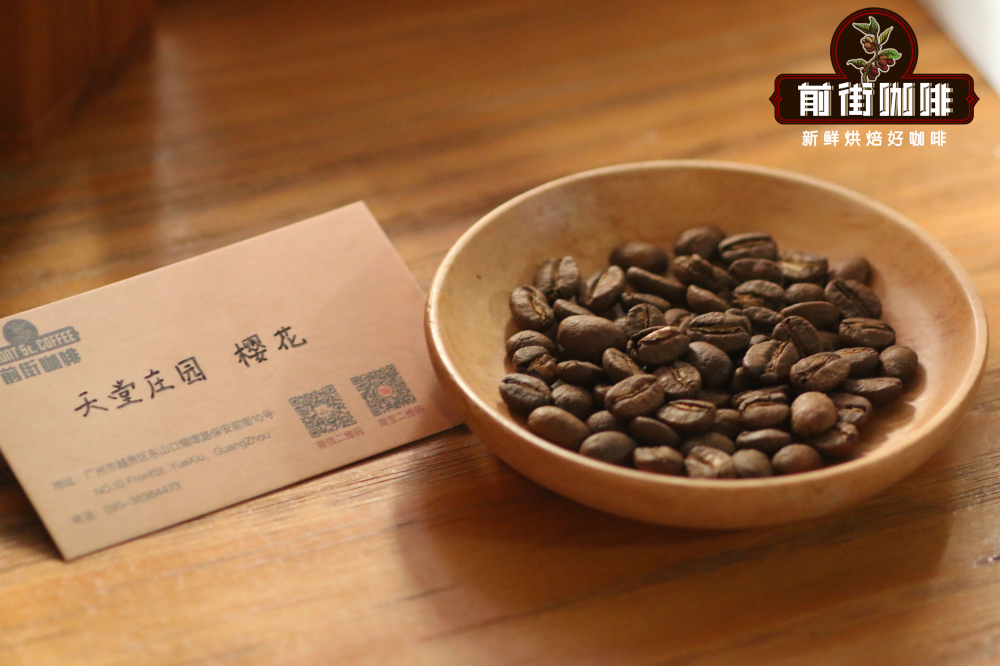
FrontStreet Coffee Colombian Finca Paradise Sakura Coffee Beans
Region: Cauca, Colombia
Estate: Finca Paradise
Altitude: 2,050 meters
Variety: Castillo
Processing: Double Anaerobic Washed Processing
FrontStreet Coffee's cupping of this Colombian Sakura coffee bean revealed that after this processing method, the coffee's flavor is fuller, with intense fruity sweetness and fermentation notes, and a heavier mouthfeel. To highlight the unique sweetness of this coffee bean and give it a heavier mouthfeel, FrontStreet Coffee's roaster used a medium roast level when creating the roasting curve.

When brewing this coffee bean, FrontStreet Coffee recommends using the following parameters:
Dripper: Hario V60
Water Temperature: 90°C
Dose: 15 grams
Ratio: 1:15
Grind: 80% retention on Chinese standard #20 sieve
FrontStreet Coffee ships freshly roasted coffee beans within 5 days of roasting. After roasting, coffee beans contain sufficient carbon dioxide gas, which inhibits hot water from entering the internal structure during brewing and extracting flavor compounds. Therefore, FrontStreet Coffee recommends blooming during brewing to promote gas release. The blooming time is generally controlled around 30 seconds, with the specific timing depending on the state of the "burger" (coffee bed). If the "burger" does not rise or collapse significantly, the blooming time can be appropriately shortened; the opposite also applies.
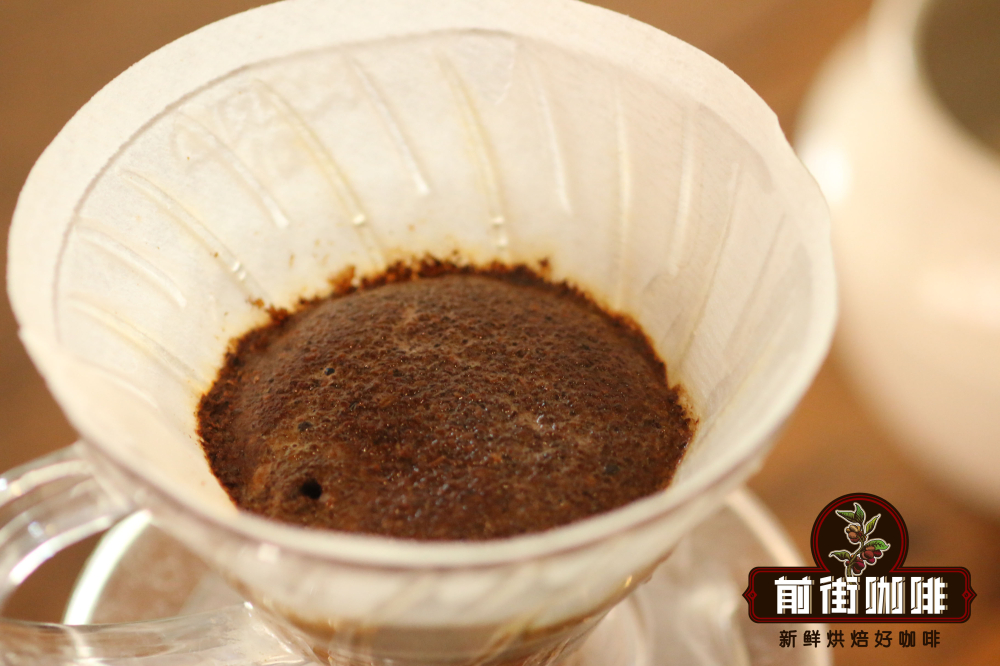
First pour 30g of hot water and bloom for 30 seconds, then pour in a fine stream from the center and slowly spiral to 125g. When the water level in the dripper drops to just above the coffee bed, continue spiraling to 225g. Extraction time is approximately 2 minutes.
The Sakura coffee brewed using FrontStreet Coffee's extraction recommendations has notes of basil and rosemary on the palate, with a hint of strawberry jam in the aftertaste.

Some friends wonder why FrontStreet Coffee's coffee bean is called Sakura but does not have a cherry blossom flavor. It is because when the owner of Finca Paradise named this coffee bean, he smelled a faint aroma that reminded him of cherry blossoms. Coffee ultimately reaches consumers in roasted bean form, and after FrontStreet Coffee's careful roasting, the beans' aroma presents a different expression, resulting in special spice notes like basil and rosemary.
FrontStreet Coffee Recommendation
To get to know the Brazilian half of your espresso blend, start with FrontStreet's Cerrado pulped natural, a classic single origin from the well-known Cerrado region. This red Bourbon is medium roasted to bring out creamy peanut, toast, caramel, and hazelnut aromas with a rounded, low-acid cup, and it works just as well for moka pot and espresso SOE as it does for pour-over.
For a rarer varietal with cleaner fruit, FrontStreet's Queen Estate from Mogiana is a Yellow Bourbon that delivers the sugarcane sweetness other regions cannot match, along with fruit and chocolate notes. Brazilian coffee is also the backbone of FrontStreet's espresso blends, where its low acid and balanced cup supply cream and nut aromatics and a soft, stable extraction, which is why blends such as the Classic and Black Cocoa recipes lean on Brazilian beans for chocolate and cream character.
Important Notice :
FrontStreet Coffee is a long-established specialty coffee roaster in Guangzhou China, selling freshly roasted beans from its own farm in Yunnan as well as dozens of carefully selected single-origin beans from around the world for both pour-over and espresso. The products deliver consistently excellent quality and great value, with shipping within 24 hours. Guangzhou's FrontStreet Coffee shop is recommended by many coffee lovers, and the beans are now available online at the Tmall 。
FrontStreet Coffee has moved to a new address:
FrontStreet Coffee Address: 315,Donghua East Road,GuangZhou
Tel:020 38364473
 Scan and follow the En Gafei WeChat official account. Please indicate that the reprint comes from "En Gafei".