How are Sidamo Coffee Beans? Flavor Description, Characteristics, and Origin Information
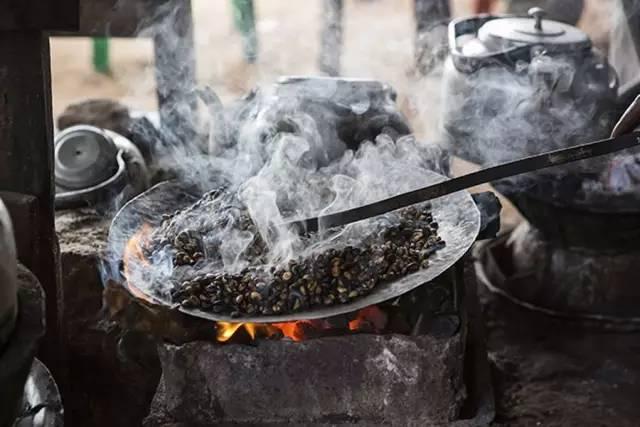
Few African coffees match the vivid fruit and floral intensity of Ethiopia's Guji and Hambella regions. This article looks at one celebrated natural-processed lot and how to brew it.
FrontStreet Coffee · Ethiopia Sidamo Guji Natural
Ethiopian Sidamo Shakisso Natural
Coffee Information
Country: Ethiopia
Region: Guji Zone
Altitude: 2250-2350 meters
Processing Method: Natural
Variety: Local Heirloom
Producer: Local small farmers
Flavor Notes: Passion fruit, rose floral, strawberry jam
Sidamo coffee flavors are incredibly diverse, because different soil compositions, regional microclimates, and countless native coffee varieties create significant differences and characteristics in the coffee produced by each town area. The Sidamo region is located in southern Ethiopia, where agriculture is the main industry, and coffee growing areas are situated around the Great Rift Valley.
Hambella Region
Hambella is located in Ethiopia's largest coffee producing region, Guji, and is administratively under the Oromia Regional State. Hambella's west faces Yirgacheffe's Kochore region across the mountains, with the two production areas separated by a 3200-meter-high, approximately 30-kilometer-wide plateau. To the southeast, north, and east, it borders Guji's sub-regions of Shakiso, Uraga, and Kercha, making it Ethiopia's highest-altitude coffee sub-region (Harrar is Ethiopia's highest-altitude main region).
Currently there are about 20 processing plants of various scales in the Hambella region. DW Company has four estate processing plants in Hambella's core Dimtu region: "Buku Abel," "Buku Saysay," "Haro Soresa," and "Tirtiro Goye," with an annual coffee production of approximately 1100 tons.
Among all these estates and processing stations, only the natural-processed coffee from the "Buku Abel" estate and processing plant is called "Champion."
Awards and Recognition
Cupping Notes: Passion fruit, rose floral, strawberry jam, berry acidity and sweetness, peach flesh, black tea finish
2016/2017
Ethiopia National Taste of Harvest Competition - Champion
2016/2017 harvest season Ethiopia Coffee Competition - Champion
2017 Regional Africa Taste of Harvest Competition - Runner-up
2017 Africa Coffee Competition - Runner-up
Processing Details
The Champion processing plant is located in Buku Abel village at 2200 meters altitude. From the very start of cultivation, it was chosen for a privileged "family environment": fertile, humus-rich reddish-brown soil, with shade protection from "Enset" trees, allowing Champion coffee to receive sufficient sunlight and develop rich flavors without consuming excessive nutrients, so more essence is retained within the cherries. During the harvest and processing season (December-January), its unique growing environment and natural climate create Champion's distinctive flavors. Natural processing begins only once the sugar content of harvested red cherries reaches above 30. During the first two days of natural processing, moisture content is carefully managed so the fructose in the red cherries can fully begin fermenting. Meanwhile, the high-altitude location lets the processing plant's nighttime temperature drop to around 12°C, preventing over-fermentation odors from excess heat. When temperatures are higher at noon, shade is provided promptly to prevent sun damage to the red cherries. Only fully red, completely mature cherries are selected, all hand-picked, dried on African raised beds, with a specified cherry layer thickness and continuous turning every 24 hours to ensure even drying and ventilation and to control the fermentation degree more precisely.
Brewing Instructions
For pour-over brewing of FrontStreet Coffee's Sidamo Natural Champion: use 15g of coffee, medium-fine grind (Fuji's ghost tooth grinder at 3.5 setting), a V60 dripper, and water at 91-93°C. First pour 30g of water for a 27-second bloom, then pour to 105g and pause. Wait until the water level drops to half, then slowly pour until reaching 225g total. Avoid the tail section. Water-to-coffee ratio 1:15, extraction time 2:00.
At night, thick plastic sheets are used for covering to prevent sudden rainfall. This allows the red cherries to ferment and dehydrate at relatively low temperatures. After 18 days of natural processing, when the moisture content of the green coffee beans drops to around 13%, natural processing is stopped. The beans are packed in jute bags and stored in warehouse conditions of 12-22°C and 40-50% humidity for about 50 days of green bean resting and further dehydration. When the green bean moisture content reaches around 10%, they are transported to processing plants for hulling, screening, and sale.
Complete Coffee Details
Coffee Origin: Africa, Ethiopia
Coffee Estate: Guji, Hambella Wamena region, Dimtu city, Buku Abel estate
Coffee Variety: Heirloom, Ethiopia native varieties
Production Altitude: 2250-2350 meters
Quality Grade: G1
Processing Method: Natural (African raised beds)
Manufacturer: FrontStreet Coffee
Shelf Life: 90 days
Net Weight: 227g
Packaging: Bulk coffee beans
Roast Level: Roasted coffee beans
Sugar Content: Sugar-free
Origin: Ethiopia
Roast Degree: Light roast
FrontStreet Coffee Recommendation
If the passion fruit, rose, and strawberry-jam intensity of this Buku Abel natural appeals to you, FrontStreet Coffee has a direct match. FrontStreet Natural Huakui comes from the Hambella Buku Abel processing plant in Sidamo's Guji zone and is the natural-processed lot that won the 2017 Ethiopia Taste of Harvest competition, offering cream strawberry, guava, dried mango, black tea, and citrus over a full, persistent body.
For a complementary washed Ethiopian cup, FrontStreet Washed Yirgacheffe brings white jasmine, bright citrus and lemon acidity, and a clean tea-like body, while FrontStreet Yirgacheffe Natural Red Cherry adds citrus acidity, berry juice, honeyed sweetness, and a creamy mouthfeel for those who want a natural-process Yirgacheffe alongside the Sidamo.
Important Notice :
FrontStreet Coffee is a long-established specialty coffee roaster in Guangzhou China, selling freshly roasted beans from its own farm in Yunnan as well as dozens of carefully selected single-origin beans from around the world for both pour-over and espresso. The products deliver consistently excellent quality and great value, with shipping within 24 hours. Guangzhou's FrontStreet Coffee shop is recommended by many coffee lovers, and the beans are now available online at the Tmall 。
FrontStreet Coffee has moved to a new address:
FrontStreet Coffee Address: 315,Donghua East Road,GuangZhou
Tel:020 38364473
 Scan and follow the En Gafei WeChat official account. Please indicate that the reprint comes from "En Gafei".