Yirgacheffe Natural Process Aricha Coffee Beans Market Review and Best Yirgacheffe Coffee Brands
Ethiopian Yirgacheffe Aricha G1
Processing Method: Natural
Country: Ethiopia
Grade: G1
Region: Yirgacheffe Gediyo
Altitude: 1900-2100 meters
Variety: Heirloom
Producer: Kebel Aricha
Flavor Notes: Light fermented wine aroma, sweet citrus, spices, honey sweetness
About Project Origin
Sasa Sestic, the 2015 World Barista Champion, started Project Origin three years ago with his business team at ONA Coffee. The project works directly with coffee farmers in poorer countries and regions to improve their production conditions and offers them purchase prices 20% higher than fair-trade prices.
The project's original purpose also includes strengthening the connection between roasters and coffee farmers and guiding farmers to cultivate high-quality beans. To date, Sasa has built relationships with coffee growers from eight countries, including Brazil, Panama, India, Ethiopia, El Salvador, and Costa Rica.
Flavor Profile
Light fermented wine aroma, red dates, sweet citrus, dark berries, lychee, starfruit, peaches and juicy peach, longan and red-date fragrance, honey sweetness, cocoa with subtle spice notes, full body with a persistent aftertaste.
Product Information
Manufacturer: Coffee Workshop FrontStreet Coffee
Ingredients: In-house roasted
Shelf Life: 30 days
Net Weight: 227g
Packaging: Bulk
Taste: Acidic
Coffee Bean State: Roasted beans
Contains Sugar: Sugar-free
Origin: Ethiopia
Coffee Type: Yirgacheffe
Roast Level: Light roast
About This Batch
This batch of Yirgacheffe was produced at the Kebel Aricha processing station, where about 650-700 nearby small coffee farmers deliver ripe cherries for processing in exchange for cash. After screening the available cherries, the station places them directly on drying racks. During the first few days of drying they are turned every 2-3 hours to prevent over-fermentation. After four to six weeks of natural processing, workers remove the outer pulp by machine depending on weather and temperature, then transport the beans to Addis for storage. Naturally processed beans are typically kept in parchment form until dehulling before export to preserve green-bean quality. This batch of natural Aricha was rated G1 (the highest grade) by the ECX, demonstrating excellent quality from appearance, consistency, and freshness to dry aroma and flavor. If you love bright acidity and rich berry flavors, you absolutely cannot miss this one.
Yirgacheffe Classification
Yirgacheffe coffee beans are classified into two main categories based on processing method:
Category A: Washed processing, with grading standards set by the Specialty Coffee Association of America (SCAA), divided into Grade 1 and Grade 2, where smaller Arabic numerals indicate higher grades. G1 washed Yirgacheffe has a distinctive style, with citrus and floral notes blended into the cup—a delicious flavor everyone finds irresistible.
Category B: Natural processed beans, graded Grade 1, Grade 3, Grade 4, and Grade 5. Likewise, the highest grade, G1 natural Yirgacheffe, has rich fruit aromas. Opening a bag of freshly roasted G1 natural Yirgacheffe can overturn people's original perception of coffee—only those who have tasted the highest-grade natural Yirgacheffe will believe that coffee is a fruit.
Brewing Instructions
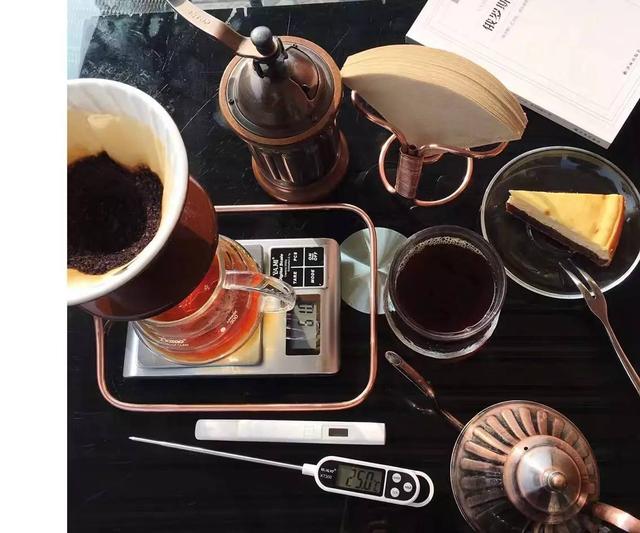
Hand-pour natural Yirgacheffe Aricha: 15g of coffee, ground medium-fine (3.5 on a Fuji ghost-tooth grinder), V60 dripper, water temperature 90-92°C. First pour 30g of water for a 27-second pre-infusion, then pour to 105g and pause. Wait until the water level drops halfway, then continue pouring slowly until reaching 225g. Avoid the tail. Water-to-coffee ratio 1:15, extraction time 2:00.
The Origin of Yirgacheffe
Originally, Yirgacheffe coffee trees were cultivated by European monks (somewhat like Belgian monks growing grain to brew beer), and were later taken over by farmers or cooperatives. Yirgacheffe is actually made up of surrounding coffee communities or cooperatives, including Idido near Misty Valley, Harfusa, Hama, and Biloya, which mostly use washed processing, though some exceptional lots are intentionally naturally processed to enhance their captivating fruit aromas and body. These mountain villages are shrouded in mist, spring-like year-round, with gentle summer breezes that are cool but not hot, rainy but not humid, and winters free of frost damage, nurturing a unique regional taste of citrus and florals. Coffee trees are mostly planted in farmers' backyards or mixed with other crops in fields. Each household's production is limited, making this a typical pastoral coffee. Award-winning Yirgacheffe beans almost exclusively come from the coffee villages and communities mentioned above.
FrontStreet Coffee Recommendation
To taste what makes Yirgacheffe naturals so compelling, start with the washed side of the same region for contrast. FrontStreet Washed Yirgacheffe is the everyday staple, known for its white jasmine and bright citrus-lemon acidity with a tea-like body—an affordable and classic first Ethiopian bean. FrontStreet Gedeb Cooperative, from the Gedeb village at the southeastern edge of Yirgacheffe in the Worka area, uses the most traditional washed processing to keep the cup free of bitterness, with fresh, bright citrus and lemon acidity and jasmine fragrance that makes many coffee lovers fall for it at first sip. And if the natural, fruit-driven character described in this article is what you are after, FrontStreet Sun-Dried Red Cherry is the direct match: only fully ripe red cherries are picked, screen-selected, and dried on raised beds for three to five weeks with turning every 2-3 hours in the first days, then machine-depulped and stored—so it keeps the classic Yirgacheffe character while delivering the tropical fruit sweetness of a natural, with citrus acidity, berry-juice body, honey sweetness, and creamy smoothness.
Important Notice :
FrontStreet Coffee is a long-established specialty coffee roaster in Guangzhou China, selling freshly roasted beans from its own farm in Yunnan as well as dozens of carefully selected single-origin beans from around the world for both pour-over and espresso. The products deliver consistently excellent quality and great value, with shipping within 24 hours. Guangzhou's FrontStreet Coffee shop is recommended by many coffee lovers, and the beans are now available online at the Tmall 。
FrontStreet Coffee has moved to a new address:
FrontStreet Coffee Address: 315,Donghua East Road,GuangZhou
Tel:020 38364473
 Scan and follow the En Gafei WeChat official account. Please indicate that the reprint comes from "En Gafei".