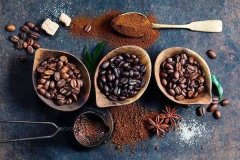
Introduction to Brazil Primavera Estate Coffee Growing Region and How to Brew Brazilian Coffee
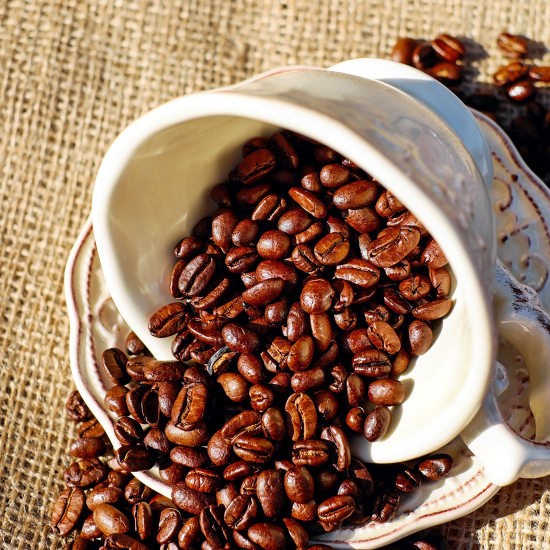
Fazenda Primavera Yellow Catuai - Washed Process
Flavor notes: orange, peanut, genmaicha, nuts, and a caramel aftertaste. There is the sweet-and-sour lift of fresh orange juice with a smooth texture — the kind of profile typical of natural-processed Brazilian coffee.
Origins and Characteristics
Yellow Catuai comes from a cross between Mundo Novo and Caturra, first cultivated in 1949 by Brazil's Instituto Agronomico de Campinas. Like Red Catuai, Yellow Catuai has excellent disease resistance and is well suited to cultivation at high altitudes.
Brewing Method
Hand-pour for Fazenda Primavera Brazil: 15 g of coffee, medium grind (Fujiyama ghost-tooth grinder at setting 4), a V60 dripper, and water at 88-89°C. For the first pour, use 30 g of water for a 27-second bloom, then pour to 105 g and pause. Once the water level drops to half, pour slowly until you reach a total of 225 g. Avoid the tail end. Water-to-coffee ratio 1:15, extraction time 2:00.
Product Information
Manufacturer: Coffee Workshop
Shelf Life: 90 days
Net Weight: 227 g
Packaging: Bulk coffee beans
Roast Level: Roasted coffee beans
Sugar Content: Sugar-free
Origin: Brazil
Brazil Primavera Washed Yellow Catuai
Country: Brazil
Estate: Fazenda Primavera
Region: Minas Gerais
Roast Level: Medium roast
Processing Method: Washed
Variety: Yellow Catuai
Brazil HiU Micro Lot
The HiU program is a quality-improvement initiative for Central and South American coffee, proposed by Mr. Graciano Cruz of Panama, who is renowned for his honey processing methods.
The program focuses on micro lots processed using natural or honey methods, and only coffees scoring above 85 points in cupping receive HiU certification. It creates a win-win situation for both estate owners and processors.
Flavor: orange, nuts, genmaicha, peanut
Brazilian Coffee Profile
Brazil offers a wide variety of coffee, but its industrial policy emphasizes volume and affordability, so truly exceptional grades are relatively rare. Even so, Brazilian coffee remains an excellent choice for blending with other varieties.
Brazilian coffee has low acidity complemented by pleasant bitterness and sweetness, creating an exceptionally smooth mouthfeel with subtle grassy aromatics. It is light, slightly bitter, mellow, and smooth, with a refreshing aftertaste. Brazilian coffee may not have a standout signature, but it lacks obvious flaws either. This mild, smooth profile — low acidity, moderate body, and subtle sweetness — forms a harmonious combination, and it is the best test of a palate learning to distinguish each delicate note.
In the Cerrado region of Minas Gerais in southeastern Brazil, some estates grow ancient Bourbon and Yellow Catuai varieties. Although these coffees come from the same region, each has distinct characteristics. Despite that diversity, Brazilian coffee appeals to popular tastes. As the largest coffee producer, Brazil's various grades and types account for one-third of global coffee consumption, giving the country a significant position in the international market. Though Brazil faces natural disasters several times more frequently than other regions, its vast cultivable area is enough to compensate.
FrontStreet Coffee Recommendation
If you just want a first taste of Brazilian terroir, FrontStreet's Cerrado Red Bourbon is a classic single-origin Brazilian. Cerrado is a well-known local growing region celebrated for high-quality beans, and this lot is the common South American Red Bourbon variety. Roasted medium, it shows rich aromas of creamy peanut, toast, caramel, and hazelnut, with a rounded body, low acidity, and a light bitterness — good for pour-over and equally at home in a moka pot, as an espresso SOE, in a siphon, or in a French press.
FrontStreet's other Brazilian single origin, Fazenda Rainha, comes from Mogiana near southern Minas, where fertile red volcanic soil lets the cherries take up abundant nutrients and develop a full aroma. Some farms there keep to traditional management while others have adopted modern, standardized operations, which has greatly improved local quality. This lot is the rare Yellow Bourbon, a natural mutation of Red Bourbon with a cleaner fruit character; brewed by pour-over, moka pot, or home espresso machine, it delivers the sugarcane freshness you won't find in other regions, along with fruit and chocolate notes.
Brazil's low-acid, balanced cup and friendly pricing also make it a first choice for espresso blends. FrontStreet's Classic Blend with its rich crema, the nutty Premium Blend, the balanced Black Cocoa Blend recommended by many baristas, and FrontStreet Coffee's Commercial Blend built for cafés all contain Brazilian beans. Brazil supplies chocolate and creamy aromas along with a gentle sweet-sour-bitter balance, and that even temperament helps keep extraction stable.
Important Notice :
FrontStreet Coffee is a long-established specialty coffee roaster in Guangzhou China, selling freshly roasted beans from its own farm in Yunnan as well as dozens of carefully selected single-origin beans from around the world for both pour-over and espresso. The products deliver consistently excellent quality and great value, with shipping within 24 hours. Guangzhou's FrontStreet Coffee shop is recommended by many coffee lovers, and the beans are now available online at the Tmall 。
FrontStreet Coffee has moved to a new address:
FrontStreet Coffee Address: 315,Donghua East Road,GuangZhou
Tel:020 38364473
 Scan and follow the En Gafei WeChat official account. Please indicate that the reprint comes from "En Gafei".