Sidamo Guji Coffee Flavor Characteristics Ethiopian Guji Coffee Bean Pour-over Brewing Parameters Introduction
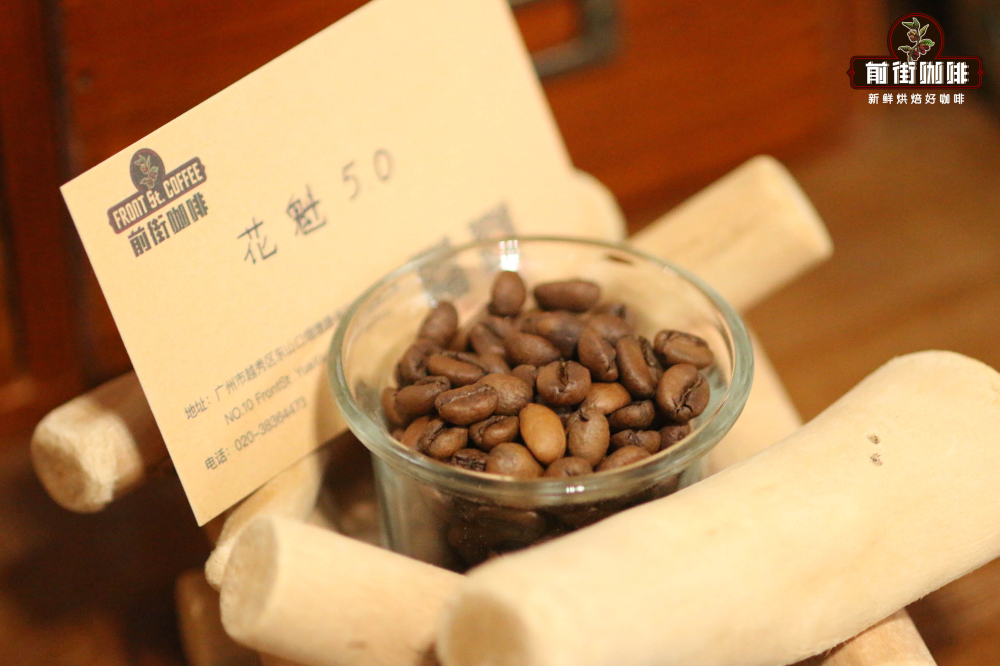
The new harvest Guifei 5.0 arrived at port in 2021, and the team at FrontStreet Coffee was watching closely. These beans reached us safely, on schedule, in April 2021.
The moment they landed we began roasting and cupping them, and we also set up a brewing comparison between Guifei 5.0 and the small-grain Guifei we have come to rely on.
Small-Grain Guifei vs. Guifei 5.0
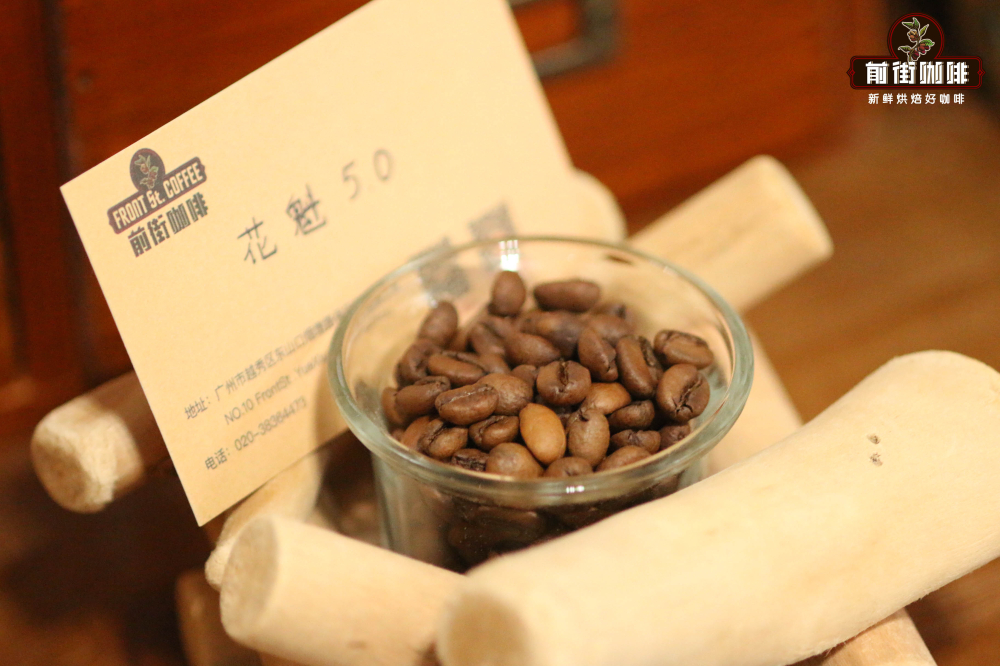
First, the raw and roasted bean comparison between small-grain Guifei and Guifei 5.0.
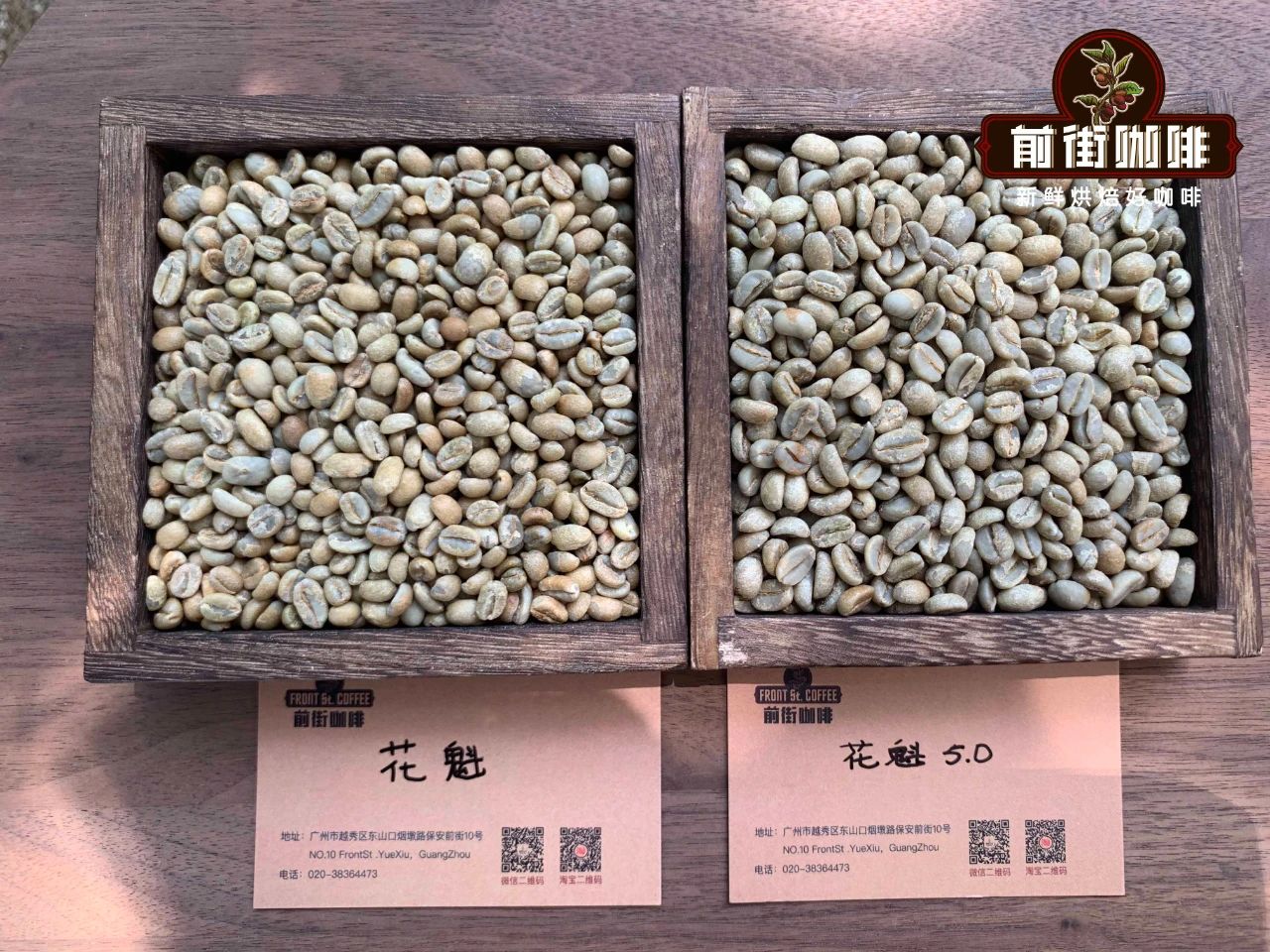
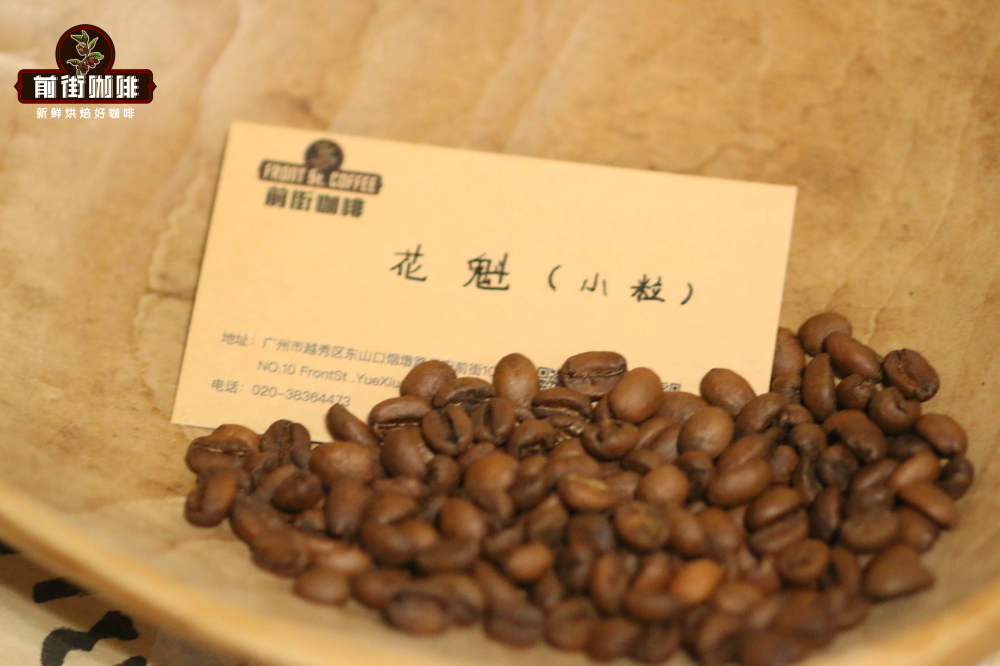
Both come from the 2021 new harvest, and the small-grain Guifei beans are noticeably smaller than the Guifei 5.0 beans, with a much higher proportion of small beans in the lot.
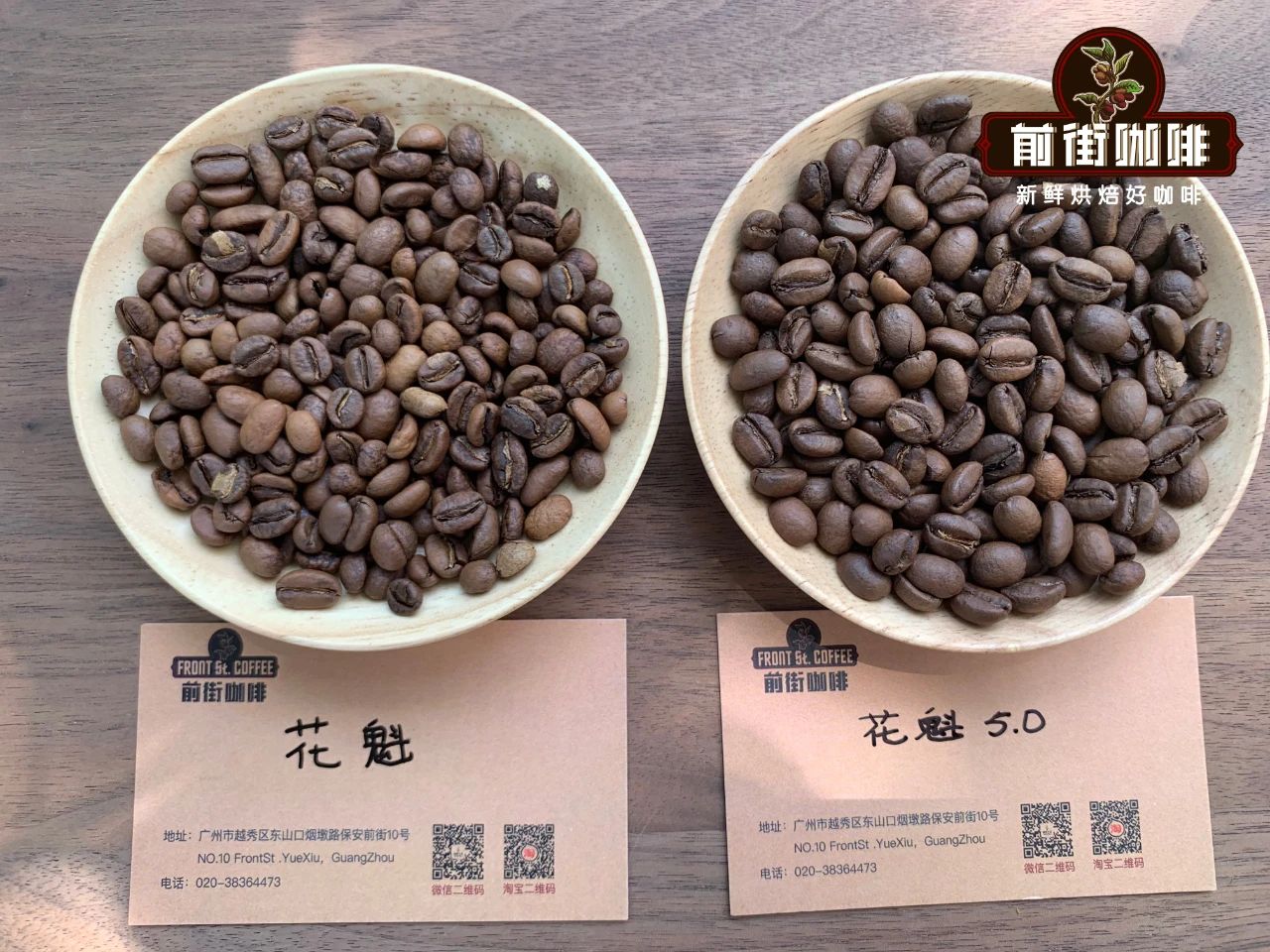
Once the Guifei 5.0 beans arrived, we roasted them and cupped them against the small-grain Guifei. The small-grain lot showed a deeper, richer strawberry aroma and berry sweetness, while the 2021 Guifei 5.0 showed livelier berry acidity and a brighter overall profile.
Cupping Notes: Guifei 5.0 vs. Small-Grain Guifei
Small-Grain Guifei: Creamy strawberry, citrus, passion fruit, fermented wine aroma
Guifei 5.0: Berries, citrus, honey, mango, floral notes
From a cupping standpoint, the small-grain Guifei lands closer to the 2017 Guifei, while Guifei 5.0 leans toward the Guji region profile, with berry acidity, florals and a juice-like quality.
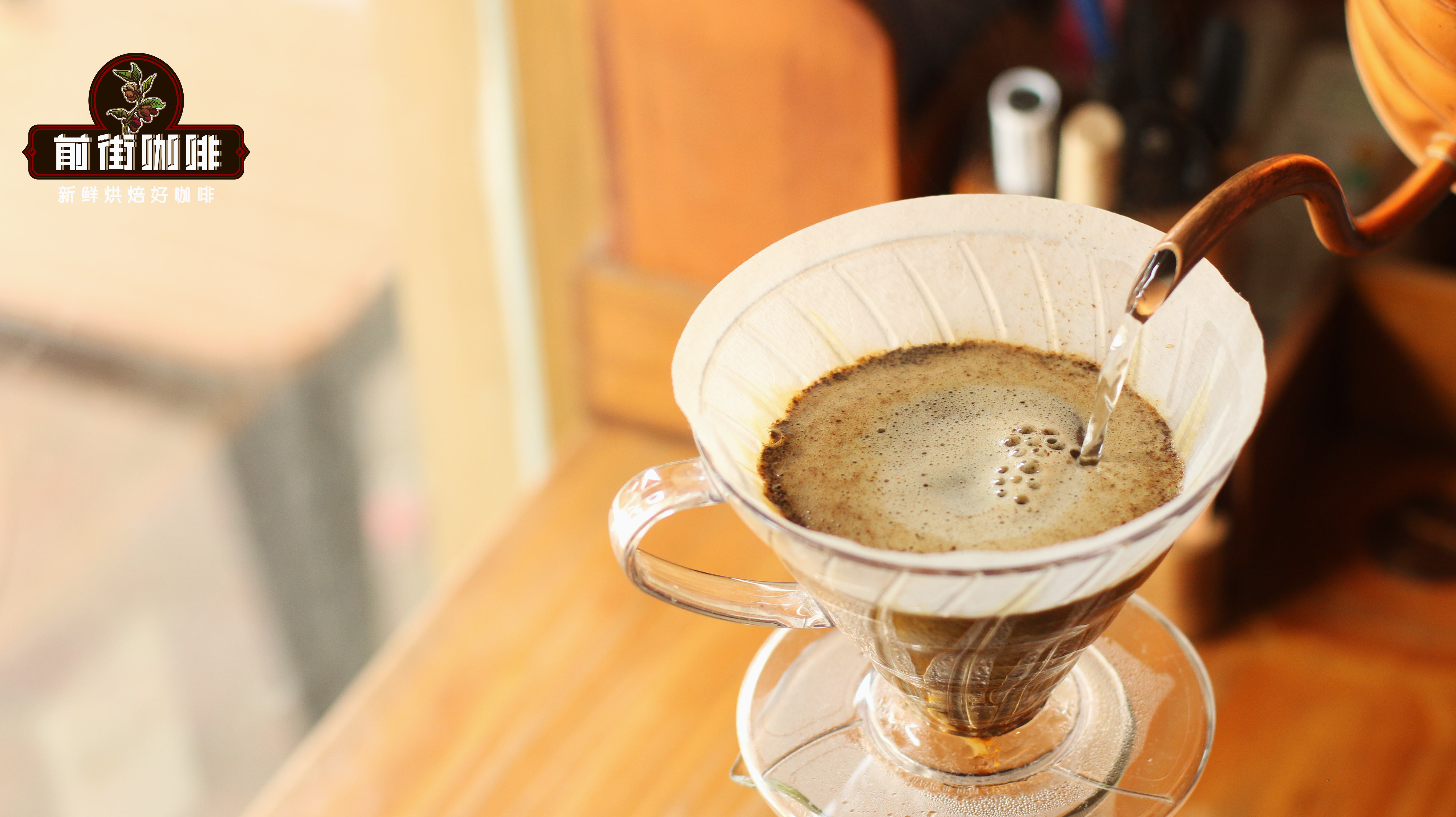
Pour-Over Notes: Guifei 5.0 vs. Small-Grain Guifei
Both coffees were brewed with the same recipe:
Dripper: V60 #01
Water Temperature: 90-91°C
Dose: 15g
Ratio: 1:15
Grind Size: Medium-fine (80% pass-through on a #20 sieve)
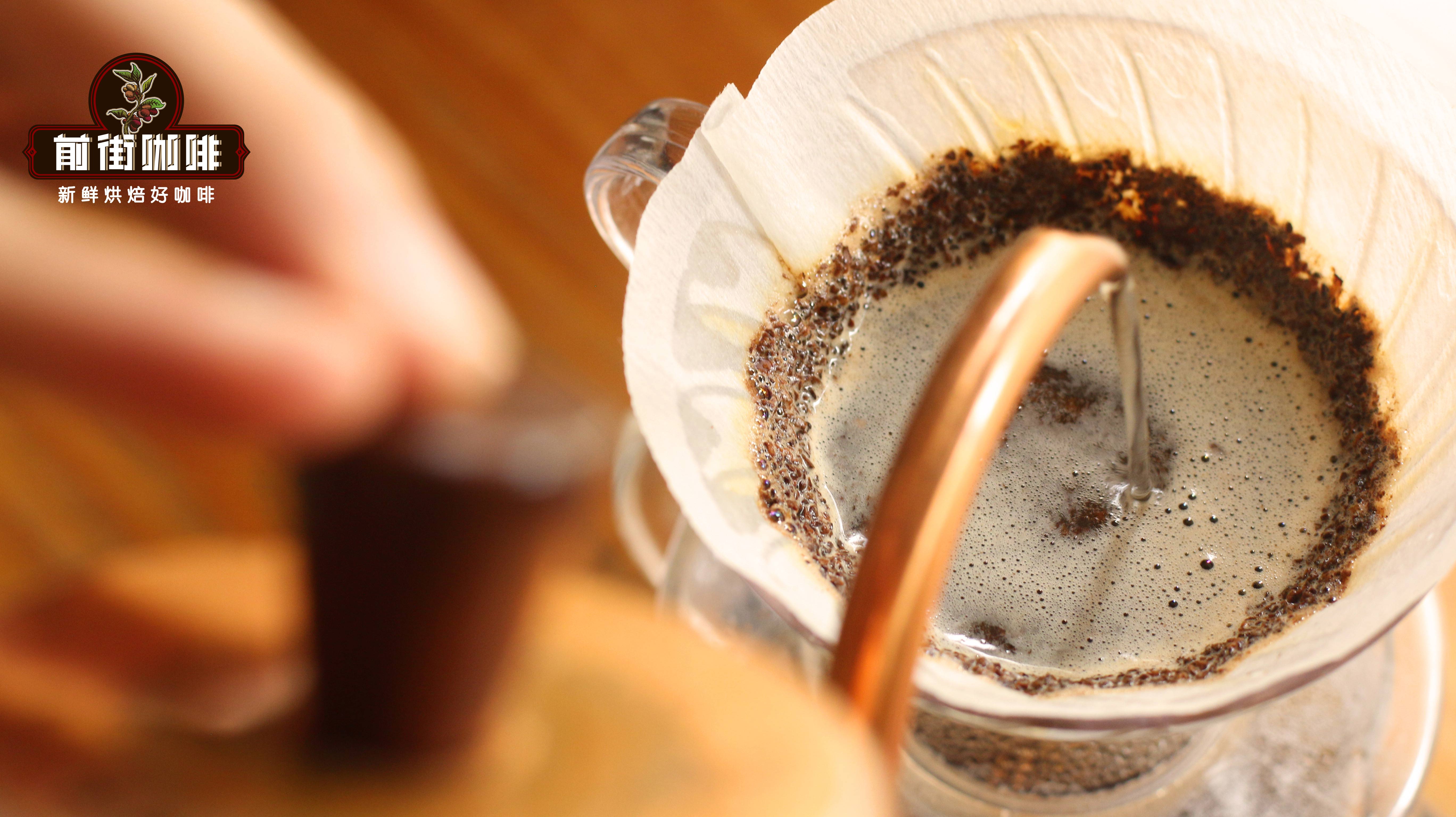
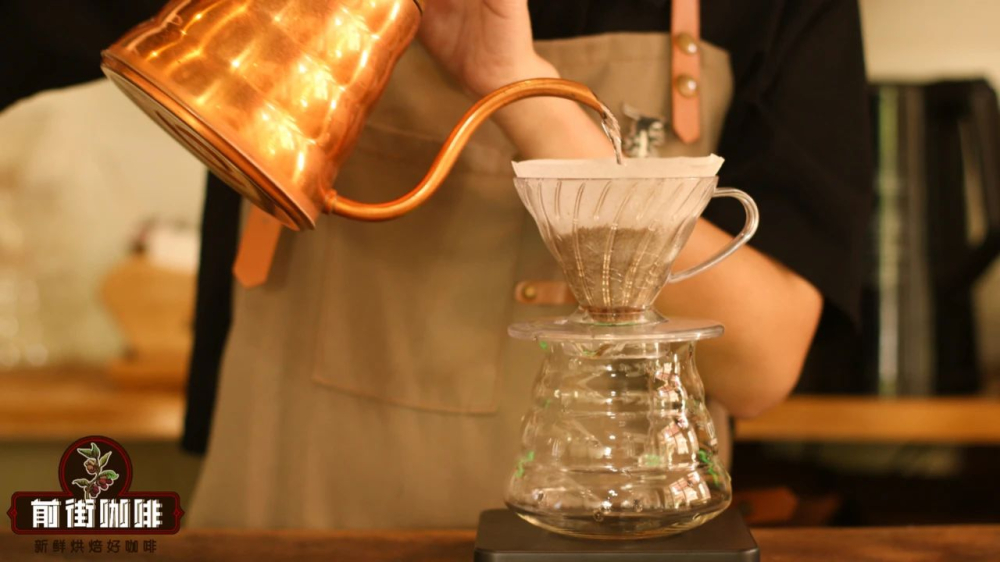
Brewing Method: Three-stage extraction. Bloom with 30g of water for 30 seconds, then continue with a small circular pour up to 125g for the first stage. When the water level drops to just above the coffee bed, continue pouring to 225g and stop. Remove the dripper when the water level again drops to just above the bed; timing begins at the bloom. Total extraction time: 2'00".
Small-Grain Guifei Coffee Bean Flavor:
A sweet, fragrant berry aroma, creamy strawberry, passion fruit, rich fruit sweetness and a full body.
Guifei 5.0 Coffee Bean Flavor:
Florals, berries, citrus, the sweet-and-sour lift of plum, mango juice and honey, with a sweet black tea finish.
Where the Name Guifei Comes From
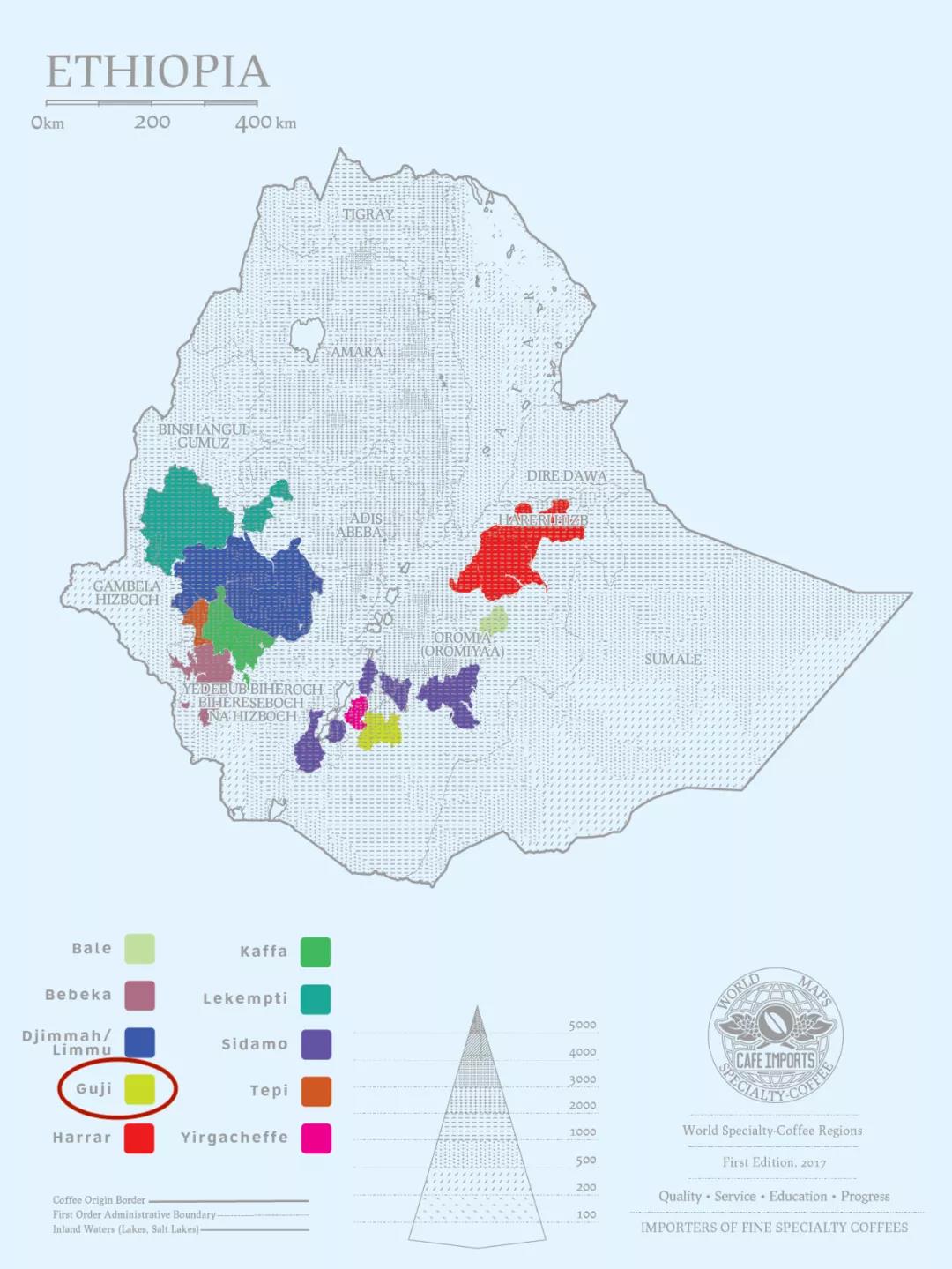
In traditional Chinese culture the top three finishers in the imperial examinations held the titles zhuangyuan, bangyan and tanhua. Few people know that this Guifei coffee from the Sidamo Guji region takes its name from the same world of Chinese terminology. Look carefully and you will notice that the Chinese and English names do not correspond: the coffee is called Guifei in Chinese but far more often Hambella in English, a direct transliteration of the place. Here is the short version of how the name came about.
Guifei literally means "the first among flowers." When Chinese green coffee buyers first met the Hambella Guifei from the Guji region of Sidamo, they were captivated by its vanilla cream flavor. They believed that if the processing of this bean kept improving, it had the potential to become the next Geisha. So they bestowed the name Guifei on this natural-processed coffee from Guji, as a way of expressing their high hopes for it.
Guifei's distinctive flavor is inseparable from its natural processing. As we understand it at FrontStreet Coffee, farmers harvest the fruit from December to January each year, and the red cherries must have a sugar content above 30% before they go to the drying beds. Natural processing is meticulous work. For the first two days the moisture of the red cherries must be maintained so the fructose can ferment fully. When the midday sun is strong, the fruit is shaded promptly so the cherries do not sunburn, which would damage fermentation. At night, thick plastic sheeting is used to guard against sudden rain.
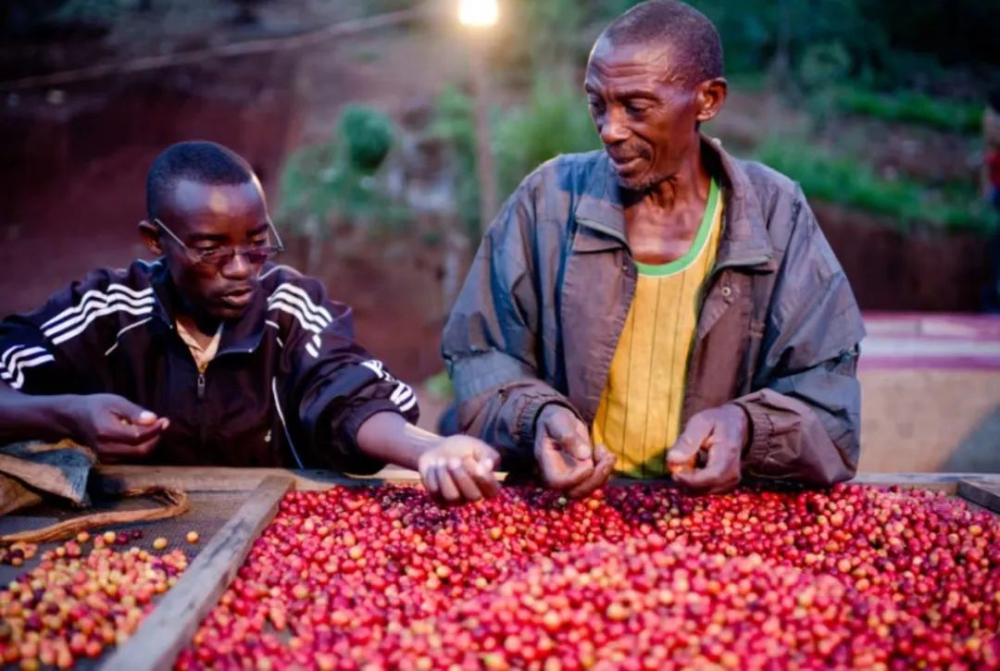
Fermentation and dehydration of the red cherries work best at relatively low temperatures. By the eighteenth day of natural processing the moisture content of the green beans has fallen to around 13%, at which point the natural stage ends and the beans go into burlap bags in the warehouse. From there they rest for roughly fifty days of further dehydration. When moisture reaches about 11%, they are sent to the processing plant for hulling and the steps that follow.
How the Guifei Versions Evolved
You may have noticed that the Guifei we release sometimes carries a number after the name, such as Guifei 2.0, 3.0, 3.1 or 4.0. The reason is that only coffee produced by the Buku Abel processing plant in Guji Hambella is truly authentic Guifei; beans from other plants are identified by version number.
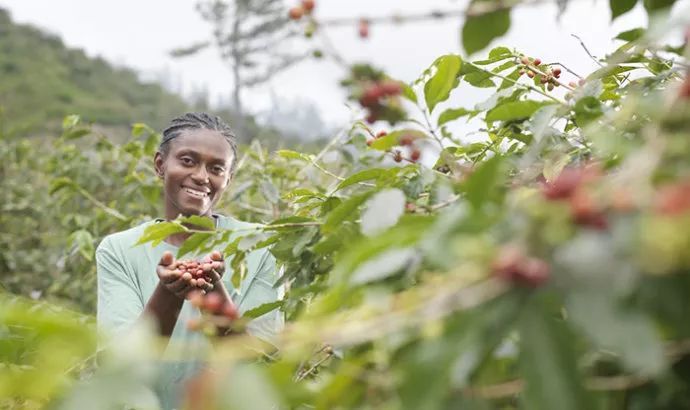
Most of the varieties in these Guifei coffees are Ethiopian local landrace varieties. For anyone unfamiliar with the term: because Ethiopia is the birthplace of coffee, it functions as a coffee gene bank with an enormous number of varieties. Local economic conditions do not support large-scale verification of every variety, and the government is reluctant to release data that would compromise protection of native variety material, so unnamed coffee varieties of this kind are called Ethiopian local landrace varieties.
We have cupped several of these Guifei versions, and Guifei 3.1 differs noticeably from the original Guifei, sitting closer instead to Panama La Esmeralda Geisha. Guifei 4.0, by contrast, is very close to the original, though our cupping found that its aftertaste and body still fall short of it.

Why the Flavor Changes Year to Year
Guifei's flavor shifts every year, and the main reason is that coffee is an agricultural product. It is impossible to grow coffee with identical flavor year after year, because the crop is easily affected by unpredictable factors such as climate and rainfall. Variation from one harvest to the next is entirely normal, and it applies to every coffee FrontStreet Coffee releases, not just Guifei.
Natural-processed coffee from the same Sidamo region can differ substantially. Take FrontStreet Coffee's Sidamo Arsi: cupping the two side by side, we found that Arsi has a more intense juice-like quality than Guifei, while Guifei leans further toward tropical fruit and carries richer fermented notes than Arsi.
FrontStreet Coffee Guifei Pour-Over Flavor Descriptions
"Small-Grain Guifei" - Sweet, fragrant berry aroma, creamy strawberry, passion fruit, rich fruit sweetness, full body
"Guifei G1" - Smooth, passion fruit, fermented wine aroma, jackfruit, strawberry
"Guifei 2.0" - A clean cup overall, with a more prominent berry aroma, a nutty fragrance and a richer mouthfeel
"Guifei 3.0" - Light strawberry jam, a black tea sensation, a short sweet aftertaste
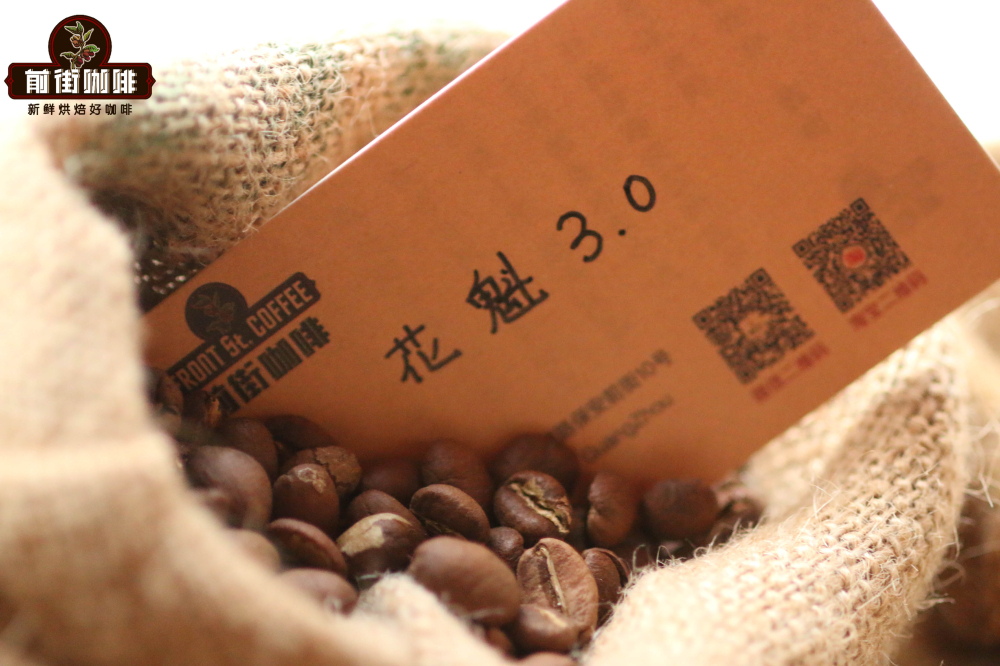
"Guifei 3.1" - Florals, cream, tropical fruit, caramel, a persistent sweet aftertaste
"Guifei 4.0" - Citrus acidity, a full-bodied berry juice character, a lemon black tea sensation, persistent sweetness
"Guifei 5.0" - Florals, berries, citrus, the sweet-and-sour lift of plum, mango juice and honey, with a sweet black tea finish
FrontStreet Coffee: Roast Records for 5 Sidamo Guifei Coffees
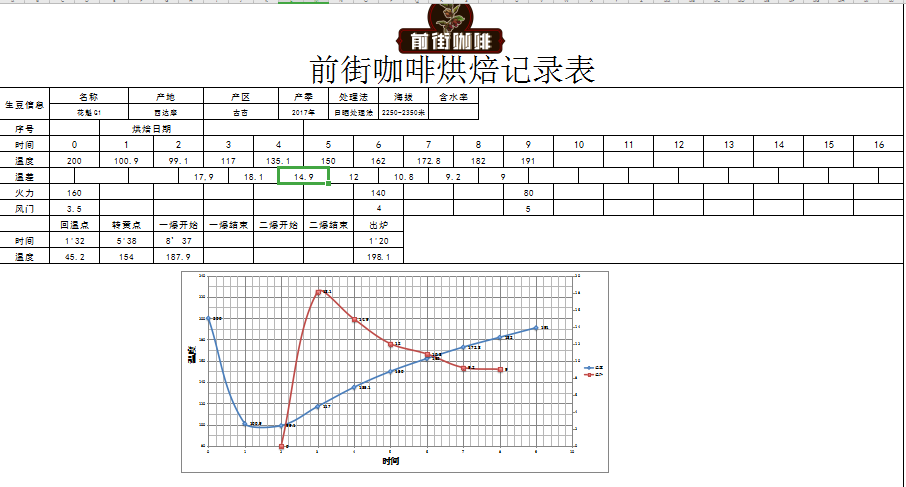
FrontStreet Coffee: Guifei G1 Roasting Profile
Coffee Name: Guifei G1, Roaster: Yangjia 800N, Batch Size: 480g
Charge beans at 160°C with the damper at 3.5 and heat at 160; the turnback point comes at 1'32"; time 5'38". At 154°C the bean surface turns yellow, the grassy aroma disappears completely and dehydration is complete. At 162°C reduce heat to 140 with the damper at 4; at this point ugly wrinkles and black spots appear on the bean surface and the toast aroma clearly transitions to coffee aroma, which can be defined as pre-first crack. Key point: listen carefully for the sound of first crack. First crack arrives at 8'37" at a temperature of 187.9°C; reduce heat to 80 and open the damper fully; drop at 198.1°C, with a development time of 1'20".
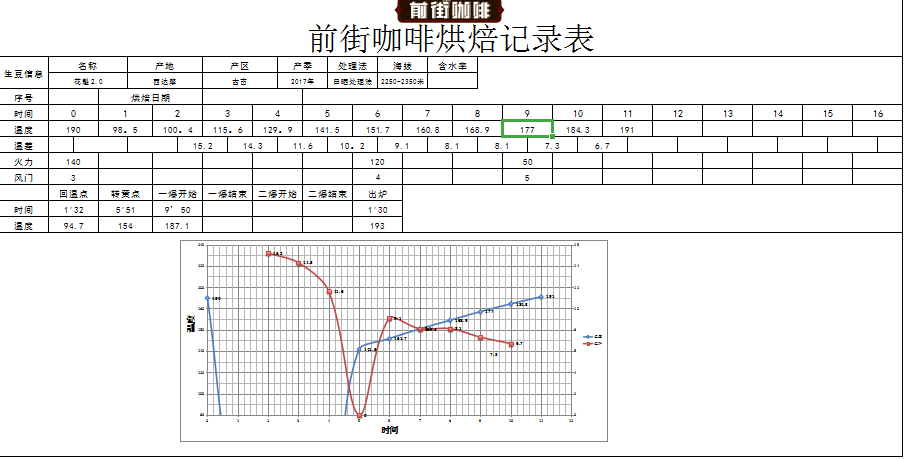
FrontStreet Coffee: Guifei 2.0 Roasting Profile
Coffee Name: Guifei 2.0, Roaster: Yangjia 800N, Batch Size: 480g
Charge beans at 160°C with the damper at 3 and heat at 140; the turnback point comes at 1'32", time 5'51"; at 154°C the bean surface turns yellow, the grassy aroma disappears completely and dehydration is complete. At 152°C reduce heat to 120 with the damper at 4; at this point ugly wrinkles and black spots appear on the bean surface and the toast aroma clearly transitions to coffee aroma, which can be defined as pre-first crack. Key point: listen carefully for the sound of first crack. First crack begins at 9'50" at a temperature of 177°C; reduce heat to 50 and open the damper fully; drop at 193°C, with a development time of 1'30".
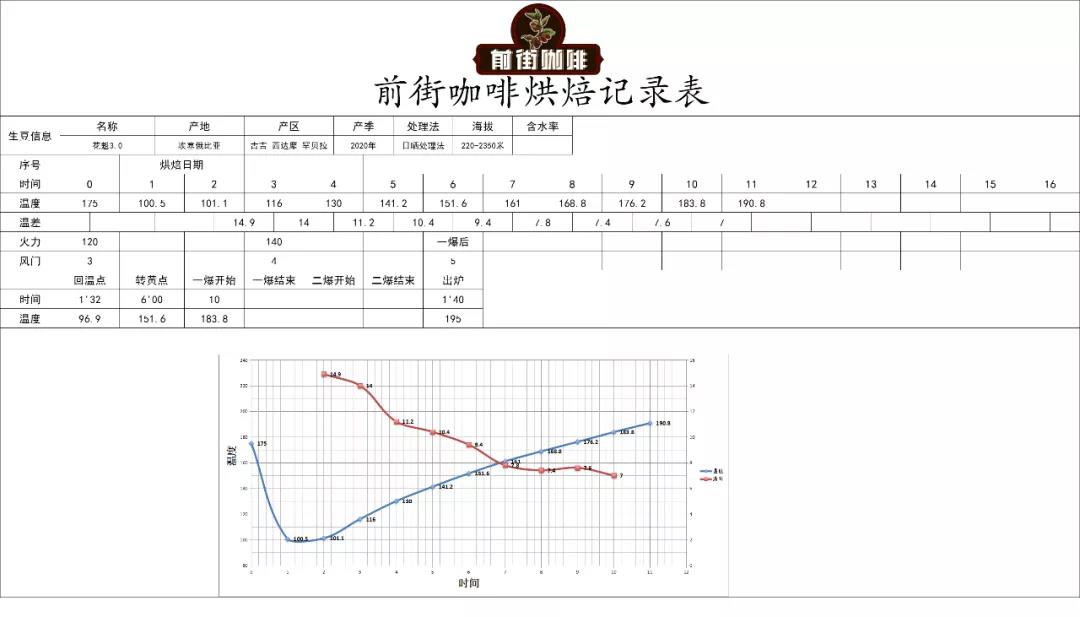
FrontStreet Coffee: Guifei 3.0 Roasting Profile
Coffee Name: Guifei 3.0, Roaster: Yangjia 800N, Batch Size: 480g
Charge beans at 175°C with the damper at 3 and heat at 120; the turnback point comes at 1'32" and the yellow point at 6'00"; at 152°C the bean surface turns yellow, the grassy aroma disappears completely and dehydration is complete. At 116°C increase heat to 140 with the damper at 4; at this point ugly wrinkles and black spots appear on the bean surface and the toast aroma clearly transitions to coffee aroma, which can be defined as pre-first crack. Key point: listen carefully for the sound of first crack. First crack begins at 10'00" at a temperature of 183.8°C; open the damper fully; drop at 195°C, with a development time of 1'40".
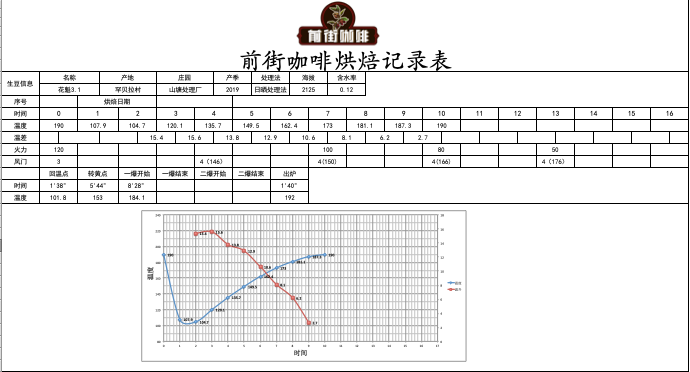
FrontStreet Coffee: Guifei 3.1 Roasting Profile
Coffee Name: Guifei 3.1, Roaster: Yangjia 800N, Batch Size: 480g
Charge beans at 190°C with the damper at 3 and heat at 120; the turnback point comes at 1'38" at a temperature of 101.8°C; the yellow point comes at 5'44" at 158°C, when the bean surface turns yellow, the grassy aroma disappears completely and dehydration is complete. When the temperature reaches 150°C, reduce heat to 100 with the damper unchanged; at 7'38" ugly wrinkles and black spots appear on the bean surface and the toast aroma clearly transitions to coffee aroma, which can be defined as pre-first crack. Key point: listen carefully for the sound of first crack. First crack begins at 8'28" at a temperature of 184.1°C; reduce heat to 80 and open the damper fully; drop at 192°C, with a development time of 1'0".
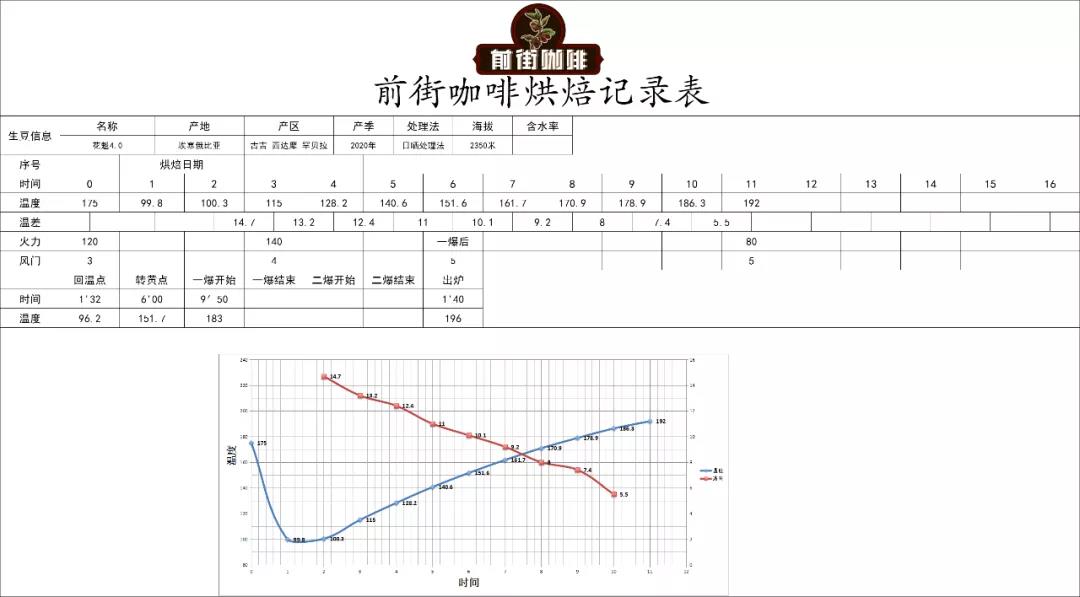
FrontStreet Coffee: Guifei 4.0 Roasting Profile
Coffee Name: Guifei 4.0, Roaster: Yangjia 800N, Batch Size: 480g
Charge beans at 175°C with the damper at 3 and heat at 120;
turnback point at 1'32" at a temperature of 96.2°C; at 3'00" increase heat to 140 with the damper at 4; the yellow point comes at 6'00" at 151.7°C, when the bean surface turns yellow, the grassy aroma disappears completely and dehydration is complete. Watch for ugly wrinkles and black spots beginning to appear on the bean surface and a clear smell of toast transitioning to coffee aroma. At this point the bean state can be defined as pre-first crack. Key point: listen carefully for the sound of first crack. First crack begins at 9'50" at a temperature of 183°C; when the temperature reaches 188°C, reduce heat to 80 and open the damper fully; drop at 196°C, with a development time of 1'40".
FrontStreet Coffee Recommendation
Guifei belongs to the same Ethiopian family that made this part of the world famous, and if its fermented fruit and floral lift are what you enjoy, FrontStreet Coffee roasts several coffees that chart the same territory from different starting points. FrontStreet Coffee Washed Yirgacheffe is the entry point, showing clear jasmine and a bright citrus acidity over a light, elegant body with a tea-like texture that drinks like a clean lemon tea. FrontStreet Coffee Gediding Cooperative comes from the Worka area at the southeastern edge of Yirgacheffe and uses the traditional washed method, which strips the fruit before drying and lets the bean's own aromatics come through more clearly: citrus and lemon with an elegant white floral note, bright and fine throughout. FrontStreet Coffee Natural Red Cherry is the natural-processed counterpart, using only fully ripe red cherries dried in the sun, and it shows peach, cocoa, honey and lemon.
FrontStreet Coffee Natural Guifei is the closest relative of what you have just read about. Grown in Hambella in the Guji zone of Sidamo on a 200-hectare farm and dried naturally on raised beds for 21 days with regular turning and hand sorting of defective fruit, it emerges from a light-medium roast with a faint fermented wine aroma, florals, citrus and mango, plus honey sweetness, a cocoa note and a touch of spice on a thick, long-lasting body. Two more coffees extend the range. FrontStreet Coffee Sidamo Natural Hamasho comes from a washing station whose quality and distinctive profile have made it a fixture on Ethiopian competition lists; its 74158 lot, drawn from the JARC 74 series of disease-resistant selections, has small beans and a bold floral-fruit character, smelling of perfume lemon, strawberry and star fruit and tasting of strawberry, star fruit and green grape before a soft floral note rises. FrontStreet Coffee Kaffa Forest, finally, is grown wild between 1400 and 2100 meters under shade in the forest that gave coffee its name and its original genetics, and shows white florals, a bright lemon acidity, sweet orange and bergamot, with a faint melon and nut sweetness and a green-tea texture.
Important Notice :
FrontStreet Coffee is a long-established specialty coffee roaster in Guangzhou China, selling freshly roasted beans from its own farm in Yunnan as well as dozens of carefully selected single-origin beans from around the world for both pour-over and espresso. The products deliver consistently excellent quality and great value, with shipping within 24 hours. Guangzhou's FrontStreet Coffee shop is recommended by many coffee lovers, and the beans are now available online at the Tmall 。
FrontStreet Coffee has moved to a new address:
FrontStreet Coffee Address: 315,Donghua East Road,GuangZhou
Tel:020 38364473
 Scan and follow the En Gafei WeChat official account. Please indicate that the reprint comes from "En Gafei".