What Does Yirgacheffe Natural Woka Taste Like & How to Brew Yirgacheffe Coffee
Yirgacheffe Worka Washed G1
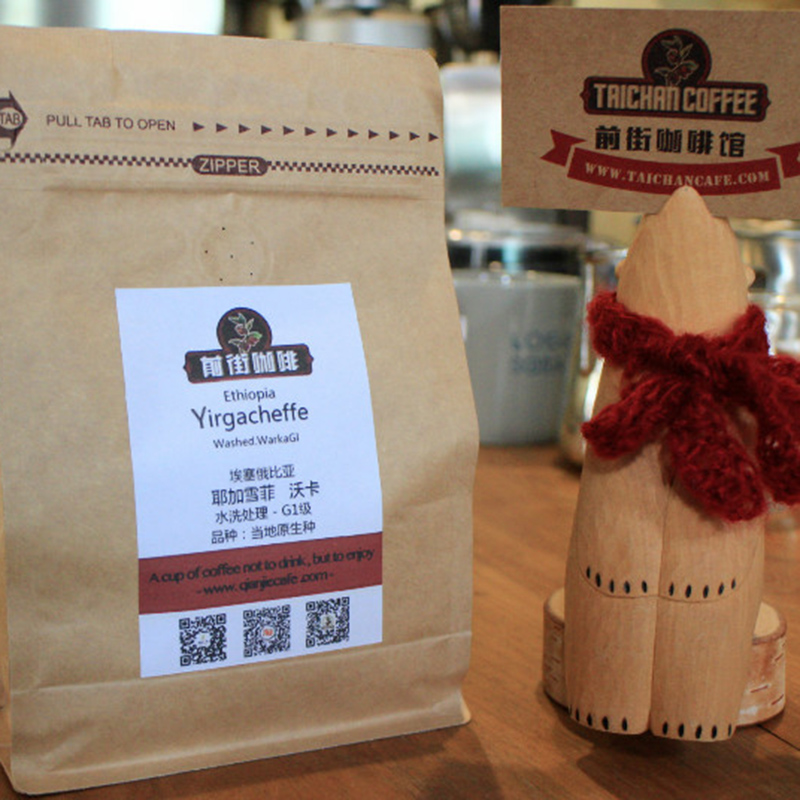
FrontStreet Coffee Yirgacheffe Worka Washed
Origin: Ethiopia
Grade: G1
Region: Worka
Roast Level: Light Roast
Processing Method: Washed
Variety: Local Heirloom
Processing Station: Worka Cooperative
Flavor Notes: Lemon, kumquat, white grape juice
01 | Region Introduction
Yirgacheffe is a small town in Ethiopia sitting at 1,700-2,100 meters, and its name has become shorthand for Ethiopian specialty coffee. The area has been wetland since antiquity: in the local language "Yirga" means "to settle down" and "Cheffe" means "wetland," so Yirgacheffe literally invites people to "settle and make a living in this wetland."
FrontStreet Coffee Yirgacheffe (specialty zone): altitude 1,800-2,000 meters | garden coffee system
Yirgacheffe technically sits within the Sidamo region, but its singular flavor profile earned it recognition as a region of its own.
Beyond the town of Yirgacheffe itself, the appellation takes in three surrounding sub-regions: Wenago, Kochere, and Gelena Abaya.
Under the Yirgacheffe umbrella are countless villages, micro-regions, cooperatives, and washing stations. In most of Ethiopia, farming families still live modestly and lack the means to build their own processing workshops, so stations arose to buy cherries from surrounding smallholders, process them centrally, and sell the green beans on to exporters.
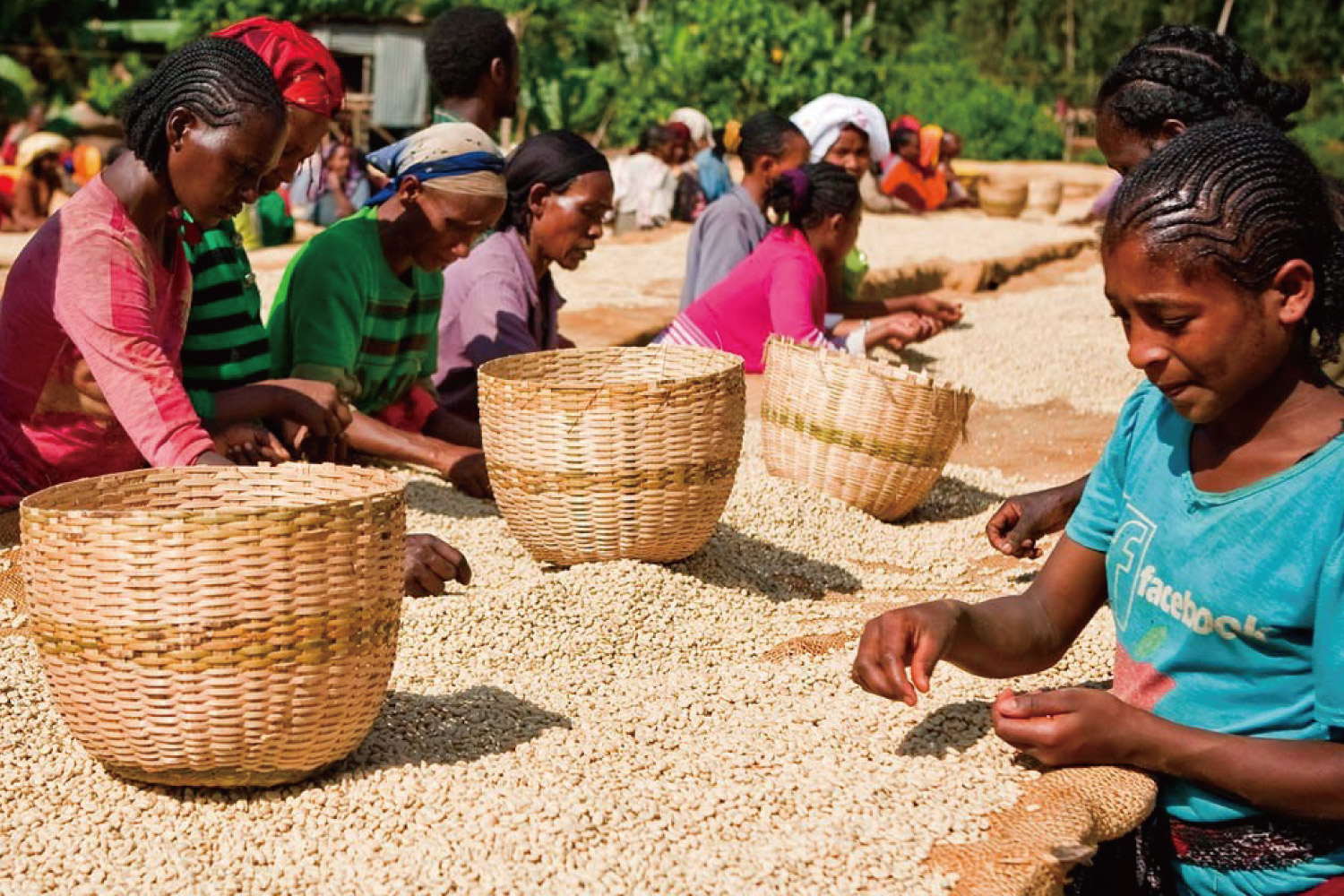
The trees grow mostly in farmers' backyards or intercropped with other crops, and each household's harvest is small—classic garden coffee. The award-winning Yirgacheffe lots almost always come from these villages and communities. The famous "Yirgacheffe flavor" means intense jasmine, lemon or lime acidity, peach and almond sweetness, or delicate tea notes. The saying "coffee enters the mouth, a hundred flowers bloom" captures it perfectly: florals stimulating the palate and olfactory cells all at once, with a silken body that glides across the tongue. Coffee chemists have begun studying Yirgacheffe's microclimate and soils, hoping to reverse-engineer an equation for growing specialty coffee.
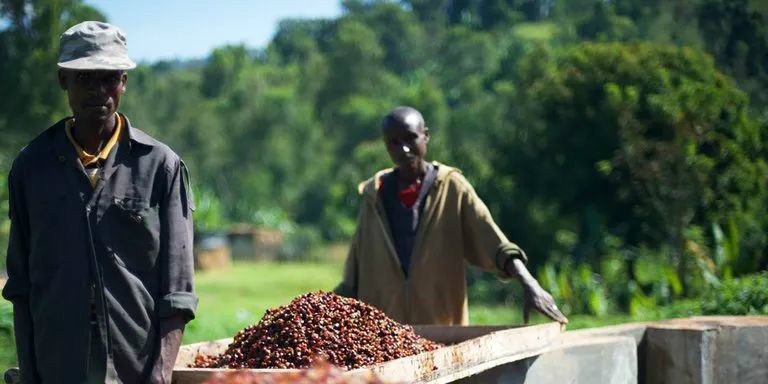
Strictly speaking, Yirgacheffe is a sub-region of Ethiopia's Sidamo province, lying in its northwest, ringed by mountains and lakes and counting among Ethiopia's highest coffee zones. The town itself holds about 20,000 people. The three neighboring districts—Wenago, Kochere, and Gelena Abaya—produce coffee nearly identical in character, so they too are classified under the Yirgacheffe name. The quality and flavor here are so outstanding that Ethiopian farmers take pride in beans that display the Yirgacheffe signature. Hence it broke away from Sidamo to become its own distinctive style—and Africa's most famous coffee region.
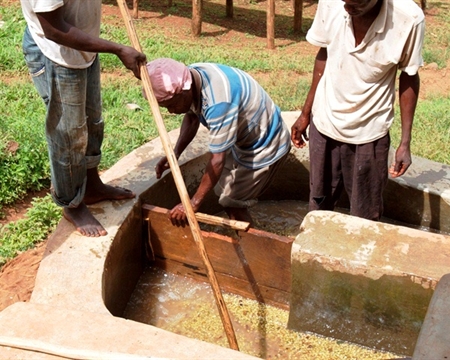
02 | Worka Cooperative
FrontStreet Coffee's washed Ethiopian coffee reaches the highest grade, G1—extremely rare.
This lot comes from a single farm in Ethiopia, processed by the Worka Cooperative; the Alemayehu Alako farm is one of its members.
The Worka Cooperative was established in 2005 and joined the celebrated Yirgacheffe Coffee Farmers Cooperative Union (YCFCU) that same year, earning its reputation with high-quality Yirgacheffe. The cooperative counts about 300 coffee-farming members. The YCFCU itself was founded in 2002 and brings together 26 other cooperatives, serving more than 45,000 farmers in total.
Worka lies at the far southeastern edge of Yirgacheffe, in the Gedeb district. For years the area exported its green coffee simply under the name Worka, or processed it through the Worka Cooperative. But over the past two to three years, individual micro-lots have been discovered one by one by coffee hunters worldwide: Banko Gotiti, Banko Dadhato, Halo Bariti, and others. Gotiti village was among the first to split off on its own several years ago. Many of these independent smallholders were once Worka Cooperative members, so their craft is naturally excellent.
The Worka Cooperative proper sits in the southern part of Gedeb district, established in 2005 and a YCFCU member from the same year, renowned for high-quality Yirgacheffe and roughly 300 farming families. As noted, the YCFCU was founded in 2002 and unites 26 other cooperatives serving over 45,000 farmers.
03 | Processing Method
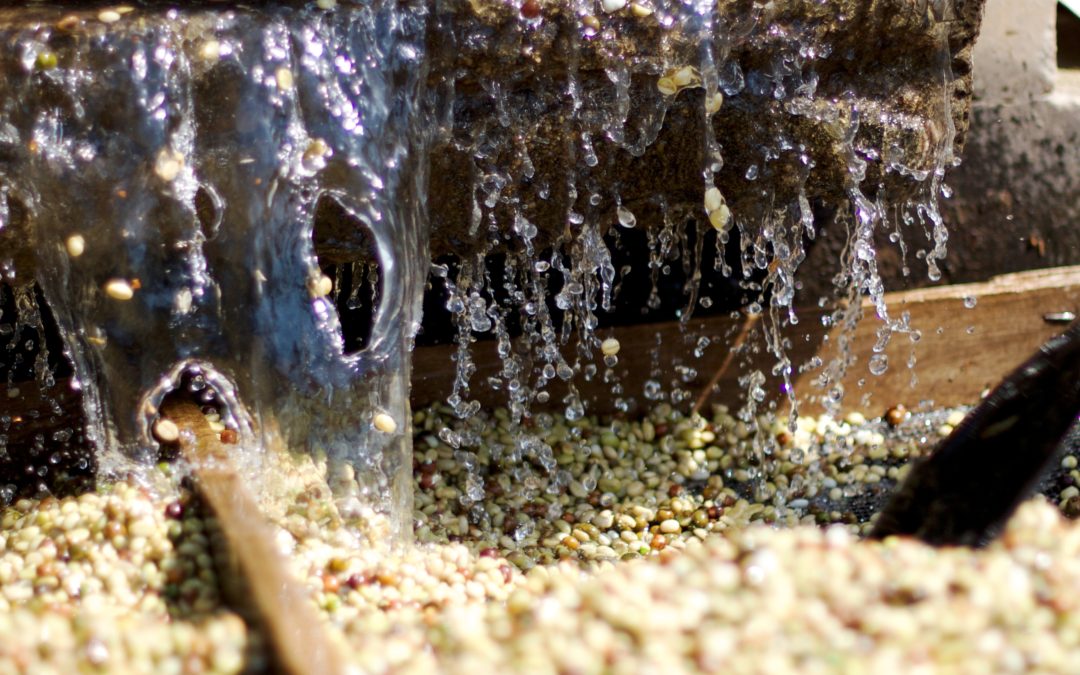
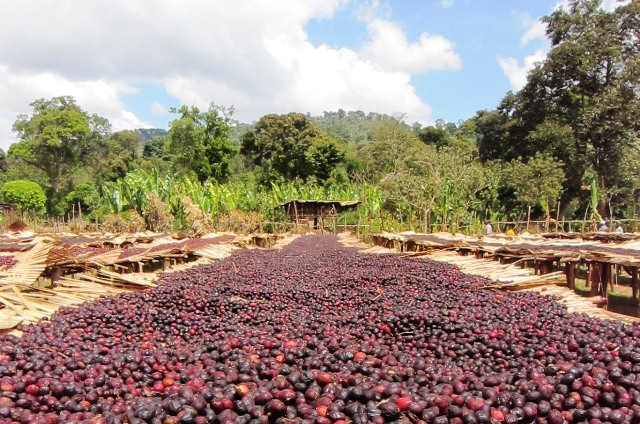
In the Yirgacheffe region, the dominant method is washed processing. The coffee is fermented in washing tanks for about 72 hours to loosen the pulp. Some of the acids generated during mucilage fermentation work their way into the beans. And because no pulp or mucilage clings to the parchment during drying, the cup lacks the fruity character of naturals—flavors run clean and bright, with more pronounced acidity. Drying takes place in the open air at the mill. After hand sorting, the green beans are inspected by the Ethiopian Coffee and Tea Authority and exported through competitive bidding.
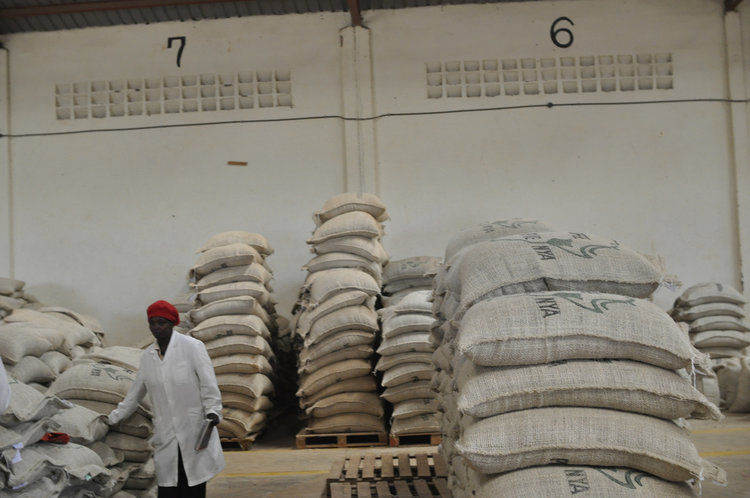
Annual production runs about 225,000 bags (60kg each). It was long sold mainly to Northern Europe (Germany above all) and Japan, though North America has recently taken notice too.
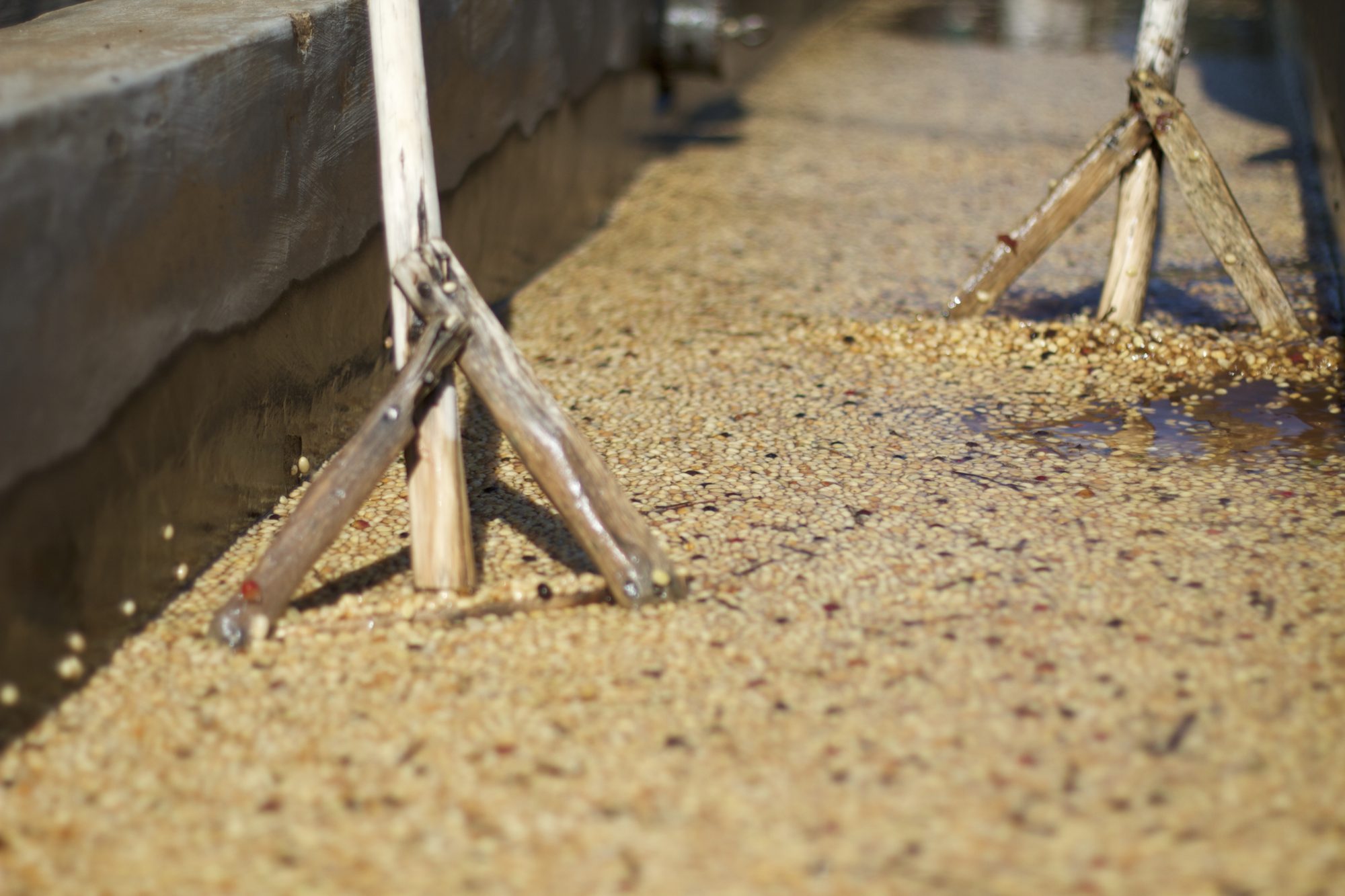
Washed coffee rarely shows wild flavors; it is pure and refreshing, and suits lighter roast levels. That this FrontStreet Coffee washed Ethiopian lot achieves the top G1 grade already tells you defects are minimal.
04 | Green Bean Analysis
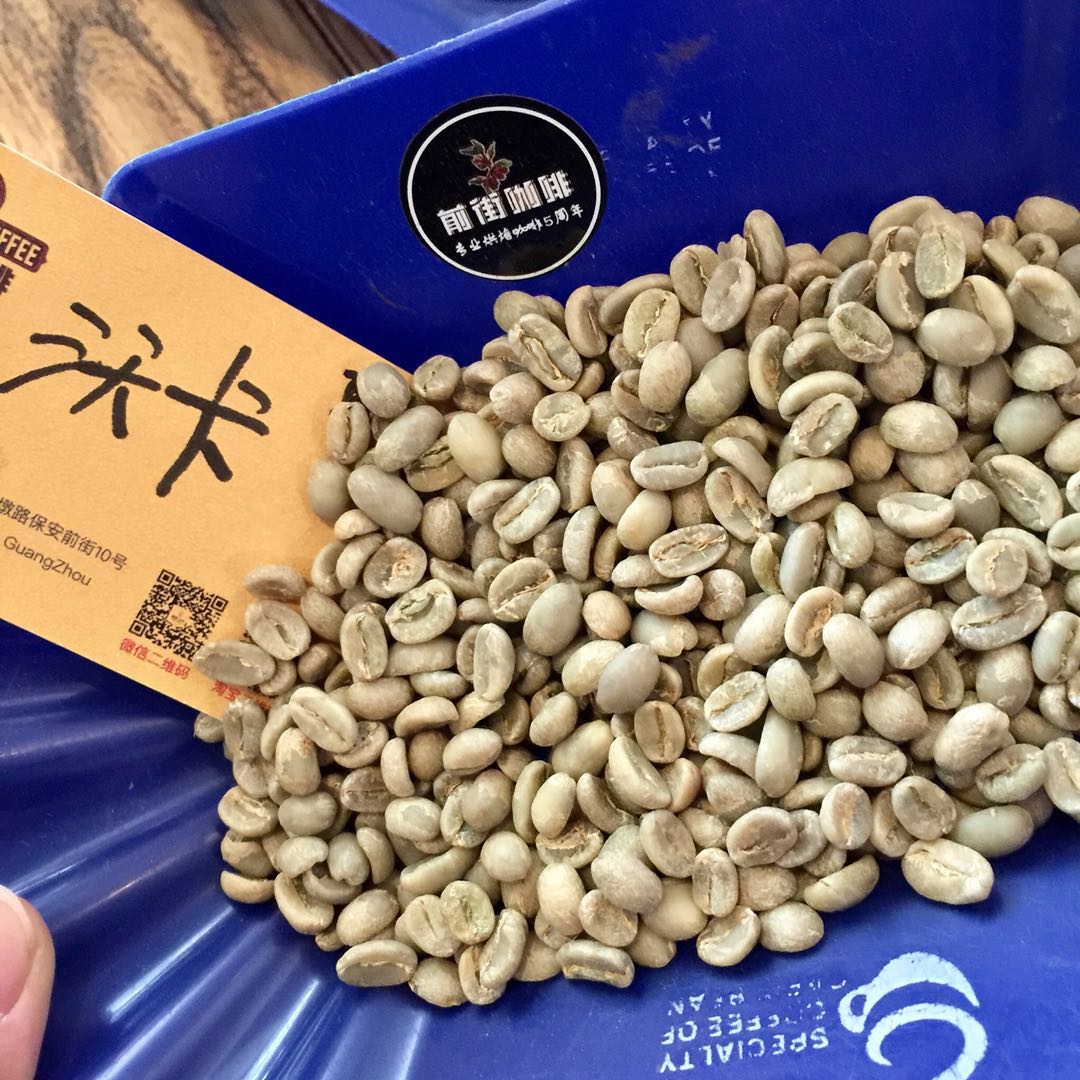
"Heirloom" (local native variety) is a uniquely Ethiopian designation, sweeping in a vast range of cultivars—Typica, Mocha, Bourbon, and beyond. The Kaffa Forest is the cradle of Arabica coffee. The entire rest of the coffee-growing world can muster only several hundred varieties, original or derived, while this treasure chest holds tens of thousands, most still unclassified. "Heirloom" is Ethiopia's way of saying its varieties encompass everything, summarized in a single word. These green beans are blue-green in color and fairly uniform in size.
African beans are graded by defect count. Indonesian beans, for comparison, run mainly across six grades, G1 through G6. For washed beans the top grades are G1 and G2; for naturals, G1 and G3.
What does that mean in practice?
Washed: Grade-1; Grade-2 (G1 > G2)
Natural: Grade-1 and Grade-3 to Grade-5 (G1 > G3 > G4 > G5)
A few points to note:
a) Both washed and natural can earn Grade 1, with the condition of "zero" defects and a premium cup. Whether washed or natural, Grade 1 marks the best of the best—specialty or Cup of Excellence territory.
b) The lowest grade for natural Yirgacheffe and Sidamo is Grade 4.
c) Within the same grade—Limu Grade 2, say—quality varies with the exporter's sorting standards and investment.
d) Under today's "zero defect" expectations, Grade 1 beans (washed or natural) are extremely rare, because the processing cost is very high and few suppliers will take it on.
05 | Brewing Analysis
Three-pour segmented extraction
This builds richer layers, cleanly separating the coffee's front, middle, and back flavors. After the bloom, each pour adds more water, timing each addition for the moment the coffee is about to expose the bed—small, medium, and large pours for the three stages:
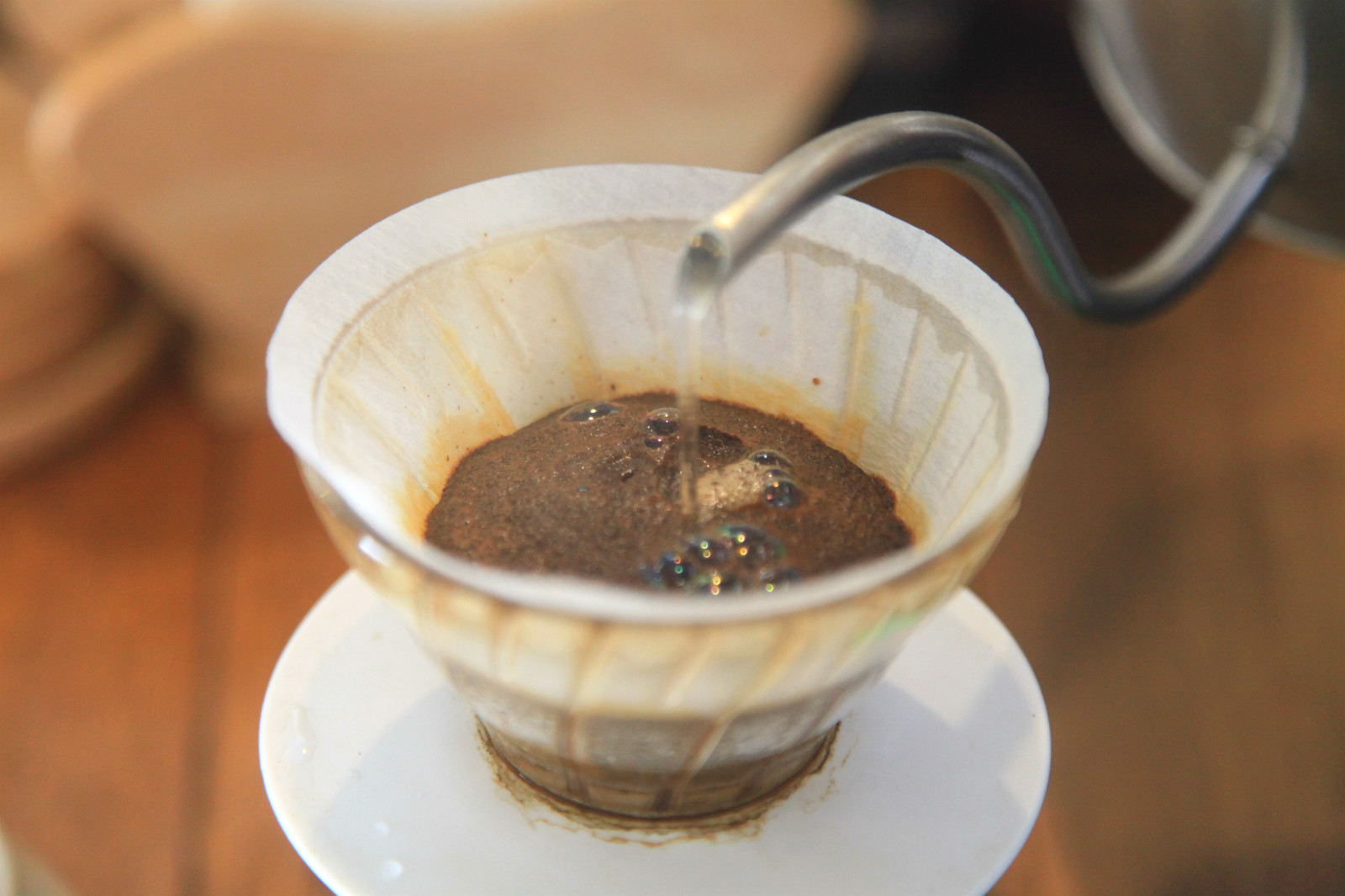
Recommended methods: siphon, pour-over
Grind size: 3.5 (Japan Fuji R440)
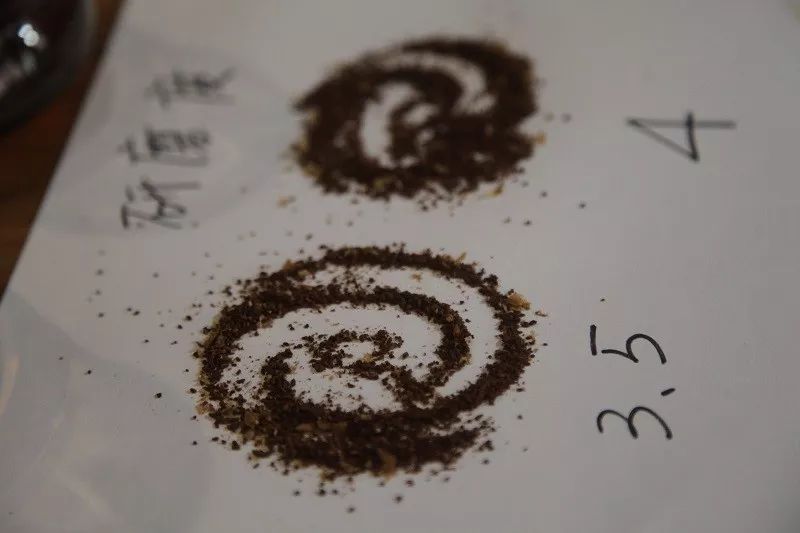
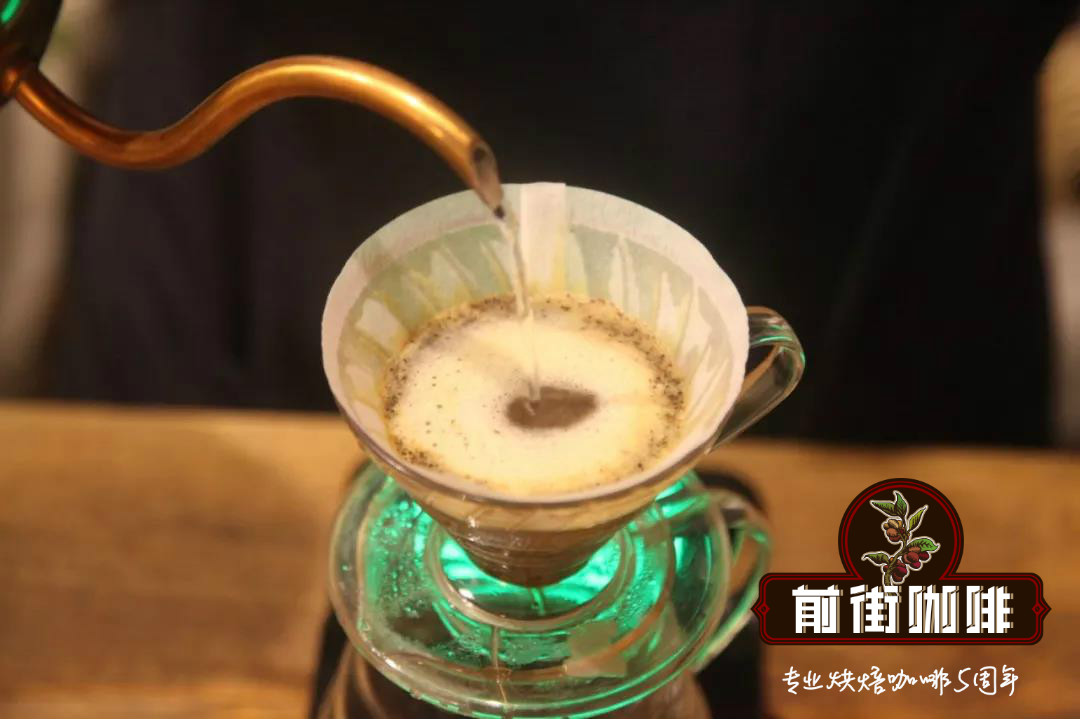
V60 dripper, 15g coffee, water at 90°C, grind 3.5, water-to-coffee ratio close to 1:15
30g of water for the bloom, 30 seconds
Stages: pour to 120g, pause, then pour slowly to 225g
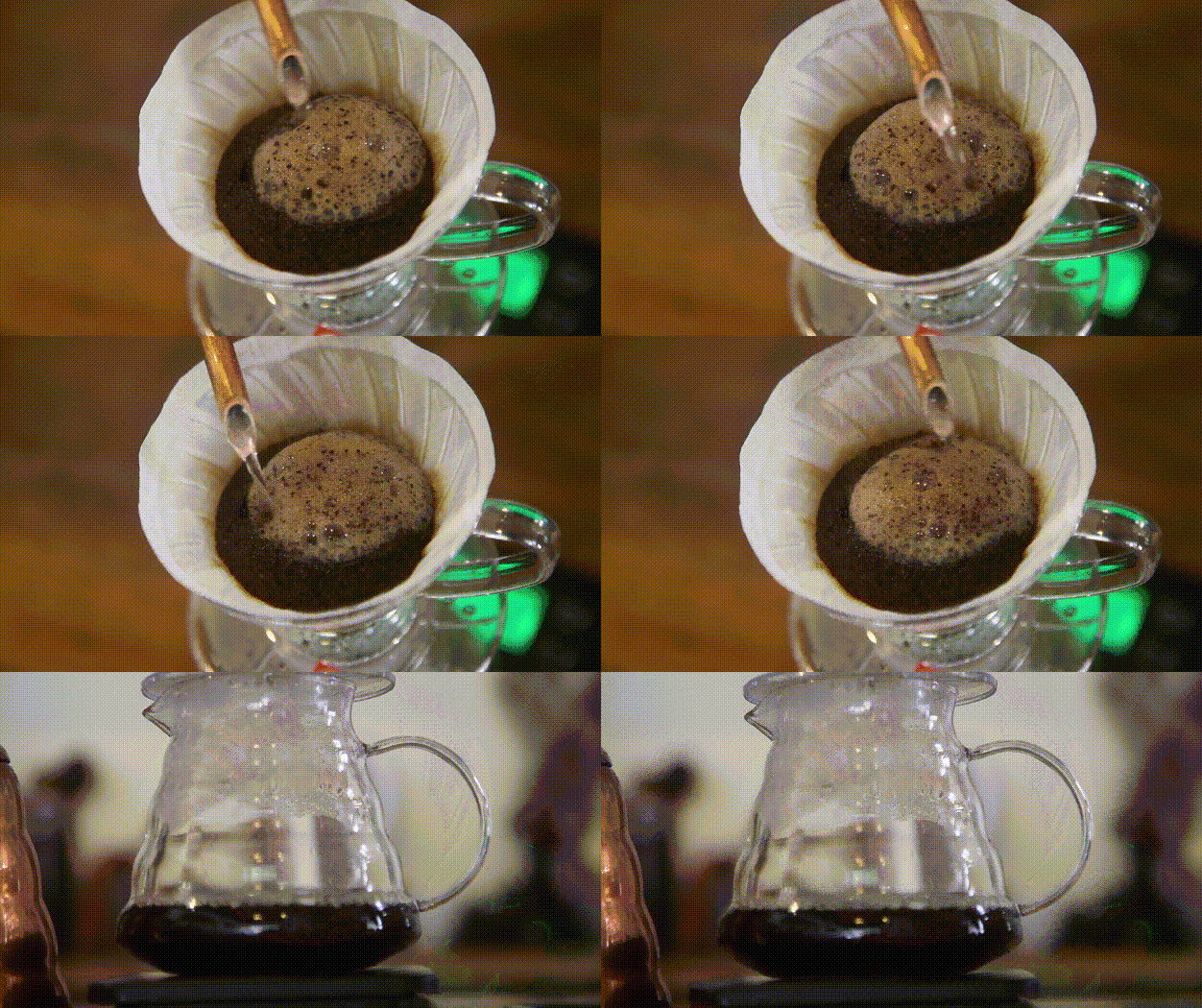
In short: 30-120-225
Other immersion and pressure suggestions:
French press: grind 3.5-4 / water 86-88°C
AeroPress: grind 2.5, water 86-88°C
FrontStreet Coffee Ethiopia Yirgacheffe Washed Heirloom Worka G1 Single Origin Specialty Coffee Beans
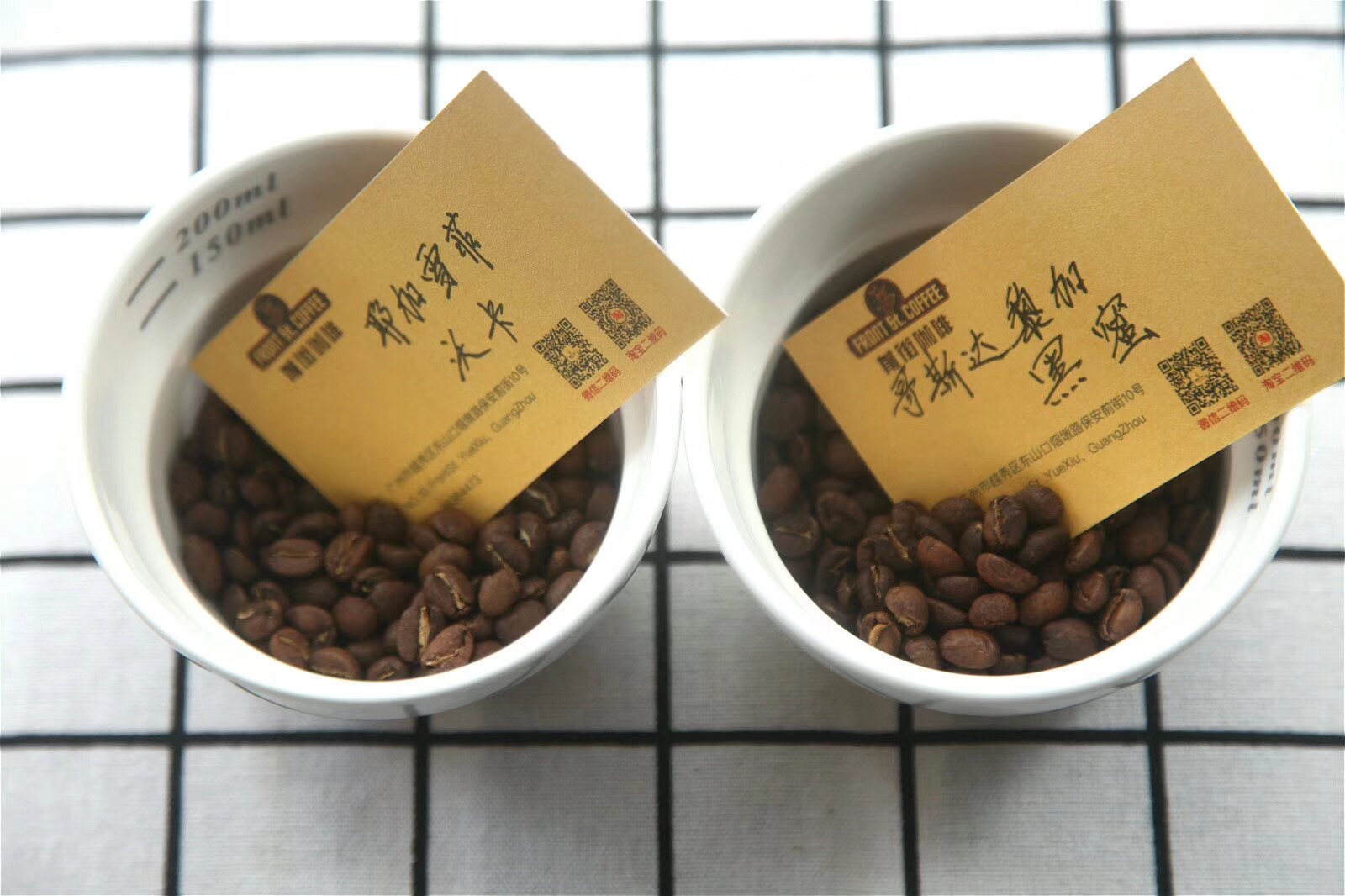
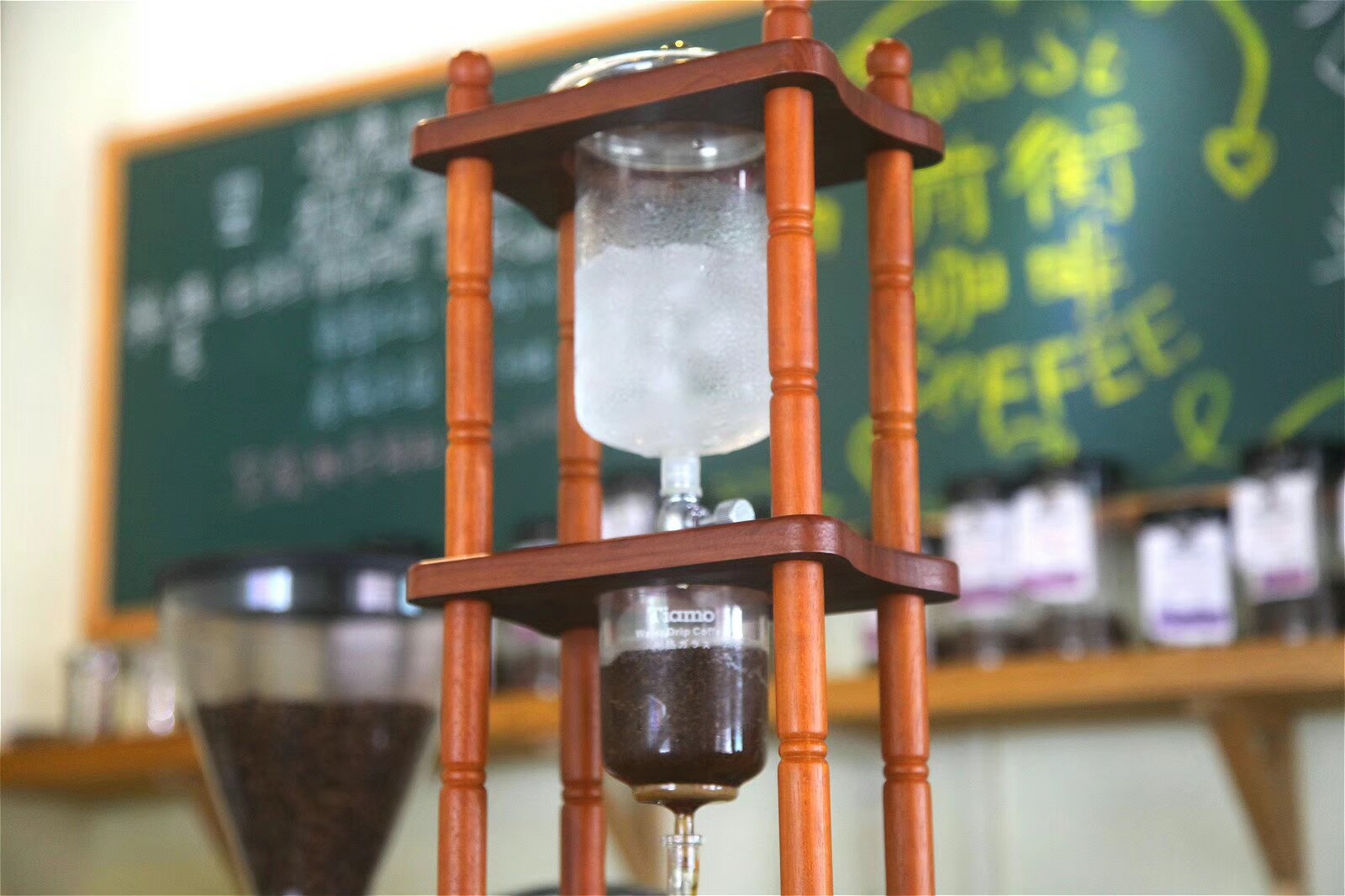
FrontStreet Coffee [Cold Drip Recipe]: FrontStreet Coffee Yirgacheffe Worka 30g + FrontStreet Coffee Costa Rica Black Honey 30g, water-to-coffee ratio 1:10, BG grind 3D (close to cupping grind).
FrontStreet Coffee's Costa Rica Black Honey carries orange blossom fragrance with prominent caramel and cream notes. Adding the Yirgacheffe Worka deepens the caramel character and brings some lemon acidity—the result is wonderfully refreshing, perfect for a blazing summer day.
FrontStreet Coffee Recommendation
Yirgacheffe Worka is exactly the kind of coffee FrontStreet Coffee builds its reputation on. If you're new to Ethiopian coffee, begin with our house Washed Yirgacheffe: grown at roughly 1,700-2,100 meters—among the highest coffee elevations anywhere—it shows the region's signature white jasmine, bright citrus and lemon acidity, and clean tea-like finish, all at an entry-friendly price. It's the first bean we recommend to anyone taking their first step into Ethiopian specialty coffee.
Prefer fruit over florals? The FrontStreet Natural Red Cherry Yirgacheffe dries only fully ripe, defect-free cherries whole on raised beds—raked every 2-3 hours in the early days to prevent uneven heating, then dried for three to five weeks—so the cup keeps classic Yirgacheffe character while gaining tropical fruit: citrus-like acidity, berry juiciness, honey sweetness, and cream-smooth body.
Important Notice :
FrontStreet Coffee is a long-established specialty coffee roaster in Guangzhou China, selling freshly roasted beans from its own farm in Yunnan as well as dozens of carefully selected single-origin beans from around the world for both pour-over and espresso. The products deliver consistently excellent quality and great value, with shipping within 24 hours. Guangzhou's FrontStreet Coffee shop is recommended by many coffee lovers, and the beans are now available online at the Tmall 。
FrontStreet Coffee has moved to a new address:
FrontStreet Coffee Address: 315,Donghua East Road,GuangZhou
Tel:020 38364473
 Scan and follow the En Gafei WeChat official account. Please indicate that the reprint comes from "En Gafei".