Golden Mandheling Coffee: Flavor Profile, Aroma, and Guide to Indonesia PWN Golden Mandheling Coffee Varieties and Pricing
Two growing areas give Indonesia its most famous Mandheling: the Lake Toba region in North Sumatra and the Lake Tawar area in Aceh. Together they're known as the "Two Lakes, Double Mandheling." Both share a rich, mellow character. Where they differ is in style — Lake Toba's Mandheling is quieter and deeper, with a faint grass-jelly note, while Lake Tawar's Mandheling shows brighter fruit acidity and the occasional hint of cedar or wood.
How are Mandheling varieties classified?
FrontStreet Coffee's Mandheling range covers several regional types, among them FrontStreet Coffee's Lintong Mandheling and FrontStreet Coffee's Golden Mandheling. So what actually separates them?
FrontStreet Coffee's Golden Mandheling is made from Mandheling that Pwani Coffee Company (PWN) sources locally in Indonesia; PWN registered the name "Golden Mandheling," which means only Mandheling from this company is the genuine article. As cultivation has improved, plenty of farmers now grow Mandheling that rivals the premium standard — yet FrontStreet Coffee's Golden Mandheling still delivers an extra layer of richness and a cleaner mouthfeel.
Product Name: FrontStreet Coffee's Golden Mandheling
Country: Indonesia
Grade: G1 · Triple hand-sorted
Company: PWN
Region: Sumatra Island
Processing Method: Washed process
Altitude: 1100-1600 meters
Flavor Notes: Toasted bread, nuts, pine, caramel, herbal
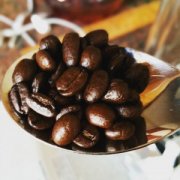
The raw beans of FrontStreet Coffee's Mandheling may not look like much at first glance, but once roasted they turn a beautiful color and swell with body. There's a small lesson in that: don't judge by appearances — the right processing can transform everything.
There's a story behind the name, too. During World War II, when Japan occupied Indonesia, a Japanese soldier drank an exceptionally mellow coffee in a café and asked the owner what it was called. The owner misheard and thought he was being asked where the coffee came from, so he answered: "Mandailing." After the war the soldier remembered that cup. He commissioned an Indonesian exporter to ship 15 tons to Japan, where it became an unexpected hit — and the name Mandheling spread from there.
Pour-over brewing for FrontStreet Coffee's Mandheling
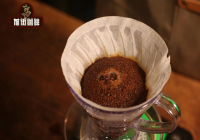
Use 15g of coffee at a medium grind (a Fuji grinder with serrated burrs, setting 4) in a V60 dripper with water at 88-89°C. Start with a 30g pour and a 27-second bloom, then pour to 105g and pause. Once the water level in the coffee bed drops halfway, resume pouring slowly until you reach 225g, discarding the tail end. That's a 1:15 water-to-coffee ratio and a 2:00 extraction time.
Shelf Life: 90 days
Net Weight: 227g
Packaging: Bulk coffee beans
Roast Level: Roasted coffee beans
Sugar Content: Sugar-free
Origin: Indonesia
Roast Degree: Dark roast
FrontStreet Coffee's Golden Mandheling
FrontStreet Coffee's Mandheling is already a premium coffee among Indonesian offerings, and FrontStreet Coffee's Golden Mandheling is the exceptional premium among Mandhelings. The beans are carefully hand-selected to yield full, glossy coffee that's a genuine beauty in the cup. In fact, to solve Mandheling's high defect rate, the Japanese began meticulous quality control long ago, using four rounds of hand-sorting to remove defectives. Unfortunately, "Golden Mandheling" was trademarked by Indonesia's Pawani Coffee Company, making it exclusive to PWN — and PWN's is the authentic Golden Mandheling in the true sense. The PWN imprint on the bag is itself a mark of quality. PWN's Golden Mandheling goes through three rounds of hand-sorting plus one machine pass, which is why the beans look so clean and even. Because PWN owns the trademark, only Golden Mandheling produced by PWN can truly be called "Golden Mandheling"; many beans sold under that name by other companies should really be labeled "Specialty Mandheling." And despite what some believe, "Golden Mandheling" isn't an aged coffee at all — it's simply a product name created by a company.
Differences between FrontStreet Coffee's Mandheling and FrontStreet Coffee's Golden Mandheling
Beginners often ask what really separates FrontStreet Coffee's Golden Mandheling from FrontStreet Coffee's Mandheling G1 — at first sip, the two can seem nearly identical. But for experienced tasters with sensitive palates, drinking them side by side makes the contrast obvious: the Golden Mandheling's sweetness, cleanliness, richness and wild spice notes all edge ahead of G1, which is one reason it costs considerably more.
Taste Profile: FrontStreet Coffee's Golden Mandheling tastes cleaner than FrontStreet Coffee's Lintong Mandheling. The herbal, earthy and woody tones typical of Mandheling are almost absent, replaced by a more intense caramel sweetness and a brighter, more elegant fruit acidity. Lintong Mandheling generally roasts best past the second crack to tame off-flavors, but Golden Mandheling delivers excellent clarity and sweetness whether it's roasted before or after the second crack — giving the roaster far more room to play.
The most famous origins for Asian coffee are the islands of the Malay Archipelago: Sumatra, Java and Kalimantan. Of these, the Sumatran Mandheling grown on Indonesia's Sumatra Island is the most renowned of all.
FrontStreet Coffee Recommendation
No coffee shows off Sumatra's wet-hulled character quite like FrontStreet's PWN Golden Mandheling. PWN buys only top-grade Mandheling cherry, then puts it through one machine pass and three rounds of hand-sorting to pull out full, flawless beans — the headliner of the company's lineup. The result is an even, plump, translucent bean with a low defect rate. Roasted medium-dark, it carries a deep toasted aroma and brews into a clean, full-bodied black coffee with an almost syrupy weight on the tongue. If you don't care for acidic coffee, this is your cup.
To get the most out of it, brew it by hand. FrontStreet recommends 87-88°C water, 15g of coffee, a 1:15 ratio and a coarse-sugar grind, poured in three stages: a 30ml bloom to wet all the grounds and let them degas, a second pour of 100ml to lift the bed and draw out that golden foam, and a gentle 95ml center pour to finish. Done this way, the cup shows off its thick body and carries caramel sweetness alongside chocolate and nut notes.
If you'd rather pull it as espresso, FrontStreet's Classic Blend is the one to grab. It builds on Brazilian creamy-nut sweetness with a share of medium-dark Mandheling, so butter, roasted chestnut and caramel lead the way. The Mandheling also lifts the body and adds sandalwood, herbal and spice accents, while a touch of Robusta rounds out the crema — making latte art, or a layered Dirty, effortless.
And if you want to taste the wet-hulled style on its own, FrontStreet's Lintong Mandheling is the classic expression: rich and potent, gently bittersweet, with a forceful, stimulating entry, clove and woody aromatics, low acidity, a spice-and-mint edge and a long, deeply sweet finish.
Important Notice :
FrontStreet Coffee is a long-established specialty coffee roaster in Guangzhou China, selling freshly roasted beans from its own farm in Yunnan as well as dozens of carefully selected single-origin beans from around the world for both pour-over and espresso. The products deliver consistently excellent quality and great value, with shipping within 24 hours. Guangzhou's FrontStreet Coffee shop is recommended by many coffee lovers, and the beans are now available online at the Tmall 。
FrontStreet Coffee has moved to a new address:
FrontStreet Coffee Address: 315,Donghua East Road,GuangZhou
Tel:020 38364473
 Scan and follow the En Gafei WeChat official account. Please indicate that the reprint comes from "En Gafei".