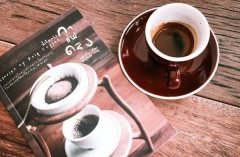
Lindong Mandheling Coffee Bean Characteristics & Brewing Methods
Product Information
Net Weight: 227g
Packaging: Bulk
Flavor Profile: Sweet
Bean State: Roasted Coffee Beans
Sugar Content: Sugar-free
Origin: Indonesia
Coffee Type: Mandheling
Roast Level: Medium Roast
FrontStreet Coffee Indonesian Mandheling
Country: Indonesia
Grade: G1 · Triple Hand-picked
Region: Lintong, Sumatra Island
Processing Method: Traditional wet-hulled process
Altitude: 1100-1600 meters
Flavor Notes: Toasted bread, nuts, pine, caramel, herbal
The Heritage of Sumatran Coffee
The most renowned coffee origins in Asia are undoubtedly the islands of the Malay Archipelago: Sumatra, Java, and Kalimantan. Among them, Sumatran Mandheling from the Indonesian island of Sumatra carries the highest prestige.
Both Lake Toba in North Sumatra province and the Lake Tawar area in Aceh produce Mandheling coffee, giving rise to the well-known saying "two lakes, two Mandhelings." What they share is a rich, mellow body; what sets them apart is that Lake Toba Mandheling is more subdued and deep, at times carrying herbal notes, while Lake Tawar Mandheling shows brighter fruit acidity, sometimes with fir or wood.
FrontStreet Coffee Golden Mandheling
FrontStreet Coffee Golden Mandheling is made from Mandheling beans that Pwani Coffee Company sources locally in Indonesia and markets under the registered name "Golden Mandheling." It is this company's Mandheling, therefore, that represents the true Golden Mandheling. As cultivation techniques keep improving, many farmers' Mandheling has gradually closed in on that premium quality, yet Golden Mandheling still keeps a touch more richness and a cleaner cup.
FrontStreet Coffee Mandheling's green beans may not look especially appealing, but after roasting they develop a full, beautiful color. It is a reminder not to judge by appearance: with proper processing, a complete transformation is possible.
Brewing Recommendations
Hand-poured FrontStreet Coffee Mandheling: 15g of coffee at a medium grind size (Fuji Royal grinder with ghost teeth #4), a V60 dripper, and water at 88-89°C. Begin with a 30g pour for a 27-second bloom, then pour to 105g and pause. Wait until the water level drops halfway, then continue pouring slowly to 225g, avoiding the tail end. Water-to-coffee ratio 1:15, extraction time 2:00.
The Legend of Mandheling
During World War II, when Japan occupied Indonesia, a Japanese soldier tasted an incredibly mellow coffee in a cafe. When he asked the owner for the coffee's name, the owner misunderstood and thought he was being asked where he was from, so he replied: "Mandailing." After the war, the soldier remembered the "Mandheling" he had drunk in Indonesia, commissioned an Indonesian coffee exporter to ship 15 tons to Japan, and it became a surprising hit. That is how the name Mandheling spread.
Types of Mandheling Coffee
FrontStreet Coffee Mandheling is sold as several regional types, among them FrontStreet Coffee Lintong Mandheling and FrontStreet Coffee Golden Mandheling. So what separates them?
Lintong is the traditional Mandheling region around Lake Toba in North Sumatra, where varied plant life, a suitable growing altitude, wet-hulled processing, and local microbial fermentation produce the classic Mandheling profile: a deep aroma, a full body, and a strong flavor. Golden Mandheling is the top expression of the style. FrontStreet's PWN Golden Mandheling is selected from beans of 18 screen size and above, with fewer than 3 defective beans per 300g green sample to meet the highest G1 standard, then hand-sorted three times to remove any remaining defects. That is why its cup is cleaner and its sweetness more intense. Strict standards and limited output are exactly what keep it at the top of the Mandheling field.
FrontStreet Coffee Recommendation
FrontStreet Coffee's Mandheling range is the most direct way to explore wet-hulled Sumatran coffee. FrontStreet Lintong Mandheling comes from the traditional Lintong region around Lake Toba and is roasted medium-dark, keeping a low acidity alongside a rich, mellow body. Expect clove and woody aromas, a mint-like and spicy edge, and a strong, lingering caramel sweetness from the dark chocolate, caramel, and herbal character of the bean.
For the cleanest, sweetest take on the style, FrontStreet PWN Golden Mandheling is the flagship. Pwani Coffee Company buys high-grade Mandheling green beans and hand-sorts them repeatedly so that only plump, defect-free beans go forward; after a medium-dark roast the coffee carries a full roasted aroma, a clean cup, and a heavy, syrupy body. It is a natural fit for anyone who dislikes acidic coffee.
To brew it, FrontStreet suggests 87-88°C water, 15g of coffee, a 1:15 ratio, and a grind size like coarse sugar, poured in three stages: a 30ml bloom that fully wets the grounds, then 100ml to lift the bed and draw out the golden foam, then a gentle 95ml center pour that rounds off the sweetness and brings forward the caramel, chocolate, and nut flavors. If you want to use Mandheling with milk, FrontStreet's classic espresso blend adds a medium-dark Mandheling to its Brazilian base, giving the cup butter, roasted chestnut, and caramel notes plus the woody, herbal, and spicy depth Mandheling is known for.
Important Notice :
FrontStreet Coffee is a long-established specialty coffee roaster in Guangzhou China, selling freshly roasted beans from its own farm in Yunnan as well as dozens of carefully selected single-origin beans from around the world for both pour-over and espresso. The products deliver consistently excellent quality and great value, with shipping within 24 hours. Guangzhou's FrontStreet Coffee shop is recommended by many coffee lovers, and the beans are now available online at the Tmall 。
FrontStreet Coffee has moved to a new address:
FrontStreet Coffee Address: 315,Donghua East Road,GuangZhou
Tel:020 38364473
 Scan and follow the En Gafei WeChat official account. Please indicate that the reprint comes from "En Gafei".