SWOT Analysis for Opening a Coffee Shop: What You Need to Prepare and How Much Capital You Need
SWOT Analysis and Market Analysis for Opening a Coffee Shop
Strengths (S)
1. Lower raw material costs
2. A good location, geographically close to the target audience, saving customers time and making the shop easy to visit
3. High foot traffic—office workers pass by as well as students
4. A clearly defined customer base—students tend to consume in groups, and a concentrated base makes word-of-mouth and imitation consumption spread easily
5. Good prospects—affordable prices with strong development potential among students
Weaknesses (W)
1. Fierce competition—many well-known coffee shops in the surrounding area
2. Weaker standing than established shops—limited management experience and relatively little influence
3. Limited funds—unable to meet the varied needs of every consumer group
4. Competitors opened earlier, with practiced technique and experience making a wide range of flavored drinks
Opportunities (O)
1. Strong market demand—the target group wants a broad selection
2. A concentrated campus consumer base with huge spending potential, plus high traffic in commercial districts and real room for market development
3. Consumers, university students especially, are steadily more aware of and open to coffee
4. Most customers are students and young office workers—once habits and preferences form, they easily become loyal customers
5. Research shows a daily cup of coffee offers various health benefits, and that message is widely available online
Threats (T)
1. Consumer demands are diverse and shifting
2. Large market price fluctuations, which work against stable development
3. Many potential competitors—well-known coffee shops readily pull customers away
4. Success invites imitation, bringing new competitors
5. Low market share—no chain backing, and nearby milk tea shops all sell coffee drinks that siphon off customers
SO Strategy
1. Target fashion-conscious consumers and develop signature coffee drinks to serve as the shop's flagship
2. Use high traffic and market demand to develop a range of desserts that attract attention and convert potential customers
3. Build your own coffee brand and set daily operational targets for the shop
WO Strategy
1. Study how successful coffee shops operate and use those lessons to build a comprehensive operating plan
2. Learn from the management experience and drink-making techniques of successful shops
3. Bring in advanced technology and know-how, improve innovation, and keep launching new products
ST Strategy
1. Focus on your advantages, hold onto loyal customers and prevent loss
2. Win with specialization and uniqueness, and cultivate your customer base
3. Adopt strategies for different spending levels to widen your consumer base and serve customers at each price point
WT Strategy
1. Aim to build a chain and steadily increase market share
2. Optimize products, emphasize uniqueness, stand out in fierce competition and guard against outside imitators
Mission Statement
1. The main target customers are university teachers and students, and the shop provides them with a fashionable, healthy and relaxed space to meet and talk
2. Keep updating the product range according to customer taste, to satisfy different consumer needs as fully as possible
3. Always watch market conditions, keep pace with the market and earn consumer recognition
4. Introduce advanced technology, pursue the best possible flavor and keep innovating new drinks
5. The shop's basic philosophy is "everything for the customer"—let customers feel welcome and cared for, earn their recognition and build a more loyal following
6. Serve different consumer levels at different prices, maintain a strong reputation for value, guarantee quality and create healthy, delicious drinks, so customers come for the shop's good name
7. Aim for solid income within one year, a second branch within two years, and ultimately a national chain
8. Civilization, health and a commitment to quality assurance
9. For staff, raise employee value, provide broad room to develop, cultivate technical skills across the board, and offer an excellent working environment and conditions
Every shop has its own style, and some decisions have to be made independently. What follows may not suit everyone, but it can serve as a reference for shaping a plan that fits your own situation.
Pre-Opening Research
Before opening, ask what kind of place a coffee shop really is and what skills the work demands. Running one takes hands-on practice—watching others open a shop successfully, or seeing someone brew coffee and assuming you can do it too, is not enough.
So before opening a coffee shop, gather information widely and build up your knowledge base. That means more than learning brewing skills and coffee knowledge; it also means understanding how to use funds, arrange staffing and handle the specific operations a coffee shop requires.

Working in a coffee shop is itself an excellent way to learn, provided the shop is a reliable one. Even if the job does not meet all your expectations, as long as you settle in, observe what happens beyond the bar counter, learn to talk with customers and gain service experience, it will matter more than focusing only on brewing technique. Some things cannot be put into words and have to be understood through personal experience. Along the way you will meet like-minded people, and those connections may prove valuable when your own shop opens.
About Coffee Shop Positioning
On positioning, ask what your motivation for opening a coffee shop is and how to make that idea concrete. Coffee shops share certain commonalities, but as the owner you surely want yours to have its own character. Opening impulsively without thinking through positioning is very risky.
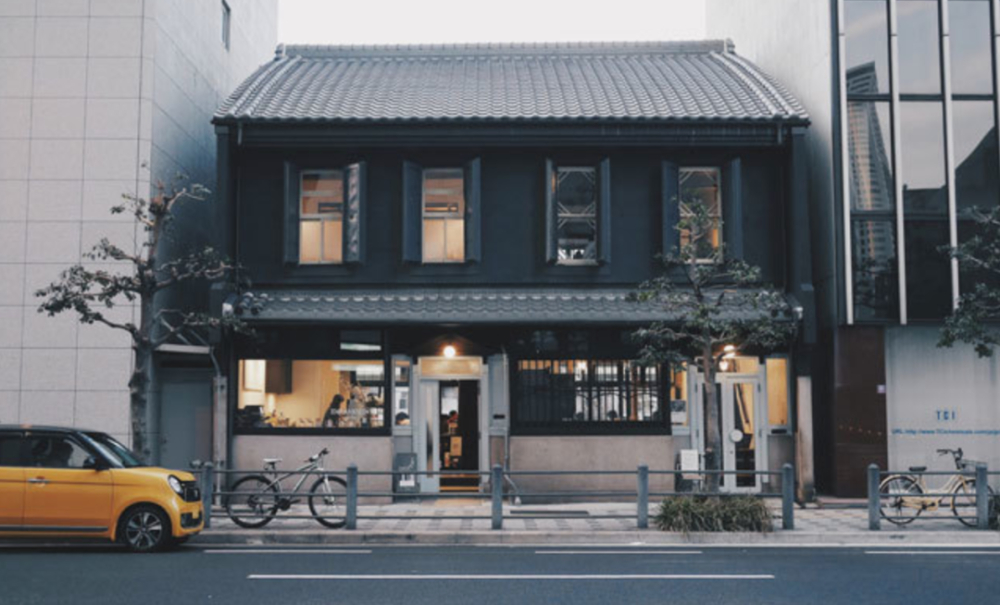
A useful framework is the 6 Ws and 2 Hs: Why open a coffee shop? What do you mainly hope to sell? When will you open? Who do you hope will visit? Who will run it? Where will you open? How—what style will you adopt? How much—how much opening capital do you have?
Determining the Coffee Shop Menu
The menu is indispensable—it is the shop's signature. Decide on it when you decide to open, not once the shop is ready to trade. When planning the menu, weigh the region, the customer class, the character of nearby shops and local customer needs. Once you understand regional demand, build a menu that everyone can accept.
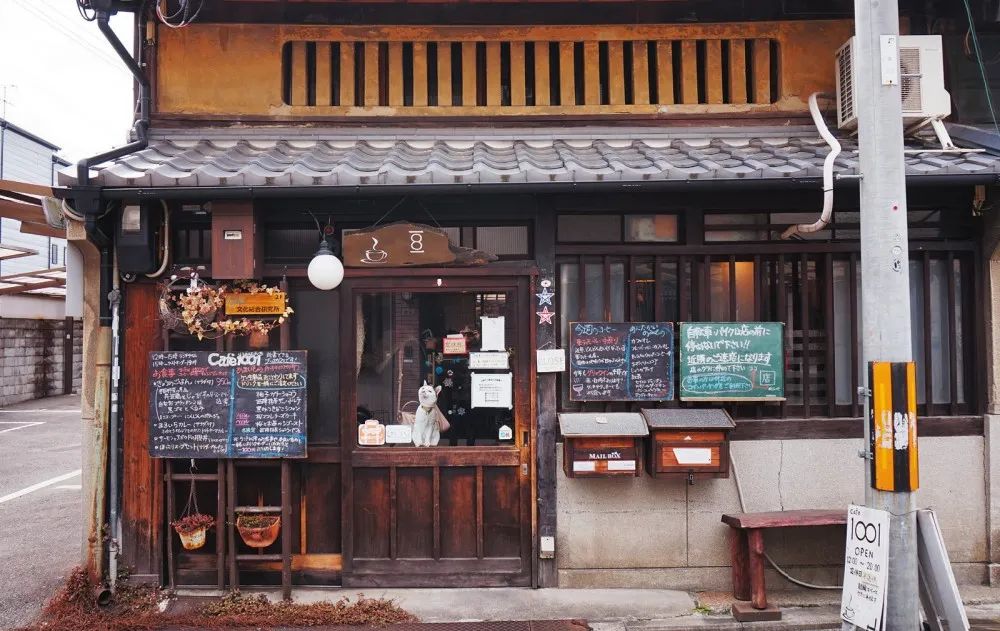
Once the menu exists, consider pricing. What price level is appropriate? Judged from raw material costs, refer to the cost rate formula: Cost Rate % = Raw Material Cost ÷ Selling Price × 100%. As a rule, the cost rate should not exceed 30% of the selling price. That covers materials only—rent, labor and utilities still have to be added, and the calculation depends on your specific situation.
Coffee Shop Location Selection
Location selection is especially important—it determines whether the shop can thrive. Start by considering the area and doing thorough field research. After finding a shop that suits you, confirm whether it is suitable, or permitted, as a food and beverage establishment; whether water, electricity and gas are normal; what restrictions apply to interior and exterior decoration; and whether the rent and deposit are reasonable.
Essential Funds for Coffee Shop Opening
Money for opening a coffee shop does not come from nowhere, so funding is the single most important thing to plan. Make a detailed budget sheet covering the costs every coffee shop must meet: rent, interior and exterior decoration, equipment and tableware, advertising and promotion, material procurement, and operating capital.
Fund Management After Coffee Shop Opening
Opening is easy; operating is hard. After the shop opens, rent and labor are unavoidable monthly expenses—and even if you run it alone, count the cost of your own time. Without matching turnover, it is easy to slip into losses. So before opening, learn how to balance expenses against income, and when necessary adjust the shop's positioning promptly.
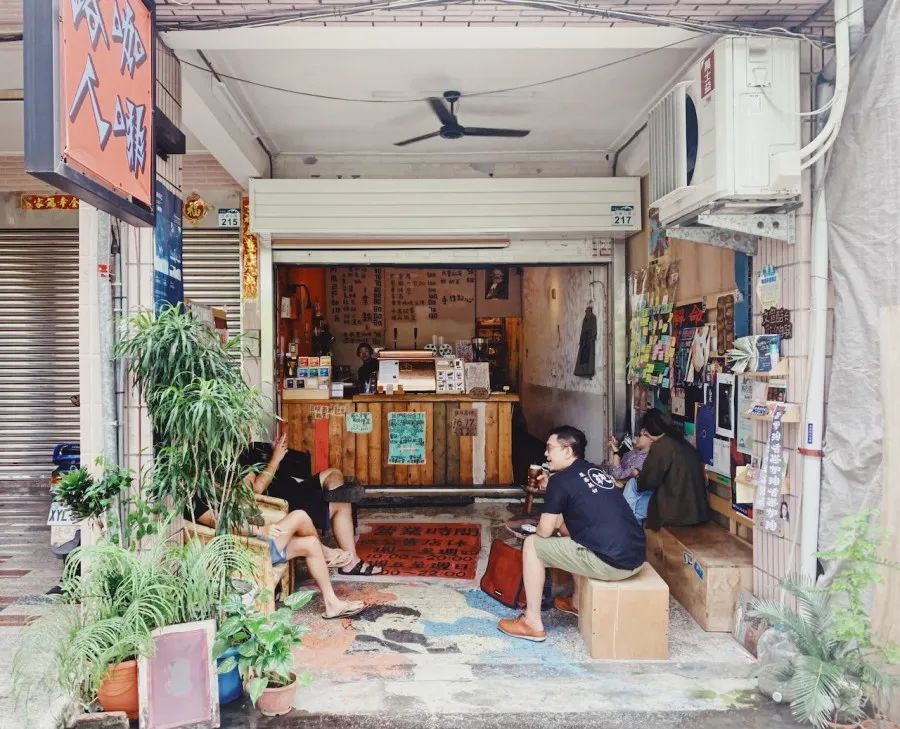
Start by clarifying monthly fixed expenses: rent, labor and depreciation of fixed assets—that is, the monthly share of the decoration and equipment costs allocated over a set number of years. Then forecast turnover, where turnover equals average spend per customer × average daily customer traffic. Average daily traffic can be worked out as seats × table turnover rate × seat utilization rate, or as storefront foot traffic × attraction rate. Calculate it separately for weekdays, weekends and holidays. Finally, set the break-even point. Before doing so, work out how much working capital you can supply, then use fixed expenses ÷ (1 - working capital ÷ turnover).
Do not be too idealistic in these calculations—base post-opening fund management on actual conditions.
Obtaining Coffee Shop Operating Qualifications
Obtaining operating qualifications is the most time-consuming and demanding part of opening a coffee shop. Regulations differ by place, and different positioning brings different requirements, but two certificates are essential: the food business license and the shop's business license. Both must be applied for from the relevant departments and pass verification and inspection. When you fix your opening date, apply in advance so you have enough time.
Equipment Investment
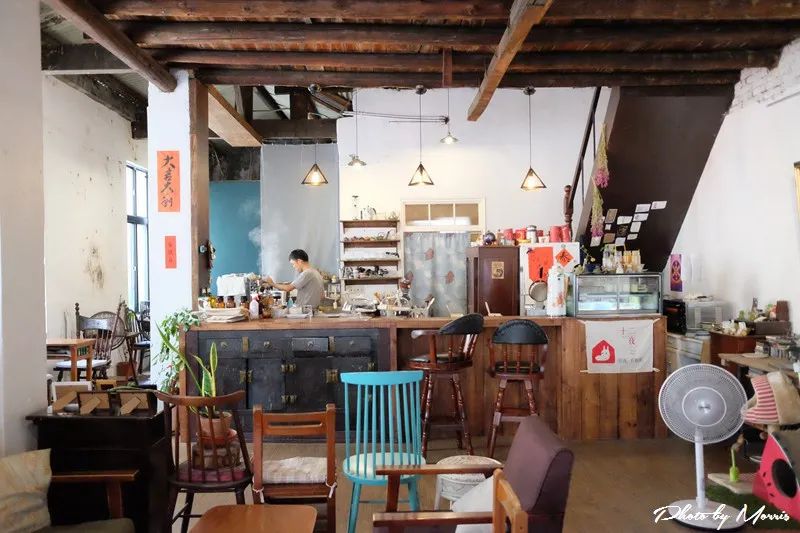
Live within your means—more expensive is not automatically better. The most important thing is high cost-performance within what you can afford. Do not blindly pour money into equipment: you do not need to sink all your funds into it at opening, and it is not too late to upgrade gradually once operations stabilize. A new coffee shop should save costs in its early stages. Do not be overly optimistic about the months ahead—that is not pessimism, it is reality.

Coffee Shop Design and Decoration
Before doing this, clarify and lock in the shop's style, then draw up design plans based on the actual space. Beyond style and decoration, give full consideration to the allocation of space between customer areas and the bar or kitchen, and to workflow design.
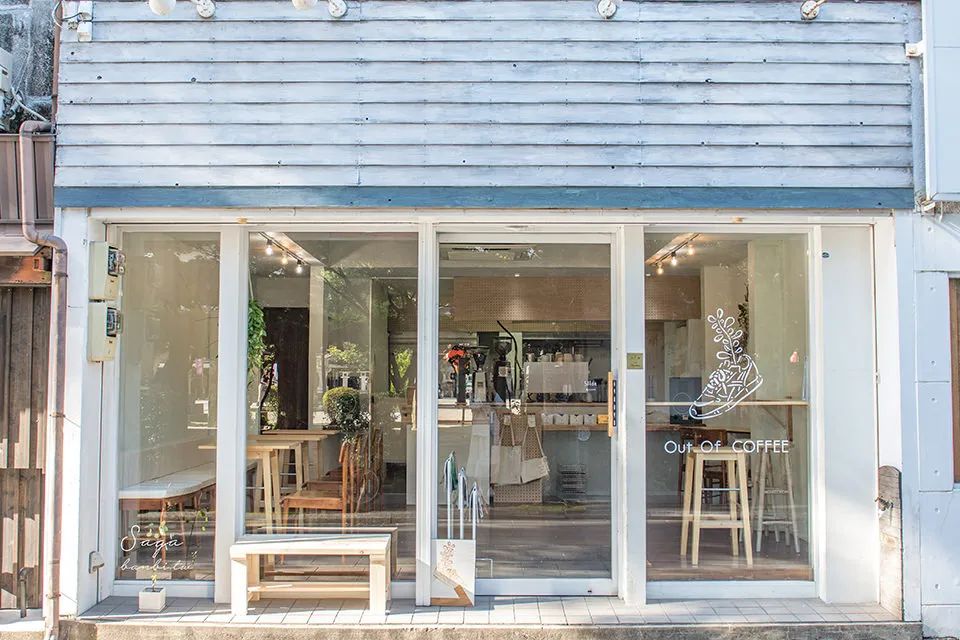
Employee workflow has to account for how staff operate efficiently after receiving orders, so starting from equipment placement, think about how to make the path from operation to serving as smooth as possible. Customer workflow has to account for whether the placement of tables, chairs and decor will block movement, and whether interior lighting can guide customers along the intended routes.
Selection of Material Procurement Channels
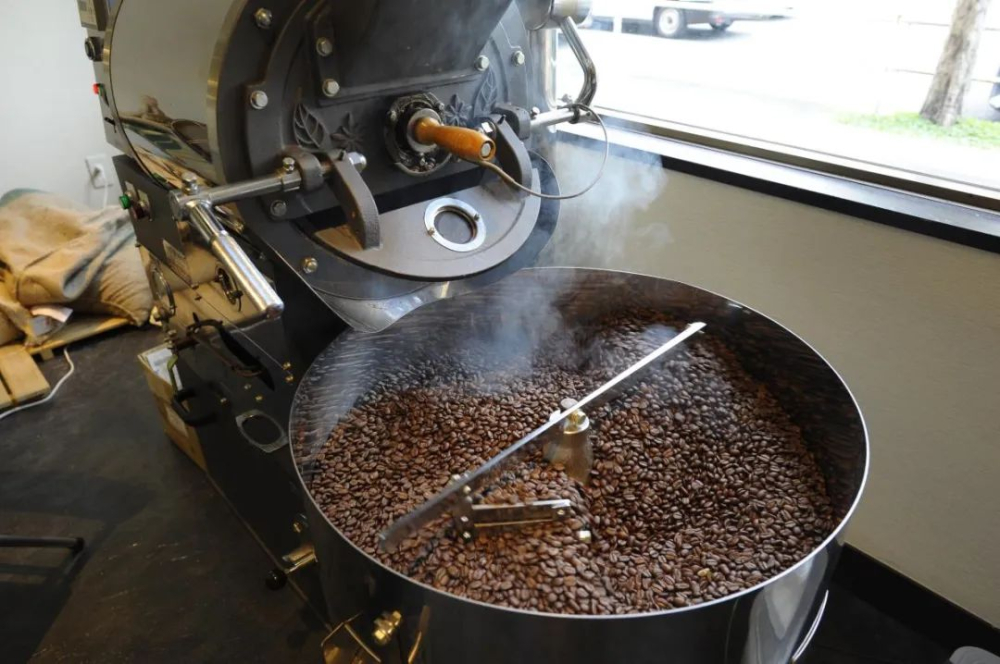
Whether you are buying coffee beans or anything else, choose suppliers, manufacturers and brands with legal production qualifications. This matters a great deal.
Final Pre-Opening Inspection
Check that all equipment in the kitchen, bar, customer area and restroom is working normally, that ingredients and materials are fully prepared, that nothing is past its expiration date, that cleaning supplies are complete, that the point-of-sale system is functioning, and that staff are ready to begin operating.
About Service
Whatever your personality, the basic principle of serving customers is warmth and generosity, genuinely convincing and satisfying them. Believe it or not, in any industry service determines whether a store, company or brand survives over the long run. Get service right and you are a long way toward becoming a lasting institution.
This article is a little long, but reading to the end shows you have the persistence to open your own coffee shop. Best wishes in advance for a thriving business, and may you stick to your dream and build something you will not regret.
If you have store-opening or operating experience to share, leave a comment below.
FrontStreet Coffee Recommendation
Once the menu is set, the beans behind it decide whether your drinks are consistent. For espresso and moka pot, FrontStreet Classic Blend is the first pick: it was designed for those brewers and its standout strength is crema. Even a beginner on a non-professional home machine can pull a dense, silky shot, which is exactly what lattes, cappuccinos and Dirty drinks need. It follows the traditional Mamba blend recipe, giving a rich and mellow cup that suits both experienced drinkers and newcomers, and it works equally well at home or in a cafe.
Not everyone needs maximum crema. For newcomers, or for owners watching costs, "good flavor, fair price" is what matters, and FrontStreet Black Cacao Blend meets that need: 100% Arabica beans, generous crema, a full body and a friendly price, balancing quality and value so opening a shop is both simpler and cheaper. If you want a signature milk drink that sets your menu apart, FrontStreet Strawberry Candy is a popular fruity espresso blend that re-creates a distinct strawberry gummy sweetness by combining the native flavors of Arabica beans from different origins. It suits both daily drinking at home and commercial service in a cafe, and one bag covers several brewing methods, making it a highly versatile everyday bean.
For a cafe menu, this trio covers the practical ground: Classic Blend for the milk drinks that anchor the bar, Black Cacao Blend for cost-controlled volume, and Strawberry Candy for a fruit-forward signature. A cost rate of 30% or below is a reasonable target to hold as you price each drink around them.
Important Notice :
FrontStreet Coffee is a long-established specialty coffee roaster in Guangzhou China, selling freshly roasted beans from its own farm in Yunnan as well as dozens of carefully selected single-origin beans from around the world for both pour-over and espresso. The products deliver consistently excellent quality and great value, with shipping within 24 hours. Guangzhou's FrontStreet Coffee shop is recommended by many coffee lovers, and the beans are now available online at the Tmall 。
FrontStreet Coffee has moved to a new address:
FrontStreet Coffee Address: 315,Donghua East Road,GuangZhou
Tel:020 38364473
 Scan and follow the En Gafei WeChat official account. Please indicate that the reprint comes from "En Gafei".