Costa Rica Yellow Honey El Rocadura Coffee Beans: Flavor Characteristics, Growing Region and Brewing Parameters
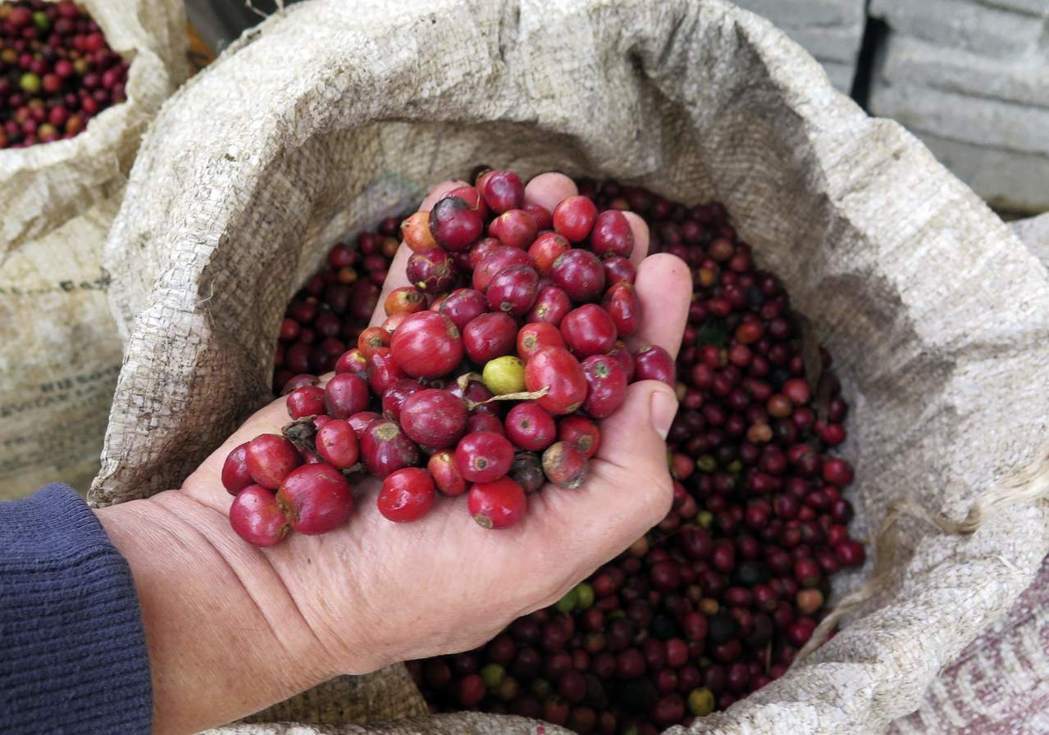
Costa Rica Helsar De Zarcero
Country: Costa Rica
Grade: SHB
Region: West Valley
Roast Level: Medium roast
Processing: Yellow Honey
Yellow Honey Processing: About 40% of the mucilage is removed; drying demands the most direct heat absorption, with maximum sunlight exposure, taking about 8 days to reach stable moisture content.
Costa Rican coffee has always been regarded as a classic of the "perfect" type — balanced, clean, and mild as its foundation. This batch from the Helsar processing plant in the West Valley is famous for its excellent natural conditions and superior regional planting management. The cup is a nearly perfect classic: lively citrus acidity, blackberry fruit aromas, rich acidity and mouthfeel, melon-like sweetness, a smooth texture, and stone fruit with subtle floral notes. The finish carries remarkable coffee blossom aromas — a coffee full of Latin countryside charm.
Varieties: Caturra, Catuai
Processing Plant: Helsar De Zarcero Processing Plant
Flavor Notes: brown sugar, almond, black tea
Costa Rica was the first Central American country to cultivate coffee, with a long history and a complete system from production to sales. On the Central American isthmus with its many volcanoes, it enjoys natural advantages of sunlight and soil, while the climate is moderated by both Pacific and Atlantic currents and sea breezes. The resulting coffee shows the character of its local microclimate terroir, and in both quality and quantity, Costa Rican coffee has earned consistent worldwide recognition as one of the world's fine coffees.
Fertile volcanic ash, mild temperatures, and stable abundant rainfall have made coffee one of the country's main agricultural products. The seven major regions are Tarrazú, Tres Rios, Orosi, Central Valley, West Valley, Turrialba, and Brunca.
Costa Rica's coffee history is long, but over the past 10-plus years the more innovative "dry" processing has come into vogue — collectively the new "honey processing," where pulping machines adjust the degree of pulp removal, producing "honey" sensations from light to intense as the color deepens (white, yellow, red, black). Each level has its own merits in acidity, complex aromas, and richness. The Herbazu processing plant in the West Valley's Naranjo area is highly renowned here; besides its own plantation, it processes green beans for nearby estates and small farmers.
Flavor: brown sugar, florals, almond, black tea, with orange and sweet spice sensations, mild acidity, a syrupy texture, and an excellent finish.
Caturra is a single-gene Bourbon mutation, discovered in Brazil in 1937. Both yield and disease resistance beat Bourbon, and the shorter plant makes harvesting easier. Unfortunately, like Bourbon, it suffers from the biennial production cycle. It's highly adaptable, though — no shade trees required, thriving in direct intense sun, earning it the name "Sun Coffee." It tolerates high-density planting but needs heavier fertilization, raising costs, so farmer acceptance was initially lukewarm.
That changed in the 1970s when coffee prices soared and farmers rushed to plant Caturra for the yields. With vigorous promotion by the Brazilian and Colombian authorities, the results were fruitful: farmer acceptance of Caturra marked a major transformation in cultivation technique. Brazil and Colombia adopted high-yield, high-density sun-grown planting, and by 1990 one million hectares were harvesting 14 million bags — a 60% boost in production capacity. No wonder the high-yield, high-quality Caturra is now a pillar variety for producing countries.
Caturra grows from low altitudes of 700 meters up to 1,700 meters, with strong altitude adaptability. The higher the altitude, the better the flavor, but yields drop — the destiny of specialty coffee beans. Some academics call Caturra the intensive, sun-exposed version of Bourbon, which hits the nail on the head. There's also a yellow variant (Caturra Amarello) in Central and South America, though its reputation doesn't match Yellow Bourbon's.
Light roasted, Caturra shows obvious acidity and brightness, and with proper handling the sweetness can shine — though the body is lower than Bourbon's and the mouthfeel slightly less clean.
Usually Caturra bears red cherries, but in extremely rare areas yellow Caturras exist — such as the tiny amount cultivated in Hawaii.
Hand-Poured Yellow Honey: 15 g of coffee, medium grind (small Fuji ghost-tooth grinder at setting 4), V60 dripper, water at 88-89°C. Pour 30 g of water and bloom for 27 seconds, then pour to 105 g and stop. When the water level drops to half, pour slowly to 225 g, skipping the tail section. Coffee-to-water ratio 1:15, extraction time 2:00.
FrontStreet Coffee Recommendation
Honey processing traces back to Brazil's semi-washed (pulp natural) method, which Costa Rica refined into the black, red, yellow, and white honey tiers by controlling how much mucilage remains. To taste the deepest end of that craft, FrontStreet Coffee's Costa Rica Blackberry is a black-honey lot — nearly all mucilage retained, dried under shade for at least two weeks — medium-light roasted with floral aromatics and grape, berry, and ripe blackberry flavors.
For the most inventive expression, try FrontStreet's Mozart, made with raisin honey processing: the cherries are pre-dried on raised beds for at least three days with 100% of the mucilage intact, yielding aromas of osmanthus, pineapple, and raisin — superb as pour-over, cold brew, or moka pot coffee.
Important Notice :
FrontStreet Coffee is a long-established specialty coffee roaster in Guangzhou China, selling freshly roasted beans from its own farm in Yunnan as well as dozens of carefully selected single-origin beans from around the world for both pour-over and espresso. The products deliver consistently excellent quality and great value, with shipping within 24 hours. Guangzhou's FrontStreet Coffee shop is recommended by many coffee lovers, and the beans are now available online at the Tmall 。
FrontStreet Coffee has moved to a new address:
FrontStreet Coffee Address: 315,Donghua East Road,GuangZhou
Tel:020 38364473
 Scan and follow the En Gafei WeChat official account. Please indicate that the reprint comes from "En Gafei".