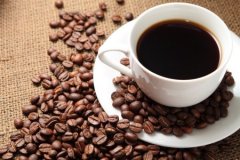
Differences, Distinctions, and Award Status of Indonesian Aged Mandheling G1 Washed Specialty Coffee Beans
Pour-Over Mandheling Brewing Method
Use 15g of coffee ground to medium (on a Fuji ghost-tooth hand grinder, setting #4), a V60 dripper, and water at 88-89°C. Start with a 30g bloom for 27 seconds of pre-infusion. Continue pouring to 105g, then pause. Once the water level in the coffee bed drops to half, resume pouring slowly until you reach 225g total, skipping the final tail. Water-to-coffee ratio: 1:15. Total extraction time: 2:00.
Aged Mandheling at a Glance
Country: Indonesia
Grade: G1
Origin: Sumatra
Roast Level: Medium-dark
Process: Semi-washed (wet-hulled)
What Makes Aged Golden Mandheling Special
Aged Mandheling is a distinctive specialty coffee created by taking fresh Golden Mandheling beans through a special, complex treatment followed by more than 5 years of unique storage. Like Golden Mandheling, annual output is limited — and because the aging process is so demanding, yields are even smaller, making these beans genuinely precious. Aged coffee has a long history in Indonesia. In the days before modern shipping, transporting coffee from Indonesia to other markets took months; over that time the moisture-rich beans slowly dried, and exposure to sea winds developed a most unusual flavor. As shipping sped up and made such flavors a thing of the past, aged coffee became a deliberate specialty process instead. Aging beans is a technical craft that demands careful monitoring throughout: warehouse humidity and temperature are tightly controlled, and the sacks of parchment coffee must be turned regularly to prevent moisture differences between the top and bottom of the pile, or mold that would ruin the lot. The goal is not to diminish flavor but to create a different one — and a pleasant one at that. It is a true "kung fu" bean.
Variety: Typica
Region: Aceh Province
Flavor Notes: Spices, caramel, woody, earthy
Mandheling grows at elevations of 750-1500 meters in mountainous terrain, making it a premium Arabica in a country whose output is otherwise dominated by Robusta. Thanks to altitude, climate, and growing conditions, the beans develop rich aroma, full body, and strong flavor with hints of chocolate and syrup. It is precisely this lush intensity — vibrant and lively, without astringency or sharp acidity — that makes the profile so memorable.
Flavor Description
The dry aroma offers glutinous rice, malt, spices, caramel, and wood. After hot water is added, the wet aroma shows dark roasted caramel and pine notes with a faint earthiness. In the cup you'll find a strong, stimulating bitterness, clove and woody aromatics, spice and mint-like character, and a long, persistent aftertaste.
This is a coffee for drinkers who genuinely enjoy bitterness.
The Art of Aged Coffee
Just as wine can improve with age, coffee beans can be deliberately aged. In successfully aged beans, the acidic and astringent components settle and transform into sugars, rounding out the cup. Thanks to their soil, climate, and bean character, the finest aged beans today come from Indonesia and India — Indonesian aged Mandheling and Old Brown Java being the most famous. During production, the coffee is first dried; once moisture reaches the right level, the parchment is left on to protect the beans, which are then sealed and stored. Warehouse humidity and temperature follow strict standards, and the bags must be turned regularly to prevent uneven moisture or mold. Maturation takes at least two to three years — hence "kung fu" beans. Fully aged beans show a yellowish-brown to dark brown color and excellent sweetness, and they work both as single-origin brews and as espresso.
FrontStreet Coffee Recommendation
If aged Mandheling intrigues you, the FrontStreet Coffee PWN Golden Mandheling is the benchmark to try first. Sourced from Indonesia's PWN company, it starts from beans screened at 18 mesh or larger, with fewer than 3 defective beans per 300g sample to meet the top G1 grade — then undergoes three rounds of hand sorting for exceptional cleanliness and sweetness. Roasted medium-dark, it delivers low acidity, a thick and lingering body, and notes of herbs, dark chocolate, and a whisper of earth: the classic Mandheling character for drinkers who prefer depth over brightness.
For brewing at home, FrontStreet suggests 87-88°C water, 15g of coffee ground to a coarse-sugar texture, a 1:15 ratio, and a three-pour structure: a 30ml bloom to degas the bed, a second 100ml pour to lift the crust and grounds, and a gentle final 95ml center pour to draw out caramel sweetness. The result is a syrupy, full-bodied cup with caramel, chocolate, and nut tones. Prefer espresso? The same character translates beautifully — or try FrontStreet's classic house blend, where medium-dark Mandheling is layered over Brazilian cream-and-nuts, with butter, roasted chestnut, and caramel, plus a touch of Robusta for extra crema.
Important Notice :
FrontStreet Coffee is a long-established specialty coffee roaster in Guangzhou China, selling freshly roasted beans from its own farm in Yunnan as well as dozens of carefully selected single-origin beans from around the world for both pour-over and espresso. The products deliver consistently excellent quality and great value, with shipping within 24 hours. Guangzhou's FrontStreet Coffee shop is recommended by many coffee lovers, and the beans are now available online at the Tmall 。
FrontStreet Coffee has moved to a new address:
FrontStreet Coffee Address: 315,Donghua East Road,GuangZhou
Tel:020 38364473
 Scan and follow the En Gafei WeChat official account. Please indicate that the reprint comes from "En Gafei".