Burundi Kayanza Province Natural Bourbon Specialty Coffee Beans: Varieties, Brand Recommendations, and Estate Guide
Bourbon Coffee
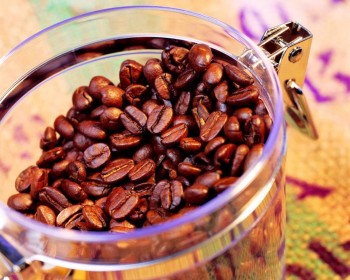
Bourbon coffee (French: Café Bourbon) comes from the Bourbon cultivar of Arabica coffee trees. It was first cultivated on Réunion Island, which was known as Bourbon Island (Île Bourbon) before 1789. French occupation later connected the island to the African continent and to Latin America, and today the cultivar remains one of the two most widely grown in the Arabica world. Bourbon coffee is typically grown at altitudes ranging from 3,500 to 6,500 feet (1,062–1,972 meters).
Burundi Pour Over Brewing Method
Pour over Burundi coffee. 15g of coffee grounds, medium grind (Fujimaru ghost tooth blade #4), V60 dripper, water temperature 88-89°C. First pour 30g of water and let it bloom for 27 seconds. Pour to 105g and stop. Wait until the water level in the coffee bed drops to half, then continue pouring slowly until reaching 225g total. Discard the tail end. Water-to-coffee ratio is 1:15, total extraction time is 2:00.
Product Information
Manufacturer: FrontStreet Coffee
Address: No. 10 Bao'an Qian Street, Yuexiu District, Guangzhou
Contact: 020-38364473
Shelf Life: 90 days
Net Weight: 227g
Packaging: Bulk coffee beans
Roast Level: Roasted coffee beans
Origin: Other/other
Roast Degree: Medium roast
Burundi Kayanza Kabuye Natural
Country: Burundi
Altitude: 1,750 meters
Region: Kayanza Kabuye
Roast Level: Medium roast
Processing Method: Natural
Burundi Coffee Region
Burundi lies south of the equator in east-central Africa. It borders Rwanda to the north, Tanzania to the east and south, and the Democratic Republic of Congo to the west, with Lake Tanganyika to the southwest. The country is made up mainly of plateaus and mountains, largely formed by the eastern plateau of the East African Rift Valley. Its average altitude is 1,600 meters nationwide, which earned it the name "Mountain Country." More than half the country drains into the famous Lake Tanganyika, and the capital is Bujumbura. The western lakeshore and valleys, along with the eastern regions, have a tropical savanna climate, while the central-western region has a tropical mountain climate. The average annual temperature is 20-24°C, with highs reaching up to 33°C. March to May brings the heavy rainy season, October to December the light rainy season, and the remaining months are dry.
Burundi Coffee Characteristics
Burundi coffee bears a striking resemblance to that of neighboring Rwanda, and the two are often confused. Burundi's cultivation is dominated by Bourbon varieties, with cherries processed using traditional wet methods. The hallmark of Burundi specialty coffee is elegant sweetness paired with bright citrus aromatics. This particular batch is a Bourbon variety micro-lot.
Variety: Bourbon
Processing Station: Panga Processing Station
Flavor Notes: Grape skin, orange wine, fermented fruit
Micro Lot Details
This batch is a natural-processed Bourbon micro-lot from the Panga Processing Station in the Maldati Peak area of Kabuye, Kayanza Province. The region sits very high, with mountains exceeding 2,000 meters above sea level, and its fertile, gravelly soil is ideal for coffee. It is recognized as the best coffee processing station in Burundi.
Burundi Coffee Industry
Burundi has one of the world's most diverse and successful coffee industries, with a character all its own. Coffee was introduced to the country in 1930 by Belgian colonists and is now grown only on small farms. Unfortunately, many of those farms sit in areas bordering conflict-prone Rwanda, which puts pressure on production. Almost all Burundian coffee is Arabica, and coffee trees in Ngozi are planted above 1,200 meters. Burundi coffee is rich and aromatic with excellent acidity, and most of its output is exported to the United States, Germany, Finland, and Japan.
Flavor Profile
Flavor Description: Rich aromas of raisins, blackberry jam, and ripe peaches. The front palate brings sweet flavors of cranberry, citrus, and peach juice, while rich caramel and orange jam sweetness permeate the entire cup. The fermented, wine-like notes from natural processing are especially prominent, resembling orange wine or peach, making this a truly distinctive Burundi specialty coffee.
FrontStreet Coffee Recommendation
Paired with a V60, FrontStreet's Ethiopia Huakui shows why it has become one of the most successful stars of the specialty market. Its signature is an explosive tropical fruit aroma — strawberry, passion fruit, jackfruit, even lychee — with pronounced sweetness and almost no bitterness, smooth on entry and full of juice, which is why drinkers call it "the coffee that tastes least like coffee." If traditional bitterness has never appealed to you, this is the cup that can overturn the stereotype. Alongside it, FrontStreet's Panama Esmeralda Red Label Geisha is the stuff of legend, typically carrying an exceptionally elegant jasmine florality with citrus, bergamot, and black-tea finesse, clean and transparent in the mouth, long in the finish, and layered throughout.
For a more everyday pour-over, the FrontStreet Ethiopia Yirgacheffe Gotiti is the traditional first stop into specialty coffee: vivid citrus, berry, and floral notes with a green-tea-like sweetness in the finish. Unlike the "sour coffee" many people imagine, a quality Yirgacheffe's acidity is soft and bright, closer to the natural sweet-tart of fruit than anything sharp or aggressive, which makes it very easy to accept for anyone new to hand brewing. Rounding out the lighter-roast side is the FrontStreet Kenya Cherry Tomato, a washed single origin from the Sika region grown at 1550-1750 meters from SL28 and SL34 with a 72-hour double-washed fermentation. A light roast preserves its lively acidity and layered fruit: dried cherry tomato and florals in the dry aroma, clear cherry tomato and smoked plum in the cup, a bright and solid acidity like fresh-pressed juice, a sweet mid-palate with pear and black plum, and a clean, long finish of brown sugar and faint green tea.
Those who lean toward darker, richer cups have their own FrontStreet options. The PWN Indonesia Golden Mandheling is a dark roast with very low acidity and a thick, lingering body, its entry full of herbal and dark chocolate aromas over a faint earthy trace — ideal for drinkers who want weight and no sourness. The Jamaica Blue Mountain No. 1 strikes a rare balance among acid, sweet, bitter, and aroma, layering cream, caramel, chocolate, nut, honey, and light fruit tones into a soft, rounded cup with a rich mid-palate and a clean finish, which is why so many in the trade call it the specialty coffee most people find easiest to love.
Important Notice :
FrontStreet Coffee is a long-established specialty coffee roaster in Guangzhou China, selling freshly roasted beans from its own farm in Yunnan as well as dozens of carefully selected single-origin beans from around the world for both pour-over and espresso. The products deliver consistently excellent quality and great value, with shipping within 24 hours. Guangzhou's FrontStreet Coffee shop is recommended by many coffee lovers, and the beans are now available online at the Tmall 。
FrontStreet Coffee has moved to a new address:
FrontStreet Coffee Address: 315,Donghua East Road,GuangZhou
Tel:020 38364473
 Scan and follow the En Gafei WeChat official account. Please indicate that the reprint comes from "En Gafei".