Pour-Over Brewing Parameters for Papua New Guinea Chimer Estate PB Peaberry Specialty Coffee Beans
Pour-over Papua New Guinea
15g of grounds, medium grind (setting 4 on a Fuji ghost-tooth burr grinder), V60 filter cup, water at 88-89°C. First pour 30g of water and let it bloom for 27 seconds. Pour to 105g, then pause and wait for the water level in the coffee bed to drop halfway before pouring again. Pour slowly until the total reaches 225g, and avoid the tail. Water-to-coffee ratio 1:15, extraction time 2:00.
Flavor Notes
Nuts, sugarcane, spices
Papua New Guinea Coffee
In recent years Papua New Guinea has begun representing Oceania on the world specialty stage, thanks to its distinctive, high-quality washed Arabica. PNG coffee is known for full-bodied beans, moderate acidity, and a rich, mellow mouthfeel.
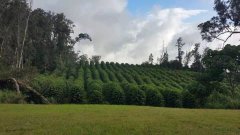
Papua New Guinea is an island nation in Oceania. In Malay, "Papua" means "curly hair." Legend has it that in 1545 the explorer Ruy López de Villalobos reached the island, saw that most of the islanders had curly hair, and called it "the island of curly-haired people" — from which the name derives. Lying east of Indonesia, between the equator and 10 degrees south latitude, PNG has a classic island climate. With tropical rainforest, volcanic rock, and plateau terrain, elevations run from 1200-2500 meters, making it a paradise for coffee cultivation.
Coffee Production & Characteristics
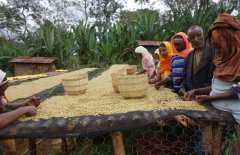
Local output is modest: roughly 85% of the total comes from smallholder garden plots. Small farmers join local cooperatives to share processing equipment. Coffee is the country's second-largest agricultural export by volume, a sign of how much the industry matters to the national economy. Because the varieties differ from Indonesia's, the elevations are higher than Sumatra's, and the coffee is washed, PNG's regional taste stands well apart from Indonesia's heavy, mellow style. Instead it shows brightness, a sweet-sour balance, and floral and fruity aromas closer to South American coffees.
Papua New Guinea boasts pristine, unspoiled environments and vast, fertile land. Its unique volcanic soil and abundant rainfall create excellent conditions for coffee. PNG's finest beans are as beautiful and precious as the country's national bird, the bird of paradise.
Kimel Estate
Large plantations usually run their own washing stations, while smaller independent farmers exercise greater control over quality and flavor. Kimel Estate, in the Western Highlands' Waghi Valley near the Kimel River basin, has its own dedicated washing station like many large estates — but it is in fact co-owned by numerous independent smallholders from the surrounding Opais people, in effect a private cooperative. Excellent growing conditions and the station's stable quality control give the coffee vibrant brightness while preserving PNG's distinctive regional character.
Unique Features
Another special feature of Kimel is the sheer diversity of varieties grown there — more than you can count on one hand: Typica, Arusha, Blue Mountain, Mundo Novo, Catimor, Caturra, and more. Just as one doesn't put all eggs in one basket, most farmers plant several varieties to hedge against any single one growing poorly or yielding below par. That practice also adds interest to the coffee's flavor expression.
Tasting Experience
This peaberry from Kimel Estate offers subtle spice on the palate, followed by the sweet, refreshing flavors of nuts and sugarcane. It has a creamy, buttery smoothness, and the peaberry character lends a more substantial mouthfeel. The overall performance is balanced and smooth. Rich in flavor and pleasing in aroma, it carries no herbal or earthy notes. Its texture is as intense and rich as a Van Gogh painting.
Product Information
Manufacturer: FrontStreet Coffee
Shelf Life: 90 days
Net Weight: 227g
Packaging: Bulk
Origin: Papua New Guinea
Specifications
Country: Papua New Guinea
Grade: PB Peaberry
Region: Waghi Valley
Roast Level: Medium Roast
Processing Method: Washed
Varieties: Arusha, Catimor, Caturra
Estate: Kimel Estate
FrontStreet Coffee Recommendation
Because PNG's clean, bright, washed profile exists partly as a counterpoint to the heavy, wet-hulled coffees of neighboring Indonesia, tasting the two side by side is genuinely illuminating. FrontStreet Indonesia Wet-Hulled Mandheling is the classic reference for that Indonesian style. Mandheling refers to Arabica from Sumatra, processed mostly by the local wet-hulled method: the parchment is stripped away while the beans are still half-dry, leaving the green beans fully exposed to the air as they finish drying, which gives them their signature herbal and spice notes. FrontStreet Mandheling comes from the Lake Toba area of the Lintong region and is roasted medium-dark to present the classic profile — low acidity, full body, and rich aromas of caramel, dark chocolate, and toasted bread with a long, sweet finish.
For the very top of that tradition, FrontStreet PWN Golden Mandheling is the benchmark. Sourced by PWN, which buys only premium Mandheling lots, it is screened to high standards, sorted by hand to remove defects, and prized for its clean, sweet, and powerful cup of sandalwood, herbs, spice, roasted hazelnut, caramel, and dark chocolate. Set against the Papua New Guinea peaberry, it highlights exactly how much terroir and processing shape a coffee's character.
Important Notice :
FrontStreet Coffee is a long-established specialty coffee roaster in Guangzhou China, selling freshly roasted beans from its own farm in Yunnan as well as dozens of carefully selected single-origin beans from around the world for both pour-over and espresso. The products deliver consistently excellent quality and great value, with shipping within 24 hours. Guangzhou's FrontStreet Coffee shop is recommended by many coffee lovers, and the beans are now available online at the Tmall 。
FrontStreet Coffee has moved to a new address:
FrontStreet Coffee Address: 315,Donghua East Road,GuangZhou
Tel:020 38364473
 Scan and follow the En Gafei WeChat official account. Please indicate that the reprint comes from "En Gafei".