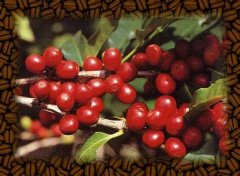
Sidamo Natural Process Guji Grade 6.0 Pour-Over Grind Ratio Water Temperature Guide - Premium Guji Coffee Bean Story & Characteristics
How did the name "Kaku" come about?
In 2017, DW Coffee Bean Company of Ethiopia entered its coffee in the TOH (The Taste of Harvest) competition hosted by the African Coffee Association. The natural-process lot took the Ethiopian championship, and the winning green beans were given the name "Kaku" to mark the title.

Kaku comes from Hambella, part of Guji (GUJI), Ethiopia's largest coffee-producing region, which administratively belongs to Oromia State. To the west, Hambella faces Yirgacheffe's Kochore across the mountains; to the southeast and north it borders the Guji sub-regions of Shakiso, Uraga, and Kercha. It is Ethiopia's highest-altitude coffee sub-region, though Harrar remains the country's highest-altitude main producing region.
Today there are around 20 processing plants of varying scale in Hambella. DW runs four estate processing plants in the core Dimtu area: "Buku Abel," "Buku Saysay," "Haro Soresa," and "Tirtiro Goye."
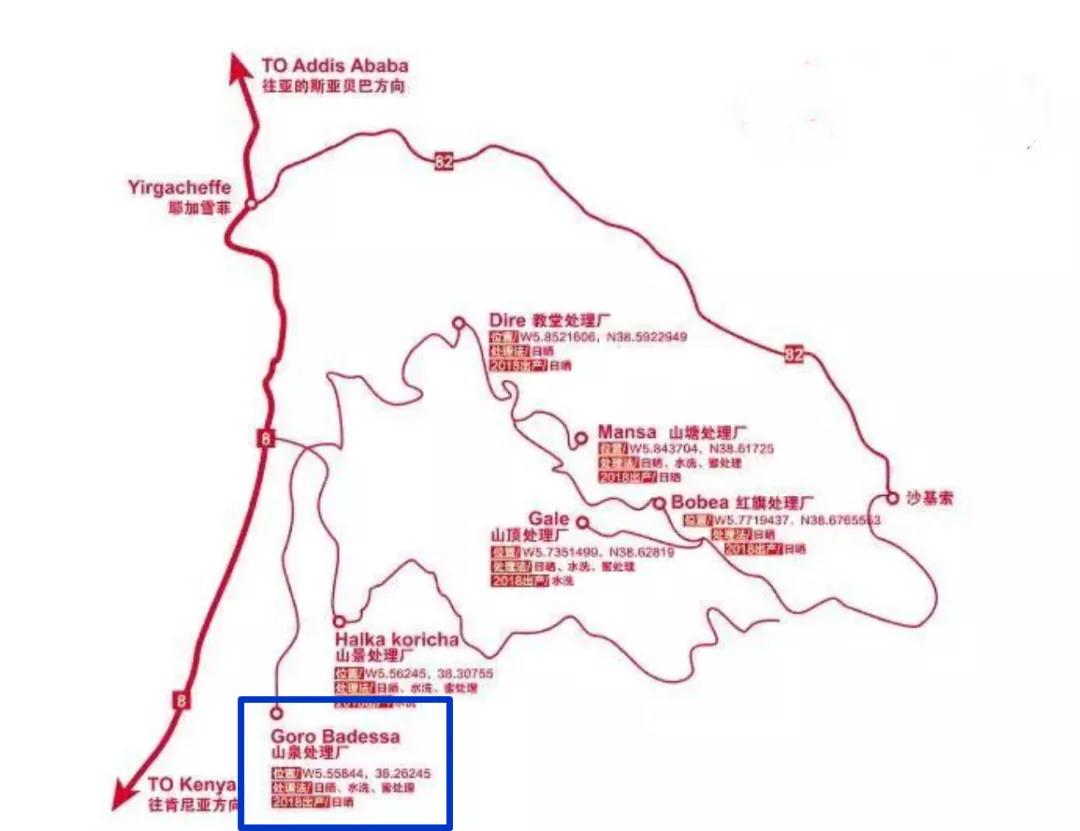
"Good Coffee is Hard to Come By": Deep Mountains Above 2000 Meters Altitude
Most coffee farms in Ethiopia are still worked in a largely natural state. Local farmers head into the mountains to harvest, picking only fully ripe cherries by hand. They dry the fruit on African raised beds, keeping the layer thin and turning it 24 hours a day to guarantee even sun exposure and airflow, which gives far more precise control over fermentation. Most local processing plants also rely on traditional natural processing and ferment and dry by feel, which is why quality can vary so much from one lot to the next.
Everything here comes together: red-brown organic soil, annual rainfall above 1200mm, the altitude, the day-night temperature swing, cherries picked at peak ripeness by hand, and low-temperature fermentation in the estate's own environment.
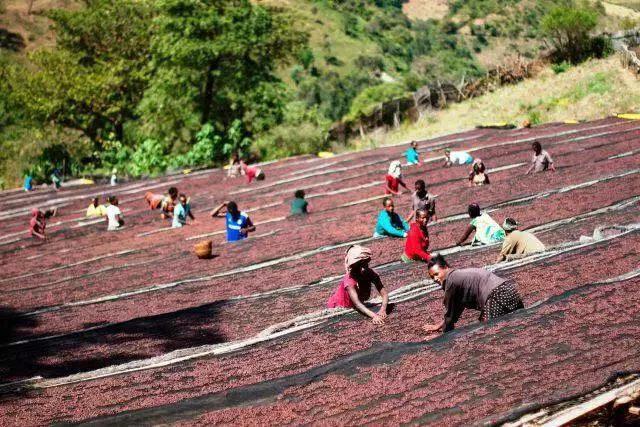
The plots picked for red cherries are kept close together, and the newer processing plants sit nearby, so the fruit can be collected and processed as fast as possible. The whole process is managed with scientific measuring instruments rather than any "tradition-breaking" shortcut. Natural drying only begins once the red cherry sugar content reaches above 21, which is where so much of the sweetness in the final cup comes from.
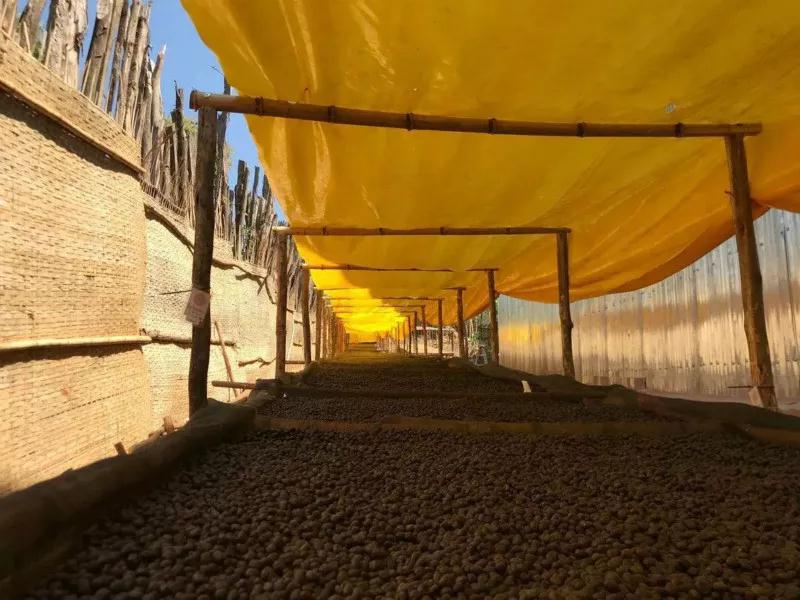
At night, thick plastic sheeting is pulled over the beds against sudden rain. This lets the cherries ferment and dehydrate at relatively low temperatures. After 18 days of natural processing, when the green bean moisture content falls to about 13%, the process is stopped. The beans go into burlap bags and rest in warehouses under natural conditions of 12-22°C and 40-50% humidity for about 50 days, which finishes the dehydration. Only then are they hulled, sorted, and sold.
The Roaster's Perspective
When a bean like Kaku lands in the roastery, the question is how to roast it and how to shape the curve. I start with the flavor description from the green bean supplier, then check the moisture content. The fresh green beans carry a fermented wine aroma of coffee blossom, nothing like the grassy smell of ordinary green coffee. Kaku's beans also vary in size and have many pointed ends, the mark of Ethiopian heirloom varieties. Moisture sits at a healthy 11%, but these are not the very hard SHB type. Because the beans are dense and hard, I stretch the dehydration phase early on and ride rising heat into first crack to protect the small aromatic molecules, the florals above all.
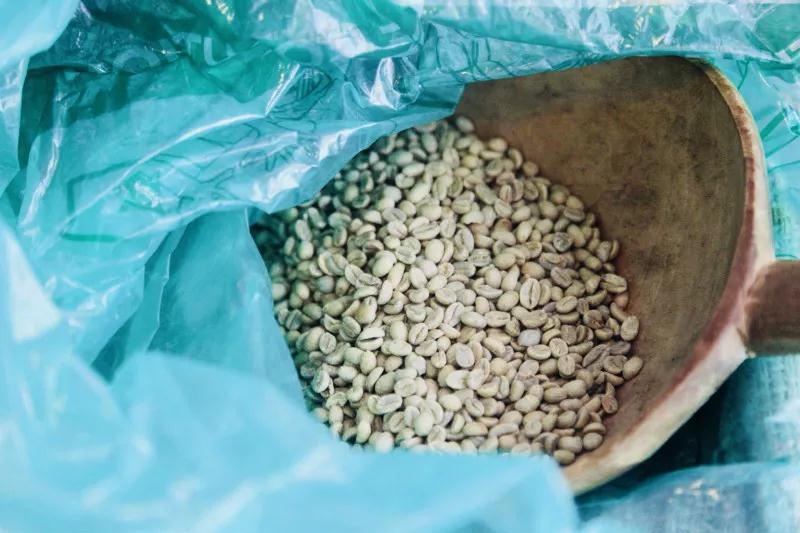
For daily production I chose a 550g batch, a full load, and here is what that looked like in practice.
Charge Temperature: 190°C
The only things I adjusted were the drop temperature and the development time:
First Batch: Yellowing point 150.3°C at 5:55, dropped at 196°C. First crack development 1:40. First crack at 9:55
Second Batch: Yellowing point 151°C at 5:51, dropped at 193°C. First crack development 1:30. First crack at 9:50
Cupping Results
First Batch: The wet aroma is full of distinct green tea and florals. On the slurp there is green tea, jasmine, lime, and cane sugar. The body is light and clean with a soft, fresh acidity, but the finish falls short and leaves only a little sweetness behind. Even so, it is very easy to drink, more like tea than coffee.
Second Batch: The wet aroma shows yellow lemon, florals, and black tea, with obvious citrus. On the slurp there is black tea, yellow lemon, caramel, and jasmine. At this roast level the flavors turn richer and more solid. The entry acidity is more elegant, the sweetness arrives sooner and runs higher, and fermented wine, cream, tropical fruit, and jackfruit bring the cup into better balance.
After the roast trials and adjustments on a Taiwan-built Yang Jia 800N, and after cupping, I settled on profile #2, which I am genuinely happy with:
Charge at 190°C, with dehydration and yellowing completed in nearly 6 minutes (yellow point around 150-153°C)
First crack starts around 9:50-9:55. Kaku cracks later than typical beans, and the sound is faint
Keep development after first crack under 1 minute 30 seconds but no shorter than 1 minute; opening the damper and reducing heat helps control the speed
Smelling with the sample spoon, you can pick up strawberry jam around 193°C, and that is the point to drop the beans
Total time is best kept within 11 minutes
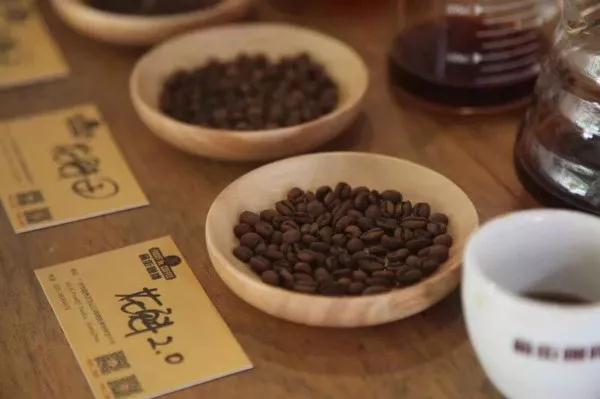
Kaku Brewing Methods
For brewing, pour-over and siphon are the best choices. Grinding releases a rich natural-process fruit aroma with obvious sweetness.
Kaku's flavor is gentle, elegant, sweet, and lovely. It gives off an extremely complex aroma and displays a standout body that is hard to put into words.
Cake WAVE Dripper: 15g coffee, water temperature 89°C, grind size 3.5
Water-to-coffee ratio close to 1:15
30g water for the bloom, bloom time 35s
Three pours: 30-105-90, total time 2:03, timed from the start of the bloom
Kaku in the cup: smooth, layered, with the fermented berry sweetness pushed forward

The wet aroma of the brewed coffee surprises with ripe berry and fermented fruit wine. The entry is extremely smooth, opening into a delicate body and the sweet-sour note of ripe fruit. The prominent sweetness, the cleanliness, and the excellent finish are genuinely striking.
Kaku's Awards
Cupping flavors: Passion fruit, rose floral, strawberry jam, sweet-sour berry, peach flesh, black tea finish
2016/2017:
Ethiopia National Taste of Harvest Competition - Champion
2016/2017 Harvest Season Ethiopia Coffee Competition - Champion
2017:
Regional Africa Taste of Harvest Competition - Runner-up
2017 Africa Coffee Competition - Runner-up
Hand-pour Kaku: 15g coffee, medium-fine grind (Fuji ghost teeth grinder 3.5), V60 dripper, 91-93°C water. First pour 30g of water with a 27-second bloom. Pour to 105g and wait until the bed drops to half, then continue a slow pour to 225g. Avoid the tail end. Water-to-coffee ratio 1:15, extraction time 2:00.
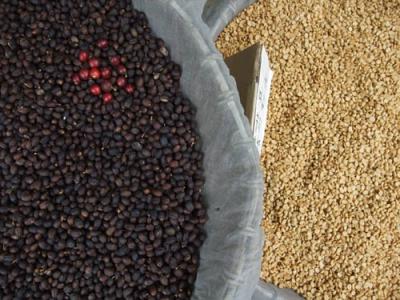
The Kaku processing plant sits in Buku Abel village at 2200 meters. Through the harvest and processing season of December and January, the growing environment and the natural climate create Kaku's signature flavors. Harvested red cherries must reach a sugar content above 30 before natural processing begins. Over the first two days of drying we keep the cherries' moisture so their fructose can fully begin fermenting. The high altitude drops the plant's nighttime temperature to around 12°C, which prevents the over-fermentation that heat would cause. At midday, when temperatures climb, shade is provided promptly so the cherries do not sunburn.
At night, thick plastic sheeting is pulled over the beds against sudden rain, letting the cherries ferment and dehydrate at a relatively low temperature. After 18 days of natural processing, when the green bean moisture content falls to about 13%, the process is stopped. The beans go into burlap bags and rest in warehouses under natural conditions of 12-22°C and 40-50% humidity for about 50 days of resting and further dehydration. Once the green bean moisture reaches around 10%, they are shipped to processing plants for hulling, sorting, and sale.
Coffee Details
Coffee producing country: Africa, Ethiopia
Coffee estate: Guji, Hambella Wamena region, Dimtu city, Buku Abel estate
Coffee variety: Heirloom, Ethiopian native varieties
Production altitude: 2250-2350M
Quality grade: G1
Processing method: Natural (African drying beds)
Roast level: Light roast
Manufacturer: FrontStreet Coffee
Shelf life: 90 days
Net weight: 227g
Packaging: Bulk coffee beans
Ethiopian Sidamo Shakisso Natural
Country: Ethiopia
Region: Guji region
Altitude: 2250-2350
Processing method: Natural
Variety: Local heirloom varieties
Producer: Local small farmers
Flavor: Passion fruit, rose floral, strawberry jam
Sidamo's flavors are remarkably varied, because the soil, the microclimates, and the countless native varieties differ from one town to the next. The region sits in southern Ethiopia, where agriculture dominates the economy, and the coffee gardens are planted around the Great Rift Valley.
FrontStreet Coffee Recommendation
Kaku is a natural-process Ethiopian coffee, and if that juicy, fermented-fruit style is what you are after, FrontStreet Coffee's natural Red Cherry is the closest thing in the lineup. It is made from 100% ripe red cherries, dried whole on raised beds: in the first days the fruit is turned every 2-3 hours so it does not over-ferment, and after 3-5 weeks of drying the pulp is removed by machine and the beans are moved into storage. Drying with the fruit still attached is what gives it both the classic Yirgacheffe character and a tropical natural-process lift, with citrus-like acidity, juicy berry, honeyed sweetness, and a creamy, silky body.
If you prefer the brighter, cleaner side of Ethiopian coffee, FrontStreet Coffee's washed Yirgacheffe daily bean is the natural counterpart. Grown in southern Ethiopia and washed in the traditional way, it is known for white jasmine, bright citrus and lemon acidity, and a light, tea-like body, and its value pricing has made it the entry point into specialty coffee for a great many drinkers.
For something with a little more structure, look to FrontStreet Coffee's Gedingding Cooperative. Located in Gedingding village in the Worka district on the southeastern edge of Yirgacheffe, the cooperative was separated out from the Worka cooperative under the Yirgacheffe Coffee Farmers Cooperative Union, with around 300 member farmers, and its traditional washed processing keeps the cup clean and precise, showing citrus and lemon acidity with elegant white florals. FrontStreet roasts it light-medium, which brings out green tea and honey; it suits pour-over, cold brew, and espresso alike.
Important Notice :
FrontStreet Coffee is a long-established specialty coffee roaster in Guangzhou China, selling freshly roasted beans from its own farm in Yunnan as well as dozens of carefully selected single-origin beans from around the world for both pour-over and espresso. The products deliver consistently excellent quality and great value, with shipping within 24 hours. Guangzhou's FrontStreet Coffee shop is recommended by many coffee lovers, and the beans are now available online at the Tmall 。
FrontStreet Coffee has moved to a new address:
FrontStreet Coffee Address: 315,Donghua East Road,GuangZhou
Tel:020 38364473
 Scan and follow the En Gafei WeChat official account. Please indicate that the reprint comes from "En Gafei".