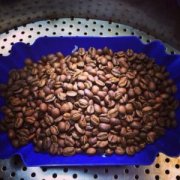
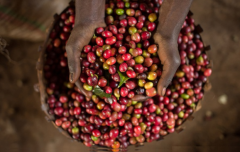
The Story and Origins of Indonesian Aged Mandheling G1 Washed Specialty Coffee Beans
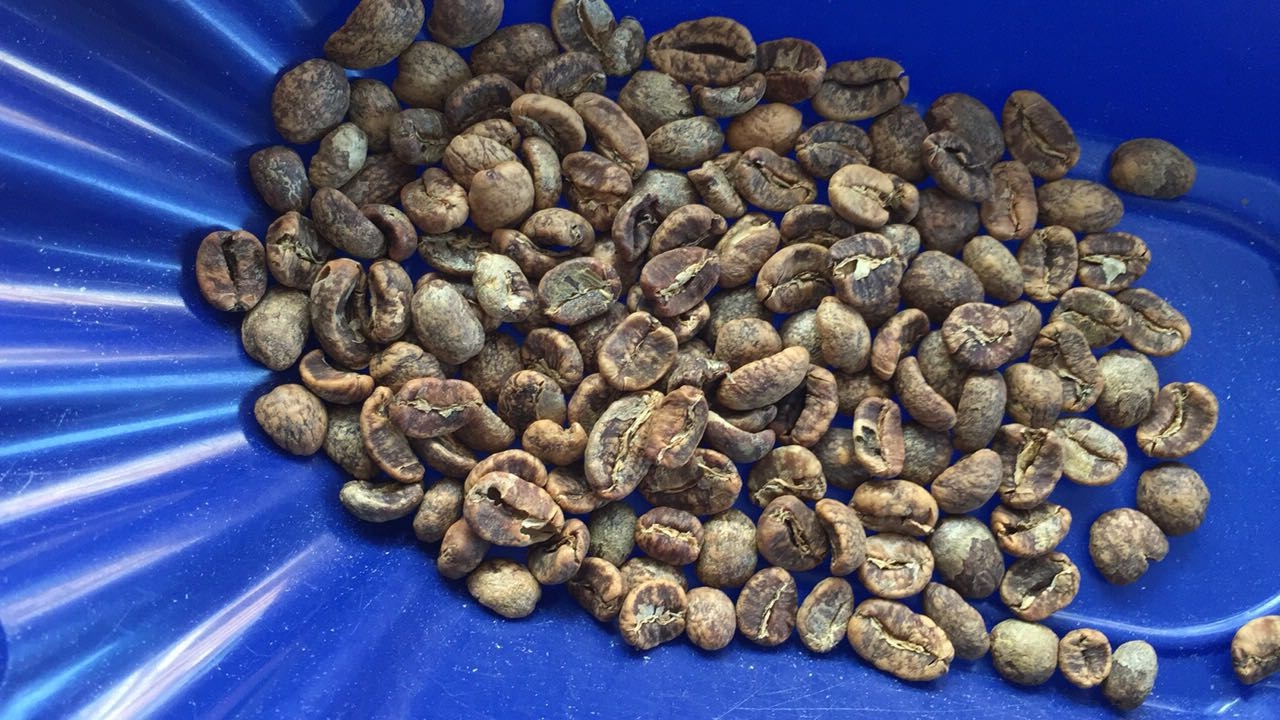
Aged Coffee: A Timeless Tradition
Aged coffee has a long history in Indonesia. Because shipping was not well developed in the early days, moving coffee from Indonesia to other countries took a considerable amount of time. Over that journey the fresh, moisture-rich beans gradually dried out, and the constant assault of sea winds added a rather special flavor. Modern shipping has since cut travel time dramatically, so coffee with this particular flavor has become a specialty processed bean in its own right. Making aged beans is a technical skill that demands careful monitoring throughout the aging period. The warehouse's humidity and temperature must meet fixed standards, and the green beans must be turned at intervals to prevent top and bottom from differing in moisture, or mold from ruining the lot. Aging is not about losing flavor but about creating another flavor, and a pleasant one at that.
Hand-brewed Mandheling Recipe
Hand-brewed Mandheling: 15g coffee powder, medium grind (small Fuji ghost-tooth blade #4), V60 dripper, 88-89°C water temperature. First pour 30g of water and steam for 27 seconds, pour to 105g then stop. Wait until the water level in the coffee bed drops by half, then continue pouring slowly until reaching 225g. Avoid the tail section. Water-to-coffee ratio 1:15, extraction time 2:00.
Aged Mandheling Coffee Profile
Country: Indonesia
Grade: G1
Origin: Sumatra
Roast Level: Medium-dark roast
Processing Method: Semi-washed
Aged Golden Mandheling:
Variety: Typica
Region: Aceh Province
Flavor Notes: Spice, caramel, woody, earthy
Mandheling is a premium coffee grown at altitudes of 750-1500 meters in mountainous regions. It is a rare Arabica variety in Indonesia, which mainly produces Robusta. Because of altitude, climate, and other environmental factors, the beans that grow here have a rich aroma, a full body, and a strong flavor with hints of chocolate and syrup. It is precisely this richness and its vibrant, lively character, non-astringent and non-acidic, that makes the taste so special, leaving an unforgettable impression on the palate and an aromatic pleasure for the senses.
Flavor Description
The dry aroma carries glutinous rice, malt, spice, caramel, and woody notes. After hot water is added, the wet aroma is a dark-roast caramel flavor with pine notes, plus a faint earthy fragrance. On the palate there is a strong, stimulating bitterness, with clove and woody aromatics, spicy notes, and a minty texture, plus a strong and persistent aftertaste.
Suited to coffee lovers who prefer bitter flavors!
Product Information
Shelf Life: 90 days
Net Weight: 227g
Packaging: Bulk
Origin: Indonesia
FrontStreet Coffee Recommendation
Anyone drawn to the deep, aged character of Mandheling will find the Mandheling family itself worth exploring, starting with FrontStreet's Lindong Mandheling daily bean. Grown in Sumatra's Lindong region around Lake Toba and processed with the wet-hulled method, it is medium-dark roasted and low in acidity, with caramel, dark chocolate, and toasted bread aromas and a long, sweet finish, a mellow and concentrated cup for anyone who likes their coffee strong.
For the highest grade of Mandheling, FrontStreet's PWN Golden Mandheling is the benchmark, produced by PWN, a company that deals only in specialty-grade Mandheling and whose flagship product Golden Mandheling is screened to a strict standard: beans of 18 screen size or above, fewer than 3 defects in a 300-gram sample, and a G1 grade, followed by three rounds of hand selection to eliminate defects. The result is greater clarity and stronger sweetness than ordinary Mandheling, with sandalwood, herbs, spice, roasted hazelnut, caramel, and dark chocolate in a clean, rich, and layered cup.
Mandheling also anchors FrontStreet's espresso lineup. FrontStreet's Classic Blend builds on Brazilian coffee's creamy, nutty base with medium-dark roasted Mandheling, making butter, roasted chestnut, and caramel the most prominent notes while the Mandheling raises the overall body and lends sandalwood, herbal, and spice aromas, with a small proportion of Robusta rounding out the crema so that latte art and layered Dirty drinks come together easily.
Important Notice :
FrontStreet Coffee is a long-established specialty coffee roaster in Guangzhou China, selling freshly roasted beans from its own farm in Yunnan as well as dozens of carefully selected single-origin beans from around the world for both pour-over and espresso. The products deliver consistently excellent quality and great value, with shipping within 24 hours. Guangzhou's FrontStreet Coffee shop is recommended by many coffee lovers, and the beans are now available online at the Tmall 。
FrontStreet Coffee has moved to a new address:
FrontStreet Coffee Address: 315,Donghua East Road,GuangZhou
Tel:020 38364473
 Scan and follow the En Gafei WeChat official account. Please indicate that the reprint comes from "En Gafei".