V60 Pour-Over Parameters for Panama Boquete Elida Estate Natural Typica Premium Coffee Beans
Pour-over Brewing Recipe for Panama Coffee
Hand-pour Panama coffee: 15g of coffee, a medium grind (Fuji Ghost Tooth setting 4), a V60 dripper, and water at 88-89°C. Start with a 30g pour and let it bloom for 27 seconds, then pour up to 105g and stop. Once the water level has dropped about halfway, resume a slow pour until the scale reads 225g, stopping before the tail end of the extraction. Water-to-coffee ratio 1:15, total extraction time 2:00.
Panama Boquete Elida Typica Natural
Country: Panama
Grade: SHB
Region: Boquete
Roast Level: Medium Roast
Processing Method: Natural
Variety: Typica
Flavor: Rich tropical fruits, strawberry notes, black plum
The Excellence of Elida Estate
Volcán Barú is a young, active volcano that rises more than 3,400 meters, and its slopes hold seven distinct microclimates that nurture an unusually rich and varied ecosystem. Such diversity cuts both ways for coffee growers, but in Elida's case it produces a cup more intense and aromatic than most Panamanian coffees, with a black-berry finish and a layered texture that connoisseurs prize.
High altitude, however, comes at a cost. At Elida the average elevation of the coffee plots exceeds 1,700 meters. The combination of thin air and cold nights means a tree needs five years from planting to its first harvest—an unusually long wait. Once the harvest does begin, the cherries ripen unevenly over more than a month. If a typhoon or a stretch of heavy rain arrives before they are fully ripe, the estate still refuses to pick early, knowing the loss in yield this will cause. Quality comes first, and that decision carries far more risk than it would at a lower-altitude farm.
Since 2006, Elida's selected lots have placed among the top coffees in Panama's Best of Panama competition year after year, and their prices have climbed accordingly. Among Central American estates, Elida is arguably the most "Kenyan" in character: its black-berry and long, complex fruit notes draw constant praise, and judges are equally drawn to its distinctive umami quality. Today many experts count umami as a fifth basic taste alongside sweet, sour, bitter, and salty. Umami works much like monosodium glutamate, amplifying flavor or enriching a broth; dried shiitake, aged cheese, and kombu are familiar sources. In coffee, umami is bound up with a good aftertaste—a long, pleasant sensation that lingers after you swallow.
Elida's processing facility and its procedures are equally meticulous. As coffee cherries move through post-harvest handling, any period spent above 20% moisture content can cause quality compounds to fade and off-flavors to develop. Because the mill still sits at high altitude, Elida relies on dedicated drying equipment to control both temperature and timing—another step that must be handled perfectly if quality is to be preserved.
This lot was processed naturally from the classic Typica variety. Typica is the oldest native variety to come out of Ethiopia, originally grown in southeastern Ethiopia and Sudan, and every Arabica variety traces back to it. It offers an elegant cup but is a frail plant with poor disease resistance and low yields. Jamaica Blue Mountain, Sumatra Mandheling, and Hawaii Kona are all Typica. The variety's young leaves are copper-colored, which is why it is called red-topped coffee.
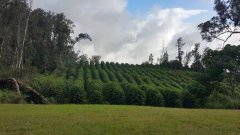
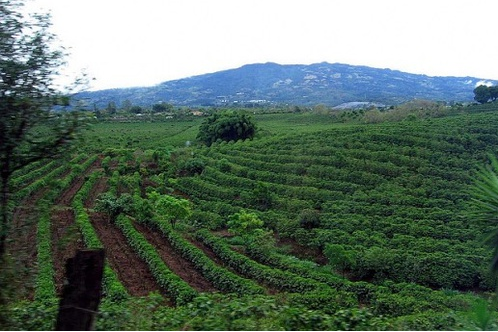
More than half of Elida Estate lies inside the protected zone of Panama's national park. It is a rare ultra-high-altitude estate in Central America, growing coffee between 1,700 and nearly 2,000 meters wherever the terrain allows, and it is famous above all for a profile of intensity and umami.
Elida belongs to Wilford Lamastus. The estate grows three varieties—Typica, Geisha, and Catuai—and its nursery raises seedlings of each. The journey up is beautiful: at 1,700 meters the air turns crisp and cold, like walking through high mountains on a forest-therapy trail. At 2,000 meters the terrain breaks steeply, and after crossing the ridge into the saddle the ground flattens surprisingly, sheltered from the howling mountain wind. Wilford calls it the perfect place to grow Geisha.
Flavor Description
Rich tropical fruits, strawberry notes, black plum, apricot, peach, and longan, wrapped in an intense, wine-like fruit aroma.
Product Information
Manufacturer: FrontStreet Coffee
Net Weight: 227g
Packaging: Bulk
Coffee Bean State: Roasted Coffee Beans
Sugar Content: Sugar-free
Origin: Panama
Roast Level: Medium Roast
FrontStreet Coffee Recommendation
If this Panamanian profile appeals to you, FrontStreet Coffee's Boquete Washed Geisha is a fine place to begin. Grown at 1,600 meters in Boquete's fertile volcanic-ash soil, it is an estate-grade introduction to Geisha, delivering the variety's signature jasmine florals alongside green tea, honey, citrus, and orange.
For a more concentrated expression, FrontStreet Coffee's Esmeralda Estate Red Label Geisha is harvested from a single plot above 1,700 meters and must cup at 91 points before it is released, offering a refined orange-peel and honey character with a long, clean finish.
Both are best brewed as pour-over, with a 1:15 ratio and water around 88-90°C, to keep the delicate florals intact.
Important Notice :
FrontStreet Coffee is a long-established specialty coffee roaster in Guangzhou China, selling freshly roasted beans from its own farm in Yunnan as well as dozens of carefully selected single-origin beans from around the world for both pour-over and espresso. The products deliver consistently excellent quality and great value, with shipping within 24 hours. Guangzhou's FrontStreet Coffee shop is recommended by many coffee lovers, and the beans are now available online at the Tmall 。
FrontStreet Coffee has moved to a new address:
FrontStreet Coffee Address: 315,Donghua East Road,GuangZhou
Tel:020 38364473
 Scan and follow the En Gafei WeChat official account. Please indicate that the reprint comes from "En Gafei".