Pour-over Brewing Parameters for Costa Rican Tarrazú San Román Washed Specialty Coffee Beans
Pour-over Costa Rica San Roman: 15g of coffee, medium grind (small Fuji ghost-tooth blade setting 4), V60 dripper, water temperature 88-89°C. First pour 30g of water and let it bloom for 27 seconds. Pour to 105g and stop, wait until the water level in the coffee bed drops to halfway before continuing. Slowly pour until reaching 225g total. Avoid the tail section. Water-to-coffee ratio 1:15, extraction time 2:00.
San Roman Processing Mill
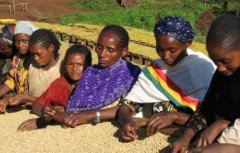
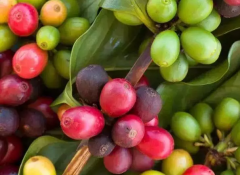
San Roman Processing Mill primarily uses the washed processing method and is renowned for coffee with intense, rich flavors and a solid mouthfeel. The cherries are hand-selected, with farmers removing overripe or underripe fruit before processing. A 3-disc Aagaarde pulping machine removes the skin and pulp, and then machines sort the beans by density into three grades. Grade 1 and 2 beans are fermented separately, while Grade 3 consists of lower-quality beans. The green beans are fermented in a cool place for about 24-36 hours. After fermentation, they are washed and sorted again by density in the washing channels, then randomly soaked in clean water overnight. After processing and roasting, the bittersweet chocolate flavors create a thick, creamy sweetness reminiscent of toffee, combined with a subtle wine-like acidity. The enticing aroma and fruity sweetness of these chocolate-toned beans leave a lasting impression.
Costa Rica's Coffee Growing Regions
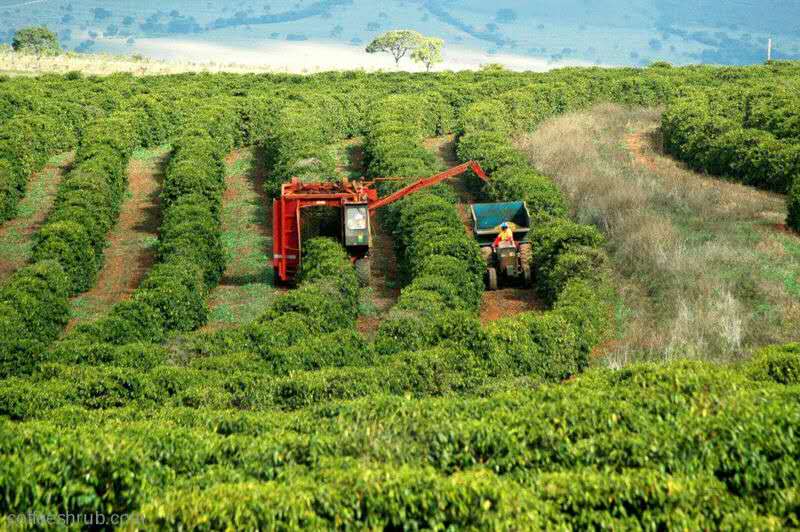
Costa Rica's volcanic terrain provides fertile volcanic ash, moderate temperatures and stable, abundant rainfall - all factors that make coffee one of the country's main agricultural products. The seven major growing regions are Tarrazu, Tres Rios, Orosi, Central Valley, West Valley, Turrialba and Brunca.
Coffee Details
Costa Rica San Roman Royal Coffee
- Country: Costa Rica
- Grade: SHB
- Altitude: 1700m
- Region: Tarrazu region
- Roast Level: Medium-dark roast
- Processing Method: Washed processing
- Varieties: Caturra, Catuai
- Processing Mill: San Roman Processing Mill
- Flavor Profile: berry aroma, caramel, cream, subtle spices
The best Costa Rican coffees seem to come from small processing mills scattered throughout the major growing regions, including Tarrazu and West Valley. This so-called coffee revolution began 15 years ago and dramatically changed roasters' and importers' perceptions of Costa Rican coffee. It centers on mills that collect and process beans from surrounding small farms, often small communities or family operations growing coffee on their small plots, with all the coffee processed and dried by a single mill. The quality and flavor of Royal Coffee are quite unique, largely thanks to the cooperation between coffee producers and our team.
Coffee History in Costa Rica
Coffee cultivation in Costa Rica began in 1779, when it was introduced from Cuba, with the first exports in 1820. Today there are about 32,000 coffee farmers, with an average cultivated area of less than one hectare (10,000 square meters) each. Costa Rica has a population of 4.1 million (2006), with coffee cultivation covering 82,500 hectares. Annual production reaches 1.7 million bags of 60kg each, with domestic consumption of 380,000 bags a year. Average per capita consumption is 5.5kg per year - higher than Japan's 4kg, while Taiwan's average is only slightly above 1kg.
Costa Rica was the first country in Central America to cultivate coffee, and it boasts a long history and a complete system from production to sales. Located on the Central American isthmus with numerous volcanoes, it enjoys natural advantages of sunlight and soil. The climate is moderated by Pacific and Atlantic ocean currents and sea breezes, producing coffee with characteristics unique to local microclimate terroir. In both quality and quantity, Costa Rican coffee has consistently earned worldwide recognition and is rated among the world's high-quality coffees. Costa Rica's coffee cultivation spans two hundred years, initially planted on the slopes of the Poas and Barva volcanoes in what is now the Central Valley region. The main seven growing regions are distributed from northwest to southeast along the inland central plateau.
Product Information
Brand: FrontStreet Coffee
Shelf Life: 30 days
Net Weight: 227g
Packaging: Bulk
Taste: Mellow coffee beans
Bean State: Roasted coffee beans
Sugar Content: Sugar-free
Origin: Costa Rica
Coffee Type: Costa Rican coffee
Roast Level: Medium-dark roast
Flavor Description: berry aroma, caramel, cream, subtle spices.
FrontStreet Coffee Recommendation
Costa Rica is famous for its honey processing, and FrontStreet Coffee's Mozart is a great way to explore it. The FrontStreet Mozart uses a raisin honey process, and the cup shows the sweetness of raisins and blueberry with the fragrance of osmanthus and rose. However you brew it - pour-over, cold brew, Americano or latte - it brings out Costa Rica's clean sweetness.
Important Notice :
FrontStreet Coffee is a long-established specialty coffee roaster in Guangzhou China, selling freshly roasted beans from its own farm in Yunnan as well as dozens of carefully selected single-origin beans from around the world for both pour-over and espresso. The products deliver consistently excellent quality and great value, with shipping within 24 hours. Guangzhou's FrontStreet Coffee shop is recommended by many coffee lovers, and the beans are now available online at the Tmall 。
FrontStreet Coffee has moved to a new address:
FrontStreet Coffee Address: 315,Donghua East Road,GuangZhou
Tel:020 38364473
 Scan and follow the En Gafei WeChat official account. Please indicate that the reprint comes from "En Gafei".