Introduction to Costa Rica Tarrazú Otis Rock Yellow Honey Process Geisha Variety Market Price
Coffee Information
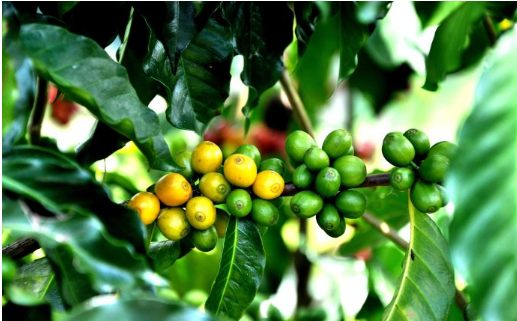
Variety: Geisha
Processing Mill: Otis Granite Processing Mill
Flavor: Floral tea, rose hip and green grape notes
Costa Rica Honey Processing Method
Costa Rica's honey processing method is quite distinctive. These Costa Rica red honey processed beans are a good opportunity to explore what makes Costa Rica's honey processing so special.
Otis Granite Estate Introduction
The Costa Rica Otis Granite Processing Mill is an emerging estate in Costa Rica. The family cooperative was founded in 1994 but did not establish its own processing mill until 2005, and it now has 17 years of history. The Otis Granite Processing Mill is located about 5km north of Tarrazu's San Marcos town, with ten coffee estates beneath it, including the Yano Estate. Elevations range from 1500 to 2000 meters on mountain slopes, and all are classified as SHB (Strictly Hard Bean), the highest grade.
Otis 2000 Meter Estate Geisha - Golden Honey Processing
Flavor: The dry aroma features a delicate spring tea fragrance mixed with hints of orange peel and chocolate. Floral tea, rose hip and green grape notes gradually emerge as the temperature changes, revealing the juicy sweetness of lemon and peach. The aftertaste presents orange peel and chocolate.
Product Information
Factory Name: FrontStreet Coffee
Shelf Life: 90 days
Net Content: 100g
Packaging: Bulk coffee beans
Roast Level: Roasted coffee beans
Sugar Content: Sugar-free
Origin: Costa Rica
Roast Level: Light roast
Costa Rica Tarrazu Honey Geisha
Country: Costa Rica
Grade: SHB
Region: Tarrazu
Roast Level: Light roast
Processing Method: Honey processing
Honey Processing Method
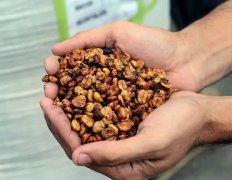
After the skin and pulp are removed, coffee beans are dried with the mucilage still attached. The key to distinguishing different honey processing styles lies in that remaining mucilage: the proportion retained, the drying time and the drying method.
Characteristics of Honey Processing
During harvesting, sugar content is tested first, and only coffee fruits with a sugar content between 21-22% are picked. Honey processing differs from other methods in that it requires drying on African beds (raised drying beds). If dried directly on cement ground or soil, the beans are easily scratched during turning, which can lead to bacterial infection. Direct ground sun-drying can also give the coffee beans earthy flavors.
Taste Differences Between Honey and Washed Processing
Compared with washed processing, honey processing results in higher sweetness, greater sugar content and a relatively heavier body at the same roast level.
Beans processed by the honey method need good ventilation during drying; otherwise the retained mucilage can easily ferment or mold, causing off-flavors.
Common Honey Processing Variations
The honey processing styles we typically see are yellow honey, red honey and black honey.
FrontStreet Coffee Recommendation
Honey processing is exactly where Costa Rica shines, and FrontStreet Coffee's Strawberry Candy blend puts that method to elegant use. It pairs a Costa Rican honey processed coffee, which supplies grape, dried blueberry and strawberry-fudge sweetness, with a Panama Geisha that adds fine rose and orange notes, so the cup keeps the rounded sweetness of honey processing while gaining a floral lift. It works beautifully as a pour-over, a cold brew or even an espresso.
For a straight Geisha instead of a blend, the FrontStreet Boquete Geisha is a gentle introduction to the variety's orange-blossom sweetness and oolong tea body, while the FrontStreet Esmeralda Green Label (Private Collection) blends several plots to show the estate's signature high-altitude Geisha character at a more accessible price than the Red Label.
Important Notice :
FrontStreet Coffee is a long-established specialty coffee roaster in Guangzhou China, selling freshly roasted beans from its own farm in Yunnan as well as dozens of carefully selected single-origin beans from around the world for both pour-over and espresso. The products deliver consistently excellent quality and great value, with shipping within 24 hours. Guangzhou's FrontStreet Coffee shop is recommended by many coffee lovers, and the beans are now available online at the Tmall 。
FrontStreet Coffee has moved to a new address:
FrontStreet Coffee Address: 315,Donghua East Road,GuangZhou
Tel:020 38364473
 Scan and follow the En Gafei WeChat official account. Please indicate that the reprint comes from "En Gafei".