Panama Boquete Elida Estate Natural Process Typica Premium Coffee Beans Growing Conditions and Geographical Location
Elida Estate: A High-Altitude Coffee Paradise
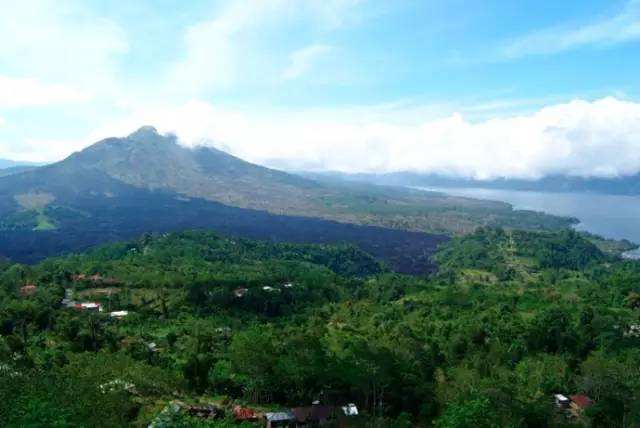
Baru is a young volcano with an elevation exceeding 3,400 meters, belonging to the active volcano category. The surrounding area features seven different microclimate zones, nurturing a rich and diverse ecosystem. The varied microclimates are both an advantage and a challenge for coffee cultivation. In Elida's case, however, her flavor profile is more intense and aromatic than most Panama beans, with black berry notes and a complex, varied mouthfeel that has made her extremely beloved among coffee connoisseurs.
Challenges of High Altitude
High-altitude terrain also has drawbacks. For Elida, the average elevation for coffee cultivation exceeds 1,700 meters. The high elevation and cool nighttime temperatures mean coffee plants take five years after planting before they can be harvested, making the wait extremely long. Once the harvest begins, ripening often extends beyond a month. If adverse weather strikes before ripening, such as typhoons, heavy rain, or other factors beyond control, significant losses are inevitable. Because the beans have not fully ripened and the estate is committed to quality, the refusal to harvest early sharply reduces yields. The risks are actually much greater than those faced by lower-altitude estates.
Exceptional Quality and Unique Flavor Profile
Since 2006, Elida's premium lots have consistently ranked among the best Panama winning lots, with prices rising year after year. Among Central American estates, Elida should be considered the one with the most prominent "Kenyan black berry notes." Her distinctive black berry flavors and persistent complex fruit character often draw high praise. Judges are also particularly drawn to Elida's unique "umami" quality. The term comes from "Umami," which many experts now include as the fifth basic taste, alongside sour, sweet, bitter, and salty. Its effect is similar to monosodium glutamate, enhancing freshness, as in foods like dried shiitake mushrooms, aged cheese, and kelp used for stocks. The umami in coffee is related to a good "aftertaste": a long, pleasant lingering sensation after sipping is part of the umami experience.
Precision in Processing
The equipment, utensils, and processing steps at Elida's processing facility are all meticulously executed. Generally, when coffee cherries reach a certain stage of processing, if their moisture content stays above 20% for extended periods, not only do the high-quality components inside dissipate easily, but off-flavors may also develop. Because Elida's processing facility is itself at high elevation, they have specialized equipment to control temperature and timing during drying. All of this must be controlled with perfect precision, another critical step that affects quality.
Classic Variety and Processing Method
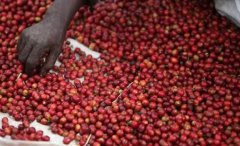
This batch uses the natural processing method with the classic Typica variety. Typica is the most ancient original variety from Ethiopia, grown in southeastern Ethiopia and Sudan, and all Arabica varieties derive from it. It offers an elegant flavor but has a weak constitution, poor disease resistance, and low fruit yield. Excellent estate beans such as Jamaica Blue Mountain, Sumatra Mandheling, and Hawaii Kona all belong to the Typica family. Typica plants have copper-colored young leaves, which earned them the name "red-topped coffee," and Typica belongs to the Arabica species.
Unique Geography and Cultivation
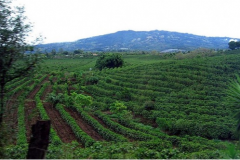
Over half of Elida Estate's area lies within the Panama National Park reserve. It is a rare ultra-high-altitude estate in Central America. Depending on terrain feasibility, coffee is cultivated between 1,700 meters and nearly 2,000 meters, and the estate is renowned for its main flavor axis of "intensity and umami."
Elida Estate belongs to owner Wilford Lamastus. The estate cultivates three varieties: Typica, Gesha, and Catuai, with a nursery area raising seedlings of each. The journey to the estate is beautiful; at 1,700 meters the air turns crisp and cold, like walking through high mountains while enjoying a forest bath and breathing very fresh air. At 2,000 meters the terrain is steep and rugged, but after crossing the ridgeline to the saddle area, one finds flat, open ground that shelters from the howling mountain winds. Wilford says this is the perfect place to grow Gesha.
Flavor Notes
Flavor Description: Rich tropical fruits, strawberry aromas, black plums, apricots, peaches, longans, with intense fruit wine notes.
Product Information
Manufacturer: FrontStreet Coffee
Net Weight: 227g
Packaging: Bulk
Coffee Bean State: Roasted Coffee Beans
Sugar Content: Sugar-free
Origin: Panama
Roast Level: Medium Roast
Detailed Specifications
Panama Boquete Elida Typica Natural
Country: Panama
Grade: SHB
Region: Boquete
Roast Level: Medium Roast
Processing Method: Natural
Variety: Typica
Flavor: Rich tropical fruits, strawberry aromas, black plums
FrontStreet Coffee Recommendation
Panama's coffee regions sit in the west of the country: Boquete, Volcan, Santa Clara, and Piedra de Candela, with Boquete and Volcan the two most familiar specialty areas. Both lie in the Chiriqui highlands, squarely within the coffee belt, with fertile volcanic soil and ancient forest. In Boquete the mountains are often wrapped in cloud, humid by day and cool by night, and the fertile soil from the Baru volcano is ideal for growing the prized Geisha variety. The higher the coffee is planted, the longer the fruit matures, the more nutrients it absorbs, and the richer and more distinctive the flavor becomes.
For a first taste of Panamanian specialty coffee, FrontStreet's Boquete Washed Geisha is the estate-level introduction. Grown at 1,600 meters in fertile volcanic ash soil, it brews into the varietal's hallmark jasmine florals, green tea, honey, citrus, and orange notes. FrontStreet's Panama Washed Butterfly is another option, a blend of Geisha, Caturra, and Catuai grown in the Baru volcano area; the region's abundant rainfall, wide day-night temperature range, and volcanic soil, along with careful picking and processing, give the cup impressive body, citrus acidity, and Geisha's jasmine aroma. It is well suited to pour-over and cold brew.
Among the top-tier lots, the Esmeralda Estate, which both discovered and popularized Geisha, grades its coffee by altitude into the Red Label, Green Label, and Blue Label lines. FrontStreet's Esmeralda Red Label Geisha is picked from a single plot above 1,700 meters and must reach 91 points in cupping, with a refined orange-blossom-honey character.
Important Notice :
FrontStreet Coffee is a long-established specialty coffee roaster in Guangzhou China, selling freshly roasted beans from its own farm in Yunnan as well as dozens of carefully selected single-origin beans from around the world for both pour-over and espresso. The products deliver consistently excellent quality and great value, with shipping within 24 hours. Guangzhou's FrontStreet Coffee shop is recommended by many coffee lovers, and the beans are now available online at the Tmall 。
FrontStreet Coffee has moved to a new address:
FrontStreet Coffee Address: 315,Donghua East Road,GuangZhou
Tel:020 38364473
 Scan and follow the En Gafei WeChat official account. Please indicate that the reprint comes from "En Gafei".