Espresso Water-to-Coffee Ratio: Characteristics and Golden Ratio Extraction Methods
FrontStreet Coffee has always stressed that extraction parameters shape a cup of pour-over coffee, and their influence on espresso is even greater. Espresso parameters such as concentration and extraction time are stricter than pour-over. Even a slight deviation can change the flavor of a shot exponentially. Understanding espresso extraction parameters is therefore genuinely essential.
Espresso Extraction Parameters
As with pour-over, espresso places great emphasis on extraction parameters. Below, FrontStreet Coffee explains and analyzes coffee dose, brew ratio, extraction time, flow rate, extraction pressure and extraction temperature.

Coffee Dose
The dose is determined by the capacity of the portafilter basket. Some machine manufacturers offer double basket capacities in specifications such as 16g, 18g, 20g and 22g. These are recommended capacities with a maximum filling error of less than 1g. With an 18g basket, for example, a reasonable dose range is 17-19g.
FrontStreet Coffee does not recommend using significantly less or much more coffee than the basket capacity. The dose affects the density of the coffee puck. With the same tamping pressure, too little coffee gives a looser puck, leading to faster flow and under-extraction. Too much raises density, slows the flow and can even make it hard to extract any liquid at all.

Brew Ratio
Espresso uses the ratio of coffee grounds to extracted espresso liquid, because you cannot measure how much water was used for extraction. Some newer machines install a meter at the water inlet to display water volume. The traditional extraction ratio was based on single-shot standards, pulling 25-30ml of espresso liquid from 7-8g of coffee grounds. The former is a weight unit, the latter a volume unit. They are equivalent only when density is consistent, but extracted espresso carries golden crema, and the thickness of that crema depends on the coffee's roast level and freshness. Using that measurement alone therefore produces inconsistent results.
That led to the weight-to-weight ratio: the weight of coffee grounds to the weight of liquid. This typically ranges between 1:1.5 and 1:2.5, with 1:2 the most commonly used, such as extracting 40g of coffee liquid from 20g of grounds. The ratio is influenced by two factors: the amount of coffee and the amount of water. A lower ratio gives very rich, thick coffee that can easily turn bitter from over-extraction. A higher ratio produces thin, bland coffee with sharp acidity from under-extraction.

Extraction Time
Time refers to the whole extraction period from when the portafilter is locked in and the button is pressed until extraction is complete. Factors affecting extraction time include grind size and ratio. The ratio is easy to understand: a higher ratio requires more extraction water and naturally takes longer. Grind size affects how coarse the coffee grounds are, which directly impacts the density of the puck. Finer grounds create a denser puck after tamping, making it hard for water to pass through, extending extraction time and easily leading to over-extraction. Generally, pulling a shot of espresso takes approximately 20-30 seconds.

Flow Rate
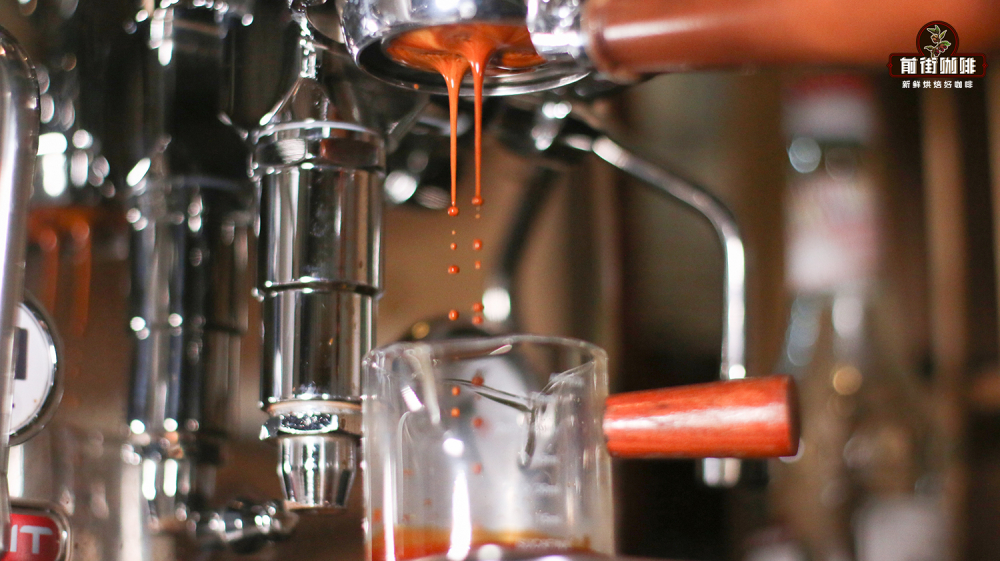
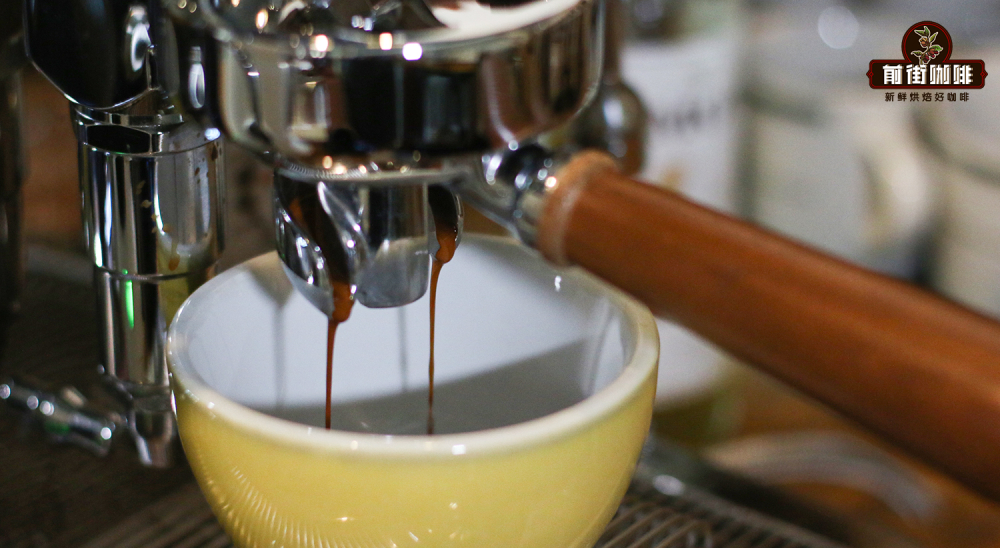
Flow rate is the speed at which the coffee liquid flows. The ultimate goal of our extraction parameters is really to achieve a specific flow rate. In a normal espresso, the first drop of coffee should appear around the fifth second after the button is pressed, with subsequent flow relatively even. The speed of the flow directly reflects whether grind size and ratio are appropriate. If the first drop appears after more than 10 seconds (excluding pre-infusion), the coffee may be ground too fine or tamped too firmly. If the flow is too fast or gushes, the coffee may be ground too coarse or channeling may have occurred.
Extraction Pressure
Generally, semi-automatic machines operate at approximately 9bar of extraction pressure, which is determined by the machine's performance. Some modern machines now offer variable pressure extraction. Lower pressure gives lower extraction efficiency, while higher pressure gives higher efficiency.

Extraction Temperature
The water temperature for espresso extraction typically ranges between 90 and 94 degrees Celsius. Water that is too hot easily causes over-extraction and bitter flavors. Water that is too cool can cause under-extraction and sharp acidity.
Important Details for Making Espresso
The process of making espresso can generally be divided into several parts: weighing coffee, distributing grounds, tamping, machine extraction and cleaning. FrontStreet Coffee has previously noted that distributing and tamping are crucial for a good espresso. Other factors have a secondary impact on a shot, but their effects cannot be ignored either.

Weighing Coffee
There are two points to consider when weighing coffee: the influence of residual grounds and the accuracy of the dose. Look carefully at your espresso grinder - whether it is a hopper model or a doserless model, there is a channel between the burrs and the dispensing outlet where previously ground coffee accumulates. If too much time has passed since the last grind, the coffee in this channel will have lost most of its flavor. At that point, use a tool to clear the coffee from the channel, or start the grinder and let subsequent grounds push out the old ones, discarding them before collecting fresh grounds.

Taking the Fiorenzato 900N grinder used by FrontStreet Coffee as an example, the residual coffee in its channel can weigh up to 2 grams. With a double shot of 20g of grounds, that is one-tenth of the total dose - a very significant impact.
Next is the question of weighing accuracy. Using the Fiorenzato 900N again, FrontStreet Coffee uses the non-dosing version, which requires a highly sensitive electronic scale. To ensure precise, consistent results, weigh the grounds for every extraction. FrontStreet Coffee recommends keeping the maximum error within plus or minus 0.1 grams.

If you use a dosing grinder, do not overlook this issue either. Most dosing grinders currently work on a timing principle (with some exceptions), and timing creates problems such as inconsistent rotation speeds, varying bean hopper pressure, and differences in bean size and density, all of which cause discrepancies in the ground amount.
Inconsistent Rotation Speeds
Inconsistent rotation speeds are related to voltage. Domestic voltage fluctuates around 220V with a tolerance of plus or minus 10V. Higher voltage gives faster speeds, lower voltage slower rotation.
Varying Bean Hopper Pressure
Different amounts of beans left in the hopper during each grinding session cause inconsistent hopper pressure. When hopper pressure is unstable, it affects the consistency of the dispensed amount.
Varying Coffee Bean Size and Density
Coffee bean blends consist of different varieties with differences in size and hardness. Varying proportions of these varieties in each grinding session also lead to differences in ground amounts.

Extraction Workflow and Cleanliness
The extraction process should be methodical: grinding, collecting grounds, distributing, tamping, then locking the portafilter and pressing the button. In theory this sequence should run continuously without interruption. Before grinding, then, think clearly about what comes next and what has not been prepared yet. If you are still unfamiliar with the operations, practice until you are proficient.
Develop good cleaning habits. A clean environment simply feels better, and cleaning key components affects the quality of the next cup - such as the residual grounds in the grinder mentioned above. Residual grounds on distribution tools and tampers should be cleaned as well. Make sure tools that touch the grounds directly - distributors, portafilters and baskets - stay dry (in plain terms, no water residue on them), and rinse and clean them after each use.
After finishing an espresso extraction, remember to clean the portafilter and group head immediately (no matter how busy you are). These seemingly unimportant coffee residues can affect the quality of the next shot.
FrontStreet Coffee Recommendation
Espresso rewards beans with body and sweetness, and the beans FrontStreet Coffee reaches for most often for the machine are the fuller, lower-acid ones. FrontStreet Coffee's PWN Indonesia Golden Mandheling is roasted dark: acidity is very low, the body is thick and long, and the cup is full of herbal and dark chocolate aromas with a faint earthy note. It suits drinkers who like a heavy coffee and dislike acidity.
For something with excellent crema at a friendly price, FrontStreet Coffee's Brazil Queen Estate is a strong all-rounder. Acidity is low, the body is balanced, nut and cocoa aromas are pronounced with clear caramel sweetness, and it goes down smooth without any astringency. It works for pour-over, moka pot and espresso alike, and its crema makes it a dependable everyday choice.
If you want a low-acid single origin that still reads clean, look at FrontStreet Coffee's Papua New Guinea Bird of Paradise from the Sigri region. It uses the same Typica variety as Blue Mountain, grown at 1,600-1,800 meters on volcanic soil, and is processed with a triple wash; it reaches AA grade, with plump beans and very few defects. The cup is clean and sweet - some drinkers call it a "little Blue Mountain."
And for the classic, balanced option, FrontStreet Coffee's Jamaica Blue Mountain No.1 is roasted medium-dark and works well through the machine, bringing its cream, caramel, chocolate and nut character into the cup without any single note dominating.
Important Notice :
FrontStreet Coffee is a long-established specialty coffee roaster in Guangzhou China, selling freshly roasted beans from its own farm in Yunnan as well as dozens of carefully selected single-origin beans from around the world for both pour-over and espresso. The products deliver consistently excellent quality and great value, with shipping within 24 hours. Guangzhou's FrontStreet Coffee shop is recommended by many coffee lovers, and the beans are now available online at the Tmall 。
FrontStreet Coffee has moved to a new address:
FrontStreet Coffee Address: 315,Donghua East Road,GuangZhou
Tel:020 38364473
 Scan and follow the En Gafei WeChat official account. Please indicate that the reprint comes from "En Gafei".