
How to Handle Clumped Coffee Powder? Is Coffee Powder Sticking to Walls Due to Static Normal? How to Eliminate Air Bubbles in Latte Art Milk Foam?
The Mystery of the Coffee Shop "Table Tapping" Ritual
Have you ever noticed that when baristas make certain drinks they tap something against the counter, producing a "duang duang duang" sound, as if performing a ritual that makes the coffee taste better?

That tapping really is meant to make the coffee taste better. When the movements get too forceful, though, they can disturb the people nearby. So FrontStreet Coffee would like to explain why baristas do it, and offer some gentler solutions.
Reason 1: Static Electricity
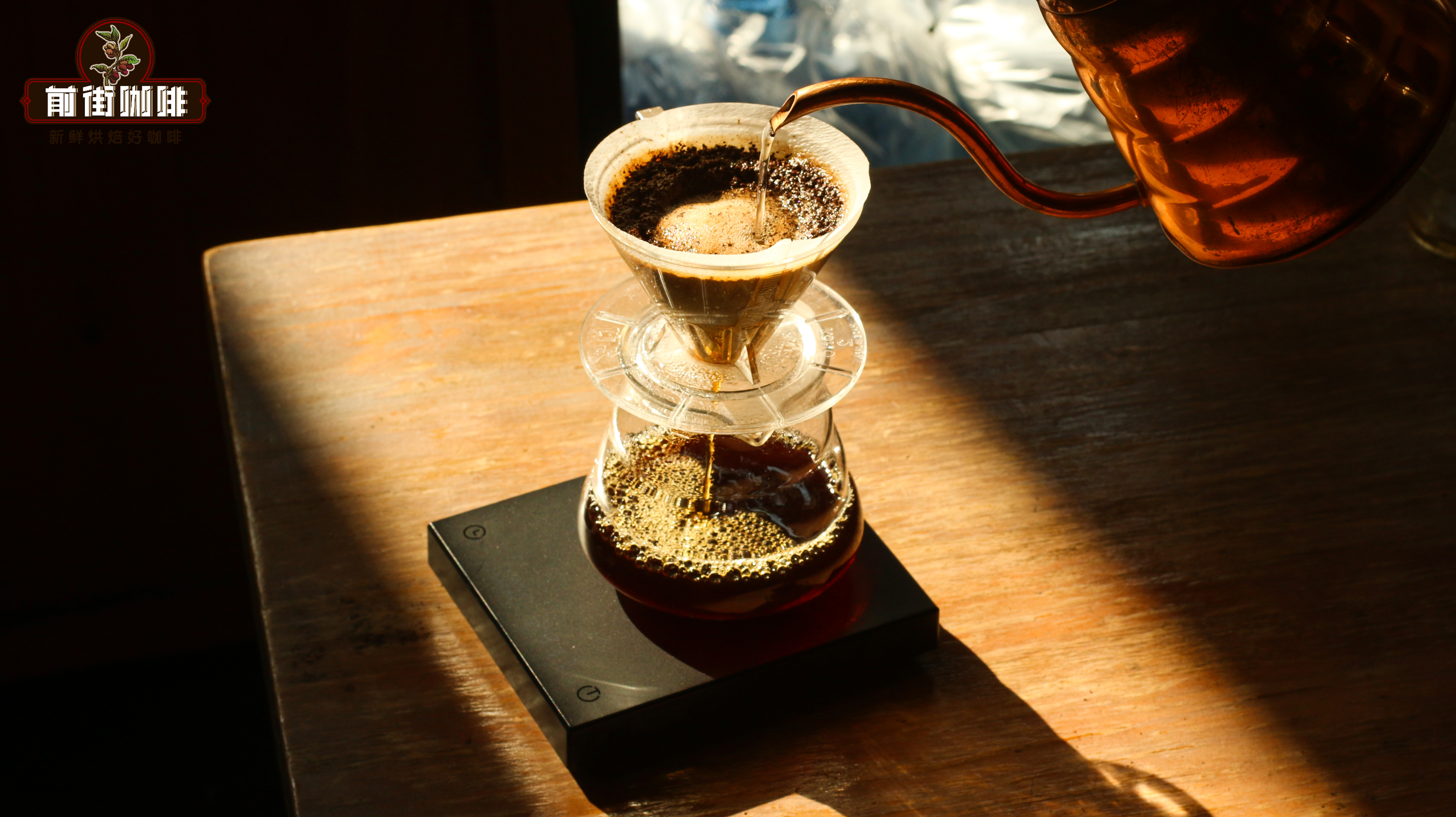
As autumn and winter arrive, the tapping becomes more frequent, especially when making pour-over. The drier weather makes grounds more prone to static from friction. Static electricity not only makes finer particles clump together and block extraction but also makes grounds stick to the container holding them. So baristas tap to knock loose the grounds that are clumped or stuck to the walls.

The darker the roast, the stronger the static attraction, and the more time and tapping it takes to free the grounds, which can indeed bother the people around you. So FrontStreet Coffee would like to offer a solution, one we mention often: RDT.

RDT, the Ross Droplet Technique, is a static-elimination method proposed by David Ross. It's quite simple. Since dryness causes the static that makes grounds clump and stick, we can solve the problem at its source. Spraying a tiny amount of water onto the beans before grinding removes the dryness and makes static far less likely. When doing this, use a tool that can mist the water so the amount stays controlled. Too much water hurts both the flavor of the beans and the burrs of the grinder, so the dose has to be minimal. If you'd rather not add water at all, you can place something soft where you tap, such as a cloth or a rubber mat on the table.
Reason 2: Eliminating Bubbles
The other reason baristas tap the table is milk that has been frothed poorly while making a hot milk coffee. When the technique is off or a mistake slips in during frothing, leaving plenty of large bubbles on the surface, most baristas tap the pitcher to "pop" them. This has a professional name: pitcher tapping.

Compared with other methods, pitcher tapping clears surface bubbles quickly, but it has a real downside. The tapping force is often strong, which accelerates the separation of foam and milk. If the milk isn't used immediately, the foam quickly loses its fluidity as it separates and becomes far less suitable for latte art.

Of course, it isn't only pitcher tapping. Pouring between pitchers, moving the foam from one pitcher into another, has a similar effect. It also clears bubbles, but it likewise speeds up the separation of milk and foam. Unlike tapping, though, it doesn't make much noise. So when you don't want to disturb others and don't mind the extra washing-up, pouring between pitchers is an excellent way to remove foam.
- END -
FrontStreet Coffee Recommendation
Grinding fresh is half the pleasure of pour-over, and FrontStreet Yirgacheffe Gedingding is a bean that rewards a clean, static-free grind. As a washed Ethiopian coffee, it is known for white jasmine, bright citrus and lemon acidity and a tea-like body, and its mild, balanced acidity makes it an easy first step into specialty coffee for anyone new to pour-over.
If you want a bolder, fruitier cup, try FrontStreet Ethiopia Huakui. Its tropical fruit aroma is extremely vivid, with strawberry, passion fruit, jackfruit and even lychee, and it is noticeably sweet with very little bitterness. Both beans behave well in a conical dripper, so a light RDT spray and a steady hand are all you need for a clean, flavorful brew.
Important Notice :
FrontStreet Coffee is a long-established specialty coffee roaster in Guangzhou China, selling freshly roasted beans from its own farm in Yunnan as well as dozens of carefully selected single-origin beans from around the world for both pour-over and espresso. The products deliver consistently excellent quality and great value, with shipping within 24 hours. Guangzhou's FrontStreet Coffee shop is recommended by many coffee lovers, and the beans are now available online at the Tmall 。
FrontStreet Coffee has moved to a new address:
FrontStreet Coffee Address: 315,Donghua East Road,GuangZhou
Tel:020 38364473
 Scan and follow the En Gafei WeChat official account. Please indicate that the reprint comes from "En Gafei".
The Correct Pour-Over Coffee Brewing Method! What Is the Core Concept of the Three-Stage Approach? How to Brew Coffee with Coffee Grounds? Is There Skill to Making Coffee?
