
Popular Wildlife Cafes in Korea to Close Completely! What Are the Hygiene Conditions of Pet Cafes?
According to South Korea's "Seoul News," the South Korean Ministry of Environment announced on January 13 that, to protect animal welfare - a principle meant to safeguard all animals, including farm animals, laboratory animals, companion animals, working animals, entertainment animals, and wildlife - it will completely ban the display of wildlife outside of zoos. That includes private venues such as the wildlife cafes that have become popular in South Korea in recent years.
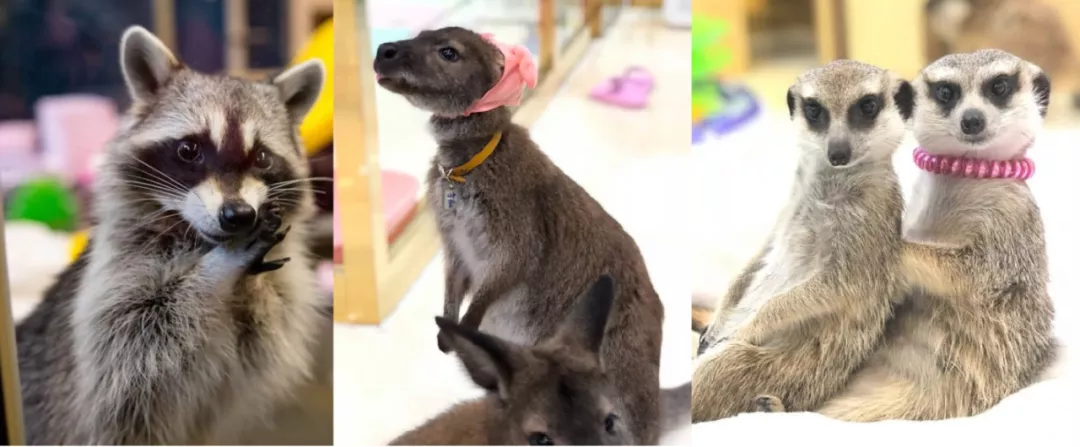
Reports say there are currently 159 wildlife cafes in South Korea, housing raccoons, meerkats, servals, owls, fennec foxes, amphibians, reptiles, and other animals. If the relevant legislation passes, these cafes will cease operations after a 3-4 year grace period, and the animals will be sent to South Korea's National Ecological Park, zoos, and other facilities for protection.
As cafes featuring ordinary domestic animals - cats, dogs, pigs, ducks - no longer satisfy consumers' appetite for novelty, special animal-themed cafes and restaurants have taken off in recent years across South Korea, Japan, China, Thailand, and elsewhere. Raccoons, hedgehogs, alpacas, owls, otters, and lizards have become the "employees" of these venues.
Negative Impacts on Animal Welfare
In these places, customers can watch and touch a range of small animals. From an ecological standpoint, however, such indoor environments have serious negative effects on the animals themselves. Confined long-term in small spaces with little room to move and nowhere to hide, the animals find it hard to escape persistent customers. They must endure rough handling by one visitor after another, and even their sleep is forcibly interrupted for the sake of business. Many develop serious physical and psychological problems, including obesity, malnutrition, sleep deprivation, irritability, and depression.
Hygiene and Safety Concerns
At the same time, because customers and animals share the same space, dining areas blend into animal living areas, and hygiene at some venues has drawn criticism. Many visitors report a strong animal odor, food and drinks that inevitably contain animal hair, and animals that jump onto tables during meals to snatch food. Most people who visit once do not come back a second time.
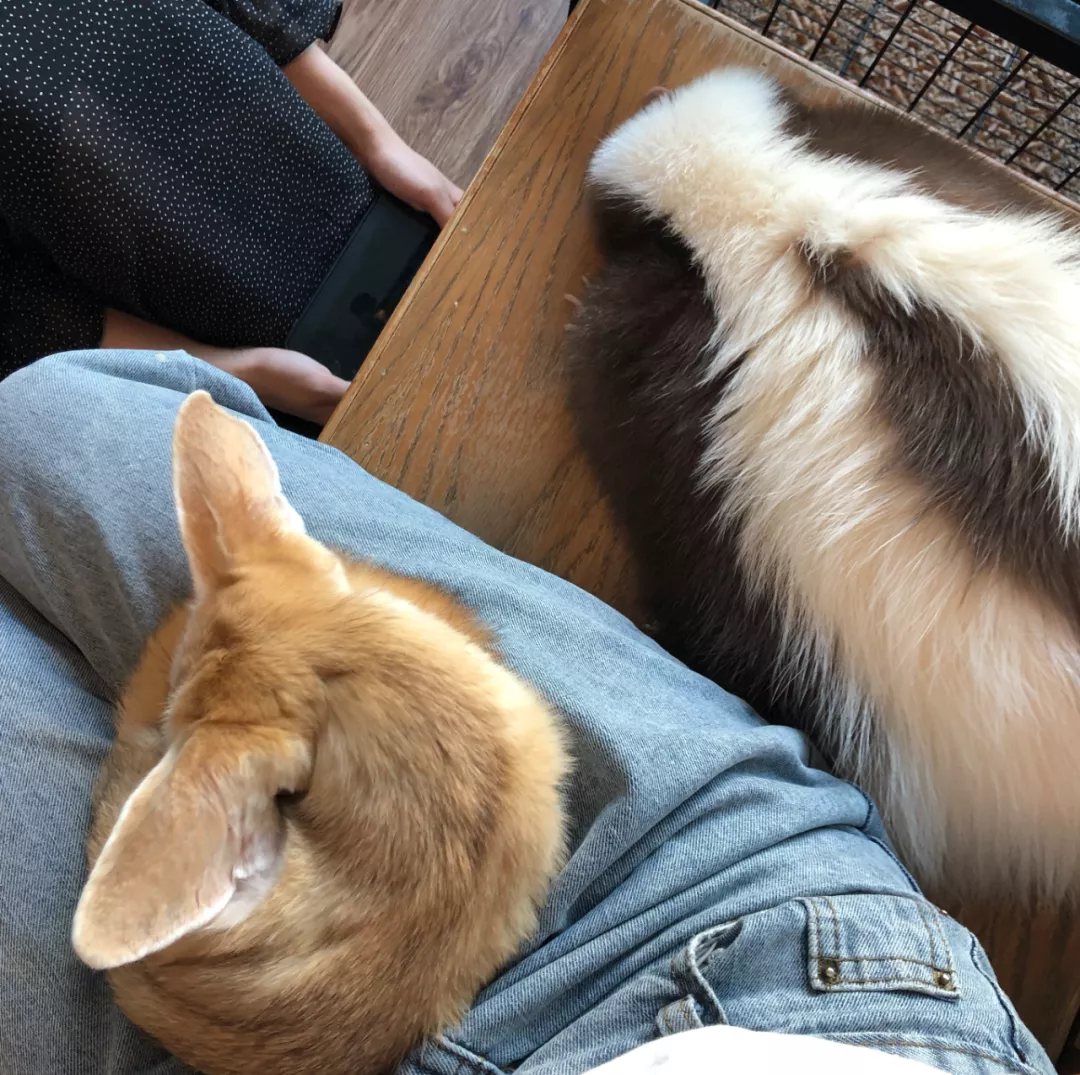
Beyond hygiene, many people overlook the natural traits and habits of these animals because they look so cute, and the venues fail to prohibit certain behaviors, leading to frequent incidents of animal attacks and injuries in animal restaurants. These animal "employees" also suffer neglect at the hands of their keepers, and in severe cases may even be abused.
Reported Abuse Cases
Taiwanese media previously reported that the owner of an animal cafe in Taipei was accused of abusing raccoons on the premises. Consumers complained to animal protection organizations that the owner hit the raccoons, and former employees provided video of the owner letting dogs attack them. When the video was released, netizens were outraged, and the comment section filled with angry voices. The owner later issued an apology, and the abused raccoons were taken in and cared for by the Taipei Animal Protection Office. Explaining the allegations, the owner said it was a misunderstanding caused by a lack of experience raising raccoons and unfamiliarity with their habits, and stated that they would not keep raccoons in the future.

Even beyond these exposed cases, simply confining wild animals to unnatural spaces is harmful to them. No matter how much effort goes into renovating a residential or commercial environment, it still cannot compare to a zoo, let alone to the animals' natural habitat.
Reflection on Consumer Responsibility
Beyond the problems with operators themselves, shouldn't consumers also reflect on their own behavior? If people did not go to these places, would there even be a market?
Image source: Internet.
FrontStreet Coffee Recommendation
If this story has you thinking about where your coffee comes from, FrontStreet Coffee's entry-level specialty lineup is a good place to begin. The washed Yirgacheffe Gedeb Cooperative is a classic representative of Ethiopia: jasmine florals, lemon-like acidity, and berry notes, with a light, elegant body and a tea-like finish. It is an easy, welcoming first step into single-origin coffee.
For something fruitier, FrontStreet Coffee's Sun-Dried Huakui from Hambella in Guji, Ethiopia, is fermented in its fruit before drying, giving pronounced tropical aromas of berry, jackfruit, melon, and honey on top of a floral backbone. It is one of the standout African coffees of recent years.
If you prefer a heavier, low-acidity cup, FrontStreet Coffee's Lindong Mandheling and PWN Golden Mandheling both use Sumatra's wet-hulled process, delivering herbal, spice, and dark-chocolate depth. The PWN Golden Mandheling, sorted once by machine and three times by hand, is the cleaner, sweeter option.
Important Notice :
FrontStreet Coffee is a long-established specialty coffee roaster in Guangzhou China, selling freshly roasted beans from its own farm in Yunnan as well as dozens of carefully selected single-origin beans from around the world for both pour-over and espresso. The products deliver consistently excellent quality and great value, with shipping within 24 hours. Guangzhou's FrontStreet Coffee shop is recommended by many coffee lovers, and the beans are now available online at the Tmall 。
FrontStreet Coffee has moved to a new address:
FrontStreet Coffee Address: 315,Donghua East Road,GuangZhou
Tel:020 38364473
 Scan and follow the En Gafei WeChat official account. Please indicate that the reprint comes from "En Gafei".

