A Comprehensive Guide to Coffee Bean Classification: Grading Systems and Quality Standards Across Coffee-Producing Countries
At FrontStreet Coffee, every batch of new beans we receive comes with information about every aspect of the coffee, including its country of origin, altitude, estate and processing method, and today's topic: coffee grading. For example, Kenya PB, Yirgacheffe G1; what do these grading letters actually mean? The fact is that coffee grading standards differ from one producing country and region to the next.
Coffee beans can be graded according to their quality through a grade designation or classification, but grading methods and standards may vary depending on the producing country or region, importers, exporters and other stakeholders. Coffee bean grades are generally determined by what is known as "screen size," the size of the beans.
Kilimanjaro
Classified by coffee bean size and weight, divided into nine grades in descending order: AA, A, B, AF, C, TT, F, PB, E.
(AF refers to lighter coffee beans within grade A and below)
(TT refers to lighter coffee beans selected from grade B)
(F refers to lighter coffee beans within AF and TT)
(PB refers to Peaberry coffee beans)
(E refers to Elephant beans)
Kenya
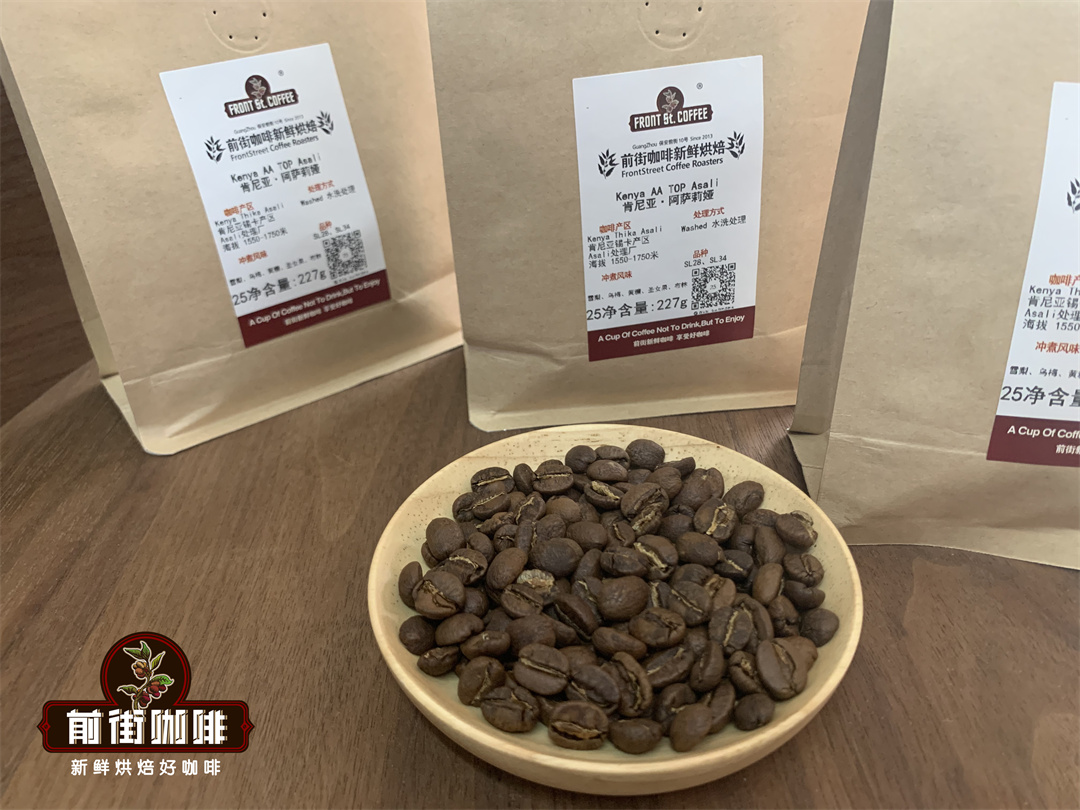
Classified by coffee bean size, weight and shape, divided into grades: PB, AA, AB, C, E, TT, T.
(PB refers to Peaberry coffee beans)
(TT refers to lighter coffee beans selected from all grades, including fragments of elephant beans)
(T refers to the smallest coffee beans, damaged coffee beans and immature coffee beans)
Mocha Harrah
Classified by the number of defective beans into eight grades: G1-G8, with G1 being the highest grade. Export standards require G5 or above, with 46-100 defective beans.
Mocha Sidamo
Classified by the number of defective beans into eight grades: G1-G8, with G1 being the highest grade. Export standards require G5 or above, with 46-100 defective beans.
Mocha Mattari
Has no formal grading standards.
Blue Mountain
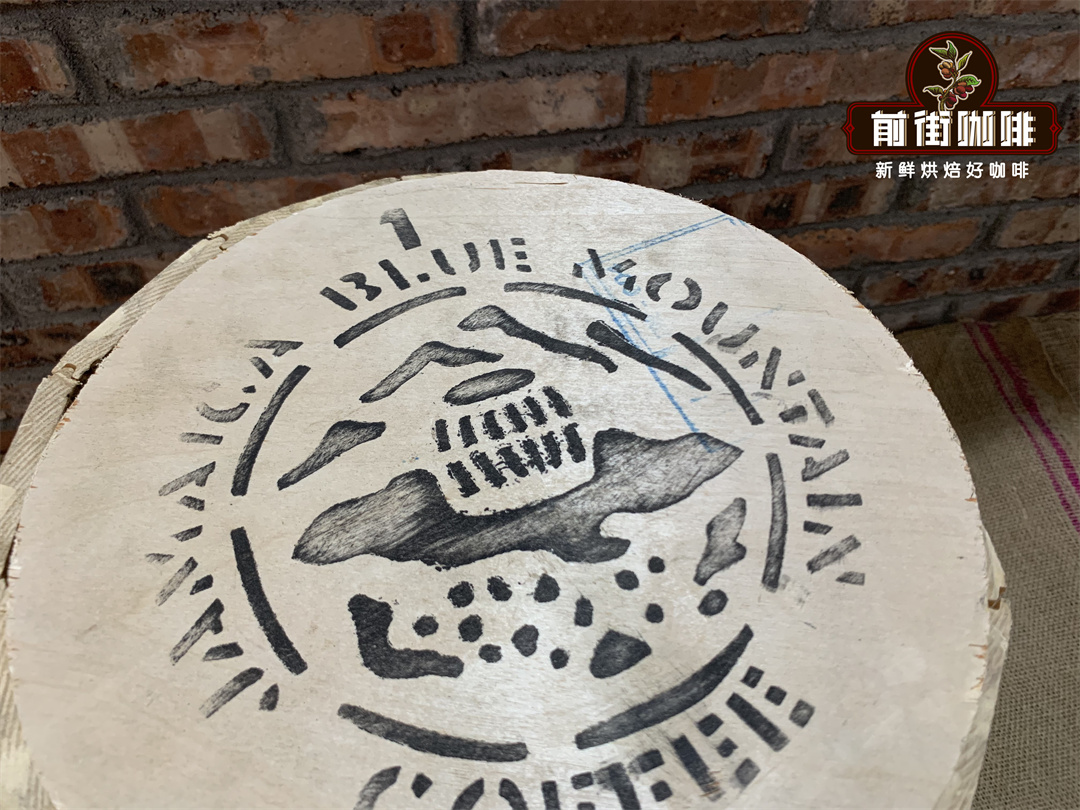
Classified by coffee bean size and number of defective beans, from high to low: Blue Mountain No.1, No.2, No.3, and Mixed Grade.
Puerto Rico
Has no formal grading standards.
Cuba
Among coffees produced in Cuba, CM (Crystal Mountain) is the highest grade. Classified by coffee bean size and number of defective beans, divided into three grades: ETL (Extra Special), TL (Medium Grade), AL (Ordinary).
Mexico
Classified by altitude of origin, from high to low: SHG, HG, PW, GW.
Guatemala
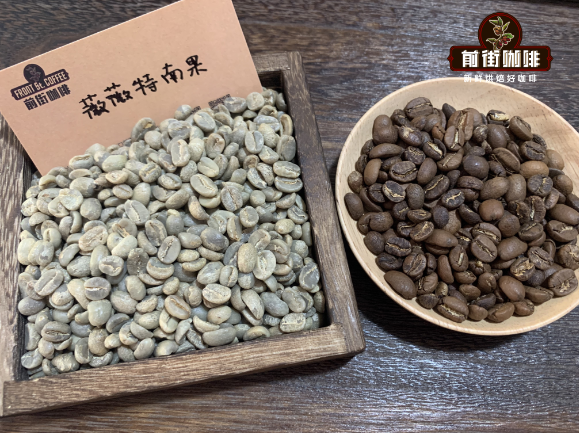
Classified by altitude of coffee origin, from high to low: SHB (Strictly Hard Bean), HB (Hard Bean), SH (Semi-Hard Bean), EPW (Extra Prime Washed), PW (Prime Washed), EGW (Extra Good Washed), GW (Good Washed).
El Salvador
Classified by altitude of coffee origin, from high to low: SHG, HG, CS.
Honduras
Classified by altitude of coffee origin, from high to low: SHG, HG, S.
Costa Rica
Classified by origin and altitude, divided into: SHB, GHB (Good Hard Bean), HB, MHB, HGA (High Grown Atlantic), MGA (Medium Grown Atlantic), LGA (Low Grown Atlantic).
Brazil
Classified by number of defective beans from high to low: No.2-No.8. Classified by coffee bean size into 10 stages. Further classified by cupping into: Strictly Soft, Soft, Softish, Hard (astringent), Rioy (mild iodine flavor), Rio (iodine flavor), Rio Zone (strong iodine flavor), with more detailed taste grade divisions.
Colombia
Classified by coffee bean size and number of defective beans, from high to low: Supremo and Excelso. "Emerald Mountain" is a designation given by the Colombian Coffee Growers Federation to the top 1% of all Colombian coffee beans.
Peru
Classified by defective bean sorting method, from high to low: ESHP (Electronic Sorted & Hand Picked), ES (Electronic Sorted), MCM (Machine Cleaned Mejorad), MC (Machine Cleaned).
Mandheling
Classified by number of defective beans, from high to low: G1, G2, G3, G4, G5, G6. Usually accompanied by origin names such as Toba, Medan, etc.
Java Robusta
Washed coffee beans are marked with WIB. Classified by impurity content, from high to low: grades 1, 2, 3. Unwashed coffee beans are marked as OBI.
Vietnam Robusta
Classified by number of defective beans, from high to low: G1, G2, G3.
India
Classified by coffee bean size, from high to low: A, B, C, PB.
Hawaii Kona
Classified by number of defective beans, from high to low: EXF (Extra Fancy), F (Fancy) No.1, PB.
FrontStreet Coffee Recommendation
Ethiopia is the clearest place to see grading in action, because its G1-G8 system is based on defect count rather than bean size, and a G1 lot means fewer than a handful of defects in a 300-gram sample. That standard is exactly why FrontStreet's Ethiopian lineup is worth reading label by label. FrontStreet Coffee Washed Yirgacheffe, the everyday washed Yirgacheffe that most drinkers meet first, is the easy entry into the grade system: white jasmine, bright citrus and lemon acidity and a tea-like body, at a price that makes it a daily coffee.
Yirgacheffe itself is a small town in the Sidama zone of southern Ethiopia at roughly 1700-2100 meters, with the trees planted above 1800 meters. Its white florals and lemon-citrus acidity are so recognizable that the town's name became shorthand for a whole style of Ethiopian specialty coffee. For a traceable single lot at the same grade, FrontStreet Coffee Gedingding Cooperative comes from the Gedeb area at the southeastern edge of Yirgacheffe, originally part of the Woka cooperative under the YCFCU union and later separated out in the same pursuit of traceability. Processed in the most traditional washed way, it carries no bitter tonality, only clear, bright citrus and lemon acidity and jasmine fragrance.
Read the grade, then read the origin, the altitude and the process. That is the habit this article is meant to build, and it holds true whether the letters on the bag are G1, AA, SHB or No.1.
Important Notice :
FrontStreet Coffee is a long-established specialty coffee roaster in Guangzhou China, selling freshly roasted beans from its own farm in Yunnan as well as dozens of carefully selected single-origin beans from around the world for both pour-over and espresso. The products deliver consistently excellent quality and great value, with shipping within 24 hours. Guangzhou's FrontStreet Coffee shop is recommended by many coffee lovers, and the beans are now available online at the Tmall 。
FrontStreet Coffee has moved to a new address:
FrontStreet Coffee Address: 315,Donghua East Road,GuangZhou
Tel:020 38364473
 Scan and follow the En Gafei WeChat official account. Please indicate that the reprint comes from "En Gafei".