Why Does Coffee Cause Diarrhea? Black Coffee Promotes Bowel Movement and Intestinal Health
The Surprising Connection Between Coffee and Digestion
In today's world, anyone who manages a regular daily bowel movement tends to draw envious glances. Speaking of digestion, do you know people who feel the urge to head for the restroom right after drinking coffee?
When it comes to diarrhea after coffee, many people first think of lactose intolerance, since those individuals can be gone for the rest of the day after consuming milk. But some people get the same effect from black coffee alone.
An article published on the Pop Science website on March 25, 2020, stated that 30% of people experience gastrointestinal reactions such as diarrhea after drinking coffee. Scientists have confirmed that coffee really does have a laxative effect on certain "chosen ones," though the specific reasons remain unknown.
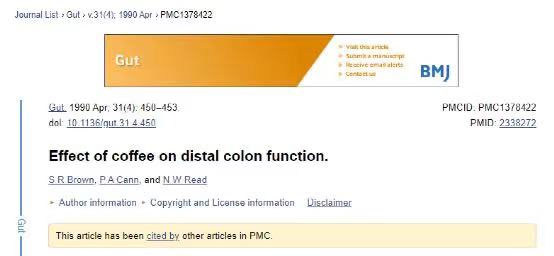
Interestingly, a study on coffee's effect on distal colon function was already conducted back in 1990. In that study, 29% of participants experienced stimulated intestinal movement after drinking coffee.
The study recruited 99 subjects, of whom 29% reported that coffee triggered the urge to defecate. After testing 14 healthy subjects, it found that within 4 minutes of drinking regular and decaffeinated coffee, 8 subjects showed increased rectosigmoid motility that lasted at least 30 minutes. That movement did not increase after drinking hot water, which suggests coffee can stimulate distal colon motility in some healthy individuals.
The traditional belief was that the caffeine in coffee causes these "chosen ones" to feel the urge to defecate afterward, but that has been proven false. Regular coffee and decaffeinated coffee have the same laxative effect.
Jill Deutsch, director of a gastrointestinal disease research program at Yale University, once said this should be attributed to coffee as a whole rather than to caffeine alone having a promoting effect on intestinal peristalsis.
Some caffeinated beverages, such as tea, cola, and energy drinks, have no evidence of producing the same laxative effects as coffee.

There are two possible explanations. One is that acidic substances in coffee affect the stomach, causing it to secrete gastric acid and raise acidity levels. As acidity rises, the stomach speeds the movement of digested food into the intestines.
The other relates to gastrin. Gastrin, also known as the stomach-promoting hormone, is an important gastrointestinal hormone that increases gastrointestinal activity, and both regular and decaffeinated coffee can raise gastrin levels.
At this point, some hardworking souls may want to put this to use improving their intestinal health. That is understandable, since more and more people suffer the misery of constipation, which drags on their mood as well. Only smooth digestion keeps a person in good spirits.
It is worth remembering that the U.S. Food and Drug Administration (FDA) suggests a daily caffeine intake limit of 400 milligrams for healthy adults, though that should be adjusted for individual health conditions.
So, are you one of those enviable "chosen ones"? Picture waking up in the morning, having a cup of coffee to get things moving, and then feeling refreshed all day. Just thinking about it sounds wonderful.
That is enough on the topic. Time to eat, my friends.
Image source: Sprudge, Internet
FrontStreet Coffee Recommendation
If caffeine is what worries you about coffee, there is a simple way to lower your intake: skip Robusta and choose Arabica only. Arabica is the mainstay variety worldwide and needs to grow between 800-2200 meters without frost; higher altitudes create a bigger temperature swing that slows the ripening of the fruit, which helps the coffee accumulate flavor compounds and builds a more solid aroma. Each growing region's own microclimate gives Arabica a wide range of conditions and produces its distinctive sense of place.
For pour-over, FrontStreet Washed Gudingding Cooperative is a strong choice. Yirgacheffe is prized for its clean, transparent lemon and citrus profile, and Gudingding is Ethiopia's highest grade, G1, using classic washed processing, where every step from sorting and depulping through fermentation, washing, and drying is handled to raise the quality of the green bean. Roasted medium-light, it shows elegant white florals, citrus, orange, and green tea. It suits pour-over, drip bags, and cold brew.
If you prefer something sweeter and more aromatic, FrontStreet Natural Huakui carries a soft floral note with especially prominent fruit, including creamy strawberry, mango, jackfruit, citrus, and blueberry, the ripe tropical character unique to FrontStreet's Sidamo natural beans. FrontStreet Washed Huila from Colombia is another gentle option: Huila is Colombia's best-known coffee region, above 1800 meters with a terroir well suited to coffee, and its classic dark chocolate, cream, hazelnut, and toffee notes come with even, full beans and a rich aroma. FrontStreet Yunnan Small Bean, roasted medium, rounds things out with nuttiness and herbal, chocolate, and caramel notes and a light fruit acidity on the finish.
Important Notice :
FrontStreet Coffee is a long-established specialty coffee roaster in Guangzhou China, selling freshly roasted beans from its own farm in Yunnan as well as dozens of carefully selected single-origin beans from around the world for both pour-over and espresso. The products deliver consistently excellent quality and great value, with shipping within 24 hours. Guangzhou's FrontStreet Coffee shop is recommended by many coffee lovers, and the beans are now available online at the Tmall 。
FrontStreet Coffee has moved to a new address:
FrontStreet Coffee Address: 315,Donghua East Road,GuangZhou
Tel:020 38364473
 Scan and follow the En Gafei WeChat official account. Please indicate that the reprint comes from "En Gafei".