What Does Jamaica Blue Mountain Coffee Taste Like Does Blue Mountain No.1 Have Mint Flavor Can It Be Brewed
Professional coffee knowledge, shared for everyone who loves a great cup. Here is everything you need to know about one of the most legendary coffees in the world.
FrontStreet Coffee Jamaica Blue Mountain No. 1 Coffee
The Temple of Coffee
Blue Mountain sits in eastern Jamaica, and its No. 1 grade represents the very top of Jamaica's coffee classification system. The plantations are concentrated on mountainsides above 5,000 feet in altitude. Abundant rainfall, rich volcanic soil, and a rare microclimate wrapped in mountain mist all year round have kept Blue Mountain production small-scale and largely manual for centuries, from cultivation through harvesting to processing. That uncompromising attention to every detail is what gives FrontStreet Coffee's Jamaica Blue Mountain its enchantingly beautiful cup, and it is what earned Jamaica Blue Mountain its temple-like, noble standing in the coffee world.
FrontStreet Coffee's Blue Mountain Coffee Flavor Description
FrontStreet Coffee's Jamaica Blue Mountain No. 1, processed at Japan's Blue Mahoe facility, gives off an aroma that is complex yet remarkably elegant. At first sniff you pick up sweet rose-like florals and bright fruit, followed by layered notes of nuts, beans, wood, and creamy toast. The texture is silky and delicate, unfolding with an incredibly melodious, harmonious rhythm — like a string symphony in a cup.
FrontStreet Coffee · Jamaica Blue Mountain No. 1
Variety: Typica
Altitude: 1800m
Coffee Bean Origin: Jamaica
Roast Level: Medium-Light Roast
Flavor: Woody, clove spice, vanilla, blackcurrant, creamy, toast, almond, tobacco
Knowledge Point
The Jamaica Coffee Industry Board samples every batch of coffee produced. After roasting and grinding the sample, three cups are brewed, and senior tasters evaluate them following a set procedure. Only when two or more of the three cups meet the standard is the Jamaica Blue Mountain certification awarded.
In Brief
FrontStreet Coffee is a coffee research center that genuinely enjoys sharing coffee knowledge. We hold nothing back, simply because we want more people to fall in love with coffee. Helping more friends drink great coffee has been our mission for the past 6 years!
FrontStreet Coffee Recommendation
If you want to understand why Blue Mountain commands such reverence, it helps to know what makes the genuine article so rare. Strictly speaking, only coffee grown in the designated Blue Mountain region of Jamaica and certified by the Jamaican authorities may be called Jamaica Blue Mountain Coffee. The entire region produces less than 2,500 tons a year — a tiny sliver of global coffee output — and historically Japan has purchased more than 70% of it, so very little actually reaches the rest of the world. Since 2003, certified Jamaica Blue Mountain green beans have been officially exported to the Chinese market, so today you can buy authenticated Blue Mountain through proper channels.
How do you tell real Blue Mountain from fake? Check the credentials first: authentic Blue Mountain comes with certification issued by the Jamaican government and proof of origin. Look for the traditional wooden barrels, too — genuine Blue Mountain is shipped in barrels of 15, 45, and 70 kg, each marked with detailed batch information about the green beans. The green beans themselves should be uniform, plump, slightly upturned at both ends, and green in color. Finally, trust your palate: true Blue Mountain is dense, clean, and quietly fragrant, with absolutely no off-flavors. Imitations simply cannot match that depth of aroma.
FrontStreet Coffee's Blue Mountain No. 1 comes from the historic Clifton Estate, where coffee has been grown since around 1750. The estate's growing and processing areas sit at an average of 4,300 feet (1,310.64 meters), where the altitude, gentle afternoon cloud cover, ample sunshine, and mineral-rich soil give the trees excellent growing conditions and extend the ripening of the coffee cherries. Our Blue Mountain is always freshly roasted within 5 days of shipping, so the beans are still at their flavor peak when they reach you.
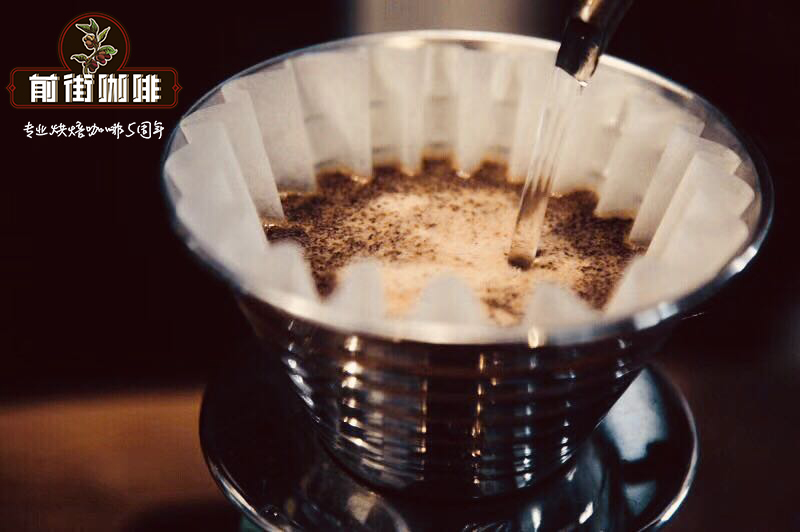
For brewing, FrontStreet recommends a Kono dripper, which brings out the coffee's full body. Use a standard single-serving dose of 15g, and rest the beans for 4-7 days (counting the roast date as day one) for the best flavor. Grind slightly coarser than you would for a light roast — roughly the texture of white granulated sugar. Brew with water at 87-88°C: water that is too hot is the most common cause of a bitter, scorched cup, while water that is too cool leaves the coffee flat.
Use a 1:15 coffee-to-water ratio. Some recipes call for 1:13 or even less for a stronger cup, but that approach is mainly a way to dodge bitterness in the tail end — at a cost to the finish. With the right temperature and grind, 1:15 best expresses the overall character of this coffee. Pour in three stages: first pour 30g of water to bloom for 30 seconds, then pour to 120g and pause, using a steady vertical stream in slow circles; finally pour to 225g, slightly faster, to keep fines from clogging the dripper and causing over-extraction. Expect a cup that is remarkably clean and gentle, with chocolate sweetness, a full body, and a perfectly balanced interplay of sweetness, acidity, and bitterness — plus a lingering fruity finish.
Important Notice :
FrontStreet Coffee is a long-established specialty coffee roaster in Guangzhou China, selling freshly roasted beans from its own farm in Yunnan as well as dozens of carefully selected single-origin beans from around the world for both pour-over and espresso. The products deliver consistently excellent quality and great value, with shipping within 24 hours. Guangzhou's FrontStreet Coffee shop is recommended by many coffee lovers, and the beans are now available online at the Tmall 。
FrontStreet Coffee has moved to a new address:
FrontStreet Coffee Address: 315,Donghua East Road,GuangZhou
Tel:020 38364473
 Scan and follow the En Gafei WeChat official account. Please indicate that the reprint comes from "En Gafei".