Where Do Arabica Coffee Beans Taste Best? Is Geisha an Arabica? Understanding Its Past and Present
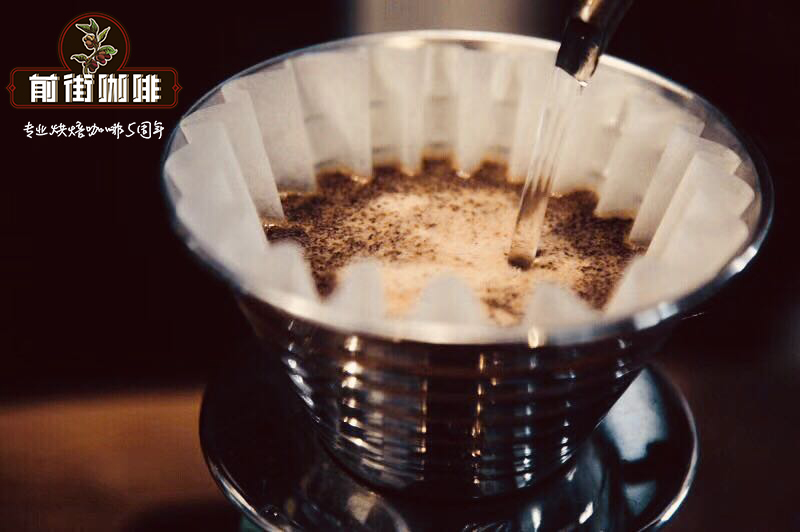
FrontStreet Coffee - Introduction to Geisha Coffee Bean Varieties
First of all, Geisha is a variety of coffee bean.
The earliest Geisha seeds were discovered in the Geisha forest of Ethiopia in 1931 and later sent to the Coffee Research Institute in Kenya. In 1936 they were introduced to Uganda and Tanzania, then in 1953 traveled across the ocean to Costa Rica, and afterward arrived at its neighbor — Panama. Through Hacienda La Esmeralda it was separated from other varieties and entered the National Coffee Competition, where it won first place and became famous overnight. From that moment on, one might add, Geisha was renowned worldwide.
Geisha has a full sweetness, an extremely clean taste, and rich aromas that run from berries and citrus to mango, papaya, and peach. A very distinct bergamot-like aftertaste is also typical of its cupping profile. To this day, Geisha remains the champion among coffee varieties. [Cupping evaluation] Moderate body, sweet, multi-layered tropical fruit flavors, a rose-like aroma, and a pleasant aftertaste.
The fuller story: in 1931, Geisha seeds were found in the Geisha forest in Ethiopia and sent to Kenya's premier Coffee Research Institute. In 1936, Geisha coffee was introduced to Uganda and Tanzania. In 1953, Costa Rica also began introducing it. Finally, in the 1970s, Mr. Francisco Serracin of the Tumba Seven Estate in Panama obtained seeds from CATIE in Costa Rica and began growing Geisha coffee. Because yields are extremely low and the coffee must be bought at auction, this bean can truly be called hard-won.
It is reported that Panama's national coffee competition later split into Geisha and non-Geisha groups, so that Geisha would not steal the spotlight from other varieties again. Geisha belongs to the Typica family, yet it became famous more than seventy years after leaving Ethiopia — confirming the saying that Ethiopia is a treasure trove of Arabica genetics. Simply sharing one variety abroad was enough to make waves in the coffee market.
For a long time before that, the recognition of premium coffee mostly followed Japan's lead. Then Geisha swept through the coffee world with hurricane-like force. This coffee revolution came with such overwhelming momentum that the long-reigning king and queen of the coffee kingdom — Jamaica Blue Mountain and Hawaii Kona — had to step aside.
Panama Geisha grows at altitudes from 1,500 to 1,650 meters. Its unique growing environment creates its distinctive flavor characteristics:
Geisha green coffee beans have a jade-like, warm texture and a very beautiful blue-green color. They smell of fresh grass, peach fragrance, and berry notes, with an oolong-tea milky sweetness that most coffee beans lack — though the faint tea aroma is intriguing too.
Knowledge point: as the most outstanding variety among numerous coffee cultivars, Geisha is very popular among coffee enthusiasts. Among them, washed-processed Geisha best highlights the flavor characteristics of Geisha itself.
FrontStreet Coffee Recommendation
Geisha's rise traces back to Esmeralda. In 2003 the estate's Geisha stunned the judges at Best of Panama with an average cupping score of 94.6, breaking the record and making the variety the most sought-after bean in the world. It stays rare and expensive because it yields little, resists disease poorly, and is demanding to cultivate. FrontStreet carries Esmeralda's Red Label — the Esmeralda Special, grown at 1,600-1,800 meters, where every lot is numbered and cups above 90, each from a single plot such as Jaramillo — alongside the estate's Green Label, sold as its Private Collection, which blends several high-altitude plots into a more affordable way to taste the same signature Geisha character. For a simpler entry point, FrontStreet usually suggests its Boquete Geisha from Panama, which delivers the classic orange-blossom-and-honey profile, an oolong-tea feel, and fine fruit acidity with clear layers.
From Ethiopia, the birthplace of the variety, FrontStreet offers Geisha Village: a 475-hectare estate set about 12 miles from the wild Geisha forest, growing three Geisha types — Gori Gesha, Geisha 1931, and Illubabor Forest — and grading them as Gold RARITIES (Geisha 1931, about 10% of production), Red GROWERS RESERVE (Gori Gesha, around 15%, scoring 88 or above on the SCA 100-point scale), Green SINGLE-TERROIR, and CHAKA. There is also Genlana Gesha from a single-variety estate in Yirgacheffe, a processing station founded in 2014 and run by Israel Degefa across 700 hectares; hand-picked ripe cherries are shade-dried on raised beds for 14-20 days, and the medium-light roast brings bright citrus acidity, an elegant ginger-flower aroma, and ripe-fruit sweetness with a delicate finish.
Because Geisha beans are dense and easy to clog a dripper, FrontStreet brews them carefully: 15g of coffee, a small Hario V60, and a 1:16 ratio. Grind to about fine-sugar size — roughly 78% passing a No. 20 standard sieve — and use water at 91°C. Pour in three stages: bloom with 30g of water for 30 seconds, then a slow circling pour to 125g, wait for the bed to drain halfway, then circle gently up to 225g, finishing the drawdown in about 2 minutes 10 seconds to 2 minutes 20 seconds. For espresso, the medium-roast Genlana Gesha SOE works beautifully — 20g in, a 1:2 ratio, 25 seconds, 40g out — for notes of dried apricot, caramel, and nuts; add 200g of hot water at 1:5 for an Americano with orange, nut, and blueberry flavors, or 200g of milk for a latte with a silky butter-cookie texture.
For a friendlier price, FrontStreet's Strawberry Candy pairs a Costa Rican honey-process coffee with Panama Geisha for delicate florals and sweet fruit, and it works in a pour-over, moka pot, or espresso machine. Its cold brew is especially refreshing: grind 30g to fine-sugar size (setting 9 on an EK43s, or 24 on a C40 hand grinder), add 360g of room-temperature water at a 1:12 ratio, stir, cover, and refrigerate for 8 hours. Filter out the grounds, reseal, and let it mature another 3 hours in the fridge for a cup of grape juice, rose, sweet orange, and fruit liqueur.
Important Notice :
FrontStreet Coffee is a long-established specialty coffee roaster in Guangzhou China, selling freshly roasted beans from its own farm in Yunnan as well as dozens of carefully selected single-origin beans from around the world for both pour-over and espresso. The products deliver consistently excellent quality and great value, with shipping within 24 hours. Guangzhou's FrontStreet Coffee shop is recommended by many coffee lovers, and the beans are now available online at the Tmall 。
FrontStreet Coffee has moved to a new address:
FrontStreet Coffee Address: 315,Donghua East Road,GuangZhou
Tel:020 38364473
 Scan and follow the En Gafei WeChat official account. Please indicate that the reprint comes from "En Gafei".