Is Ethiopian Harrar Mocha Coffee Delicious? Introduction to Harrar Coffee Region Information
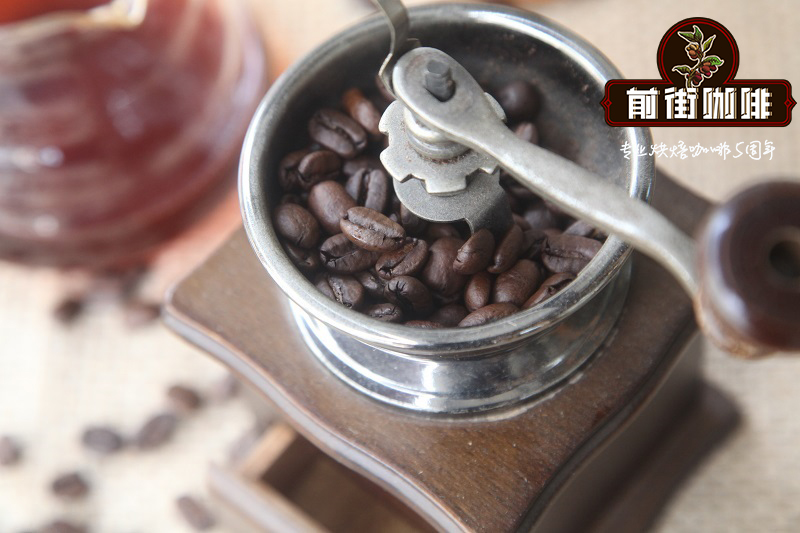
The Birthplace of Coffee
Ethiopia is the birthplace of coffee. Long ago there was a town called Kafa in southern Ethiopia where red berries grew. Shepherds discovered that after eating those berries their sheep became unusually excited, so they picked the berries and tasted them too. Monks at the local monastery gathered the berries and boiled them as a stimulant for night prayers, calling them "Kafa." Later the berries spread around the world and became known as "coffee." The legends of how coffee cultivation and coffee culture spread across the globe have become one of the greatest and most romantic stories in history. Since the shepherds of the Ethiopian desert discovered what people called "devil beans," people began trying to chew coffee beans and brew coffee with water. The trend started in Ethiopia and traveled to Arabia, quickly captivating everyone and becoming a beverage enjoyed worldwide. To this day, whenever coffee comes up, Ethiopians say with pride: "Coffee is our gift to the world."
Ethiopian Harar Mocha
Ethiopian coffee is known as "wild coffee," and a cup of it delivers an original experience hard to find elsewhere. Ethiopia has unique natural conditions suitable for growing every coffee variety imaginable. Among the most famous is Ethiopian Harar, which has a mixed flavor, a rich taste, moderate or light acidity, and — most notably — one of the lowest caffeine contents, at approximately 1.13%. It is also a very special coffee with an aggressive flavor profile that is always ready to conquer your taste buds, leaving an unforgettable impression.
Coffee Growing Regions
Most Ethiopian coffee is grown on highland plateaus, with the major growing regions including Djimmah, Gimbi, Yirgacheffe, Sidamo, and Harar. The soil conditions, climate, and altitudes in these areas create an ideal environment for coffee. Among them, the Black Mountain region of Harar remains the only place in the world with truly wild coffee, and that wild coffee is auctioned in London every year.
Tasting Profile
When you first taste Ethiopian coffee, you notice a mellow aroma with a faint wine fragrance. Take a small sip and the rich flavor immediately refreshes you. This is typical mocha coffee with medium-strong acidity. In summary, Ethiopian coffee has a wild character and a rich wine-fermentation flavor. It is no exaggeration to call it one of the world's best coffees, though it lacks brand recognition and often comes in simple packaging, so it remains unknown to many.
The Primitive Charm of Harar
Harar is a historically significant ancient city and one of the four holy cities of Islam. It was once the capital of Ethiopia. In an era when transportation was underdeveloped and horses were the primary means of travel, high-quality purebred horses became something people pursued and longed for. At that time Ethiopian Harar had the world's best Arabian purebred horses, and the local classification of coffee grades began with the idea that "quality coffee is as important as purebred horses." That is why horse pictures still appear on Harar coffee bags today. The appearance and taste of Harar coffee itself reveal it as a high-grade variety.
Ethiopia is the world's earliest coffee-growing country and maintains the most ancient coffee culture. To this day, coffee is typically still grown by small family farms that keep to very traditional, ancient cultivation techniques and methods. They absolutely do not use pesticides or other chemical fertilizers, which makes Ethiopian coffee — like Yemeni Mocha — the best choice for anyone who favors natural products.
As early as the 6th century, Ethiopians began chewing coffee together with spices. The most common practice was for hunters to wrap coffee in cured meat as the best dry rations, which both satisfied hunger and provided energy for hunting. Chewing coffee thus became a tradition passed down in Ethiopia. By the mid-13th century, Ethiopia was already using frying pans as coffee-roasting tools, leading the development of coffee culture.
Growing Conditions and Characteristics
Harar coffee grows in areas ranging from the Darolebu plains at 900 meters altitude to the Chercher mountain ranges of Ethiopia's eastern highlands at 2,700 meters. These mountains give these perennially grown beans their unique characteristics: full, elongated fruit, moderate acidity, and a typical refreshing mocha flavor. Harar is among the world's leading premium coffees; although it is produced far away, it feels familiar, with a smooth, sweet texture that delivers the rich mouthfeel of true mocha coffee.
Near the eastern ancient capital of Harrar, at altitudes around 2,000 meters, mocha-Harrar is still produced using traditional drying methods. Harrar has a medium body with rich, fruity, wine-like flavors, and a good Harrar's wildness is comparable to the best Yemen Mocha. Other dried beans from regions such as Gimbi, Jima, and Sidamo are similarly wild and wine-like but less rich, with a somewhat rougher texture. The washed mocha from western Gimbi has the same wine acidity as Harrar but comes across richer and more balanced, with a heavier body. Washed beans from the south, such as Sidamo and Jima, retain less wine acidity, replaced by gentler, more delicate lemon and floral flavors. The exceptional variety among these comes from a higher, narrower area of Sidamo called Yirgacheffe. Its rich flavors brush across the palate and leave an endless aftertaste, while its slightly weaker acidity moves beneath a rich texture, similar to Sumatran coffee; on top of that it adds a unique soft floral fragrance, truly earning its reputation as a coffee without equal.
Ethiopia, in East Africa, takes its name from ancient Greek meaning "land inhabited by sun-burned people." Its unique cultural traditions, spectacular landscapes, pleasant climate, rich flora and fauna, important historical sites, and hospitable people make it one of Africa's major tourist destinations. Ethiopia grows coffee across different climate zones, and more than 140 farms produce fresh coffee year-round. Quality varies with altitude and the ecology of each area. Harar coffee from the southeastern highlands is typical mocha coffee with a rich aroma and a strong flavor; coffee from southwestern Wollega has intense fruit flavors; Limu coffee carries wine and spice aromas; Sidamo coffee is mild with a rich aroma and fruity acidity; and Yirgacheffe features floral notes. Taste Yirgacheffe and the chocolate and acidity are more intense, soaring like lemon and carrying intoxicating floral aromas.
Ethiopia's natural conditions suit every coffee variety imaginable. Ethiopian coffee beans are highland crops, grown mainly between 1,100 and 2,300 meters above sea level and distributed largely across southern Ethiopia, with the finest lots sitting on plateaus above 2,000 meters. Deep, well-drained soils, weakly acidic soils, red soils, and soft loam-containing land all suit coffee because they are nutrient-rich with a sufficient supply of humus. Rainfall is evenly distributed across a 7-month rainy season; through the plant's growth cycle, fruit develops from flowering to ripening, crops receive 900-2,700 mm annually, and temperatures fluctuate between 15°C and 24°C throughout the growing period.
The majority of production — 95% — is completed by smallholders, with an average yield of 561 kilograms per hectare. For centuries, smallholder Ethiopian farms have produced a wide range of high-quality coffee types. The secret to that quality is that farming households have developed a coffee culture suited to their environment through generations of learning the cultivation process, which mainly involves farming with natural fertilizers, selecting the reddest and fully ripe fruit, and processing fruit in clean environments. Differences in Ethiopian coffee quality, natural characteristics, and varieties stem from variations in altitude, region, location, and even soil type. The uniqueness of Ethiopian beans is attributed to their natural characteristics, including bean size, shape, acidity, quality, flavor, and aroma. These give Ethiopian coffee its distinctive natural quality and typically make Ethiopia a "coffee supermarket" where buyers can pick the variety they prefer.
Ethiopia's total annual coffee production ranges from 200,000 to 250,000 tons. Today Ethiopia is one of the world's largest coffee-producing countries, ranking 14th globally and 4th in Africa. Ethiopia now produces coffee not only for its own consumption but to give coffee lovers worldwide better enjoyment. As industry quality improves and production efficiency rises, Ethiopia can now supply high-quality coffee to even the most discerning customers. Ethiopia hopes coffee drinkers everywhere can share in this precious wealth.
Product Information
Product Name: Ethiopia Harar Mokha
Quality Grade: DP Grade 4
Roast Level: medium roast or City roast recommended
Grade: Excellent
Bean Size: Full
Acidity: slightly acidic with a dark chocolate aftertaste
Balance: very stable
Flavor: very unique, with a delicate and rich texture, fruity flavors, and wild wine-like aromas
Coffee Region: Chercher mountain region of the eastern highlands, east of the Darolebu plains
Green Bean Processing: natural sun-drying
FrontStreet Coffee is a roastery in Guangzhou with a small shop but a wide range of beans, covering famous and lesser-known origins alike, and it also offers online services. https://shop104210103.taobao.com
FrontStreet Coffee Recommendation
Harar sits at the wild, wine-like end of the Ethiopian spectrum, and if that style appeals to you, the Yirgacheffe side of the same country is the natural next step. FrontStreet Coffee's washed Yirgacheffe daily-drinker is the classic introduction: Yirgacheffe is a town in the Sidamo zone of southern Ethiopia at roughly 1,700-2,100 meters, with coffee planted above 1,800 meters, making it one of the highest coffee regions in the world, and the washed lots are known for white jasmine, bright citrus and lemon acidity, and a tea-like body — a friendly price makes it many drinkers' first specialty coffee. For something more refined, the washed Gotiti cooperative coffee comes from the Gotiti village in the Worka area at the southeastern edge of Yirgacheffe, an Ethiopian lot processed in the traditional washed way, and its cup shows jasmine florals, citrus and lemon acidity, green tea, and honey. If you prefer the fruit-forward, wine-adjacent character that Harar is famous for, the natural Red Cherry is made from fully ripe, defect-free cherries only: they are dried whole on raised beds for three to five weeks, with the fruit turned every two to three hours during the first days to prevent uneven heating and over-fermentation, and the cup shows citrus acidity, berry-juice depth, honey sweetness, and a creamy smoothness.
For these Ethiopian lots, start with a V60 at 90-91°C, 15g of coffee at a 1:15 ratio, and a grind around fine sugar — roughly 80% passing a standard #20 mesh. Bloom with 30g of water for 30 seconds, pour to about 125g over the next minute, then add the remaining 100g once the water level has dropped to about two-thirds of the bed, finishing the pour near 1:35 and letting the brew drip out by 2:00-2:10. Keeping the pour unhurried is what lets the floral top notes survive all the way into the cup.
Important Notice :
FrontStreet Coffee is a long-established specialty coffee roaster in Guangzhou China, selling freshly roasted beans from its own farm in Yunnan as well as dozens of carefully selected single-origin beans from around the world for both pour-over and espresso. The products deliver consistently excellent quality and great value, with shipping within 24 hours. Guangzhou's FrontStreet Coffee shop is recommended by many coffee lovers, and the beans are now available online at the Tmall 。
FrontStreet Coffee has moved to a new address:
FrontStreet Coffee Address: 315,Donghua East Road,GuangZhou
Tel:020 38364473
 Scan and follow the En Gafei WeChat official account. Please indicate that the reprint comes from "En Gafei".