What are the Characteristics, Flavor, and Taste Profile of Typica Coffee? Are Typica Coffee Beans Bitter?
Typica, recognized as an ancient and excellent coffee variety in the coffee world, has given rise to many famous beans we know today — Jamaican Blue Mountain, Sumatran Mandheling, and Hawaiian Kona among them. So what makes this "old variety" so special?
Characteristics of Typica Variety Coffee
With its mellow aroma, Typica remains a high-quality variety cultivated worldwide today, and Jamaican Blue Mountain is its most renowned offspring. Producing Typica beans with elegant, pure flavors is no simple task: every step, from natural terroir conditions and plant management to fruit harvesting and post-processing, must be fully guaranteed before the beans can develop positive flavors and textures. That means high-quality Typica demands real investment in labor and technical expertise — which is exactly why Blue Mountain and Kona are so precious.
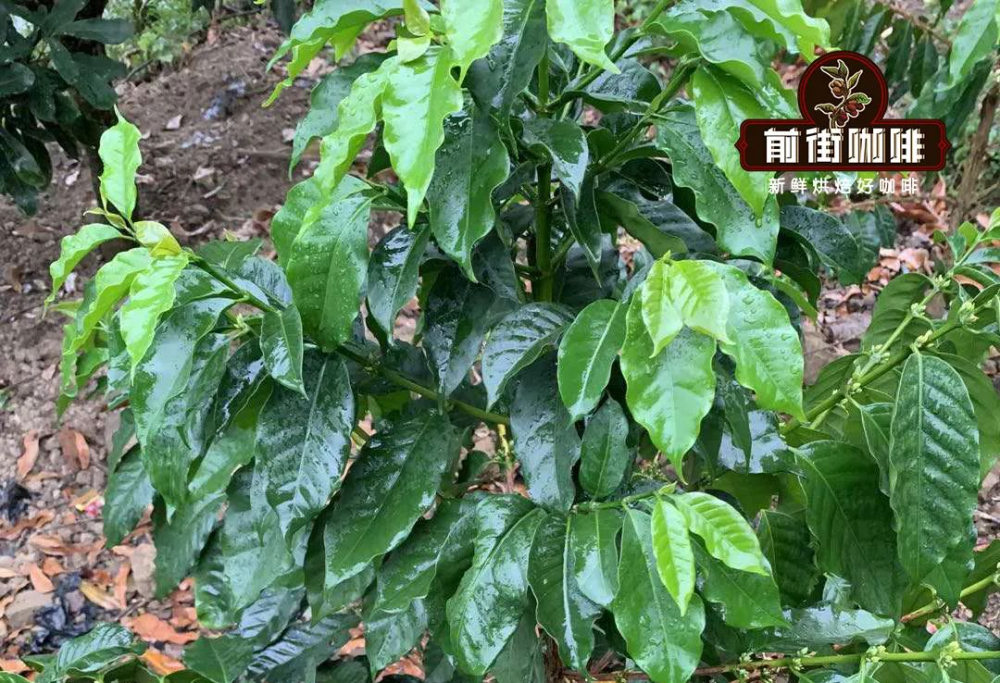
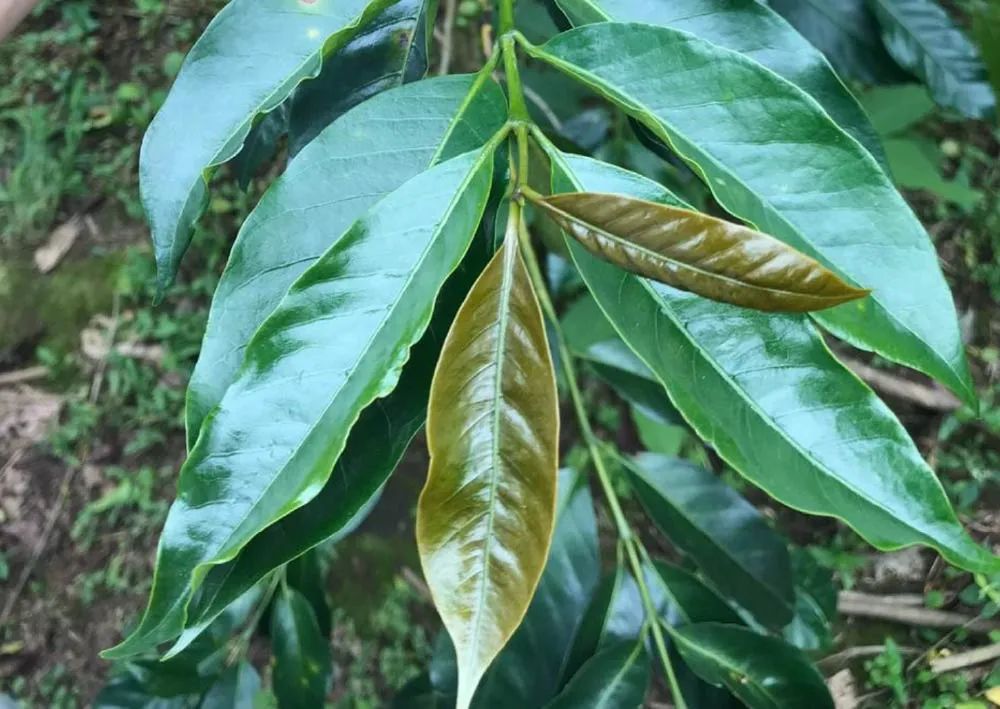
Typica's most distinctive trait is that its top leaves show a reddish-bronze color, earning it the nickname "Red Top Coffee." The trees are conical with slightly inclined branches, the laterals forming 50-70° angles with the vertical stem; the trunk is slender and the branches thin. Because of their height and long branches, Typica plants need generous spacing when cultivated. There is a Typica tree planted right beside FrontStreet Coffee's Dongshankou store — take note of it next time you visit.
Typica beans are relatively large, elongated, and pointed at both ends, somewhat egg-shaped. After roasting they tend to show citrus acidity with barely any bitterness and a sweet aftertaste; overall clarity is high, and many drinkers praise their elegant, clean flavor.
The catch: Typica has very poor disease resistance, struggling against common diseases like leaf rust and coffee berry disease, and its yield is extremely scarce. Leaf rust is the most devastating of all — first appearing in the Lake Victoria coffee-growing region of East Africa in 1861, then breaking out in Bahia, Brazil, in 1970, after which every coffee-producing region worldwide gradually reported cases. A tree infected with leaf rust effectively has an incurable disease, eventually withering and dying. As an economic crop, Typica's low yield and susceptibility make profitability nearly impossible, which is why so many growers have abandoned it for hardier varieties.
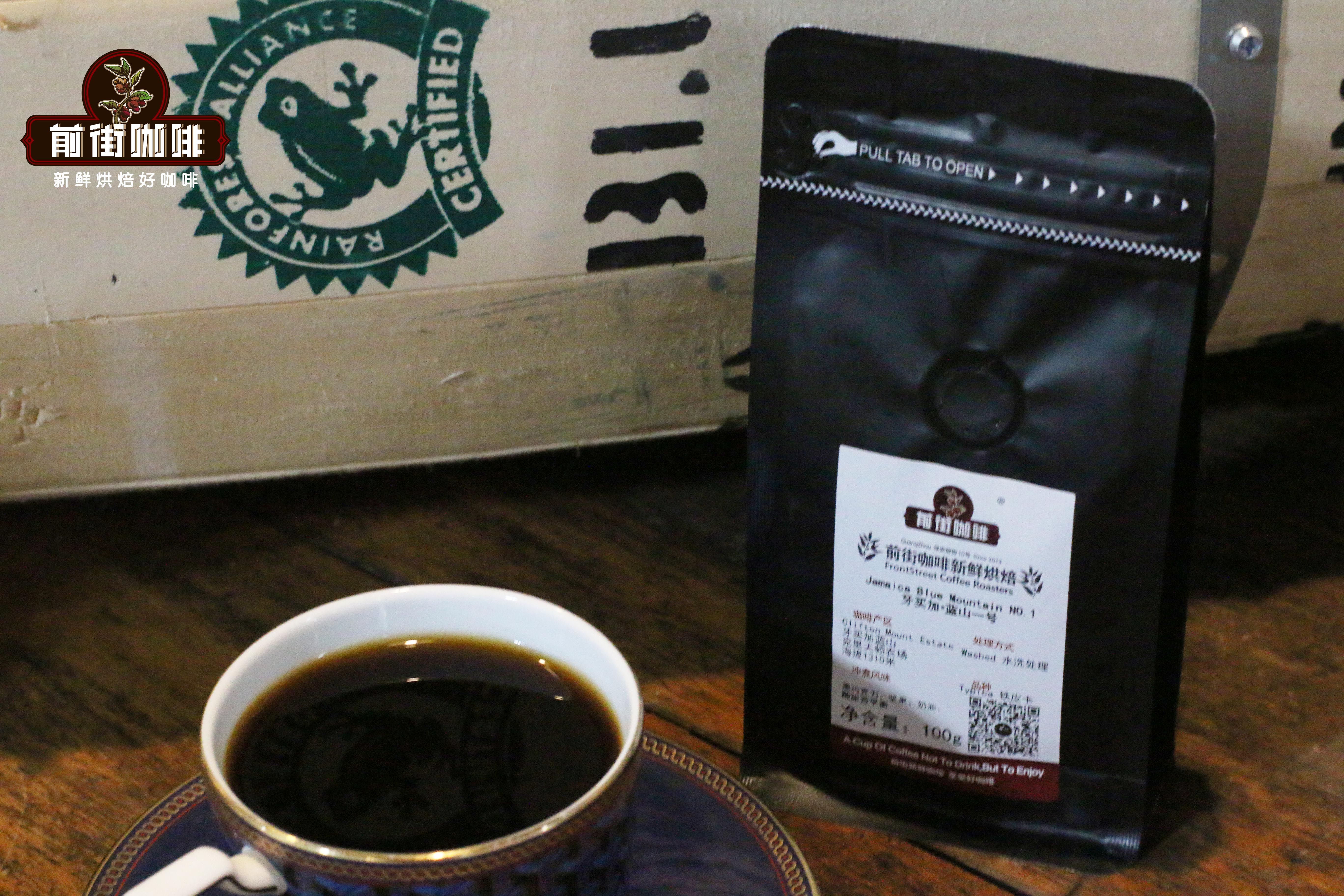
On FrontStreet Coffee's regular bean menu there are three Typica lots: Jamaican Blue Mountain No. 1 Coffee Beans, FrontStreet Coffee 2013 Natural Process Typica Coffee Beans, and Papua New Guinea Bird of Paradise Coffee Beans. Grown in different terroirs and processed in different ways, Typica shows genuinely different flavors and textures in each.
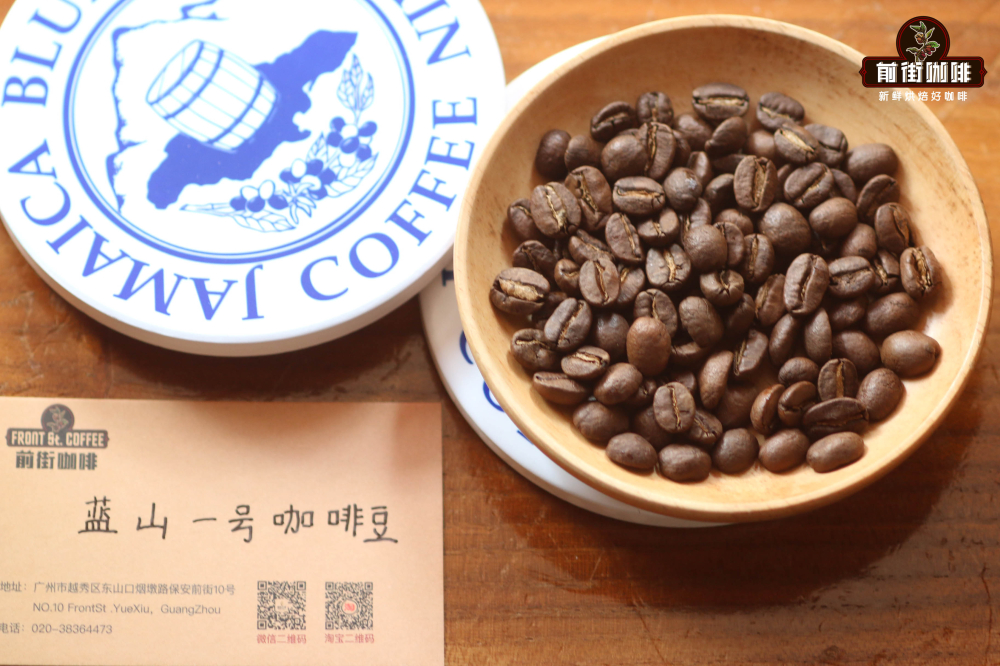
Jamaican Blue Mountain No. 1 Coffee Beans
Blue Mountain's quality is inseparable from its growing environment. The Blue Mountain Range is surrounded by the waters of the Caribbean Sea, creating a unique island-type tropical rainforest microclimate: rainfall concentrates in the rainy seasons with good drainage, and volcanic ash from active volcanoes enriches the soil so thoroughly that the trees need little extra irrigation or fertilization. With abundant sunshine year round, thin drifting mist, and a cool, comfortable high-altitude climate, the area suits all kinds of crops — locals typically plant coffee alongside banana trees on the slopes of Blue Mountain.
The CIB (Coffee Industry Board) has designated an area of approximately 6,000 hectares in the range, strictly stipulating that only Typica coffee produced there may be called "Blue Mountain Coffee." Within that designated area, the coffee grows at altitudes between 910-1700 meters. High altitude combined with near-perfect climate lets the cherries fully absorb nutrients and transform them into aromatic substances — and the higher the altitude, the more expressive Typica becomes.
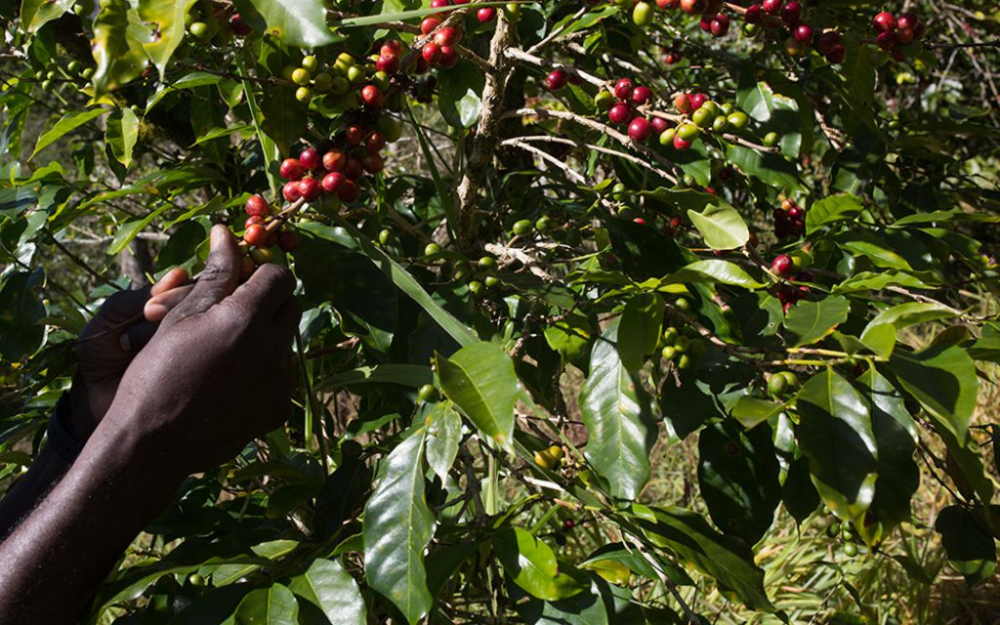
But Typica's weak disease resistance makes infection a constant threat, and the low fruit yield per plant demands intensive human care. The uneven high-altitude terrain of Blue Mountain makes management and harvesting genuinely difficult, requiring highly skilled pickers and further capping yield. In recent years, less than 15% of Jamaica's coffee production (about 900 tons) has qualified to carry the Blue Mountain label. After harvest, cherries go straight to processing plants for washing, depulping, and drying.
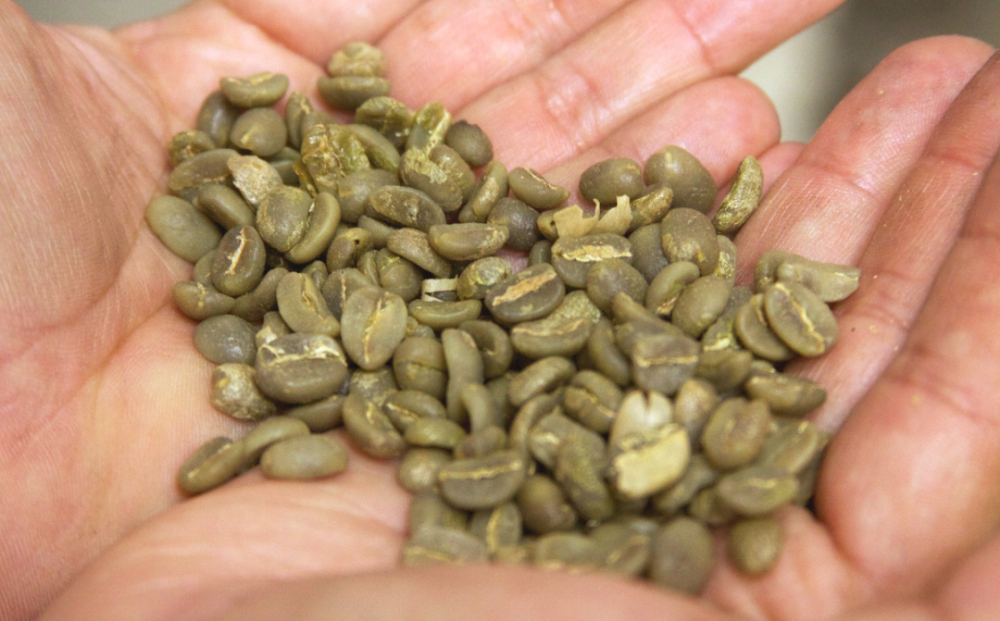
When FrontStreet Coffee receives Jamaican Blue Mountain No. 1 green beans, they are uniform, full, and consistently sized, with an overall translucent blue-green color. FrontStreet roasts them medium-dark to bring out Blue Mountain's chocolate and nutty aromas while preserving soft acidity and sweetness for a balanced texture. Cupping a fresh batch: the dry fragrance reveals nuts, melon, and chocolate; after adding hot water, notes of oolong tea, caramel, honey, and dark chocolate emerge. On the palate: rich dark chocolate, roasted hazelnuts, cream, and brown sugar — clean, clear flavors, a mellow texture, and a lasting aroma.
Yunnan Natural Process Typica Coffee Beans
The varieties originally planted in Yunnan were the ancient Typica and Bourbon. Later, global leaf rust damage swept through Yunnan coffee, killing trees on a large scale and shrinking the cultivated area. With support from foreign companies, the high-yielding, disease-resistant Catimor was introduced, displacing the old Typica trees and becoming the main variety of Yunnan coffee today. Because Typica yields little, falls sick easily, and costs a great deal to manage, most Yunnan farmers are unwilling to plant it.
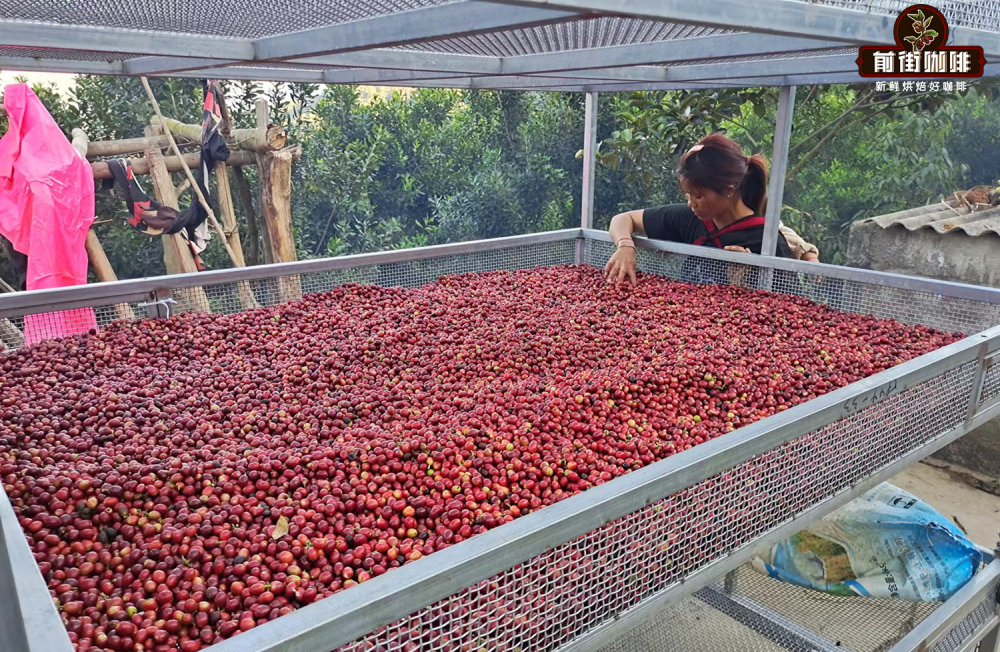
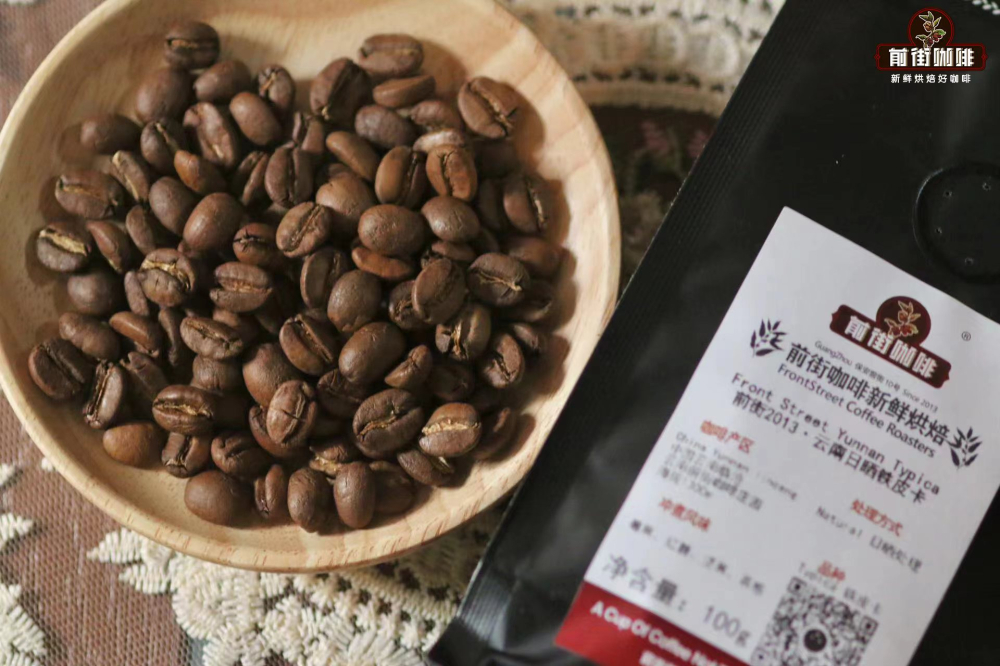
Yunnan's Lincang region is influenced by warm, humid Indian Ocean air currents and the southwest monsoons: the seasons blur together, but dry and rainy seasons are clearly distinct. Rainfall is abundant, sunshine hours are long, frost periods are short — some areas see no frost at all — and the pronounced vertical climate makes it ideal for Arabica. That is why FrontStreet Coffee specifically chose to cultivate the most original Typica there. Since precious Typica is equally notorious for low yield and poor resistance, FrontStreet invested considerable effort in cultivation management; after 5-6 years of growing, the first harvest finally came in 2020, processed by natural drying and named "FrontStreet Coffee 2013."
FrontStreet carries Yunnan beans in only two process styles: washed and natural. For this Typica, natural was chosen. Natural processing demands little equipment — mainly continuous, even drying under clear sunny skies. Cherries must be processed immediately after harvest, starting with sorting; floatation is one common sorting method. After sorting, the fruit is sun-dried, with personnel turning it regularly to avoid uneven heating and over-fermentation. Once the cherries dehydrate from bright red to dark purple and reach target moisture, they can be sent for hulling and roasting. Natural-processed Typica shows fuller fermentation flavors than the washed version, with prominent sweetness and notes of caramel, berries, and black tea.
Papua New Guinea Bird of Paradise Coffee Beans
Papua New Guinea, in Oceania, neighbors the famous coffee country of Indonesia. In 1920, Papua imported Typica seeds from Jamaica's Blue Mountain region, officially beginning commercial cultivation. The island sits on the circum-Pacific volcanic belt: volcanic geology with rich, fertile soil, a high-altitude mountain climate, and low-altitude tropical rainforest combine into an excellent environment for fine coffee.
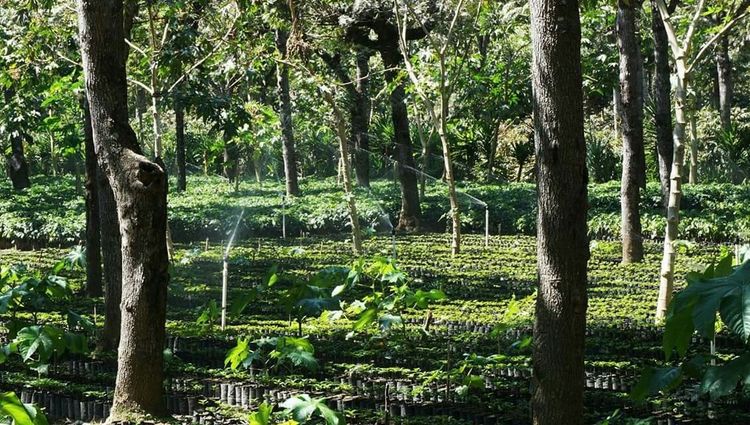
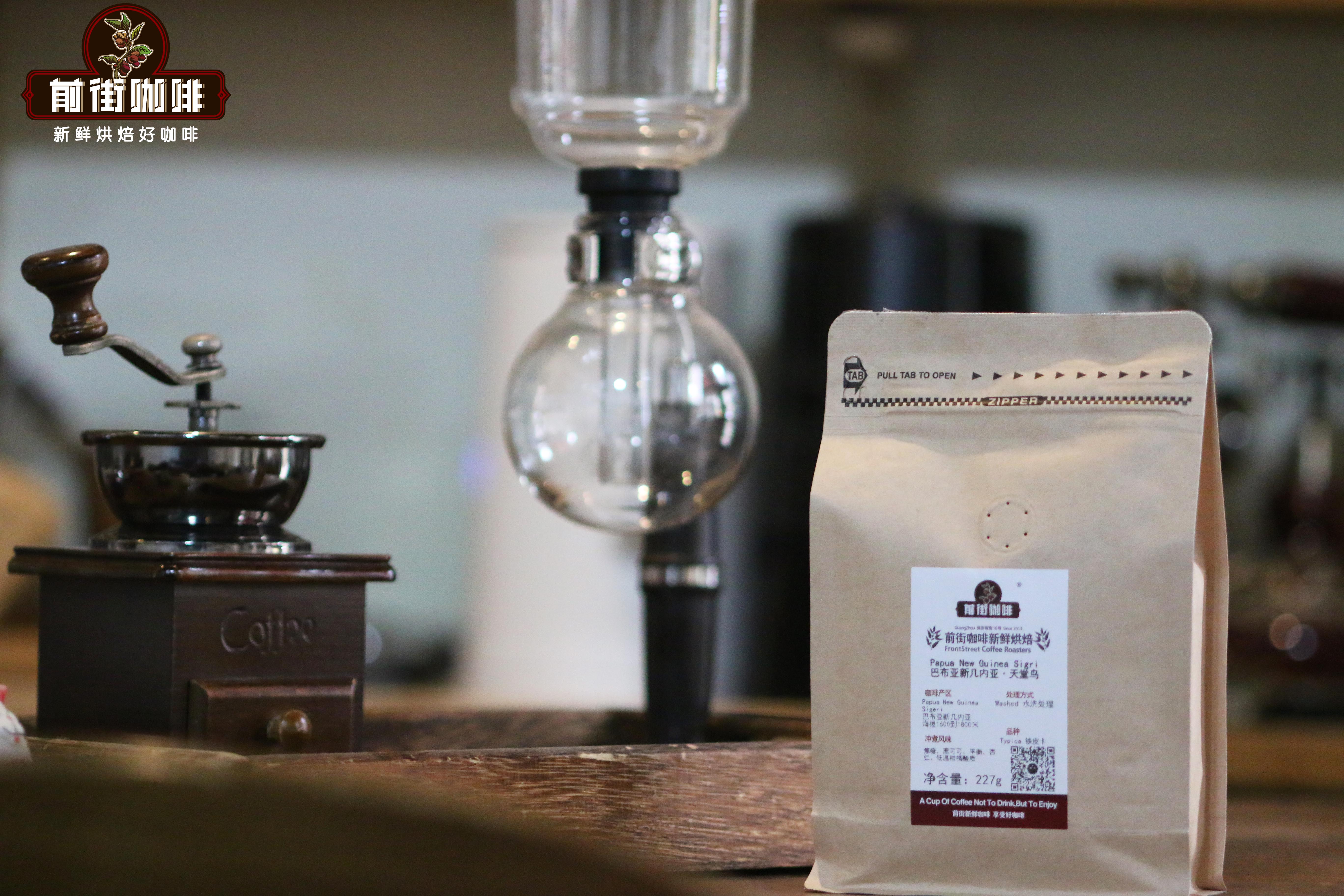
FrontStreet's Bird of Paradise beans come from the SIGRI Bird of Paradise Estate, washed-processed and named after Papua's national bird. The estate lies in the Waghi Valley of the Western Highlands, with mineral-rich volcanic soil, a cool climate, fertile ground, and abundant rainfall. All coffee there is grown with organic fertilization, and the estate's high cultivation and production standards give its Typica an especially clean profile. Bird of Paradise is acclaimed as "Little Blue Mountain" for its soft, low-acidity texture and balanced flavors.
In cupping comparisons, FrontStreet found the Bird of Paradise beans resemble Jamaican Blue Mountain's balanced sweet-sour-bitter harmony, with hints of spice. The sweet aftertaste recalls sugarcane, with very noticeable baked bread and nut flavors.
FrontStreet Coffee Recommendation
Typica's reach extends deep into Indonesia, where Sumatran Mandheling descends from the same lineage — and FrontStreet's Mandheling selection is the natural companion to this article.
Coffee reached Indonesia in the seventeenth century, when the Dutch transplanted seedlings to Java; the trees thrived and spread to Sumatra, until coffee leaf rust devastated Java in the early twentieth century and cultivation moved north. Today Sumatra produces more than 60% of Indonesia's Arabica and Robusta, with the high-altitude north — Aceh and North Sumatra Province — focusing on Arabica, known everywhere as Mandheling. The Aceh region centers on the Gayo mountains near Lake Tawar, prized for delicate aromatics and a bright mouthfeel, while the traditional Mandheling heartland lies around Lake Toba in the Lintong area, where wet hulling and local microbial fermentation create the classic profile: dense aroma, heavy body, intense flavor.
Indonesia's rainy season overlaps with cherry ripening, making sun-drying nearly impossible — hence wet hulling, the island's signature process since the 1970s. Growers remove the skin and pulp, wash briefly, and dry the beans; at the half-dry, half-wet stage, machines strip the parchment so the green beans dry directly in the open air, absorbing airborne fungi along the way — the source of that wild, unmistakable flavor.
FrontStreet's PWN Golden Mandheling is the showpiece of top-grade Mandheling, produced by Indonesia's PWN company under exceptionally strict standards: only beans above 18 mesh screen size qualify, every 300g sample must contain fewer than 3 defective beans to meet the top G1 grade, and three rounds of hand sorting eliminate defects entirely, raising cleanliness and sweetness. Pure Golden Mandheling is exported mainly to Japan and the US, so supply is limited — FrontStreet's product listings show the PWN certificates and PWN-stamped bags that mark the genuine article.
FrontStreet brews PWN Golden Mandheling as a pour-over to show it at its best: water at 87-88°C, 15g of coffee at a 1:15 ratio, ground to coarse-granulated-sugar size, poured in three stages. The first pour of 30ml saturates the grounds and lets them degas; the second pour of 100ml pushes up the golden foam and lifts the coffee bed; the final gentle center pour of 95ml heightens sweetness — delivering a thick, syrupy body with caramel sweetness and chocolate and nut flavors.
Important Notice :
FrontStreet Coffee is a long-established specialty coffee roaster in Guangzhou China, selling freshly roasted beans from its own farm in Yunnan as well as dozens of carefully selected single-origin beans from around the world for both pour-over and espresso. The products deliver consistently excellent quality and great value, with shipping within 24 hours. Guangzhou's FrontStreet Coffee shop is recommended by many coffee lovers, and the beans are now available online at the Tmall 。
FrontStreet Coffee has moved to a new address:
FrontStreet Coffee Address: 315,Donghua East Road,GuangZhou
Tel:020 38364473
 Scan and follow the En Gafei WeChat official account. Please indicate that the reprint comes from "En Gafei".