Introduction to Robusta Coffee Bean Flavor Characteristics and Origins
Most coffee enthusiasts can name the three major coffee varieties: Arabica, Robusta and Liberica. Arabica accounts for more than 70% of global coffee production, while the high-yielding Robusta accounts for only about 20%.
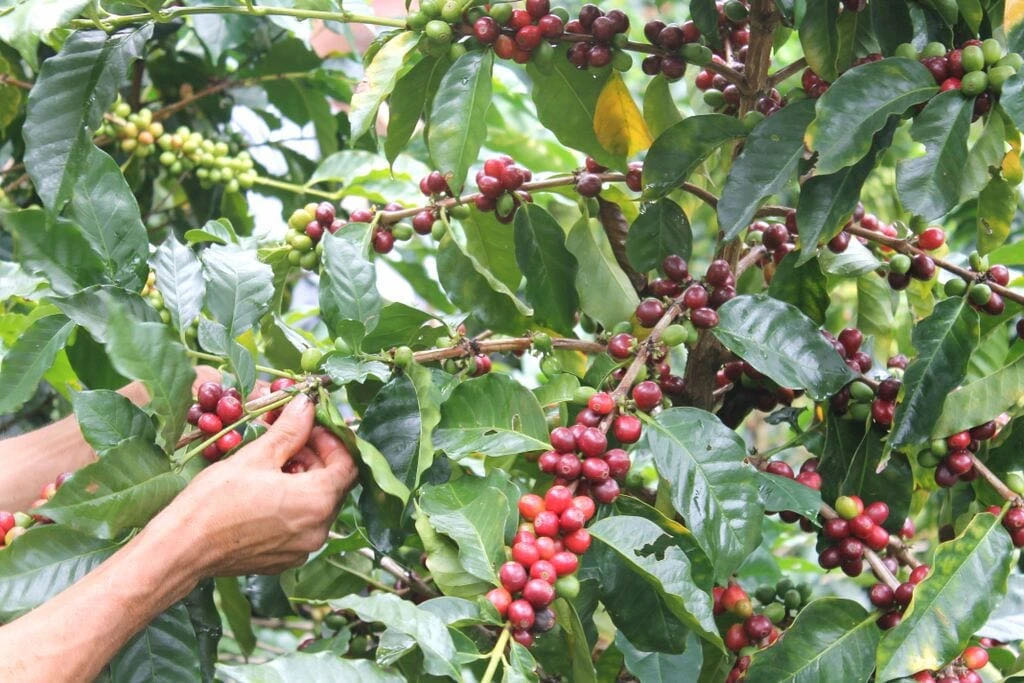
Robusta is often used in instant coffee and carries a high caffeine content. The presence of the suspected carcinogen acrylamide in instant coffee has made people look down on Robusta even more. Yet everything exists for a reason, and there have to be sound explanations for why Robusta has stayed in the market for so many years.
The Robusta Variety
Robusta is a natural variety from West Africa. Arabica and Robusta are constantly compared, but the comparison is not quite accurate, because the two are not even at the same botanical level. Robusta actually belongs to the Canephora species, also called the Congo species, in the same way that Typica belongs to the Arabica species. Unfortunately, only one variety within Canephora, Robusta, has been commercialised and become well known, so today Robusta has almost entirely displaced Canephora as the name for the species.
The Advantages of Robusta
In cultivation, Robusta trees tolerate heat, cold, drought and humidity, resist pests and disease strongly, and adapt well. They grow happily on flat land and at lower altitudes. Unfortunately, the beans they produce lack aroma, taste strongly bitter, largely because of the high caffeine content, and have insufficient acidity, which suits them to instant coffee, canned coffee and three-in-one mixes. Many cafes add a measured proportion of Robusta to espresso blends to build the mouthfeel, that is, the intensity and boldness, and to increase the crema.
Robusta beans are relatively round and larger in size, and their caffeine content is nearly twice that of Arabica. Precisely because the caffeine is so high, it works as a natural insect repellent and deters most pests. In other words, Robusta's strong pest and disease resistance is what makes it relatively inexpensive and easier to cultivate.
Robusta is widely grown, and is found in Vietnam, Brazil and India. Even in China's Hainan and Fujian provinces, Robusta plants can be found.
The Disadvantages of Robusta
Compared with Arabica, Robusta contains more caffeine, amino acids and chlorogenic acid. Chlorogenic acid is a source of bitterness, so Robusta's flavour is less charming and elegant than Arabica's. Instead it offers a fuller, deeper mouthfeel with walnut, peanut, hazelnut and wheat notes, and sometimes a pungent, earthy edge.
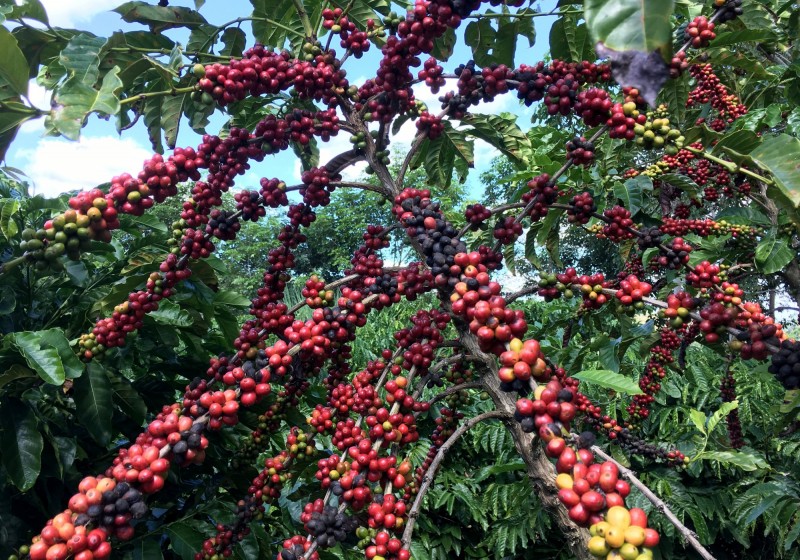
It is precisely this inferior flavour that leads the specialty coffee community to reject Robusta, which is largely confined to instant coffee or blended with Arabica in espresso blends.
What Robusta Beans Look Like
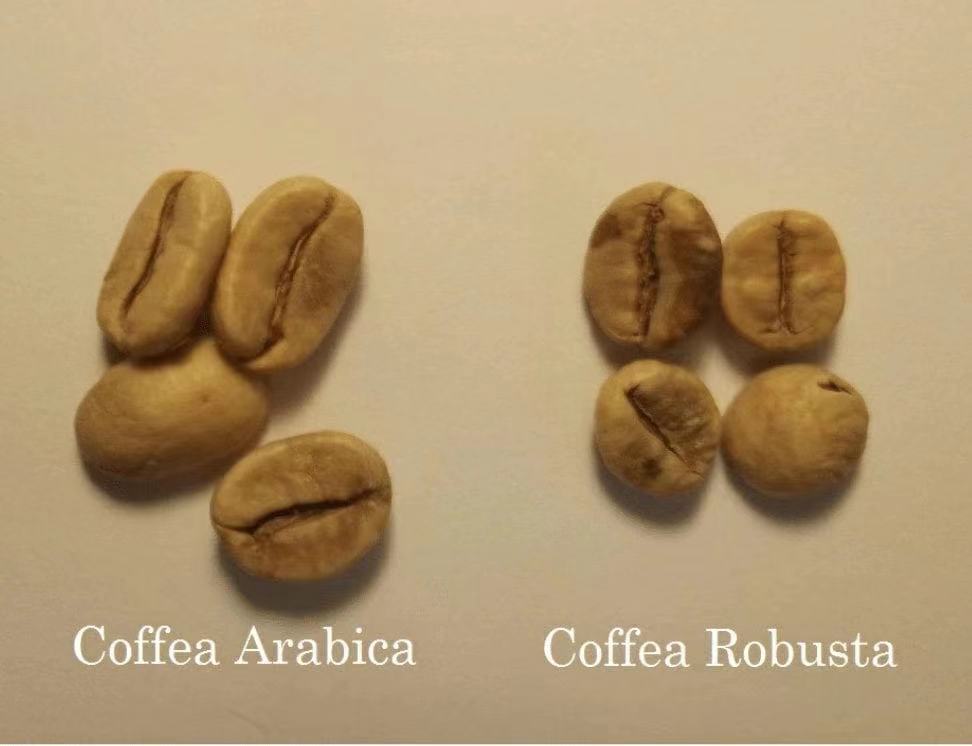
Robusta carries one bean per fruit. The beans are relatively round with a C shape, the centre line forms an I, and the green beans are a yellowish brown.
Commercial Blends
Blended coffee, also called mixed coffee, combines single origins so that the strengths of each can be integrated and fully used. Blends are assembled from coffees of different origins to reach a more balanced flavour profile.
Blends fall into two types: mixing the beans before roasting, called raw blending, and mixing after roasting, called roasted blending.
On FrontStreet Coffee's bean list you will not find Robusta among the single origins. That does not mean FrontStreet Coffee has no Robusta at all: FrontStreet Coffee's Commercial Blends built for espresso do contain it.
FrontStreet Coffee's commercial blend consists of 30% Colombian coffee, 60% Brazilian coffee and 10% Robusta.
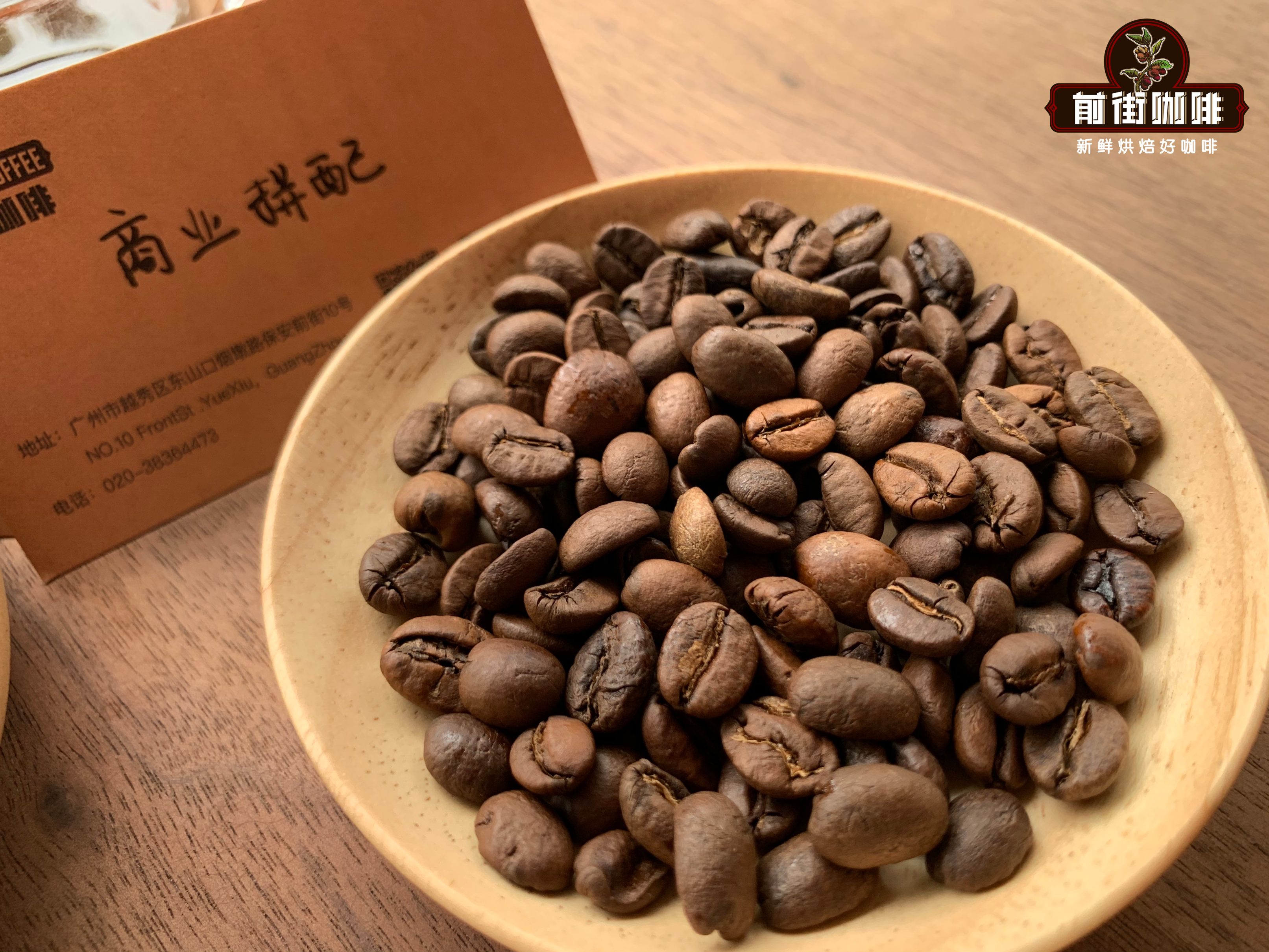
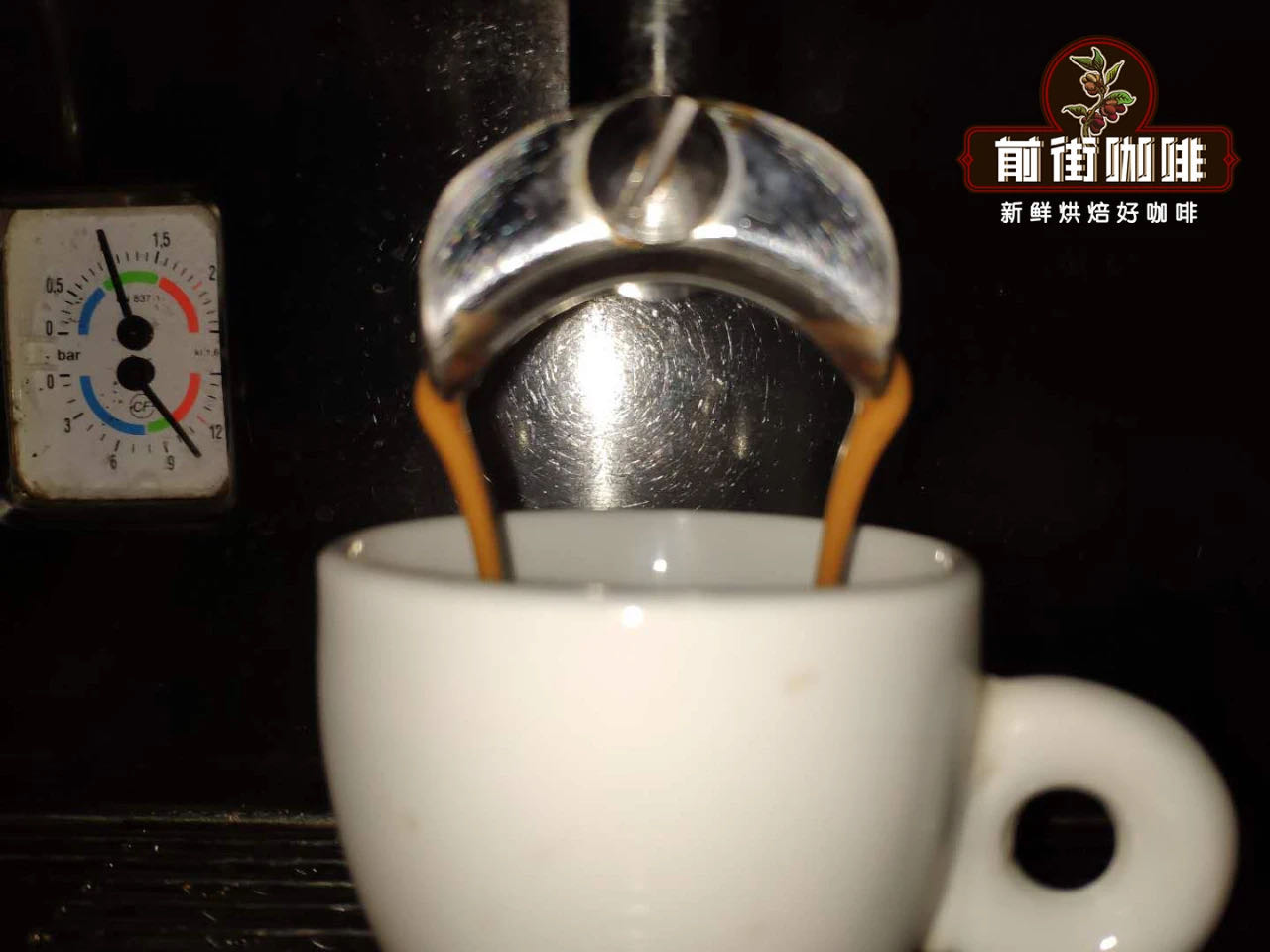
Bean for bean, commercial coffee tastes far less impressive than specialty coffee. Commercial beans are generally chosen for blending, and blending turns them into coffee with an excellent overall taste, well suited to espresso drinks such as latte and cappuccino. When we pull espresso from our commercial blend, the Robusta gives a richer crema, a classic flavour, caramel sweetness, nut and cocoa notes and dark chocolate, balanced acidity and bitterness, and a lingering finish.
How FrontStreet Coffee Pulls Espresso
Bean information:
Commercial blend: Colombia, Brazil, Robusta
Blend ratio: 3:6:1
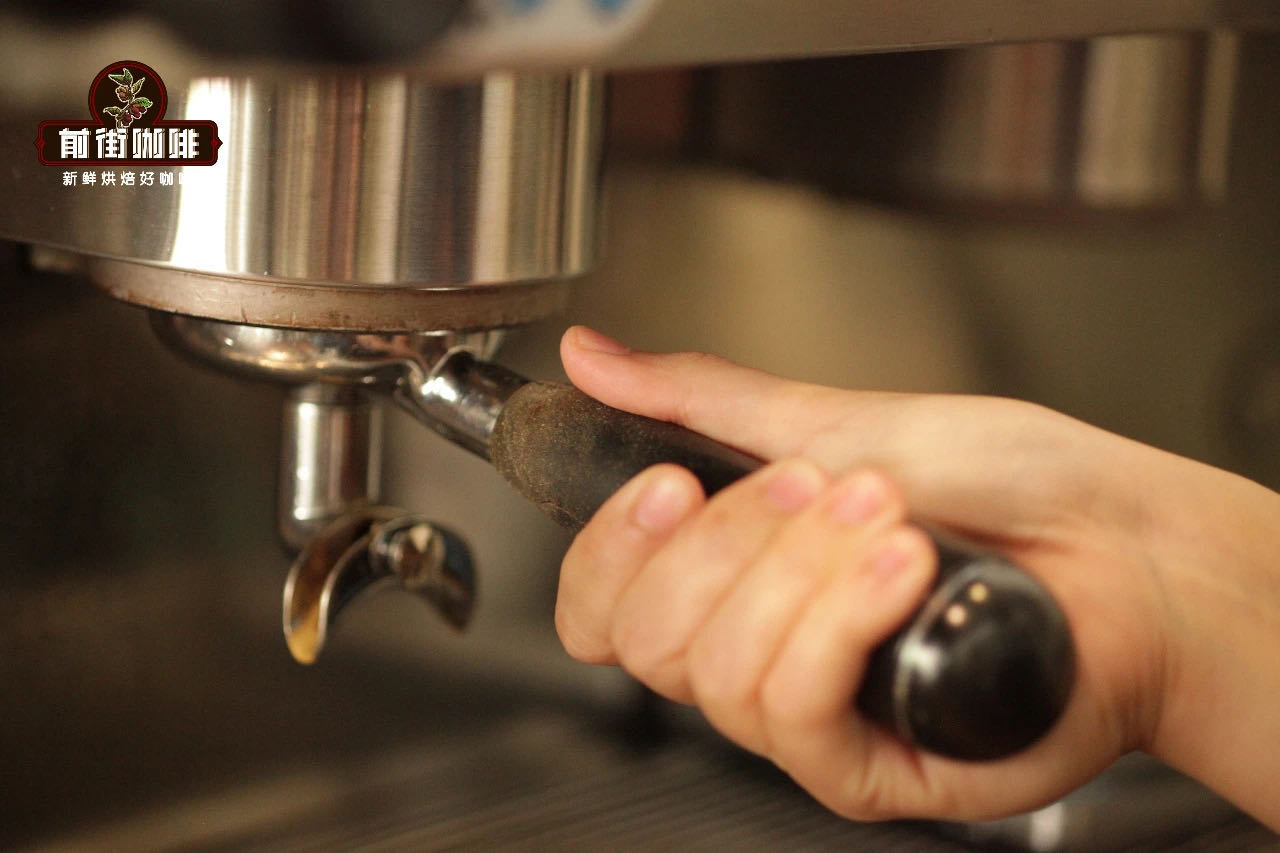
Extraction:
Coffee dose: 14.5 grams
Espresso weight: 20 grams
Extraction time: 28 seconds
Specialty Robusta
Given how Robusta is criticised, is it not worth seeking out good Robusta? It is. There are relatively high-quality Robusta beans in the world whose flavour can even rival Arabica.
The representative of specialty-grade Robusta is India's Kaapi Royale.
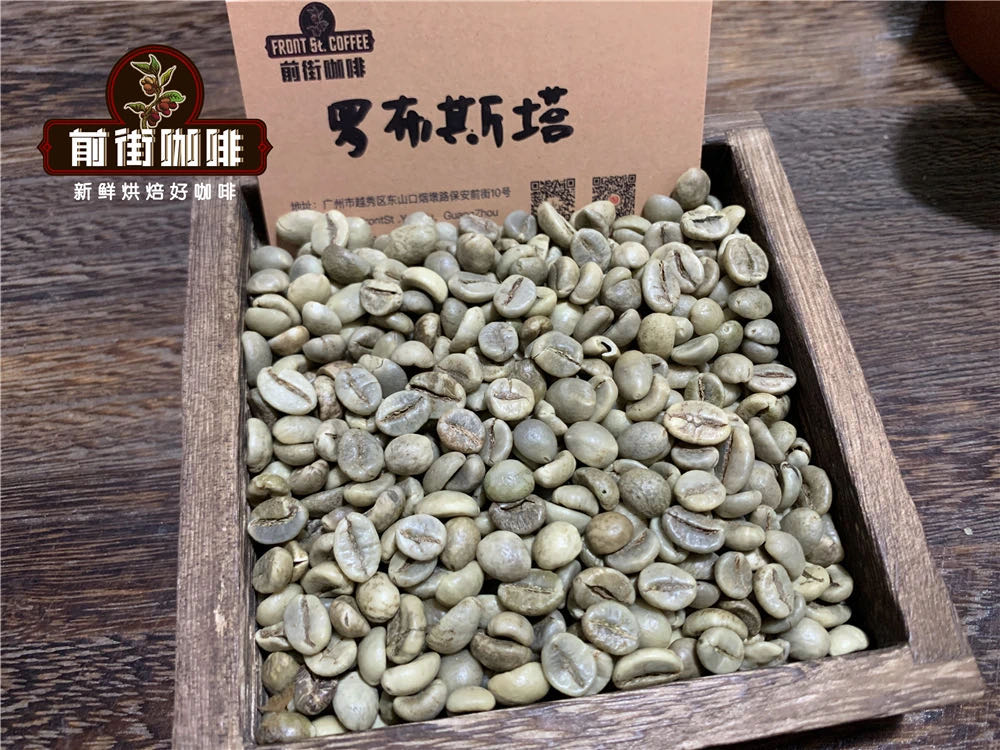
Kaapi Royale means top grade, and at least four private estates in India currently cultivate and produce Kaapi Royale-grade Robusta using the standards and procedures applied to specialty Arabica.
The arrival of Kaapi Royale specialty Robusta is changing the world's perception of the species. Most people who try it are struck by the combination of richness and cleanliness. Because of careful cultivation and processing, Kaapi Royale-grade Robusta tastes mostly quite clean, without the off-flavours that plague cheap Robusta. The species naturally lacks the ethereal aroma unique to Arabica, but it compensates with a thicker, more stable mouthfeel and intense walnut, peanut, hazelnut and wheat flavours, reminiscent of peanut butter and hazelnut spread.
FrontStreet Coffee Recommendation
If the point of the comparison is that not all coffee has to be Robusta, the first place to look is Ethiopia. FrontStreet Coffee's Huakui is a natural-processed Arabica whose variety is the local heirloom Ethiopian group, a mix of several undifferentiated trees, so the beans vary in size and carry a delicate floral lift with especially prominent fruit. Sun-drying brings out creamy strawberry, mango, jackfruit, citrus and blueberry, the mature tropical-fruit character typical of FrontStreet Coffee's Sidamo naturals, and it balances quality against price unusually well.
If Huakui is the natural-processed representative of Ethiopian Arabica, FrontStreet Coffee's Yirgacheffe Gutingding is the washed one. Yirgacheffe's clean, transparent lemon and citrus profile makes it a cornerstone of specialty Arabica, and Gutingding is one of the many small village stations that gave Yirgacheffe its depth, having grown out of the Worka cooperative. FrontStreet Coffee's Gutingding is Ethiopia's highest grade, G1, washed in the traditional way, showing elegant white florals, citrus, orange and green tea.
For the variety that most plainly defines Arabica, FrontStreet Coffee's Jamaica Blue Mountain No.1 is Typica, one of the archetypal Arabica varieties and the one that spread from Yemen to India, Indonesia and the Americas. Typica is balanced, mild and smooth, with a gentle acidity and a full, pure aroma, though it resists disease poorly and yields low. The Blue Mountain Typica was transplanted from Martinique to Jamaica in the 1720s, and over 200 years it developed better disease resistance than Typica generally has, particularly against coffee berry disease. Cupping FrontStreet Coffee's Jamaica Blue Mountain Typica, its balance is difficult to approach from any other region.
Finally, FrontStreet Coffee's Panama Red Label Geisha shows how far Arabica can go. Geisha is famous for its perfumed, elegant florals, citrus, peach and full composite fruit acidity, a creamy mouthfeel and an oolong-tea sweetness on the finish, so refined that it drinks less like coffee than like a fragrant fruit tea. Geisha yields little, is unusually fragile and is demanding about its environment. FrontStreet Coffee's Red Label Geisha comes from Panama's best-known Emerald Estate, in the Boquete district of Chiriqui province, where fertile volcanic soil, old forest, year-round mist and plentiful rain create ideal growing conditions and allow the variety to reach its remarkable range.
Important Notice :
FrontStreet Coffee is a long-established specialty coffee roaster in Guangzhou China, selling freshly roasted beans from its own farm in Yunnan as well as dozens of carefully selected single-origin beans from around the world for both pour-over and espresso. The products deliver consistently excellent quality and great value, with shipping within 24 hours. Guangzhou's FrontStreet Coffee shop is recommended by many coffee lovers, and the beans are now available online at the Tmall 。
FrontStreet Coffee has moved to a new address:
FrontStreet Coffee Address: 315,Donghua East Road,GuangZhou
Tel:020 38364473
 Scan and follow the En Gafei WeChat official account. Please indicate that the reprint comes from "En Gafei".