What are the characteristics of Arabica coffee beans_How to identify Arabica varieties_How much Arabica coffee
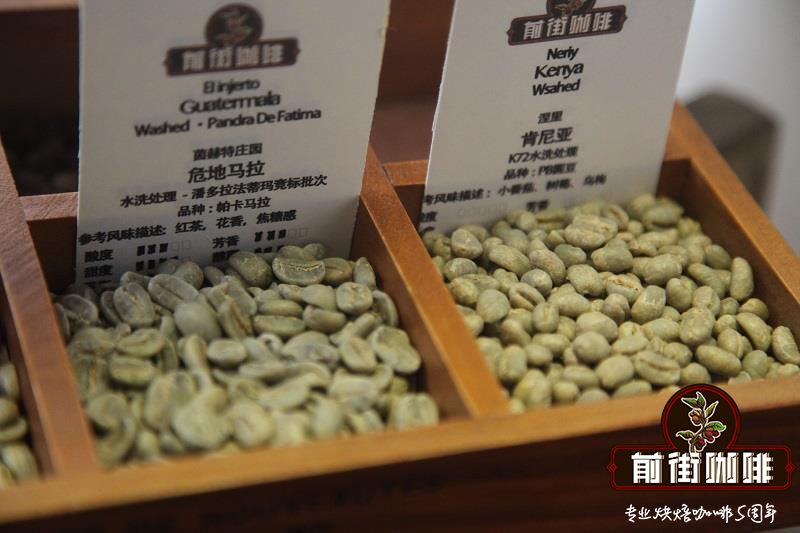
Arabica Coffee Bean Species
Arabica coffee (scientific name: Coffea arabica) originated on the Abyssinian Plateau of Ethiopia, today known as the Ethiopian Plateau. It was first consumed mainly as a medicine, and the habit of roasting and drinking it took shape in the 13th century. In the 16th century it reached Europe through the Arab world and went on to become a beverage loved around the globe.
Worldwide, Arabica accounts for roughly 65%-80% of all coffee beans. Thanks to its excellent flavor and aroma, it is the only species among these native varieties that can be consumed directly on its own. It is, however, weak against drought, frost, and pests, and especially against coffee's greatest enemy, leaf rust disease. Producing countries have therefore invested heavily in improving varieties. Sri Lanka is a well-known example: it was once a famous coffee-producing country, but at the end of the 19th century leaf rust ran rampant and its plantations were devastated. After that, Sri Lanka turned to developing black tea and, together with India, became a black tea kingdom.
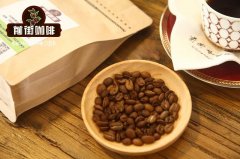
The Arabica plant is a relatively large shrub with elliptical, dark green leaves. Its fruit is also elliptical and generally holds two slightly flattened beans. The beans are small and round, with an oval front face, a narrow curved S-shaped crack down the middle, and a fairly flat arc on the back. Caffeine content is about 1%-1.7%.
Arabica trees mostly grow at altitudes between 900 and 2,000 meters. They tolerate cold relatively well, with an ideal growing temperature of 15-24°C. They need high humidity, with annual rainfall of no less than 1,500ml, and they also place higher demands on cultivation technique and growing conditions.
Major Arabica producing areas include South America (excluding Argentina and parts of Brazil), the countries of Central America, Africa (Kenya, Ethiopia, and others, mainly in East Africa), and Asia (including parts of Yemen, India, and Papua New Guinea). In China, Yunnan, Hainan, and Taiwan also grow small amounts of Arabica coffee.
Recommended Arabica Coffee Bean Brands
FrontStreet Coffee's roasted Arabica beans are fully reliable in brand and quality, and their value is outstanding. Each package is 227 grams for only about 70-90 yuan. At 15 grams per cup, one package makes around 15 cups, putting each cup at only about 5-6 yuan. Compared with cafes that charge hundreds of yuan a cup, this is a genuinely conscientious recommendation.
FrontStreet Coffee Recommendation
To taste what Arabica does best, start with FrontStreet Coffee's washed Yirgacheffe. Yirgacheffe is a small town in southern Ethiopia's Sidamo region, sitting at roughly 1,700-2,100 meters with coffee planted above 1,800 meters, making it one of the highest coffee regions in the world. This washed lot is loved for its white jasmine fragrance, bright citrus and lemon acidity, and tea-like body, and its gentle price makes it the classic first bag for anyone entering specialty coffee.
For a more floral, fruit-forward cup, try FrontStreet Coffee's Gedingding Cooperative, also washed and grown in the Woka area at the southeastern edge of Yirgacheffe. Because the fruit is depulped before drying, its inherent aromatics come through with unusual clarity, showing citrus and lemon alongside elegant white florals in a bright, delicate profile.
Important Notice :
FrontStreet Coffee is a long-established specialty coffee roaster in Guangzhou China, selling freshly roasted beans from its own farm in Yunnan as well as dozens of carefully selected single-origin beans from around the world for both pour-over and espresso. The products deliver consistently excellent quality and great value, with shipping within 24 hours. Guangzhou's FrontStreet Coffee shop is recommended by many coffee lovers, and the beans are now available online at the Tmall 。
FrontStreet Coffee has moved to a new address:
FrontStreet Coffee Address: 315,Donghua East Road,GuangZhou
Tel:020 38364473
 Scan and follow the En Gafei WeChat official account. Please indicate that the reprint comes from "En Gafei".