How Many Times Can Espresso Grounds Be Brewed? How to Make Espresso Grounds Taste Better?
For professional coffee knowledge exchange and more coffee bean information, please follow Coffee Workshop (WeChat public account: cafe_style)
How Many Times Can Espresso Grounds Be Brewed? How to Make Espresso Taste Better?
"I've been trying to make espresso at home for several months now. I've changed machines, changed beans, changed water... I've tried everything, but nothing works. The coffee I make just doesn't taste as rich and aromatic as what I drink in coffee shops..."
Have you faced this kind of frustration? Don't worry, making poor coffee is not something you are born with. FrontStreet Coffee is here today to discuss why coffee turns out badly, and how to adjust and solve it.
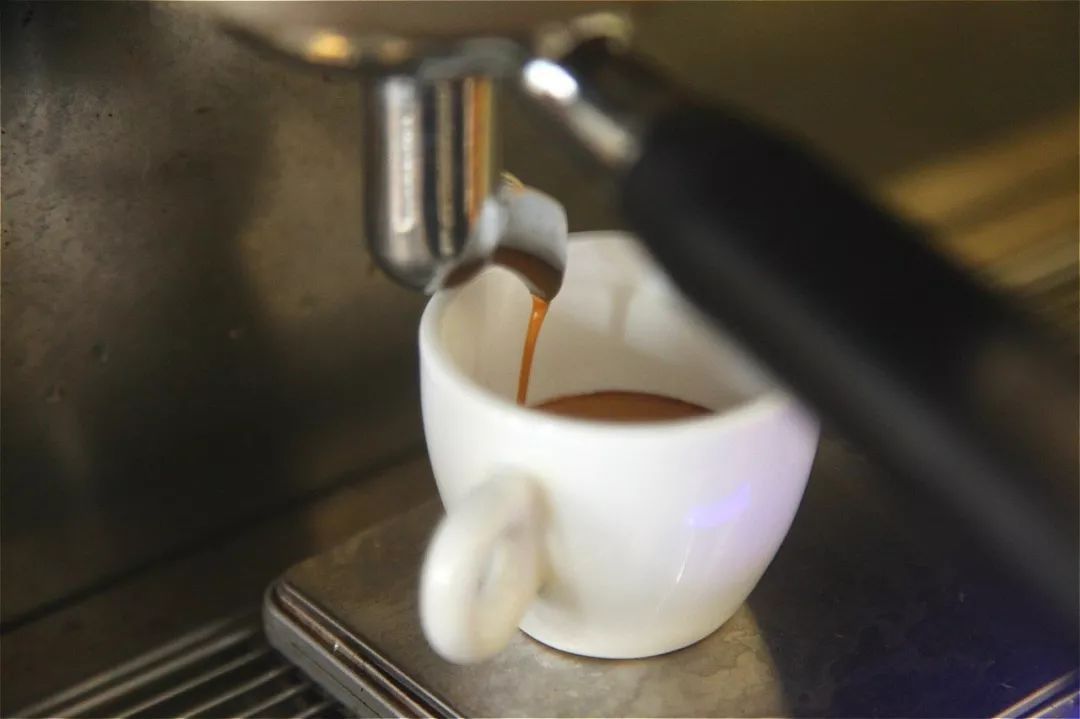
Understanding Poor Coffee Quality
Beyond sensing that coffee tastes wrong, beginners usually find it hard to describe precisely what the flaws are. A poor espresso lacks body, leaves excessive bitterness and irritating acidity in the mouth, feels dry and unpleasant, and has insufficient or even no aroma, let alone a lingering aftertaste.
There is no middle ground when it comes to coffee quality, especially espresso. Think about it: it is the essence extracted directly from the simplest ingredients using high temperature and high pressure, and quickly. This brewing method also has its drawbacks, though: it has too many variables. To minimize the impact of brewing conditions, pay attention to the following points.
Using Poorly Maintained, Old, or Inherently Defective Espresso Machines
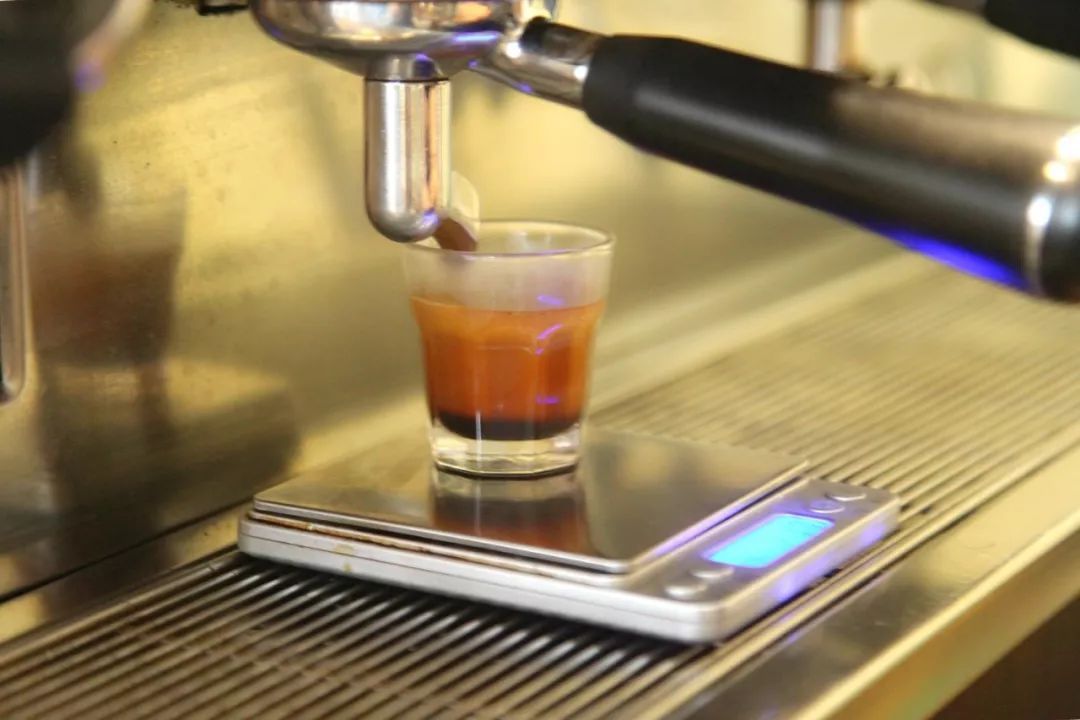
Although espresso machines are becoming more common, not every machine is in equally good condition. Even a good machine needs good maintenance, especially avoiding coffee oil residue on internal parts and scale buildup in the pipes.
Not Using a Coffee Grinder
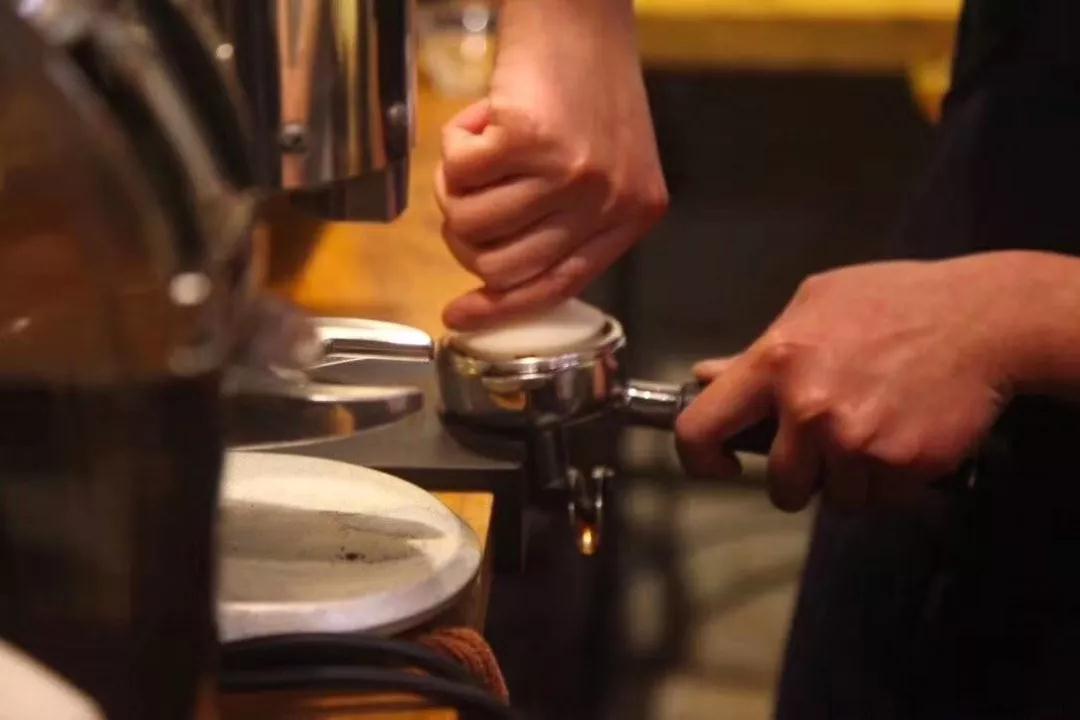
The difference between beans and ground coffee is that beans retain their flavor for several days after opening, whereas ground coffee loses its aroma within minutes once exposed to air through rapid oxidation. Oxidized ground coffee absolutely cannot produce good coffee, which is why both a grinder and a machine are indispensable. What we call a coffee grinder is, more precisely, a bean crusher with burrs that can freshly grind fine powder to brew the espresso we love.
Using Poorly Maintained or Defective Coffee Grinders
Through the repeated crushing of beans, grinder blades wear out easily and can accumulate coffee oils (cafestol). Over time, even fresh beans will produce coffee with a stale, oily taste after grinding. Regular maintenance of coffee grinders is just as important as maintaining coffee machines. For how to maintain coffee grinders, see page 31.
Failure to Precisely Control Extraction Rate
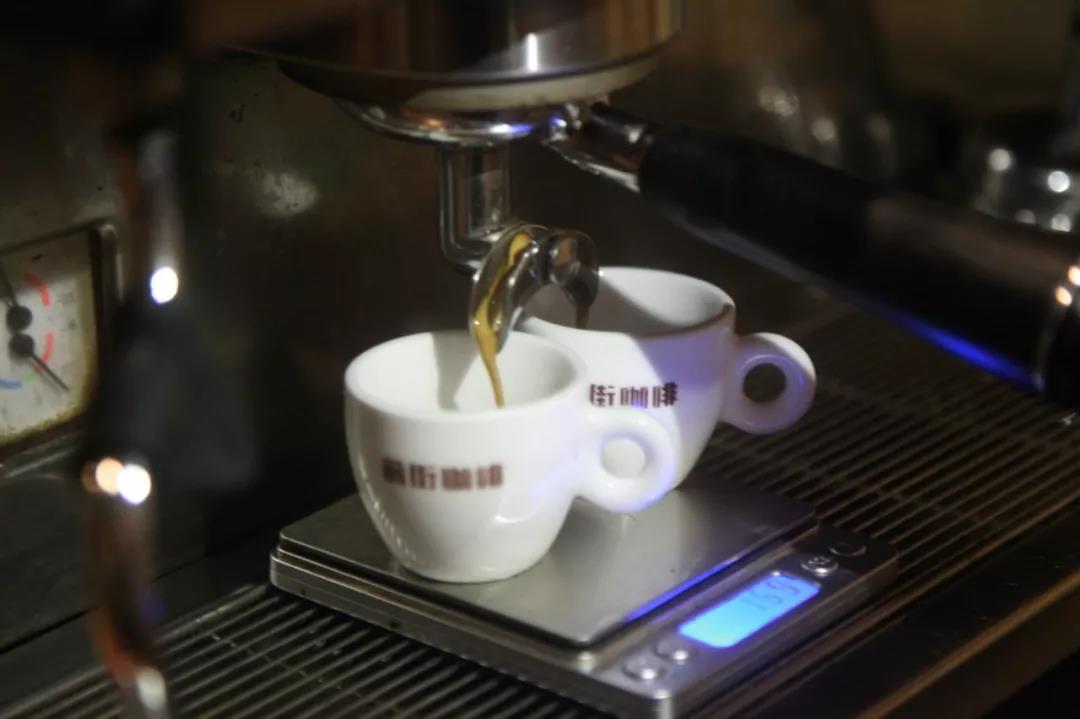
In high-pressure coffee extraction, every condition has a precise standard that must be followed carefully and strictly. Every adjustment is, for a barista, the art of perfectly interpreting espresso, and it requires skilled experience, plus a few failed attempts, to grasp the brewing conditions well.
Poor Coffee Bean Quality
If coffee varieties are grown in land with poor terroir conditions and are not carefully cultivated, the harvested beans will surely be hard to impress, and brewing a cup with balanced flavor would already be quite good. It is best to use high-quality beans and, if necessary, to consult with experts.
Improper Coffee Bean Roasting
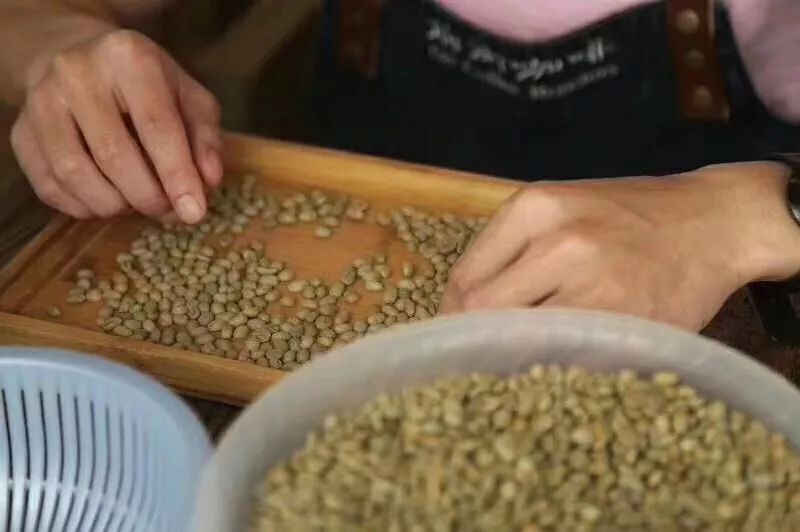
Raw coffee beans go through high-temperature roasting, a process called "roasting." If the roast level is insufficient, espresso will be flat and acidic; if over-roasted, the brewed coffee will lean bitter.
Coffee Beans That Are Not Fresh or Too Fresh
After roasting and sealed packaging, coffee beans can preserve aroma and texture for several months, but storing them too long still produces a stale, oily flavor. Freshly roasted beans are not suitable for immediate brewing, because during roasting the beans produce carbon dioxide, which can form large bubbles in the extracted coffee. It is best to wait about a week for the beans to "de-gas" first. After that, the espresso will not only taste better but also carry less metallic note.
The Art of Filter Coffee
Do you also know how to brew a good cup of filter coffee, or, when you drink it, how to appreciate it properly? Like espresso, filter coffee deserves to be savored carefully and evaluated against standards. For a long time filter coffee was considered lower-grade, and now it is gaining attention again, which can be seen as a kind of redemption. Filter coffee is more accessible than espresso, in both technique and equipment price, but you still need to follow certain methods to brew a cup worth appreciating.
Temperature
Good filter coffee reveals different flavors as it cools. At 70°C or above, the coffee is still hot, aroma cannot fully develop, and only partial fragrance can be detected. At 60°C, acidity and fruit flavors gradually emerge. At 40°C, a refreshing aftertaste lingers in the mouth, fragrant and lasting. At 25°C, if the coffee is of excellent quality, it still tastes good even when cool.
To Add Sugar or Not?
Properly brewed filter coffee reveals noble, delicate layers, so it needs no sugar. Conversely, if the coffee is poor quality or badly brewed, bitter and hard to drink with insufficient mouthfeel, a little sugar can balance the overall flavor and make it more harmonious.
Using Your Senses
Observing Color
Compared with espresso, the quality and type of cup do not significantly affect how filter coffee tastes. Using glass cups or transparent mugs lets you observe the coffee's color, from which you can also judge the roast level of the beans.
Dark roast coffee beans: the brewed coffee is deep, a near-black dark brown.
Light roast coffee beans: the brewed coffee has a light brown, near-red "coffee skirt" around the edges.
Smelling the Aroma
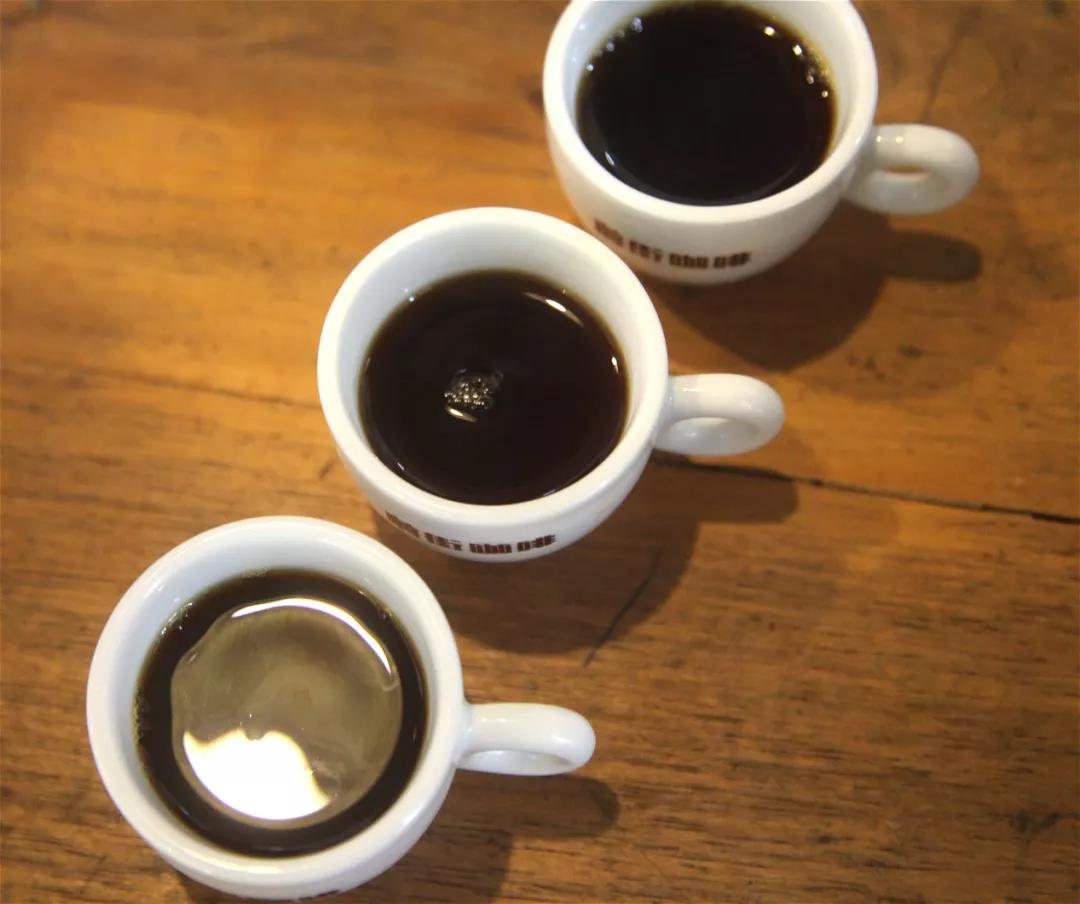
Filter coffee should emit a pleasant aroma with fruity, floral, or nutty notes; other kinds of smells are mostly not good signs.
Tasting the Flavor
Among the five basic tastes, acidity best represents filter coffee. Refreshing acidity brings a fresh taste and, combined with fruit aromas, gives the coffee distinct layers. If the coffee's natural acidity layers are too strong, though, it can become uncomfortable; quinic acid, for example, can cause astringency and a stomach-upsetting, vinegar-like taste.
Aroma
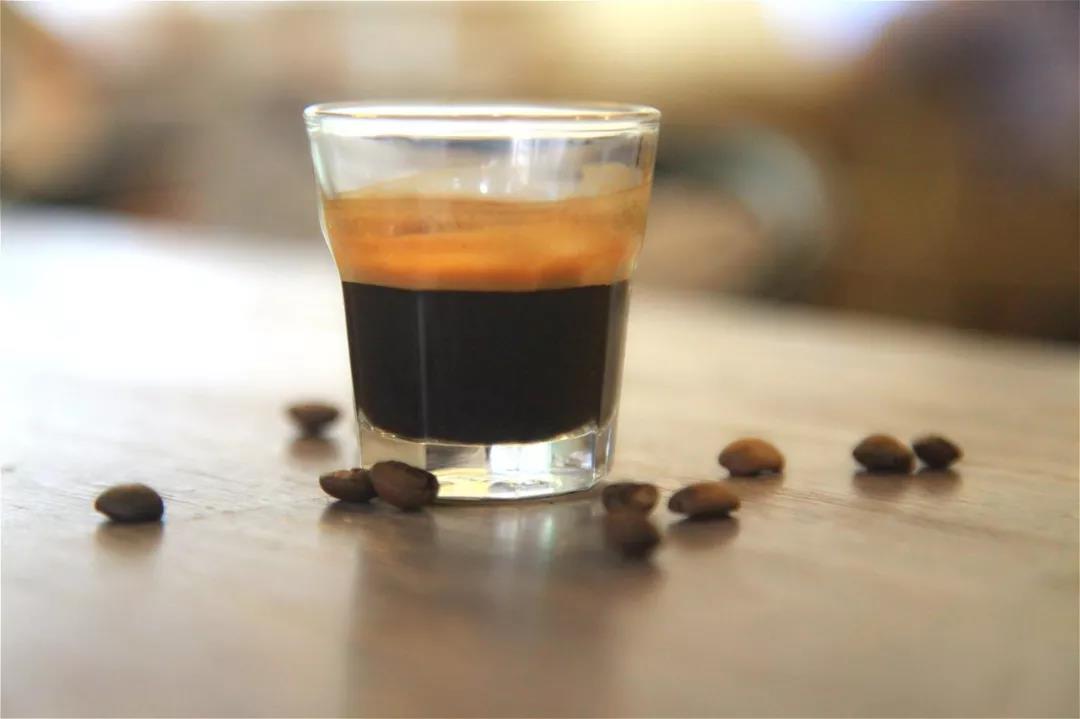
The aroma range of filter coffee is broader than espresso's and can be divided into several major categories: floral, fruity, herbal, nutty, caramel, chocolate, medicinal plant, spice, and tobacco. The coffee aroma perceived through retronasal olfaction in the mouth, the wet aroma, combined with the aroma smelled directly through the nose, the dry aroma, makes the coffee's aroma more complete, though the aromas perceived before and after the nose are not necessarily consistent, just as with espresso.
Body
Espresso is ten times "stronger" than filter coffee, so the concept of body comparison is also quite different. The body of filter coffee comes from insoluble substances left suspended in the liquid after brewing, sediments and oils, which give the coffee thickness. Body refers to the tactile sensation when coffee contacts the tongue: it can be smooth, heavy, thick, flat, thin, or even watery, and regardless of intensity, coffee should be pleasant in the mouth.
Flavor
Filter coffee is not as rich and viscous as espresso, which you can see from its appearance. Its character is delicacy and refinement, with appropriate acidity, a just-right body, and a captivating aroma that leaves a lingering aftertaste between the lips and teeth. Savoring filter coffee is like a slow, long journey, with endless beautiful scenery along the way hiding countless charming details.
FrontStreet Coffee Recommendation
If your espresso keeps falling short, the beans themselves are often the place to start, and FrontStreet Coffee's espresso lineup covers the main styles. The FrontStreet Classic Blend is made for espresso and the moka pot, and its biggest strength is outstanding crema: even a beginner with a non-professional home machine can pull rich, fine crema from it. Built on the traditional Mamba-style recipe, it is full, mellow, and easy to like, which is why the latte, cappuccino, and dirty drinks you enjoy at home all depend on the crema it delivers. If you want quality at a lower cost, the FrontStreet Dark Cocoa Blend uses 100% Arabica beans and gives abundant crema and a full body at a friendly price, balancing quality and value for a small shop. The FrontStreet Commercial Blend predates it as the long-time workhorse for cafes, priced below the specialty blend while staying optimized for flavor and cost.
The FrontStreet Specialty Blend is the one the shop itself has used the longest, for nearly ten years, handling core drinks such as the Americano and the espresso latte. It pairs Brazilian Cerrado with Colombian Huila for the espresso flavor most of us remember. If you enjoy nutty espresso, the Specialty Blend and the Dark Cocoa Blend both contain a large proportion of Brazilian beans, giving a comforting bittersweetness and a creamy peanut aroma; the Specialty Blend carries the nut, chocolate, and caramel notes of Colombian coffee with well-judged acidity, while the Dark Cocoa Blend brings the ripe-plum acidity of Yunnan to a creamy chocolate aroma that suits both a latte and an Americano.
For a single-origin espresso, or SOE, the FrontStreet Natural Huakui SOE is grown at 2,300 meters in Hambella, Guji, and processed naturally before a medium roast, so a Huakui Americano or latte shows cream, cocoa, berry, light florals, and black tea. For sweetness over acidity, the FrontStreet Costa Rica Blackberry SOE is a honey-processed single origin roasted medium; it is bright and clean as an Americano and, with milk, gives cranberry cookie, raisin, and nut notes. For a low-acid, gentle and affordable option, the FrontStreet Brazil Queen Estate SOE is a yellow Bourbon roasted medium-dark that shows butter cookie, macadamia, and toasted bread on an espresso machine.
Important Notice :
FrontStreet Coffee is a long-established specialty coffee roaster in Guangzhou China, selling freshly roasted beans from its own farm in Yunnan as well as dozens of carefully selected single-origin beans from around the world for both pour-over and espresso. The products deliver consistently excellent quality and great value, with shipping within 24 hours. Guangzhou's FrontStreet Coffee shop is recommended by many coffee lovers, and the beans are now available online at the Tmall 。
FrontStreet Coffee has moved to a new address:
FrontStreet Coffee Address: 315,Donghua East Road,GuangZhou
Tel:020 38364473
 Scan and follow the En Gafei WeChat official account. Please indicate that the reprint comes from "En Gafei".