Indonesian Coffee Growing Regions: Celebes Sulawesi Coffee Flavor Profile and Characteristics - Is Sulawesi Coffee Good?
The Historical Context of Sulawesi
Sulawesi (once known as Celebes) was under Dutch influence and control from 1605 until World War II. In 1669, the Dutch East India Company took over the island's trade, and the Dutch built Fort Rotterdam (in present-day Makassar) in the mid-17th century. It was not until 1905, however, that they finally gained control of the entire island and folded it into the Dutch East Indies. The company dominated most of Indonesia's coffee production in the 1700s and introduced Arabica (Typica) to Sulawesi in 1750.
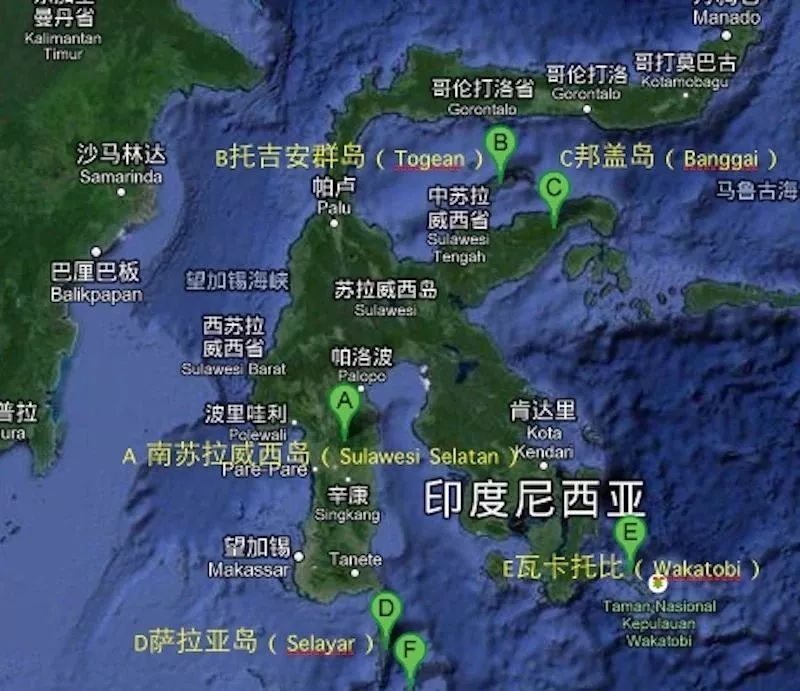
Sulawesi is the world's eleventh-largest island by area and a blend of many ethnic cultures. The old name "Celebes" means "turbulent currents," dating to 1511, when a sailor stranded by a violent storm gave the island its name.
Today, thanks to the area's early abundance of iron ore, the name was recombined in the local language from "sula" (island) and "wesi" (iron) into "Sulawesi."
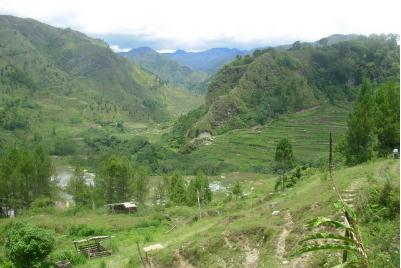
The island is divided into six provinces, and this coffee comes from the Toraja people of the mountainous interior. Partly because of the terrain and the community's limited exposure to export trade, cultivation sits at around 1,400 meters, far from the distribution centers. Farmers cannot deliver their finished coffee there to sell, so they rely on middlemen who speak the trade languages — chiefly English — or on traders who maintain long-term direct relationships.
Indonesia counts several famous coffee islands: Sumatra (Lintong, the Lake Toba volcanic basin, Sidikalang), Java (state-run Arabica), Sulawesi (Toraja), and more.
Geographically, Sulawesi is ringed by other coffee-growing archipelagos: Borneo to the west, the Philippine island of Mindanao to the north, the Maluku Islands to the east, and Flores and Timor to the south. Like Java and Sumatra, Sulawesi is volcanic terrain, with ten active volcanoes on the island.
Today Sulawesi's most famous coffees come from the Toraja mountain region at the island's center, home to the Toraja people. The region is known for high-quality semi-washed beans, with Kalosi serving as its trading hub.
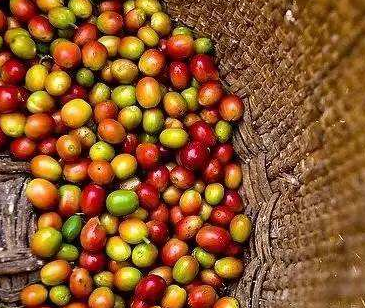
Coffee Characteristics and Flavor Profile
Whether labeled Sulawesi Toraja, Sulawesi Kalosi, or Celebes-Kalosi, all these names point to the same high-altitude beans from this region.
The body is rich yet quite clean — a rarity among Indonesian coffees. Expect intense nut and caramel flavors, a melon-like sweetness in the mid-palate, a clear silky texture, and a spicy-sweet finish. The refinement and depth will keep you savoring the aftertaste.
The cup offers elegant florals, caramel sweetness, spicy sweetness, and a hint of green peppercorn; the finish lingers with subtle candy, passion fruit, floral, spice, and melon-fruit notes. For lovers of exotic flavors, it is an indispensable coffee.
FrontStreet Coffee Recommendation
More Indonesian Coffee from FrontStreet Coffee
If Sulawesi's clean richness surprises you, Indonesia has more to offer — starting with the island where it all began. The Dutch planted coffee on Java in the late 17th century, and after leaf rust devastated the island's trees in the early 20th century, production moved north to Sumatra, which now supplies over 60% of Indonesia's Arabica and Robusta and lends its name to the famous "Mandheling."
FrontStreet Coffee's two Mandheling anchors come from Sumatra's highlands: the Lintong region around Lake Toba, where the traditional wet-hulled (Giling Basah) process and local microbial fermentation create the dense, mysterious classic profile — rich aroma, heavy body, clove-like spice, woodsy aromatics, and a strong, persistent sweetness with low acidity at a medium-dark roast — and the Gayo mountains of Aceh near Lake Tawar, a newer region prized for delicate aroma and a brighter, more elegant cup. For the cleanest expression of all, the FrontStreet PWN Golden Mandheling is the benchmark: screen 18-plus beans, fewer than 3 defects per 300g (G1), three rounds of hand sorting, and the certificate and PWN-stamped burlap bags to prove authenticity. Medium-dark roasted, it delivers chocolate, caramel, and nut flavors with none of the earthy muddiness — perfect for anyone who dislikes sour coffee — and it shines both as pour-over and as a rich, syrupy espresso.
Important Notice :
FrontStreet Coffee is a long-established specialty coffee roaster in Guangzhou China, selling freshly roasted beans from its own farm in Yunnan as well as dozens of carefully selected single-origin beans from around the world for both pour-over and espresso. The products deliver consistently excellent quality and great value, with shipping within 24 hours. Guangzhou's FrontStreet Coffee shop is recommended by many coffee lovers, and the beans are now available online at the Tmall 。
FrontStreet Coffee has moved to a new address:
FrontStreet Coffee Address: 315,Donghua East Road,GuangZhou
Tel:020 38364473
 Scan and follow the En Gafei WeChat official account. Please indicate that the reprint comes from "En Gafei".