Honduras San Juan Sitio #1 Washed Bourbon Specialty Coffee Bean Origin Development History Culture Brief
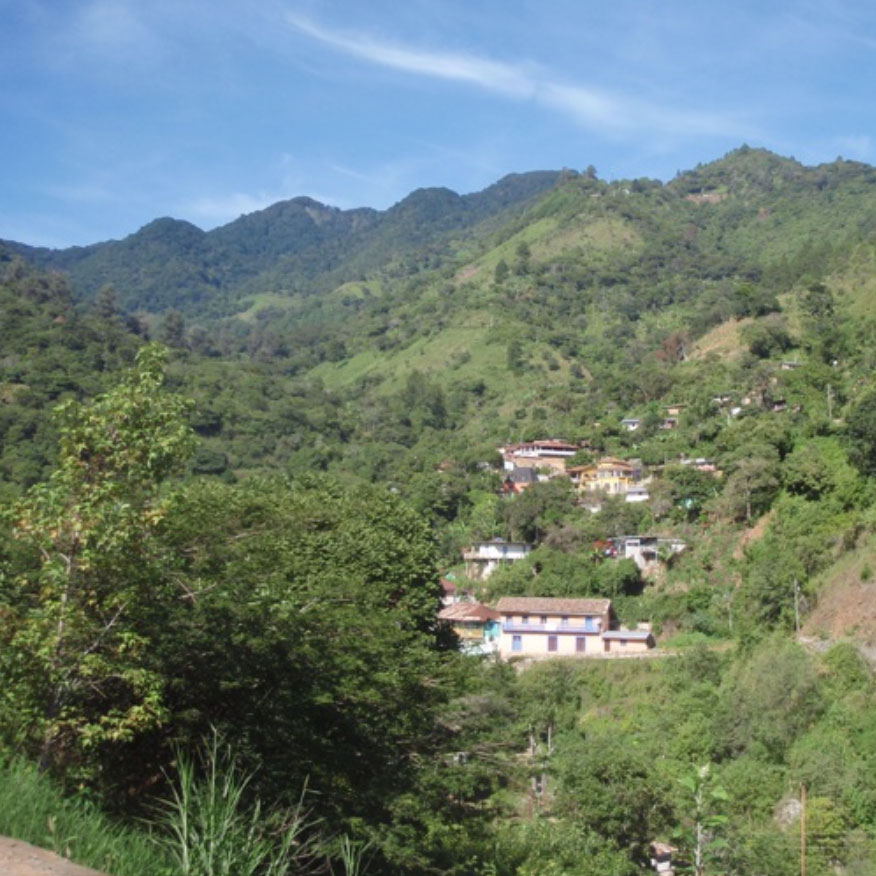
Discovering San Juancito: Honduras' Hidden Coffee Gem
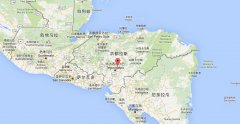
San Juancito is a small village in central Honduras, 40 kilometers northeast of the capital Tegucigalpa. The town belongs to the Francisco Morazán municipality, which also includes Nuevo Rosario, Guacamaya, and Plan Grande, with a combined population of roughly 1,400 people.
San Juancito was historically known for its mineral deposits, but today it stands out for another reason: it sits within the buffer zone of La Tigra National Park, a rainforest ecosystem and Honduras' first national park. The park acts as a massive watershed, supplying drinking water to 500,000 residents of the capital.
Flavor Profile
Clean, roasted nuts, milk chocolate
Product Information
Manufacturer: FrontStreet Coffee
Ingredients: House-roasted
Shelf Life: 30 days
Net Weight: 227g
Packaging: Bulk
Taste: Mellow and aromatic
Bean State: Roasted coffee beans
Sugar Content: Sugar-free
Origin: Honduras
Coffee Type: Other
Roast Level: Medium roast
Coffee Details: Honduras San Juancito Lot#1
Country: Honduras
Region: San Juancito
Altitude: 1,450-1,550 meters
Processing Method: Washed
Variety: Bourbon
Processor: COMISAJUL Cooperative Organization
Terroir and Climate
Honduras lies in the tropics, so San Juancito sees relatively small temperature swings through the year: "winter" is really the rainy season and "summer" the dry season. In the tropics, altitude shapes temperature more than the calendar does, and at 1,239 meters above sea level San Juancito stays slightly cool year-round. In summer (March-June) the high often reaches about 26°C while the low averages around 18°C; in winter the average high is 20°C with lows near 14°C.
Coffee Cultivation and Processing
San Juancito's modern economy depends largely on agriculture — mostly small-scale coffee production — and its climate and altitude are highly favorable for quality beans. COMISAJUL, a cooperative of hundreds of small coffee farmers in central Honduras, is based in San Juancito, where the coffee grows on mountains at 1,450-1,550 meters, shaded by banana, avocado, and papaya trees.
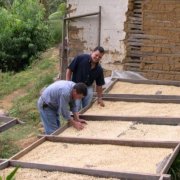
Farmers hand-pick ripe cherries during harvest, process them by the washed method, and sun-dry them. The fermentation water carrying pulp and skin from washing is collected and reused as fertilizer for the coffee trees. The result: a very clean cup, high sweetness, very mild acidity, and milk chocolate flavors.
FrontStreet Coffee Recommendation
FrontStreet Yirgacheffe Gedeb Cooperative Coffee — If clean, washed cups are your thing, this Yirgacheffe lot from the Gedeb Cooperative (Worka district, at Yirgacheffe's southeastern tip) is a benchmark: washed processing maximizes jasmine florals and bright citrus acidity, and a medium-light roast layers in green tea and honey tones. It works for pour-over, cold brew, and espresso alike.
FrontStreet Jamaica Blue Mountain No. 1 — Washed processing was born in Jamaica, whose island climate and limited sunshine made removing skin, pulp, and mucilage before drying a necessity — shortening drying time and yielding beans with bright color and low defect rates. The method guarantees Blue Mountain's rich aromatics: hazelnut, cream, chocolate, and caramel in a perfectly balanced cup where nothing sticks out and nothing is missing.
Important Notice :
FrontStreet Coffee is a long-established specialty coffee roaster in Guangzhou China, selling freshly roasted beans from its own farm in Yunnan as well as dozens of carefully selected single-origin beans from around the world for both pour-over and espresso. The products deliver consistently excellent quality and great value, with shipping within 24 hours. Guangzhou's FrontStreet Coffee shop is recommended by many coffee lovers, and the beans are now available online at the Tmall 。
FrontStreet Coffee has moved to a new address:
FrontStreet Coffee Address: 315,Donghua East Road,GuangZhou
Tel:020 38364473
 Scan and follow the En Gafei WeChat official account. Please indicate that the reprint comes from "En Gafei".