Why Bloom is Essential in Pour-Over Coffee: Why Bitter Pour-Over Coffee Remains Popular
For more professional coffee knowledge and coffee bean information, please follow Coffee Workshop (WeChat official account: cafe_style).
FrontStreet Coffee - Introduction to Pour-Over Coffee Blooming and Flavor
Pour-over coffee, as the name suggests, means pouring hot water over coffee grounds and extracting the coffee through a paper filter and a dripper. The whole process takes about 3 to 4 minutes. Because the flow rate, direction and temperature of the water are all controlled by the brewer, almost every cup tastes a little different. The equipment may be simple, but the method demands real attention and experience.
Why is Blooming Necessary in Pour-Over Coffee?
In pour-over, extraction and filtration happen at the same time, and extraction centers on where the water is poured, so more water means more extraction. Freshly roasted beans release more carbon dioxide, and this gas keeps water from fully contacting the grounds, preventing proper extraction. Blooming is therefore necessary to avoid uneven extraction and reduced efficiency.
What Are the Benefits of Blooming?
1. Releasing Gases from Coffee Particles
Generally, the fresher the beans, the more bubbles appear during the pre-infusion. Darker roasts, which hold less moisture, release more gas during blooming than lighter roasts, because they contain more carbon dioxide.
2. More Uniform Extraction
When the grounds release gas during blooming, the particles can shed air and absorb water more evenly, allowing a more uniform extraction in the following pours.
During blooming, the air between the particles expands with heat as large amounts of carbon dioxide escape, opening temporary gaps between the grounds. This gives hot water more room to move through the coffee bed during the main pour.
If the bloom is skipped at the start of a pour-over, extraction time will be drawn out and the cup risks over-extraction. The longer the extraction, the more compounds dissolve, and the flavors that come with it can be astringent, harsh or muddled.
Pour-over coffee emphasizes the different flavor profiles of coffees from different origins, their terroir. African coffees offer floral and fruity aromas with a charming acidity; Asian coffees show herbal notes with a rich mouthfeel; Central and South American coffees bring gentle acidity and clean sweetness. Pour-over coffee is not bitter by nature: bitterness comes from the beans themselves and only becomes prominent when they are roasted too dark. Different drinkers want different profiles, and that is exactly why pour-over is so highly prized.
Knowledge Expansion
In the world of pour-over, restoring the bean's original flavor and making it delicious matters most. Every step toward that goal leaves room for creativity, which is why there are so many techniques, what we usually call the various pour-over schools or styles.
In Summary
FrontStreet Coffee is a coffee research establishment dedicated to sharing coffee knowledge with everyone. We share without reservation because we want more friends to fall in love with coffee. We also hold three discounted coffee events each month, because FrontStreet Coffee wants more people to enjoy the best coffee at the lowest possible price. That has been our mission for the past six years.
FrontStreet Coffee Recommendation
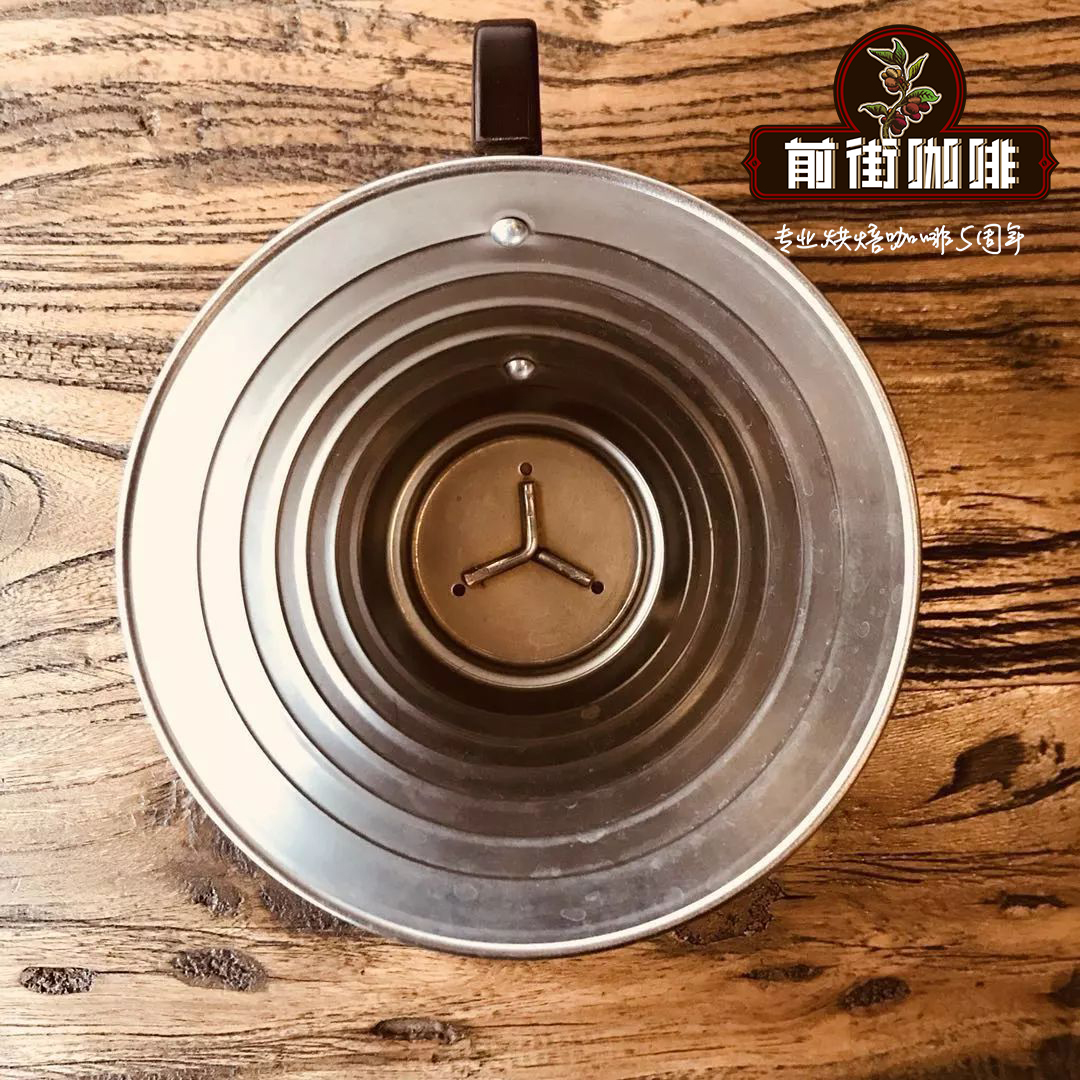
A bloom only pays off when the beans deserve it, and the tool we reach for most often is the Hario V60. Hario was founded in Tokyo in 1921 as a maker of heat-resistant glassware for research institutions, and in 2004 it redesigned the early V60 into the shape we know today, named for its 60-degree cone and V form and released a year later. The cone and angle force the water toward the center before it drips through, extending contact with the grounds, while the single large hole lets the brewer's pour rate shape the cup. Its spiral ribs help the grounds degas, which is exactly what a good bloom is meant to achieve.
For the floral, fruity side of pour-over, FrontStreet Coffee's Yirgacheffe Gotiti Cooperative is a natural fit: bright citrus and berry acidity, jasmine, and a green tea and honey finish, roasted medium-light so the delicate aromatics survive. If you want something louder, Ethiopia Flower Queen leads with tropical fruit, strawberry, passion fruit and jackfruit, low in bitterness and full of juice. Both reward a careful bloom at a 1:15 to 1:16 ratio.
If your taste runs to the richer, low-acid side of the spectrum, the same blooming technique serves a medium-dark roast just as well. FrontStreet Coffee's PWN Golden Mandheling brings herbal and dark chocolate notes with a full, mellow body, and our Jamaica Blue Mountain No.1 delivers cream, caramel, chocolate and nuts in near-perfect balance. Bloom generously, pour gently, and either one will show why the first 30 seconds matter so much.
Important Notice :
FrontStreet Coffee is a long-established specialty coffee roaster in Guangzhou China, selling freshly roasted beans from its own farm in Yunnan as well as dozens of carefully selected single-origin beans from around the world for both pour-over and espresso. The products deliver consistently excellent quality and great value, with shipping within 24 hours. Guangzhou's FrontStreet Coffee shop is recommended by many coffee lovers, and the beans are now available online at the Tmall 。
FrontStreet Coffee has moved to a new address:
FrontStreet Coffee Address: 315,Donghua East Road,GuangZhou
Tel:020 38364473
 Scan and follow the En Gafei WeChat official account. Please indicate that the reprint comes from "En Gafei".