Geisha Coffee Variety Characteristics: Relationship Between Origin, Grade, and Flavor Profile
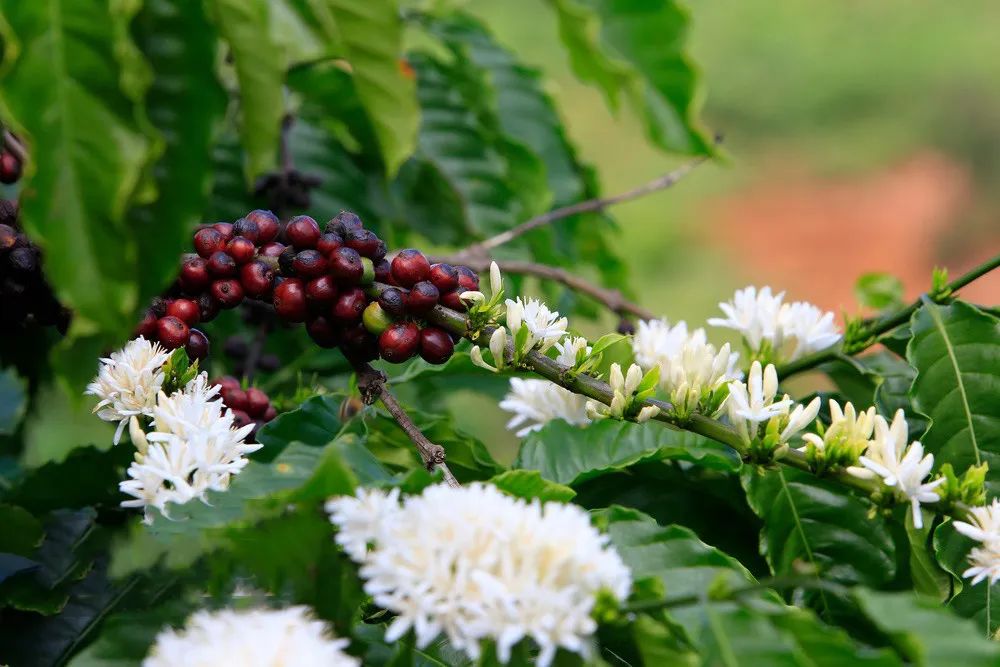
FrontStreet Coffee has explained in many articles that coffee, as an agricultural product, is like other vegetables and fruits: its flavors are always closely tied to variety, climate, altitude, soil, and management. Yet few coffees are like Geisha, which reached its peak right from its debut—it is the perfect natural meeting of a variety and its matching terroir.
First, Understand the Geisha Variety
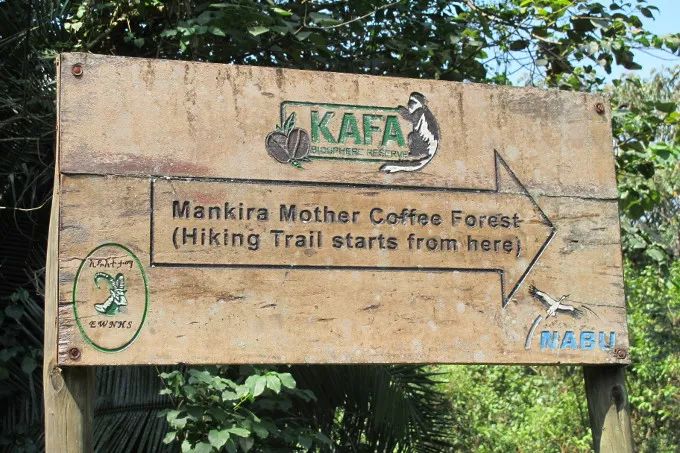
Geisha seedlings were first discovered and collected in the wild forests of southwestern Ethiopia. The collection's purpose was to find new disease-resistant varieties, and the plant was named after the nearby Geisha Mountain. In 1954, it was brought to Costa Rica and recorded as T2722. In the 1950s and 60s it was trial-planted on many farms across Central and South America, but its low yield and fragile plants kept it from being widely cultivated. It wasn't until 2003 that it was noticed by the Peterson family of Hacienda La Esmeralda, and after winning the 2004 Best of Panama competition, it ushered in the Geisha era.
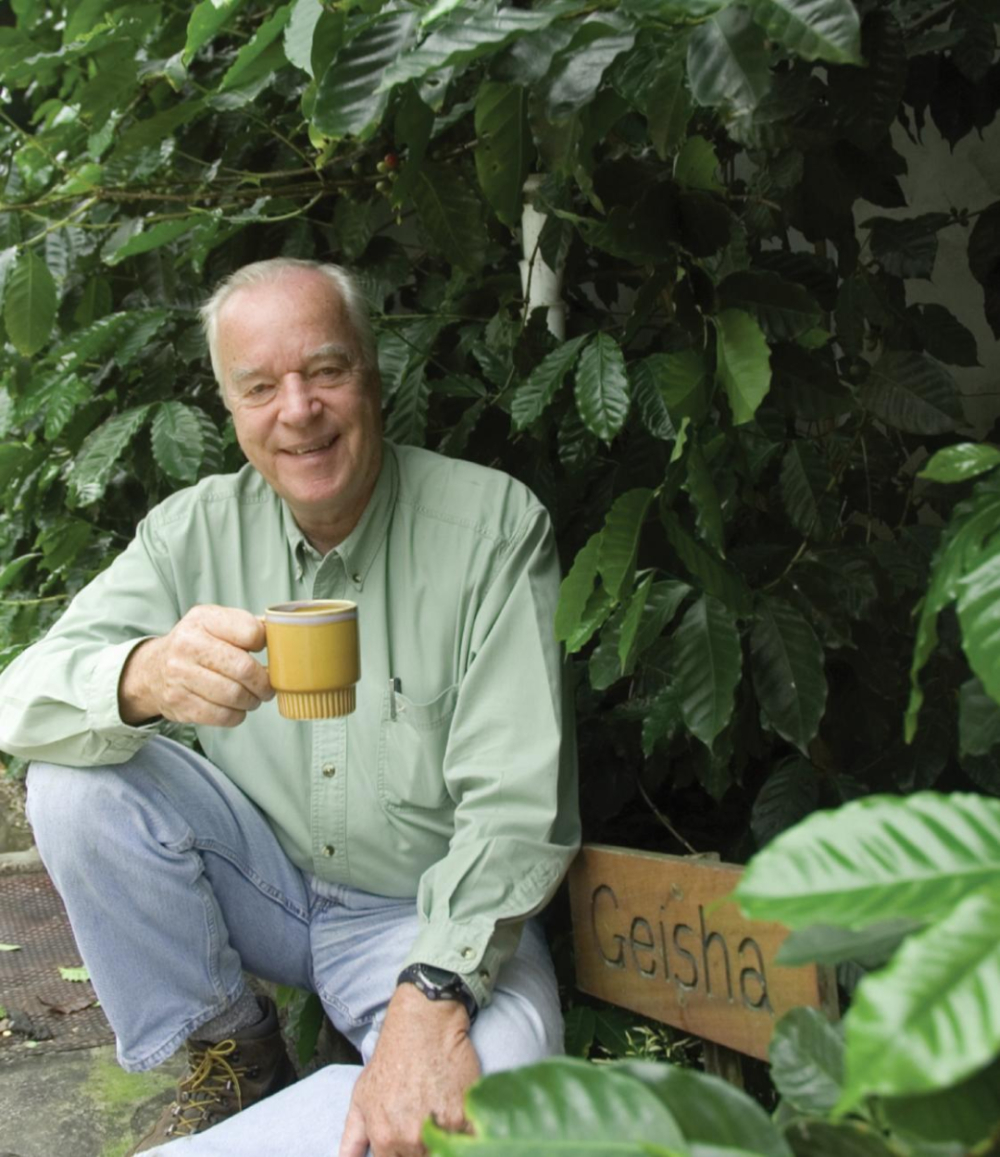
Geisha is very picky about its growing environment, requiring high altitude, fertile soil, and clouds or plant shade—it cannot tolerate direct, harsh sunlight. The owner of Hacienda La Esmeralda has said the estate needs large numbers of shade trees to shield the delicate Geisha from the sun, and traditional pruning must be used in the early planting stages, otherwise the plants easily die. Geisha planted at higher altitudes enjoys a longer cherry maturation period, and the flavor expression is more complex and unique.
Unlike other varieties, Geisha trees have very thin leaf systems, meaning photosynthetic efficiency is very low. The roots are fragile too, absorbing water and nutrients slowly, so yields are very low. Combined with the high-altitude environment, fruit maturation also comes late. One Geisha tree produces only half the fruit of a Caturra tree—one reason Geisha is so precious.
Since Geisha became famous, coffee farmers worldwide—not just in Central and South America—have rushed to plant it. But every producing region has its own terroir, and different terroirs shape coffee quality and flavor, so Geisha also shows its own regional character. FrontStreet Coffee believes the most representative expressions are still Geisha's birthplace, Ethiopia, and its rise to fame, Panama.
What Flavor Characteristics Do Geishas from Different Regions Present?
Panama has only three main coffee-producing regions—Boquete, Volcan, and Renacimiento—yet it produces the world's most expensive coffee. The Boquete region is one of the districts of Chiriquí Province, sitting on a plateau at roughly 1,000-2,000 meters on the eastern side of Barú Volcano. It faces the warm, humid monsoon from the Caribbean Sea with cold Atlantic currents behind it. The mountains are high and steep, and Barú Volcano National Park is an ecological conservation area rich in biodiversity, featuring seven microclimates. Together with year-round mist and abundant rainfall, this creates excellent growing conditions. FrontStreet Coffee's Panama Hacienda La Esmeralda and Elida Estate Geisha coffees both come from Boquete.
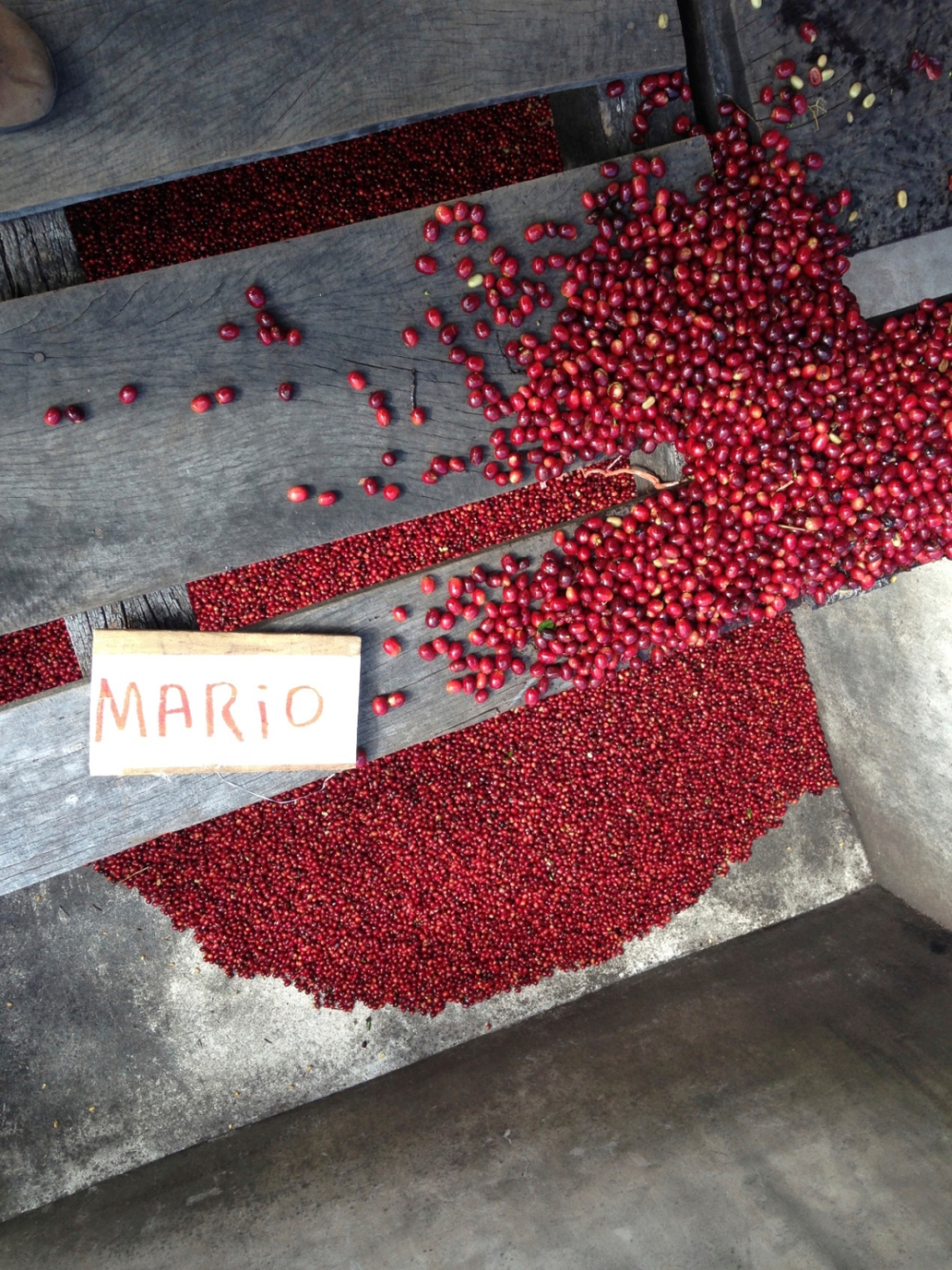
After Geisha's championship wins, the Peterson siblings managed the estate's Geisha trees more systematically, based on altitude, region, and cupping performance. The planting areas were divided into three major plots: Cañas Verdes, Jaramillo, and El Velo. To guarantee traceability for every batch, they further subdivided each major plot, so buyers of Geisha can trace specific planting plot information through the lot numbers. Geisha was first discovered in the Jaramillo plot, and it was there that the Petersons began raising Geisha's planting altitude. As the variety's discovery and cultivation site, Jaramillo became Hacienda La Esmeralda's most famous plot. Its average altitude is above 1,650 meters, where the mountain's humid, cool air lets the Geisha develop rich natural character. FrontStreet Coffee's Esmeralda Red Label comes from the Mario plot in Jaramillo and uses natural processing to present an intoxicating aroma of rose, citrus, berries, and honey.

Returning to Geisha's Birthplace
Ethiopia's planting altitude generally sits between 1,900-2,000 meters, and ultra-high altitude favors the accumulation of sugars inside the cherries. FrontStreet Coffee finds that compared to Panamanian Geisha, Ethiopian Geisha is built on a base of yellow stone-fruit flavors reminiscent of yellow peaches, with medium-to-high sweetness, and the better batches even show toffee characteristics.
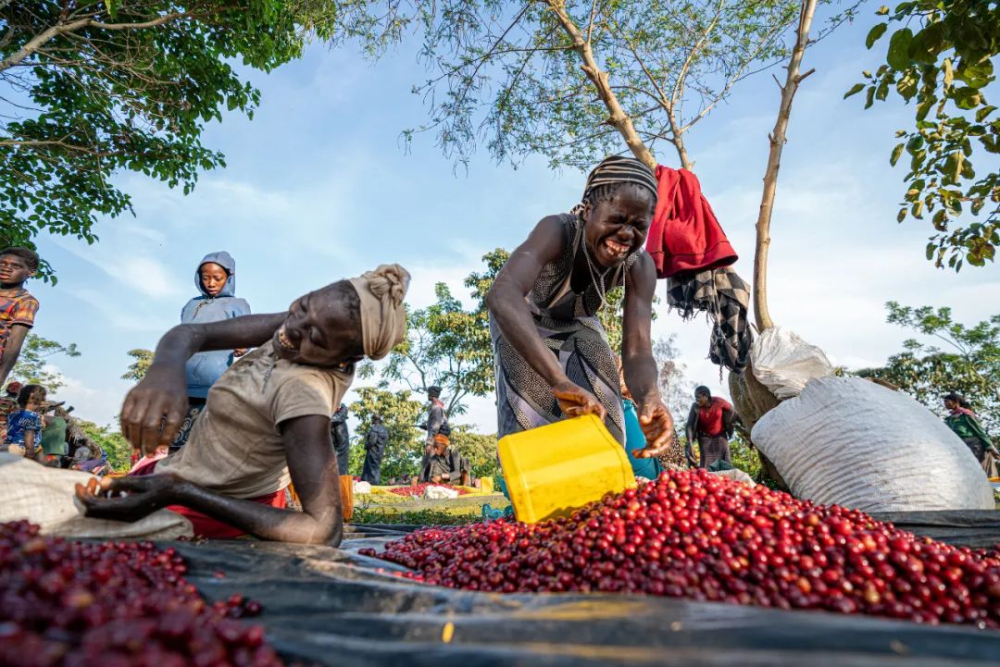
Ethiopia's most representative Geisha coffee comes from Gesha Village Estate. The Geisha varieties here differ from Panama's: Gesha Village grows three—Gori Gesha, Gesha 1931, and Illubabor Forest. Gori Gesha and Gesha 1931 share lineage with Panamanian Geisha but are not identical varieties. Gesha 1931 shows characteristics very similar to Panamanian Geisha, while Illubabor is a disease-resistant variety supplied by the Ethiopian research institute. To ensure the estate's quality, owner Adam established a strict grading system, dividing the Geisha into Auction, Gold Label, Red Label, Green Label, and CHAKA tiers.

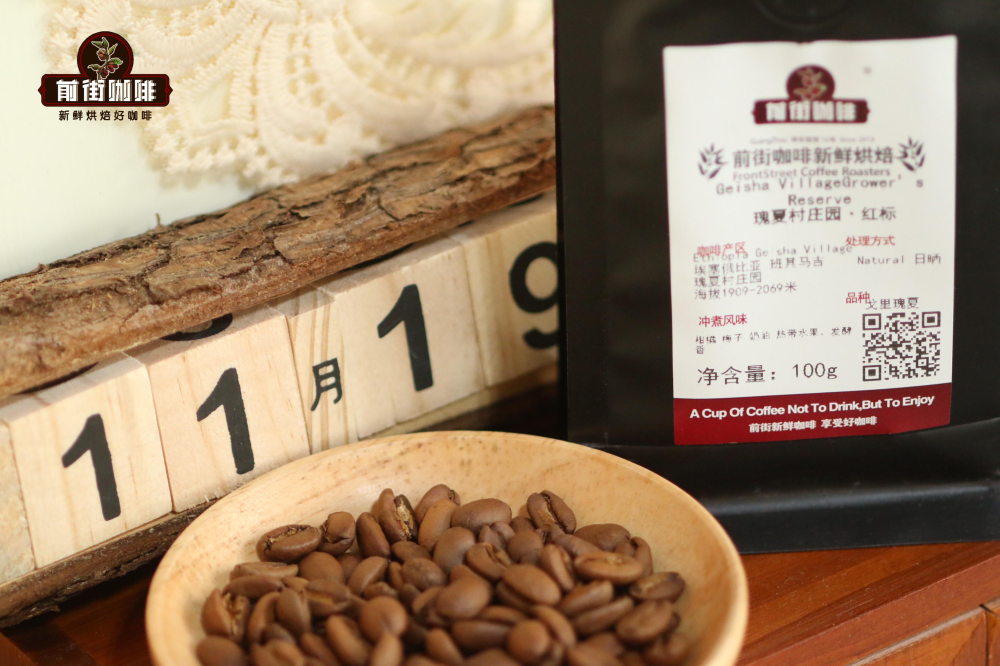
Gesha Village auction lots are the top tier, obtainable only through buyer auctions. The Gesha Village Red Label that FrontStreet Coffee carries also carries complete traceability information, accounts for 15% of annual production, and is premium Geisha with SCA cupping scores above 88 points. The natural-processed Gesha Village Red Label not only has the classic Geisha characteristics of complex fruit, honey, and florals, but adds the bright, lifted acidity typical of African coffee. FrontStreet Coffee considers it a batch of excellent value, well worth buying for Geisha enthusiasts.
How to Brew Geisha's Flavor Characteristics?
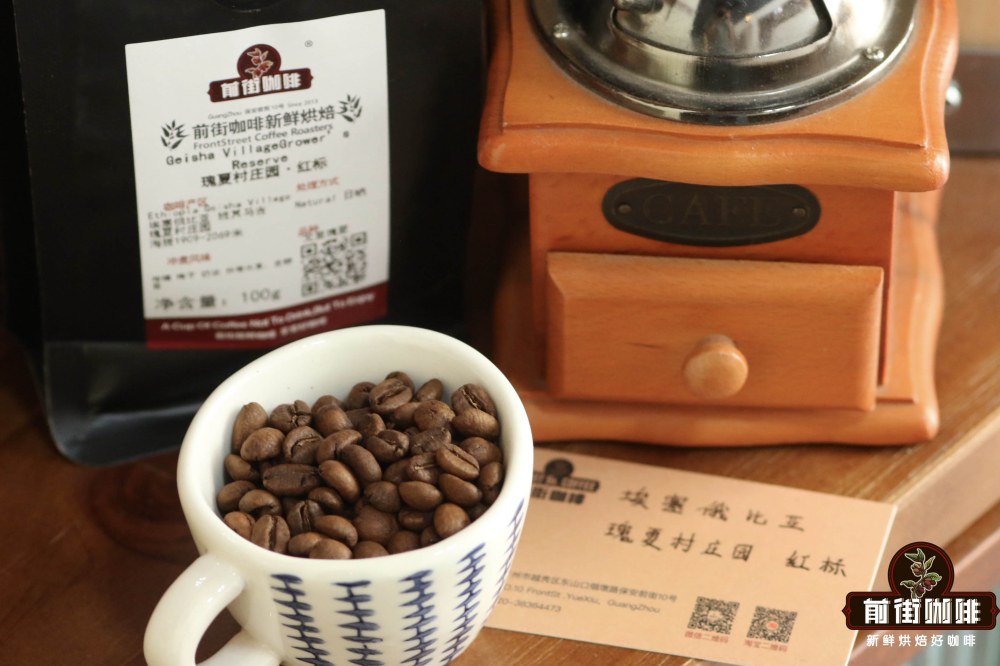
At FrontStreet Coffee, there are many options even within the Geisha variety alone. Here we've selected two favorites—the natural-processed Esmeralda Red Label and the natural-processed Gesha Village Red Label—and use our daily store parameters to explain the extraction approach!
FrontStreet Coffee's flavor descriptions are based on freshly roasted beans. If beans have been stored for more than a month, some aroma will have dissipated, making it hard to restore their original character in the brew. We understand the importance of freshness, so we ensure only beans roasted within 5 days are shipped, so everyone enjoys the full optimal tasting window on arrival.
Geisha is world-famous for its rich florals and complex fruit character. FrontStreet Coffee's roasters want to preserve more of Geisha's quality acidity, so they choose a medium-light roast (with slight adjustments per batch). This roast level doesn't significantly soften the high hardness of high-altitude beans, so brewing must raise the extraction rate to present fuller flavor layers. That calls for higher water temperature and a slightly finer grind to draw out more aromatic compounds. We also want Geisha's flavor expression to be clearer, so we use a slightly higher coffee-to-water ratio of 1:16.
To raise the extraction rate while avoiding over-extraction and highlighting the sweet-sour layers, FrontStreet Coffee's baristas use a V60 dripper. The V60's body has flow ribs running top to bottom and a large central hole that speeds the water downward, while the spiral ribs lengthen the flow path, increasing contact time between grounds and hot water. Each stream converges along the ribs toward the filter's center, concentrating pressure on the coffee bed and yielding a more layered extraction.

Demonstration of Store Production Brewing Steps
Below, FrontStreet Coffee demonstrates the brewing steps for the store's Esmeralda Red Label Natural Geisha. You can reference and compare them with your own approach.
Pour-over parameters for Red Label Geisha: dripper: V60; water temperature: 91-92°C; dose: 15g; coffee-to-water ratio: 1:16; grind size: fine-sugar texture (80% passing through a #20 sieve)
Three-stage extraction: first add 15g of grounds to the dripper and zero the scale. The first stage pours 30g of water for a 30-second bloom, timing from the start. Use a small water flow, pouring in circles from the center outward, making sure the whole coffee bed is moistened.
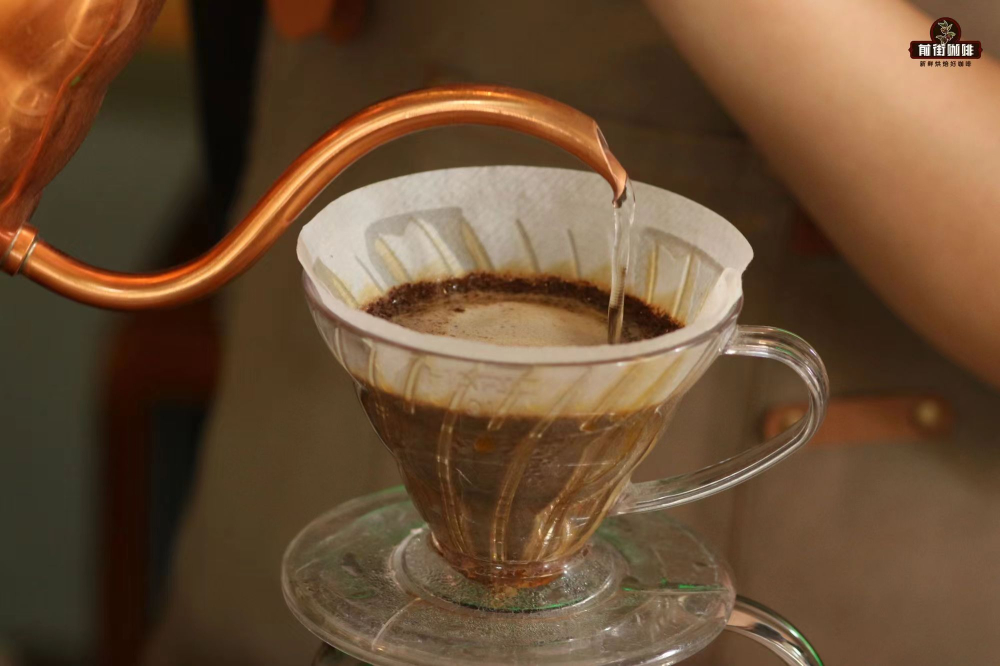
The second stage uses a slightly larger flow, pouring 120g of water to lift the entire coffee bed. The water column should be poured vertically and evenly; at this point the scale reads 150g, completed in about 55 seconds.
When the liquid level drops to halfway, switch to a small flow in small circles for the third stage of 90g. Try to keep the flow gentle—a strong flow disperses the coffee bed and causes under-extraction. The final total is 240g, with drip completion around 2 minutes 10 seconds. After removing the dripper, swirl the coffee in the server to mix evenly before tasting.

The pour-over Esmeralda Red Label Geisha tastes of fresh jasmine, citrus, and tropical fruit acidity, with flavor layers shifting as the temperature changes. The overall mouthfeel is smooth, with a pleasant tea-like aftertaste.
The pour-over Gesha Village Red Label Gori Gesha tastes of tropical fruits, bergamot, and lemon, with creamy sweetness and fermented undertones. As the cup cools slightly, jasmine florals gradually emerge.
For professional coffee knowledge exchange and more coffee bean information, please follow Coffee Workshop (WeChat official account: cafe_style)
For more specialty coffee beans, please add the private WeChat of FrontStreet Coffee, WeChat ID: qjcoffeex
FrontStreet Coffee Recommendation: Two Red Labels, Two Geisha Stories
For your own side-by-side, FrontStreet Coffee offers both Red Labels. The Esmeralda Red Label is natural-processed Geisha from the Mario plot in Jaramillo—above 1,650m—pouring with rose, citrus, berries, and honey. The Gesha Village Red Label, also natural-processed, accounts for 15% of the estate's annual production, scores SCA 88+, and delivers complex fruit, honey, and florals with African brightness over tropical fruit, bergamot, and lemon. Brew them identically to compare fairly: V60, 15g of coffee, a 1:16 ratio, 91-92°C water, and a fine-sugar grind (80% through a #20 sieve). Bloom with 30g for 30 seconds, pour to 150g by about 55 seconds, finish at 240g, and swirl before tasting—around 2:10 total for two cups of pure Geisha elegance.
Important Notice :
FrontStreet Coffee is a long-established specialty coffee roaster in Guangzhou China, selling freshly roasted beans from its own farm in Yunnan as well as dozens of carefully selected single-origin beans from around the world for both pour-over and espresso. The products deliver consistently excellent quality and great value, with shipping within 24 hours. Guangzhou's FrontStreet Coffee shop is recommended by many coffee lovers, and the beans are now available online at the Tmall 。
FrontStreet Coffee has moved to a new address:
FrontStreet Coffee Address: 315,Donghua East Road,GuangZhou
Tel:020 38364473
 Scan and follow the En Gafei WeChat official account. Please indicate that the reprint comes from "En Gafei".