
What's the Difference Between Specialty Coffee Growing Regions, Estates, Processing Plants, and Cooperatives?
The Rise of Specialty Coffee and Understanding Origin Information
As specialty coffee has grown in popularity, we've gained access to increasingly detailed information about how our beans were grown and produced. This information usually travels with the beans and is printed right on the bag. Variety, process, and flavor notes are easy enough to grasp, but the origin line can be confusing: sometimes it names a growing region, sometimes a single estate, sometimes a processing station or a cooperative. What exactly is the difference between all of these?

Coffee Growing Regions
Growing regions are the simplest to understand. They come in two levels: major and minor. Major regions are producing countries — Colombia, Ethiopia, Panama, and so on. Within these countries sit numerous smaller regions. Yirgacheffe and Sidamo, for example, are sub-regions of Ethiopia, just as Huila and Cauca are sub-regions of Colombia.
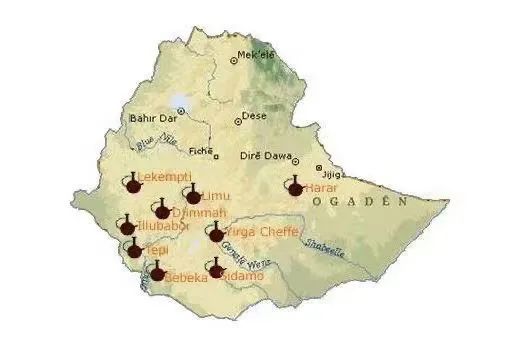
Why the two-tier system? Because terroir differs not only from country to country but also between the smaller zones within one country. Most of these regions sit hundreds of kilometers apart, so the flavors they produce naturally diverge. Yirgacheffe and Guji were carved out as distinct names precisely because their coffees taste so distinctive. And beneath the sub-regions, you'll find the next layer of specificity: estates, processing stations, and cooperatives.
Coffee Processing Plants
Before processing, coffee beans are cherries — fruit with pulp and skin. A processing station (or mill) is a facility that collects cherries from the surrounding area and processes them in one place.
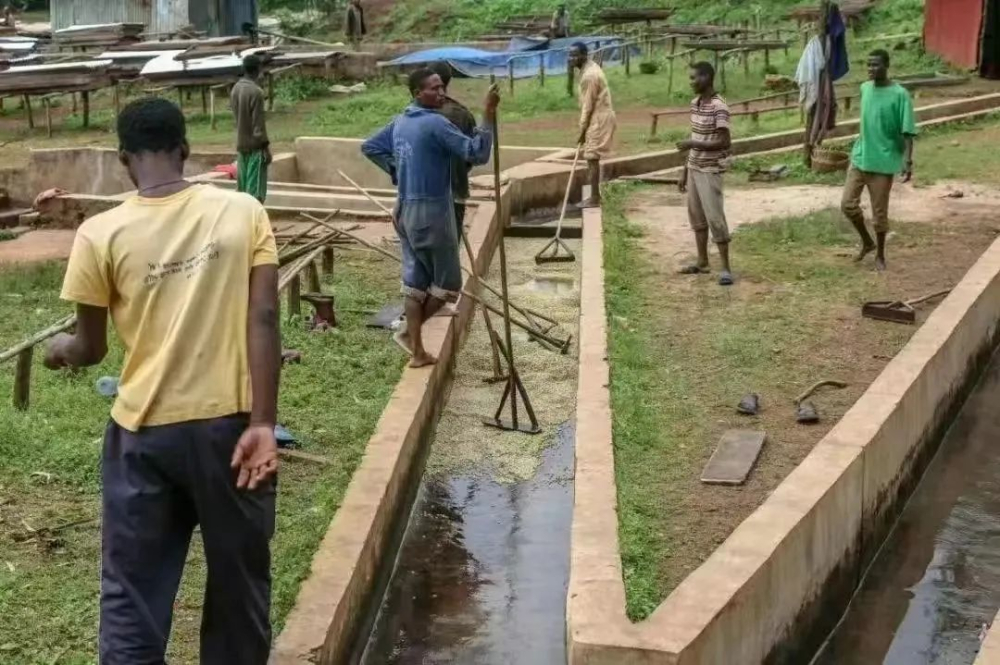
Why do these stations exist at all? Because processing coffee fruit demands high standards of both facilities and equipment — and meeting high standards requires serious capital. For smallholder farmers in less developed areas, that investment is out of reach; what they earn from selling beans wouldn't even cover the machinery. So farmers sell their freshly picked cherries to the nearest processing station instead.
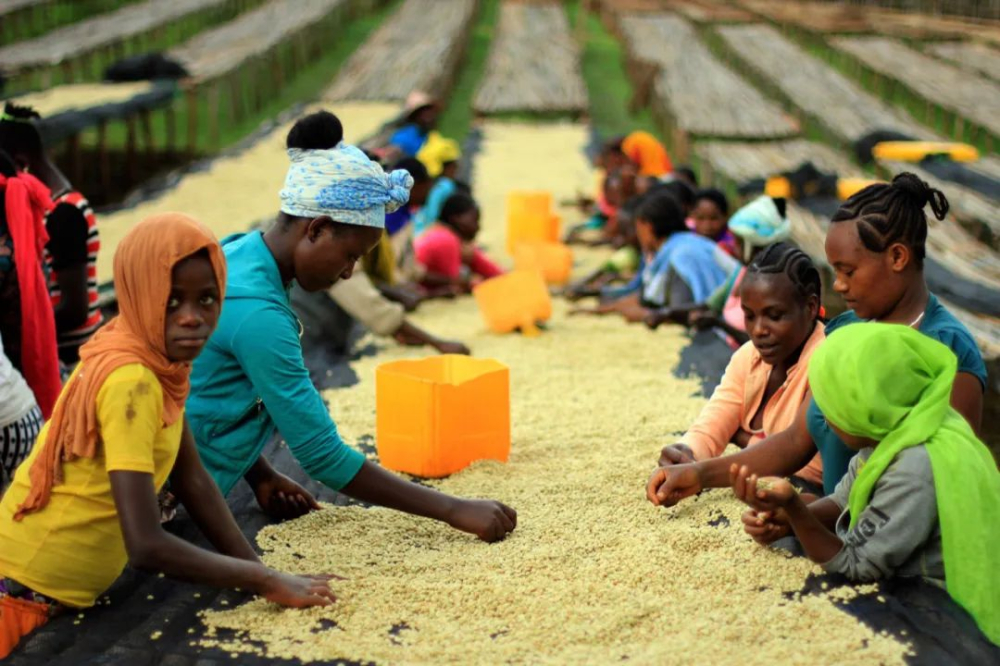
But this arrangement creates a problem: the price farmers get for their fruit is squeezed, and rarely in their favor. Coffee has its middlemen too — brokers in the transport chain who move between farms and stations, buying cherries cheap from growers and reselling them higher to the mill. And that's only one of the many ways a farmer's income gets shaved down. The best way to cut out the middlemen and keep more of the value? Band together and build shared processing capacity. Hence the birth of the cooperative.
Coffee Cooperatives
When farmers pool their money to buy machinery and a shared facility, forming a cooperative, they can process their own cherries collectively — and no longer let intermediaries skim the difference.
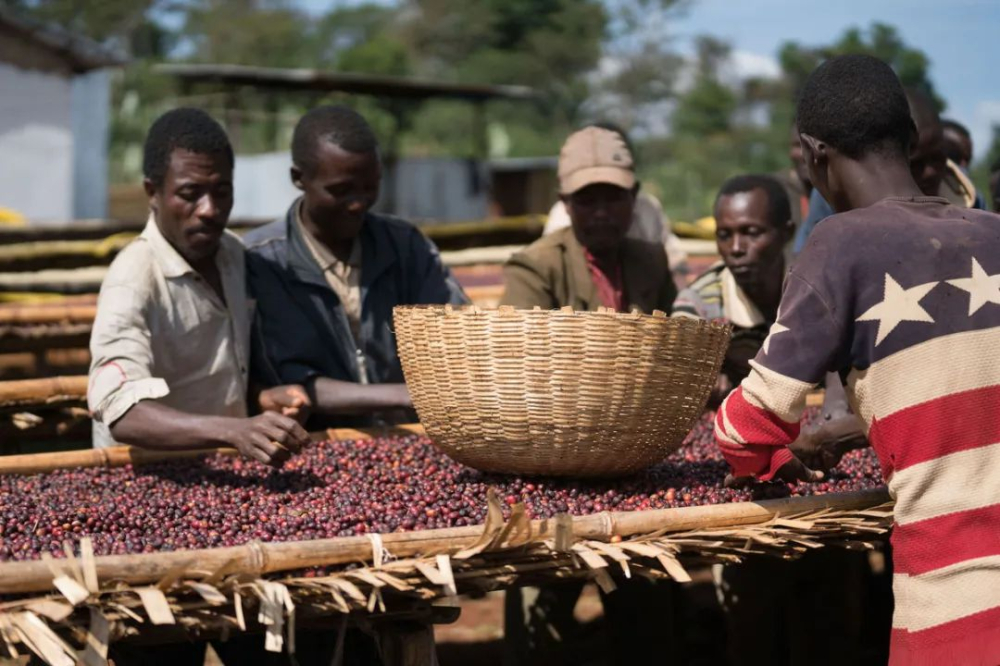
Beans processed at a cooperative are typically sold under the cooperative's name. In Yirgacheffe, one well-known lot is "Gedeb," named for the Gedeb Cooperative; Worka and Konga are other examples of coffees marketed under cooperative names.
Coffee Estates
Estates are privately owned, large-scale coffee farms — think of them as the mansions of the coffee world, which is not far from the truth. The first prerequisite for founding an estate is capital: enough money to buy large tracts of land for cultivation and to build the facilities needed to process fresh cherries on site.
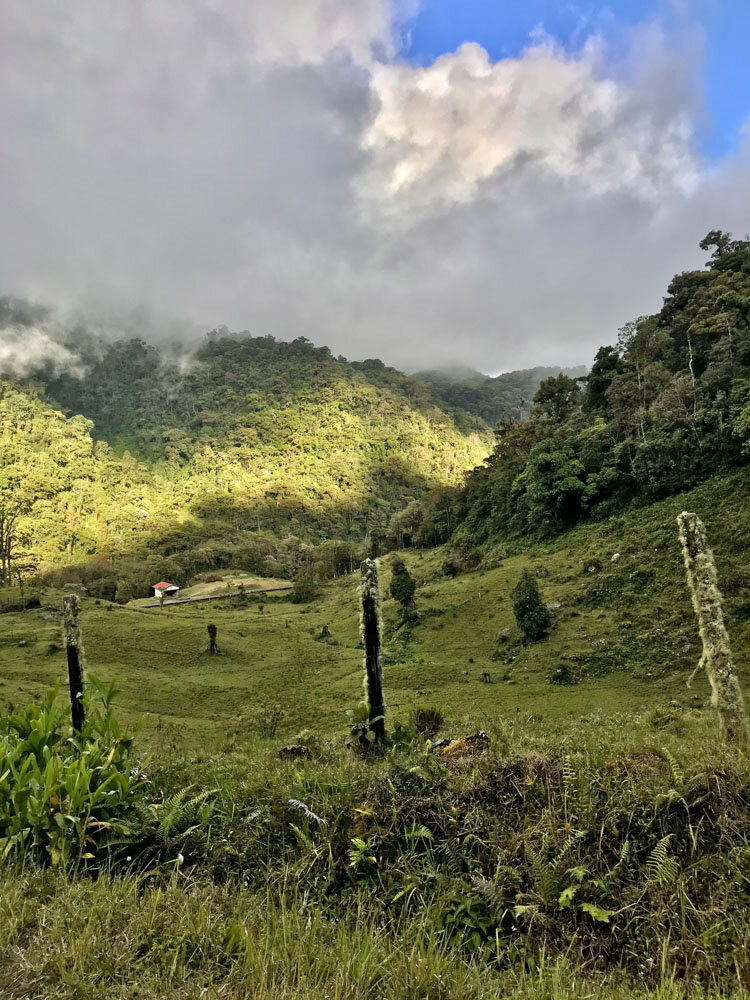
That private ownership gives estate owners the freedom to set their own priorities in farming and processing — and to experiment with novel cultivation and processing methods without restrictions. Cooperatives and stations, by contrast, find it much harder to venture into new territory, for an understandable reason: the cost of trial and error is crushing for smallholder farmers. A single failed experiment can wipe out a year's labor and income.
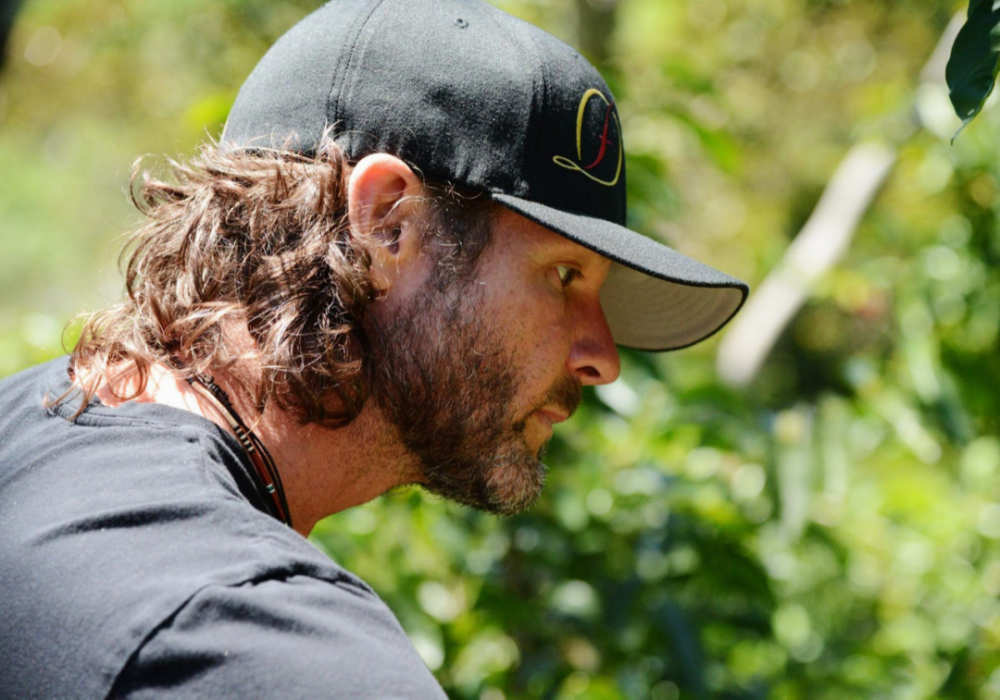
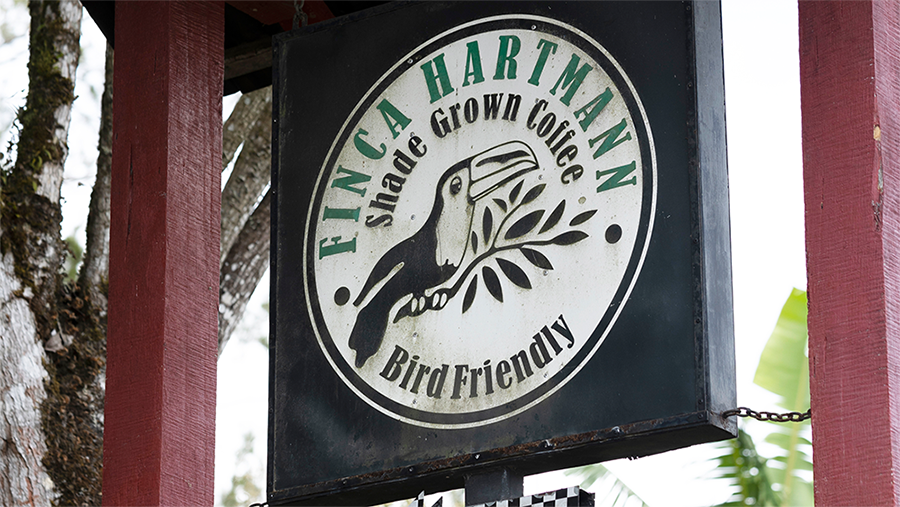
Beyond production, estate owners can also handle sales and logistics themselves. They are the source: they grow, they process, they find green buyers, they sell — a smooth, vertically integrated chain. And once an estate proves itself, green buyers come knocking with premium offers. All of that extra margin stays with the owner. Hacienda La Esmeralda, Finca Los Lajones, and Finca Hartmann are outstanding examples of the model.
- END -
FrontStreet Coffee

FrontStreet Coffee Recommendation
Since this article is all about tracing coffee back to its source, here are two Yirgacheffe coffees from FrontStreet Coffee that showcase exactly that traceability:
FrontStreet Washed Yirgacheffe Guodingding Cooperative — Guodingding sits in the Worka area at the southeastern edge of Yirgacheffe, once part of the Worka cooperative under the Yirgacheffe Coffee Farmers Cooperative Union (YCFCU) before being singled out by buyers chasing traceability. Processed in the traditional fully washed style, it carries no heavy bitterness — just fresh, bright citrus and lemon acidity wrapped in jasmine fragrance. A wonderful example of what a well-run cooperative can deliver.
FrontStreet Natural Red Cherry Yirgacheffe — From the same Yirgacheffe region, this lot uses only fully ripe, defect-free cherries, sun-dried on raised beds and turned every two to three hours in the early days to prevent uneven fermentation, for three to five weeks. Because the fruit dries with the pulp intact, it keeps classic Yirgacheffe character while gaining tropical fruit aromatics: citrusy acidity, berry-like juiciness, honeyed sweetness, and a creamy smoothness.
FrontStreet Washed Yirgacheffe Classic — For newcomers to Ethiopia, start here: jasmine blossom, bright citrus and lemon acidity, and a distinct tea-like finish at a friendly price. It has long been the first bag many drinkers reach for when entering specialty coffee.
Important Notice :
FrontStreet Coffee is a long-established specialty coffee roaster in Guangzhou China, selling freshly roasted beans from its own farm in Yunnan as well as dozens of carefully selected single-origin beans from around the world for both pour-over and espresso. The products deliver consistently excellent quality and great value, with shipping within 24 hours. Guangzhou's FrontStreet Coffee shop is recommended by many coffee lovers, and the beans are now available online at the Tmall 。
FrontStreet Coffee has moved to a new address:
FrontStreet Coffee Address: 315,Donghua East Road,GuangZhou
Tel:020 38364473
 Scan and follow the En Gafei WeChat official account. Please indicate that the reprint comes from "En Gafei".

