
Feeling Off Without Coffee! Am I Addicted to Caffeine?
"If I don't have a cup of coffee every day, my brain just stays on standby."
"No coffee after lunch? My brain crashes even during the break."
Compared with most other beverages (herbal tea aside), coffee isn't exactly delicious. Plenty of people make a face the very first time they try it:

But things tend to happen either never or all the time. One cup turns into a monthly coffee budget, the daily count keeps climbing, and one day you realize that skipping coffee leaves your soul offline...
Am I Addicted to Caffeine?
Anyone who relies on coffee has probably wondered whether they're actually addicted. It helps to split the question in two: psychological dependence and physiological dependence. The former is a mental habit and relatively easy to break; the latter is true addiction, and quitting means overcoming your own body's resistance.
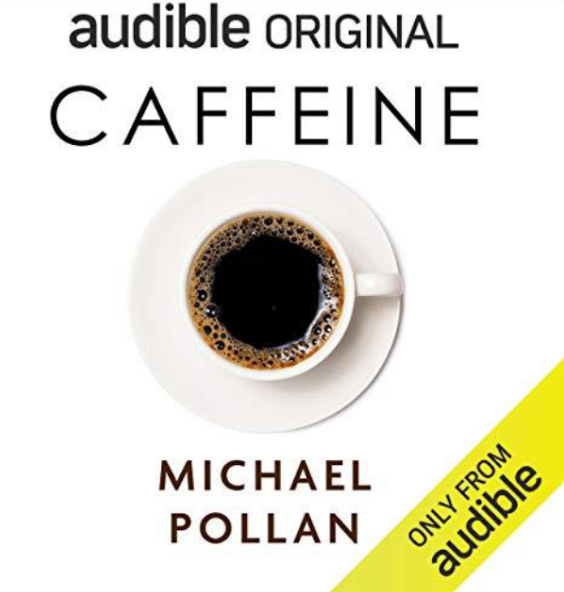
In the words of psychologists and neuroscientists, coffee may be the most widely used psychoactive substance in the world — and it's legal and sold everywhere. A book titled "Caffeinated" also argues a core point: caffeine is a drug.
Gary L. Wenk, professor of psychology and neuroscience at Ohio State University, believes coffee hooks us because it mimics the brain reactions produced by cocaine and marijuana. A cup of coffee stimulates an abnormal release of dopamine in the synaptic cleft, triggering a mild sense of euphoria — similar, on a much smaller scale, to the effects of amphetamine-type drugs.
Still, consumed sensibly, caffeine rarely causes true physiological addiction. A small daily intake (about 1-2 cups' worth) affects the nervous system just enough to bring stimulation and enjoyment, briefly shifting your state of consciousness.

If you simply think about coffee every day — if your soul doesn't feel quite present without it, or something seems missing unless you drink a cup — that's psychological dependence, a kind of ritualized habit. It's like "drinking for courage": coffee supplies a sense of ritual, an "excuse" to get things done.
But if you need large doses of caffeine daily just to function — otherwise you get drowsy, low, restless, or jittery, or experience gastrointestinal, urinary, or cardiovascular symptoms — then you may genuinely be addicted. Caffeine addiction brings withdrawal reactions: the specific symptoms that appear when you stop or cut back.
When Does Real Caffeine Addiction Occur?
Everyone's tolerance is different. According to the FDA (U.S. Food and Drug Administration), as long as you stay under 400mg of caffeine per day — for reference, a 225ml pour-over brewed with 15g of coffee at a 1:15 ratio contains roughly 60-90mg, so 400mg is about 4-5 cups — you generally won't develop an addiction.
Of course, brewing method changes how much caffeine lands in each cup. Using drinks made from regular Arabica beans as a baseline:
A 200ml cold brew from 20g of beans carries about 200mg of caffeine; a 225ml French press from 15g about 120mg; a 225ml pour-over from 15g about 60-90mg; a 30ml espresso shot from 15g about 85mg.
(Diluting an espresso doesn't reduce its caffeine — unless the recipe uses a different blend.)
What to Do If You're Addicted to Caffeine?
If you truly are addicted, don't quit cold turkey. Going from everything to nothing will leave you genuinely "offline" — headaches, low energy, and a disrupted daily life.
Quitting takes willpower, and abrupt cessation isn't realistic. Instead, gradually cut your daily caffeine intake — and remember it isn't only coffee: energy drinks, cola, tea, and sodas all contain caffeine.

Before you start cutting back, keep a caffeine log and record how much you get from food and drinks. The log shows you exactly what you consume each day and reveals when you tend to take in more than you realize.
If coffee is your only source, start by trimming your intake 25% each week. Drinking 4 cups a day? This week, 3; next week, 2; the week after, 1; then try alternating days on and off, and so on.
And if you can't manage it on your own and excessive caffeine is affecting your daily life, seek medical help — there are more scientific and professional ways to quit.
FrontStreet Coffee Recommendation
One pleasant way to keep your caffeine habit sustainable — and tastier — is to brew better coffee at home. For milk-based drinks, FrontStreet Coffee's beans make an easy upgrade. The FrontStreet Classic Blend, designed for espresso machines and moka pots, uses the traditional Mandheling-Brazil formula and produces exceptionally thick, velvety crema — even on entry-level home machines — with a mellow, rounded body that works beautifully in lattes, cappuccinos, and Dirts, and suits beginners and veterans alike.
If you want great taste on a budget, the FrontStreet Dark Cocoa Blend uses 100% Arabica beans for rich crema and a chocolatey, full-bodied cup at a friendly price. For something more distinctive, the FrontStreet Strawberry Candy Blend recreates a vivid strawberry-candy sweetness by blending Arabica beans from different origins — an excellent pick for fruit-loving drinkers who shy away from bitterness, and versatile enough for home brewing or cafe menus. For pour-over with a splash of milk, reach for the medium-dark FrontStreet Brazil Queen Estate (Yellow Bourbon) or FrontStreet Indonesia Mandheling, whose chocolate, nut, and cream notes pair perfectly with milk without getting lost.
Important Notice :
FrontStreet Coffee is a long-established specialty coffee roaster in Guangzhou China, selling freshly roasted beans from its own farm in Yunnan as well as dozens of carefully selected single-origin beans from around the world for both pour-over and espresso. The products deliver consistently excellent quality and great value, with shipping within 24 hours. Guangzhou's FrontStreet Coffee shop is recommended by many coffee lovers, and the beans are now available online at the Tmall 。
FrontStreet Coffee has moved to a new address:
FrontStreet Coffee Address: 315,Donghua East Road,GuangZhou
Tel:020 38364473
 Scan and follow the En Gafei WeChat official account. Please indicate that the reprint comes from "En Gafei".

